
Main Courses
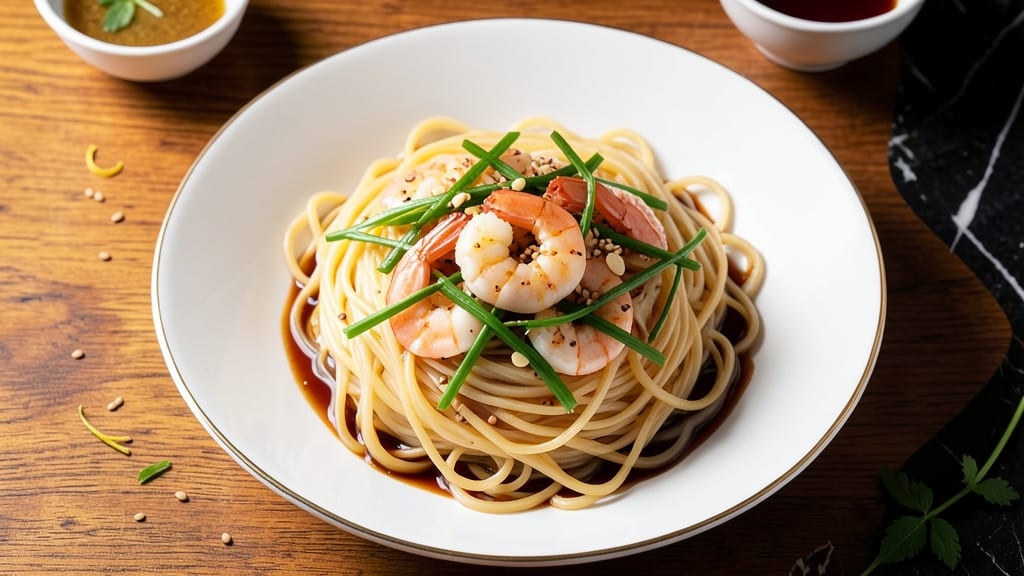
The Cantonese egg noodles I first tasted in Hong Kong's bustling street markets changed how I think about simple weeknight dinners. That first bite—silky noodles, fragrant wok hei, and delicate egg ribbons—was a revelation.
What makes this dish special isn't just the technique but the balance: tender noodles, aromatic stir-fry, and the perfect harmony of textures that makes every forkful satisfying.
This recipe captures the essence of traditional Cantonese cooking without requiring specialized equipment. The key lies in the noodles themselves—egg-enriched for richness, hand-pulled for texture, and stir-fried at high heat to develop that signature wok hei flavor.
I've simplified the process while keeping the soul intact, so you can achieve restaurant-quality results in your own kitchen. The secret? A hot wok and constant motion to prevent sticking.
What you'll end up with is a dish that's both elegant and comforting: silky egg noodles coated in a savory stir-fry, their edges slightly crisp, their centers tender. The egg ribbons melt into the noodles, creating a luxurious texture that feels indulgent yet balanced.
This is the kind of meal that transforms an ordinary dinner into something special—simple enough for weeknights but impressive enough for guests.
The beauty of Cantonese egg noodles lies in their versatility. While I'll share the classic version with shrimp and scallions, you can easily adapt it to your preferences—add vegetables for a vegetarian twist, swap in pork for a heartier option, or adjust the seasoning to suit your taste.
Serve it with a side of pickled vegetables or a simple cucumber salad to balance the richness.
Ingredients for cantonese egg noodle
Silky egg noodles and fragrant egg ribbons transform simple ingredients into a restaurant-worthy dish.
| Ingredient | Amount | Notes |
|---|---|---|
| Egg Noodles 🍜 | 12 oz | Fresh or dried, egg-enriched |
| Large Eggs 🥚 | 4 whole | Room temperature, beaten |
| All-Purpose Flour 🌾 | 2 cups | For egg ribbon dough |
| Shrimp 🦐 | 1 lb | Medium, peeled, deveined |
| Scallions 🧅 | 6 whole | White and green parts, sliced |
| Garlic Cloves 🧄 | 6 cloves | Minced, aromatic |
| Sesame Oil 🫒 | 1 tbsp | Toasted, for aroma |
| Vegetable Oil 🫒 | ½ cup | High smoke point |
| Soy Sauce 🍶 | 3 tbsp | Light or dark, to taste |
| Oyster Sauce 🍶 | 2 tbsp | High-quality, umami-rich |
| Shaoxing Wine 🍷 | 1 tbsp | Substitute with dry sherry |
| White Pepper 🌶️ | ½ tsp | Freshly ground, subtle heat |
| Salt 🧂 | 1 tsp | Kosher or sea salt |
| Cornstarch 🌾 | 1 tbsp | For shrimp coating |
The egg noodles are the heart of this dish—fresh or dried egg noodles from an Asian market make all the difference, but good-quality dried ones work too. For the egg ribbons, room-temperature eggs beat better, and King Arthur flour gives the best texture. Shrimp should be fresh, not frozen—ask for medium-sized at the seafood counter, and peel them yourself for the best texture. Scallions add brightness, so grab a bunch and use both white and green parts. Minced garlic should be freshly minced—pre-minced loses its punch fast.
No sesame oil? Toasted peanut oil works in a pinch, though it has a different flavor profile. Swap Shaoxing wine for dry sherry or mirin—just don’t skip the wine entirely. For a vegetarian version, replace shrimp with extra-firm tofu pressed and pan-fried, or use mushrooms for umami depth. The cornstarch is key for crispy shrimp—don’t skip it, but if you’re out, a light dusting of all-purpose flour works. Soy sauce can be light or dark, but Kikkoman or Lee Kum Kee are reliable choices. And if you’re feeling adventurous, add a dash of chili oil at the end for heat.
Egg noodles keep 3-4 days refrigerated in an airtight container, but they’re best fresh. Store shrimp in the freezer for up to 2 months if you’re prepping ahead—thaw overnight in the fridge before cooking. The egg ribbon dough can be made 1 day ahead and refrigerated, but bring it to room temp before rolling. This dish reheats beautifully—just toss with a splash of water and stir-fry again. Leftovers keep 2-3 days in the fridge, though they’re rarely leftovers around here.
Why You'll Love This Recipe
- No Fuss, No Mess: I swear by this recipe when I’m too tired to chop anything but scallions. The egg noodles cook in minutes, shrimp thaws in the fridge overnight, and the eggs? Just whisk, scramble, and fold—no flipping required.
- Umami Bomb: That first bite of shrimp and egg noodles with the crispy edges? It’s like a flavor explosion. The eggs add richness while the scallions cut through—simple ingredients, but the balance is chef’s kiss.
- Weeknight to Party Fix: Make it for yourself on a Tuesday or double the batch for a potluck. The noodles hold up well, and you can swap shrimp for chicken or tofu—no one will guess it wasn’t planned ahead.
- Budget Magic: A handful of shrimp and a few eggs stretch into a meal that feeds four for under $15. Honestly, it’s the kind of dish where I feel like I’m treating myself, even though I’m just stretching my grocery budget.
Step-by-step instructions for silky Cantonese egg noodles
Here's how to create restaurant-quality egg noodles with delicate ribbons and fragrant shrimp.
Prepare the Egg Ribbon Dough
In a large mixing bowl, combine the 2 cups all-purpose flour and 1 tsp salt. Create a well in the center and add the 4 whole large eggs at room temperature. Using a fork or chopsticks, gradually incorporate the flour into the eggs, mixing until a shaggy dough forms. The dough should be slightly sticky but not wet.
Transfer the dough to a clean surface and knead gently for 3-4 minutes until smooth and elastic. Wrap it tightly in plastic wrap and rest for 30 minutes at room temperature. This resting period relaxes the gluten, making the noodles silky rather than chewy. If the dough feels too sticky, lightly dust your hands with flour, but avoid overworking it.
Roll and Cut the Noodles
Divide the rested dough into 4 equal portions and roll each portion into a thin sheet using a rolling pin or pasta machine. Aim for a thickness of about 1/16 inch. The thinner you roll it, the more delicate the noodles will be. If the dough cracks, let it rest for another 5 minutes before continuing.
Using a sharp knife or a noodle cutter, slice the rolled dough into thin strips about 1/8 inch wide. For extra authenticity, you can also cut them into wider ribbons and fold them into classic egg noodle shapes. Immediately cook the noodles in boiling salted water for 2-3 minutes until they float to the surface. Drain and rinse briefly with cold water to stop the cooking process. Set aside and keep covered.
Marinate the Shrimp
In a small bowl, combine the 1 lb shrimp with 1 tbsp cornstarch, 1 tsp salt, and 0.5 tsp white pepper. Gently toss until the shrimp are evenly coated. Let them sit for 10 minutes while you prepare the wok. This coating ensures a crispy exterior while keeping the shrimp tender inside.
Heat a wok or large skillet over high heat until smoking hot. Add 0.5 cup vegetable oil and swirl to coat the bottom. Working in batches if needed, add the shrimp and cook for 1-2 minutes per side until they turn opaque and develop a golden crust. Remove the shrimp and set aside on a paper towel-lined plate to drain excess oil.
Create the Fragrant Sauce
In the same wok, reduce the heat to medium and add 1 tbsp sesame oil. Swirl to coat the bottom, then add the 6 cloves minced garlic cloves and 6 sliced scallions. Stir-fry for 30 seconds until fragrant but not browned. This step builds the aromatic foundation of the dish.
Pour in the 1 tbsp Shaoxing wine and let it simmer for 30 seconds until the alcohol smell dissipates. Add 3 tbsp soy sauce and 2 tbsp oyster sauce, stirring constantly to combine. The sauce should coat the back of a spoon and have a glossy sheen. If it thickens too much, add 1-2 tablespoons of hot water to loosen it.
Wok-Fry the Noodles
Return the wok to high heat and add the cooked egg noodles. Toss them vigorously with tongs for 1-2 minutes until they're heated through and slightly charred in spots. This high-heat tossing creates the signature wok-fried texture and aroma.
Add the marinated shrimp back to the wok and toss everything together for another 1 minute. The residual heat will finish cooking the shrimp while infusing them with the fragrant sauce. Taste and adjust seasoning if needed—you might want to add a splash more soy sauce for saltiness or a pinch of white pepper for heat.
Serve Immediately
Transfer the noodles to a serving platter and garnish with extra sliced scallions. Serve immediately while hot, as the noodles are best enjoyed fresh from the wok. The egg ribbons should be tender yet slightly chewy, and the shrimp should be crispy on the outside with tender, juicy centers. Each bite should deliver a perfect balance of silky noodles, savory sauce, and fragrant aromatics.
Pro Tips For Making Cantonese Egg Noodle
- STIR-FRY SHRIMP FAST: Toss the shrimp in a hot wok with a splash of water first—just 10 seconds—before adding oil. This sears them instantly without sticking, and the water steams them just enough to keep them tender. (Yes, even if you’re impatient like me, this works.)
- SLICE NOODLES THIN: Use a sharp knife and cut the egg noodles lengthwise into ¼-inch strips before stir-frying. They cook faster, soak up sauce better, and look like the restaurant version. (I learned this the hard way—overcooked noodles are a crime.)
- SWAP FLOUR FOR RICE: Replace half the all-purpose flour with rice flour in your homemade noodles. The result? A chewier, more authentic texture that holds up to stir-frying. (Sounds weird, but it works—trust me.)
- SALT NOODLES AFTER COOKING: Toss freshly cooked noodles with a pinch of salt while they’re still hot—this prevents them from turning mushy when you add sauce later. (Your future self will thank you for this tiny step.)
Regional styles of this recipe
Hong Kong Street Style
This is the version I first fell in love with—simple, bold, and packed with that signature wok hei aroma. In Hong Kong, street vendors serve these noodles with just shrimp, scallions, and a whisper of garlic, letting the ingredients shine.
I keep it true to form by using fresh shrimp (never frozen) and a hot wok to create those fragrant steam clouds. The key? Cook the shrimp in batches so they stay crispy, and toss the noodles at the very end to keep them tender.
Serve with a side of pickled mustard greens to cut through the richness. 🌶️
Guangzhou Home-Style
The Cantonese capital takes its egg noodles even richer, often adding char siu pork or dried shrimp for deeper umami. For this version, swap the shrimp for ½ lb char siu slices (store-bought works) and add 1 tbsp dried shrimp to the sauce.
The pork adds a sweet-savory contrast that balances the garlic and scallions. I like to finish with a drizzle of chili oil—just ½ tsp—for a gentle kick. This style is heartier but just as fragrant.
Vegetarian Buddhist Version
For a plant-based take, skip the shrimp entirely and use 1 lb extra-firm tofu pressed for 20 minutes, then pan-fried until golden. Add 1 cup shiitake mushrooms (sliced) to the stir-fry for umami depth.
Boost the sauce with 1 tbsp vegetarian oyster sauce (like Lee Kum Kee) and a pinch of white miso paste for richness. Garnish with crispy fried shallots for texture. This version proves you don’t need meat for that addictive wok hei flavor. 🌱
Spicy Sichuan Twist
Bring the heat with a Sichuan-inspired version! After cooking the shrimp, add 1 tbsp chili bean paste (Doubanjiang) to the wok and stir-fry for 30 seconds** to bloom the spices. Toss in 1 tbsp Sichuan peppercorns (toasted and crushed) with the noodles for that signature numbing heat.
Finish with 1 tsp chili oil and extra scallions. The peppercorns add a tingling contrast that makes every bite exciting. Trust me, this one disappears fast at dinner parties. 🔥
Singapore Hokkien Noodle Fusion
Singapore’s Hokkien noodles bring a sweet-savory twist to Cantonese egg noodles. After stir-frying the shrimp, add 2 tbsp light soy sauce, 1 tbsp dark soy sauce, and 1 tsp palm sugar to the wok.
Toss in ½ cup bean sprouts and 4 slices of fried lard (or crispy bacon) for that iconic Hokkien crunch. Garnish with fried garlic and a sprinkle of crushed peanuts. The result? A fusion dish that’s both nostalgic and bold. 🍜
Nutrition facts
Frequently asked questions
Can I use dried egg noodles instead of fresh?
For the best texture, use high-quality dried egg noodles from an Asian market (like Lai Choo or Sasa brands). Soak them in hot water for 5-7 minutes until pliable but still slightly firm. Drain well and toss them in a little oil before stir-frying to prevent sticking. Fresh noodles give a silkier texture, but good dried noodles work perfectly when cooked this way.
What's the secret to getting that smoky wok hei flavor?
Wok hei comes from three things: high heat, minimal oil, and constant motion. Use a wok or cast-iron skillet on the highest heat setting until it's smoking. Work quickly—toss the noodles and shrimp vigorously for just 1-2 minutes total. The aroma comes from the Maillard reaction at high heat, so don't crowd the pan. A splash of Shaoxing wine at the start also enhances the smoky depth.
Can I make this recipe without a wok?
Yes! A cast-iron skillet or even a large nonstick frying pan works perfectly. The key is maintaining high heat and keeping everything moving. If your pan isn't wide enough, cook the shrimp first, remove them, then stir-fry the noodles in the same pan. Just make sure your pan gets smoking hot before adding oil—this creates the essential wok hei aroma even without a wok.
How do I prevent the egg ribbons from sticking together?
Keep them moving constantly and work in batches if needed. After cooking the egg ribbon dough, toss it with 1 teaspoon neutral oil before slicing to prevent sticking. When stir-frying, use tongs or chopsticks to toss vigorously—don't let the noodles sit in the pan. If they start sticking, add ½ teaspoon cornstarch mixed with water to create a slippery coating. And always cook fresh noodles—never reheat them from cold.
What's the best way to store leftovers?
Store in an airtight container in the fridge for up to 2-3 days. The noodles will absorb some of the sauce, so reheat with 1 tablespoon water or oil in a hot wok or skillet, tossing vigorously for 2-3 minutes until heated through. For longer storage, freeze portions (without sauce) for up to 1 month. Thaw overnight in the fridge before reheating—never microwave from frozen.