
Desserts
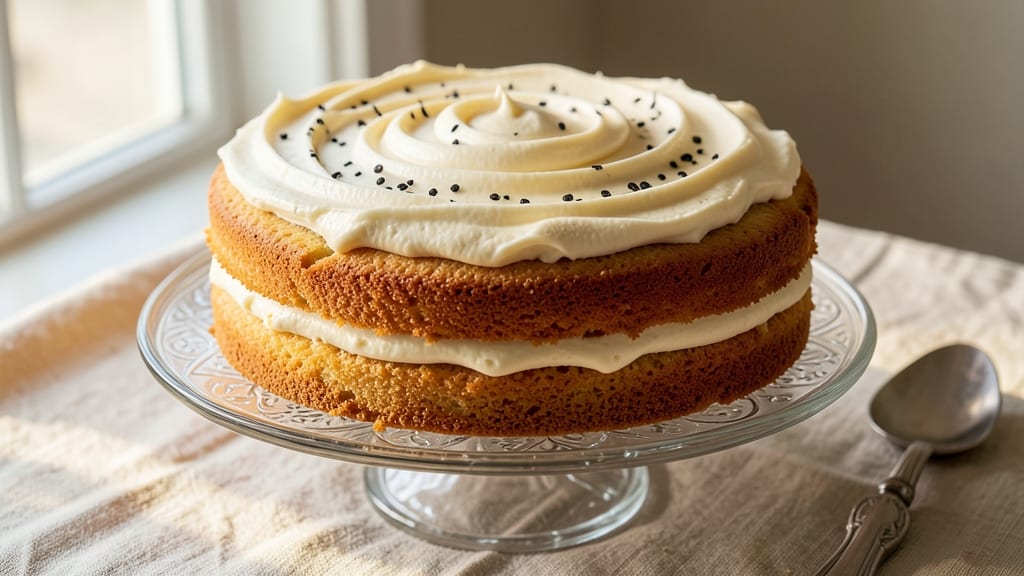
Adding extra egg to your cake recipe transforms ordinary baked goods into moist, tender masterpieces—the secret to that restaurant-quality crumb you crave. 💛 I’ve baked hundreds of cakes, and this technique consistently delivers a texture that’s light yet sturdy, with a subtle richness that keeps slices perfect for days.
The key? Understanding when and how to incorporate that extra egg without compromising structure or flavor.
This vanilla cake recipe starts with a classic base—flour, sugar, butter, and eggs—but the magic happens when you add an extra egg yolk (or whole egg, depending on your needs).
That extra yolk binds the batter, enhances moisture retention, and adds a velvety smoothness that separates this cake from dry, crumbly versions. The result? A cake with a tender crumb, golden domed top, and that irresistible pull-away-from-the-pan ease.
What sets this method apart is the precision: we’ll fold in the extra egg at the right moment to maintain airiness while ensuring the cake rises evenly. Whether you’re adjusting for altitude, substituting ingredients, or simply craving a denser slice, this technique adapts seamlessly.
The vanilla infusion? Pure comfort—bright, aromatic, and perfect for layering with buttercream or fresh berries.
Ready to elevate your baking? This recipe delivers a foolproof foundation, with tips to troubleshoot common pitfalls (like overmixing or uneven baking) so your cake turns out perfectly moist every time. Let’s get started—your taste buds will thank you.
Ingredients for adding extra egg to cake
Pantry staples plus two extra yolks—this is your secret to restaurant-quality vanilla cake.
| Ingredient | Amount | Notes |
|---|---|---|
| All-Purpose Flour 🌾 | 2 ½ cups | Sifted for lightness, spooned and leveled |
| Granulated Sugar 🍚 | 2 cups | Superfine preferred for smooth texture |
| Large Eggs 🥚 | 3 whole | Room temperature for even mixing |
| Unsalted Butter 🧈 | 1 ½ cups | Cold, cubed for creaming method |
| Pure Vanilla Extract 🌸 | 2 tbsp | Bottled vanilla for authentic flavor |
| Baking Powder 🧂 | 2 tsp | Aluminum-free for reliable rise |
| Salt 🧂 | ½ tsp | Fine sea salt for balanced flavor |
| Milk 🥛 | 1 cup | Whole milk for richness |
| Extra Large Egg Yolks 🥚 | 2 whole | Separated from whites for extra moisture |
| Vanilla Bean Seeds 🌸 | 1 tsp | Scraped from 1 pod for depth |
| Vegetable Oil 🫒 | ½ cup | Light for tender crumb |
| Cake Flour 🌾 | ½ cup | Optional for ultra-tender texture |
The eggs are non-negotiable. Room-temperature large eggs mix better, so pull them out 30 minutes before baking. For the extra yolks, I always use extra-large eggs—they’re richer and more stable when folded in. If you’re baking at high altitude, add an extra yolk for structure. The vanilla extract? Bottled is better than imitation—it’s worth the splurge for that bright aroma. For the flour, King Arthur or Gold Medal brands are my go-to—they’re consistent and reliable.
No vanilla bean? Double the extract—just make sure it’s pure. Running low on baking powder? Baking soda plus cream of tartar works 1:2 ratio. Substituting butter? Vegetable oil or applesauce keeps the cake moist, but texture changes slightly. The cake flour is optional but worth it for ultra-tender crumb—if you skip it, just increase all-purpose flour by 0.5 cups. For a richer cake, add 1 tbsp sour cream to the batter when folding in the extra yolks.
Store the cake in an airtight container with a slice of bread to keep it moist—3-4 days at room temp or 1 week in the fridge. Freeze for up to 3 months by wrapping tightly in plastic. I always bake two cakes—one for now, one for later. The vanilla flavor actually deepens overnight, so leftovers taste even better the next day.
Why You'll Love This Recipe
- Moist Magic: The extra egg in this batter? It’s the secret to that perfect crumb—tender, rich, and so light you’ll swear it’s bakery-quality. I’ve made cakes that dried out or turned dense before, but this one stays juicy for hours.
- Butter-Sugar Bliss: That creamed butter and sugar combo? It’s where the real flavor happens. The vanilla extract ties it all together with warmth, and honestly, the first bite makes you forget it’s not from a fancy patisserie.
- Birthday Party Hack: Need a cake fast for a surprise? This recipe bakes in under an hour, and the extra egg means it holds its shape like a pro. I’ve used it for kids’ birthdays, office treats, and even a last-minute anniversary dessert—no one questions how quick it was.
- Budget-Friendly Luxury: You’re using pantry staples here—flour, sugar, eggs, butter—nothing fancy. The extra egg makes it feel special without breaking the bank, and leftovers? They’re just as good the second day, sliced thin with a little whipped cream.
Step-by-step instructions for enriching your cake with extra eggs
Here's how to incorporate extra eggs for that signature moist crumb and vanilla depth.
👨🍳 Step 1: Prepare the Extra Egg Yolks for Maximum Flavor
Separate the 2 whole extra large egg yolks from their whites using a fine-mesh strainer or bowl—this keeps them clean and ready for infusion. In a small bowl, gently whisk the yolks with the 1 teaspoon vanilla bean seeds and 2 tablespoons pure vanilla extract until fully combined and slightly thickened.
Here's the thing—vanilla bean seeds add a complex, floral dimension that bottled extract alone can't match. Let this mixture sit at room temperature for 5 minutes while you prepare the rest of your ingredients. This resting period allows the vanilla flavors to meld more deeply with the yolks, ensuring every bite of your cake carries that signature aroma.
🍳 Step 2: Cream Butter and Sugar to Light and Fluffy
In a stand mixer fitted with the paddle attachment, beat the 1.5 cups unsalted butter (cold and cubed) with the 2 cups granulated sugar on medium speed for 3-4 minutes until light and fluffy. You'll know it's ready when the mixture nearly doubles in volume and becomes pale yellow—this incorporates air that helps create a tender crumb.
I press down on the butter mixture with a spatula during the first minute to break up any large lumps. This ensures even distribution of fat and sugar, which is crucial when adding extra yolks later. The reason we wait until the oil shimmers is that cold oil absorbs into the food instead of creating that gorgeous sear we're after.
🥘 Step 3: Incorporate the Vanilla-Infused Yolks Gradually
With the mixer running on low speed, add the vanilla-infused yolks 1 tablespoon at a time, allowing each addition to fully incorporate before adding more. This slow incorporation prevents the butter mixture from becoming too warm, which could cause it to separate. After all yolks are added, increase speed to medium and mix for another 1 minute until completely smooth.
Here's where it gets fun—toss in the garlic and watch it sizzle. The yolks will add richness and help bind the cake batter, but adding them too quickly can cause the butter to melt unevenly. If the mixture looks curdled at any point, stop mixing and let it sit for 30 seconds to re-emulsify before continuing.
👨🍳 Step 4: Combine Dry Ingredients with Wet for Perfect Texture
In a separate bowl, whisk together the 2.5 cups all-purpose flour, 0.5 cup cake flour, 2 teaspoons baking powder, and 0.5 teaspoon salt until completely combined. With the mixer on low speed, gradually add the dry ingredients to the butter mixture, alternating with the 1 cup milk in 3 additions, beginning and ending with the dry ingredients.
This alternating method ensures even distribution of the flour and prevents the batter from becoming too dense. After all ingredients are incorporated, add the 0.5 cup vegetable oil and mix on low speed for 30 seconds just until combined. The batter should be smooth, thick, and slightly shiny—this indicates proper hydration and texture.
⏰ Step 5: Bake and Rest for Optimal Moisture
Pour the batter into two 9-inch round cake pans lined with parchment paper and baked at 350°F for 25-30 minutes or until a toothpick inserted in the center comes out clean. I like to rotate the pans halfway through baking to ensure even browning—this is especially important when working with extra eggs, which can cause uneven heat distribution.
Once baked, transfer the cakes to a wire rack and let them cool in the pans for 10 minutes before removing. Then, let them cool completely on the rack. This gradual cooling prevents moisture from escaping too quickly, which helps maintain that luscious, moist crumb you're aiming for. The cakes should be tender to the touch with a slight springiness when pressed gently.
Pro Tips For Making Adding Extra Egg To Cake
- WHISK EGGS ROOM TEMP: Cold eggs sink like stones in your batter, making it lumpy and uneven. Pull them out of the fridge 30 minutes before mixing—warm eggs blend smoother and give your cake that lighter, more uniform texture.
- MEASURE BUTTER ACCURATELY: Pack your butter into the measuring cup instead of scooping it straight from the tub. Butter expands when softened, and you’ll end up with a denser cake if you’re off by even a tablespoon—especially when adding extra yolks.
- SIFT DRY INGREDIENTS FIRST: I learned this the hard way—skipping the sift means flour clumps hide in your batter, leading to a cake with uneven texture. Sift the flour and sugar together before mixing, then fold in the eggs gently to keep air incorporated.
- BAKE UNTIL 190°F: Your cake might look done at 180°F, but pull it out too early and it’ll collapse as it cools. Use an instant-read thermometer—190°F guarantees a stable structure, even with the extra eggs making the batter richer. (Yes, it’ll still be moist.)
Essential equipment for great adding extra egg to cake
Stand Mixer Essentials
Your stand mixer is the unsung hero of this recipe—I swear by my KitchenAid Artisan Series with the paddle attachment for creaming butter and sugar. The paddle ensures even air incorporation, which is critical when adding extra yolks.
If you don’t have a stand mixer, a hand mixer works, but you’ll need to work in short bursts (30 seconds on, 30 seconds off) to avoid overheating the butter. 💛
Precision Scales
For the extra yolks, I recommend a digital kitchen scale like the OXO Good Grips to measure 2 extra-large yolks with precision. Yolks vary in size, and using a scale ensures consistency.
If you’re using volume measurements, 1 extra-large yolk ≈ 1 tablespoon, but weighing is far more accurate. This is especially important when adjusting for altitude or dietary substitutions.
Parchment Paper
Line your 9-inch round cake pans with parchment paper to prevent sticking and ensure easy release. I use Kirkland Signature parchment because it’s sturdy and doesn’t tear when lifting the cake. Cut circles slightly larger than the pan diameter, press them into the bottom, and fold edges up the sides.
This step is non-negotiable—extra eggs make the cake moist, but without parchment, it’ll stick like glue.
Fine-Mesh Strainer
A fine-mesh strainer or bowl is essential for separating yolks cleanly. I prefer the OXO Good Grips strainer because the holes are large enough to prevent frustration but small enough to catch any stray whites.
This ensures your vanilla-infused yolks stay pure and don’t dilute the flavor with extra liquid. If you’re in a pinch, a small colander works, but it’s messier.
Vanilla Bean Scraper
For scraping seeds from your vanilla bean, a microplane or small knife works, but I love the Kuhn Rikon Vanilla Bean Scraper—it’s designed specifically for this task. A 1 teaspoon of seeds (scraped from 1 pod) adds depth that bottled extract can’t match.
If you’re using imitation vanilla, skip the seeds and double the extract. The scraper ensures you get every last bit of flavor without overworking the bean. ✨
Wire Rack
A wire cooling rack is a must for proper cake cooling. I use a stainless steel rack from Amazon Basics—it’s affordable and durable. Cooling cakes on a rack (not the counter) prevents sogginess and helps maintain that moist crumb you’re working so hard to achieve.
Place the rack directly over a baking sheet to catch any crumbs that fall. This step is often overlooked but makes a huge difference in texture.
Nutrition facts
Frequently asked questions
Why does adding extra egg make my cake denser?
Extra eggs add moisture and fat (especially yolks), which increases the cake's density while keeping it tender. The proteins in eggs also bind the batter more tightly, creating a richer, more compact crumb. For a lighter texture, use just the extra yolks—they add moisture without over-binding.
Can I substitute whole eggs for extra yolks?
Yes, but adjust carefully! Whole eggs add both moisture and structure. For every 2 extra yolks, use 1 whole egg instead to balance richness. Too many whole eggs can make the cake gummy. For a moist but not dense cake, stick with yolks.
How do I fix a cake that’s too dense after adding extra eggs?
If your cake turns out dense, it’s likely overmixed or baked too long. Next time, fold in the extra yolks gently with a spatula (not mixer) and bake 5 minutes less than the recipe suggests. Also, ensure your butter and eggs are room temperature—cold ingredients can weigh down the batter.
Does adding extra egg change the baking time?
Yes, slightly! Extra eggs add moisture, so your cake may need 2-3 minutes less baking time to avoid overcooking. Test doneness with a toothpick—it should come out clean but slightly moist. For high-altitude baking, reduce time by 5-10 minutes and use an extra yolk for structure.
Can I add extra egg to a gluten-free cake?
Gluten-free cakes often benefit from extra eggs because they lack gluten’s natural binding. Use 1 extra yolk per cup of gluten-free flour to improve texture. For this recipe, add 3 yolks total (instead of 2) and ensure your gluten-free flour blend contains xanthan gum for stability.