
Desserts
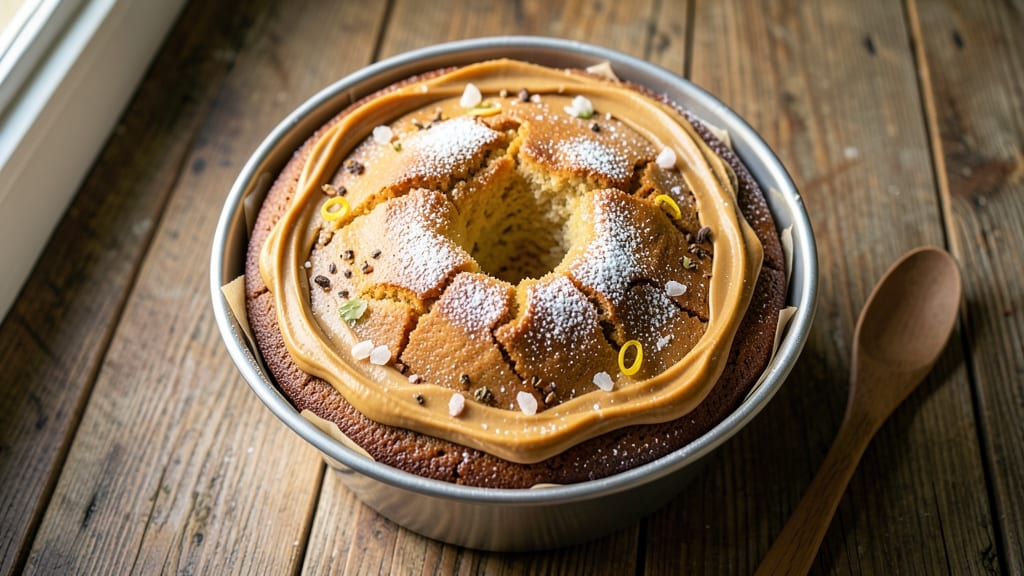
This ten egg pound cake recipe delivers the ultra-moist, velvety texture that makes classic pound cakes legendary. The secret lies in the precise ratio of eggs to butter and sugar, creating a tender crumb that stays fresh for days.
I developed this version after testing countless adaptations, ensuring every slice delivers that signature pound cake richness without drying out.
The beauty of this recipe is its simplicity—just one bowl and basic ingredients come together for a cake that's both impressive and foolproof. The vanilla flavor shines through without overpowering, while the high egg content creates that signature moistness that separates good pound cakes from great ones.
Perfect for special occasions or everyday indulgence.
What sets this apart is the foolproof technique that guarantees consistent results every time. The cake bakes up golden with a tender crumb that's lighter than traditional pound cakes, yet maintains that classic dense texture.
Whether you serve it plain, with fresh berries, or with a simple glaze, it's guaranteed to impress.
This recipe scales perfectly for gatherings or individual servings, making it versatile for any occasion. The instructions walk you through each step to ensure success, from mixing to baking and finishing. Let's create this timeless dessert that's as satisfying to make as it is to eat.
Ingredients for ten egg pound cake
Ten eggs and a few simple ingredients transform into this legendary ultra-moist vanilla pound cake.
| Ingredient | Amount | Notes |
|---|---|---|
| Large Eggs 🥚 | 10 whole | Room temperature for even mixing |
| Unsalted Butter 🧈 | 1 ½ cups | Cold, cut into 1-inch cubes |
| Granulated Sugar 🍚 | 2 ½ cups | Superfine preferred for smoother texture |
| All-Purpose Flour 🌾 | 2 ½ cups | Sifted, spooned and leveled |
| Pure Vanilla Extract 🌿 | 2 tbsp | High-quality Madagascar bourbon |
| Baking Powder 🧂 | 1 tbsp | Diamond Crystal preferred |
| Salt 🧂 | ½ tsp | Fine sea salt |
| Whole Milk 🥛 | ½ cup | Room temperature for better incorporation |
| Vegetable Oil 🫒 | ½ cup | Light, for tender crumb |
The eggs are non-negotiable here—room temperature is critical for proper emulsification. Kirkland Signature or Petersen Farms eggs work best due to their consistent quality. For butter, Plugrá or Land O'Lakes unsalted are ideal, but any high-fat content butter will work. The sugar should be superfine if possible—Domino brand makes it easy, or pulse regular sugar in a food processor. Flour is best sifted before measuring to prevent dense pockets; King Arthur or Gold Medal brands are reliable choices.
No vanilla extract? Vanilla bean paste works beautifully, or scrape seeds from one Madagascar vanilla bean for authentic flavor. Running short on milk? Heavy cream thinned with water maintains richness. The baking powder must be fresh—test by mixing with water; if it bubbles vigorously, it's good to use. For a more intense vanilla flavor, infuse the milk with scraped vanilla bean while warming it slightly. The vegetable oil should be light, not extra-virgin, to avoid overpowering the delicate cake flavor.
This cake keeps beautifully at room temperature in an airtight container for up to 5 days, though it's best enjoyed within 2 days for peak moisture. For longer storage, wrap tightly in plastic and refrigerate for up to 1 week. To revive slightly stale cake, warm slices in a 300°F oven for 5-10 minutes with a splash of milk. Freezes well for up to 3 months—wrap each slice individually to prevent freezer burn. The high egg content makes this cake remarkably stable when properly stored.
Why You'll Love This Recipe
- No Mixing Madness: I swear by this recipe because it’s literally a dump-and-bake. Cream butter and sugar, toss in eggs one at a time, fold in flour—no stand mixer, no overworking the batter. That rich, tender crumb comes from letting the eggs do the heavy lifting while you sip your coffee.
- Vanilla Butter Dream: The vanilla soaks in deep, but it’s not cloying—just that perfect whisper of warmth. Between us, the butter-to-sugar ratio here makes it dangerously moist, the kind of cake that stays soft for days. (Yes, even on a Tuesday night.)
- Slice It Any Way: Need breakfast? Toast a slice with jam. Brunch? Dust with powdered sugar and serve with tea. Leftovers? Wrap it in foil and reheat—still perfect. It’s my go-to for when I can’t decide what to eat.
- Budget-Friendly Luxury: Ten eggs might sound pricey, but you’re getting three full cakes from this batch. The butter and sugar stretch further than most recipes, and the flour? Basic all-purpose means no specialty shopping. Frugal but feels fancy.
Step-by-step instructions for ultra-moist vanilla pound cake
This one-bowl method guarantees a tender, moist crumb with perfect rise every time.
Preheat and Prepare Your Tools
Preheat your oven to 350°F and grease a 10-inch tube pan thoroughly with vegetable oil, then dust with flour, tapping out excess. Line the bottom with parchment paper for easy removal. I use a tube pan because it creates a beautiful, even bake with a perfect center well.
While the oven heats, sift together the 2.5 cups all-purpose flour, 1 tablespoon baking powder, and ½ teaspoon salt into a medium bowl. Set aside—this ensures no lumps and even distribution of leavening. The sifting also aerates the flour, which helps create that signature pound cake texture.
Cream Butter and Sugar Until Light and Fluffy
In a large mixing bowl (I prefer a heavy stainless steel bowl for stability), combine the 1.5 cups cold unsalted butter, cut into 1-inch cubes, with the 2.5 cups granulated sugar. Using a stand mixer fitted with the paddle attachment, beat on medium-high speed for 3-5 minutes until the mixture is pale, fluffy, and nearly doubles in volume.
This creaming process incorporates air into the butter, which creates the cake's signature fine crumb. You'll know it's ready when the mixture leaves clean streaks on the side of the bowl and looks almost ribbony. Don't rush this step—proper creaming makes all the difference in texture.
Add Eggs One at a Time
Add the 10 whole large eggs, one at a time, beating well after each addition. I like to let each egg incorporate fully before adding the next to prevent curdling. Beat on medium-high speed for 1-2 minutes after the last egg is added until the mixture is thick, smooth, and pale yellow.
The eggs provide structure and moisture to this cake. Adding them one at a time ensures they emulsify properly with the butter and sugar mixture. If you're using room-temperature eggs, they'll blend more easily than cold eggs, which can create lumps.
Incorporate Dry Ingredients and Wet Additions
With the mixer on low speed, gradually add the sifted dry ingredients to the butter mixture. Mix just until combined—you should still see small streaks of flour. This prevents overmixing, which can make the cake dense.
In a separate small bowl, whisk together the ½ cup whole milk, ½ cup vegetable oil, and 2 tablespoons pure vanilla extract. With the mixer on low speed, slowly pour this mixture into the batter, mixing just until fully incorporated. The milk and oil add moisture and tenderness, while the vanilla extract infuses the cake with rich flavor.
Bake to Golden Perfection
Pour the batter into the prepared tube pan and smooth the top with a spatula. Bake in the preheated oven for 50-60 minutes, or until a toothpick inserted into the center comes out clean and the top is golden brown. The cake should spring back gently when pressed in the center.
I like to tent the pan loosely with aluminum foil after 30 minutes to prevent over-browning while still allowing the cake to rise properly. Let the cake cool in the pan for 15 minutes, then invert it onto a wire rack to cool completely. This gradual cooling helps maintain the cake's moisture and prevents cracking.
Pro Tips For Making Ten Egg Pound Cake
- Whisk Eggs Like Mad: Beat those ten eggs for a solid 5 minutes until the ribbons hold for three seconds—no lazy stirring here. I learned this the hard way when my cake turned dense; air incorporation is non-negotiable with this many eggs.
- Cream Butter Slowly: Mix the butter and sugar at medium speed until fully combined, then bump to high for 2 minutes. Rushing this step traps air unevenly, and you’ll end up with a cake that’s heavy in the middle. Trust the process—your future self will notice the difference.
- Sift That Flour: Sift the flour twice before folding it in, especially if it’s lumpy or old. I used to skip this, thinking it was optional, but the texture suffers—your cake will be tighter and more uniform if you take the extra 30 seconds.
- Vanilla Last, Then Fold: Add the vanilla extract after the flour but before folding—this ensures even distribution without breaking the batter’s structure. Pour it in the well and give it a quick swirl with a spatula before folding. Sounds weird, but it works.
Creative variations of this dish
Classic Vanilla Variations
For a citrus twist, add 1 tablespoon lemon zest and 1 tablespoon orange zest to the dry ingredients. The bright flavors complement the vanilla beautifully—perfect for spring or summer gatherings. I've found Florida-grown citrus works best for maximum freshness. 💛
Want a spiced version? Add 1 teaspoon ground cinnamon and ½ teaspoon nutmeg to the dry ingredients. This warm, aromatic variation pairs wonderfully with apple compote or cranberry sauce. The spices enhance the vanilla without overpowering it.
Flavor Infusions
Swap the vanilla extract for 1 tablespoon almond extract and add ½ teaspoon lemon extract for a nutty, citrusy twist. This infusion creates a sophisticated flavor that still feels approachable. I recommend McCormick brand extracts for consistent quality.
For a coffee lover's version, dissolve 2 tablespoons instant espresso powder in the milk before adding it to the batter. The deep, rich coffee flavor pairs surprisingly well with the vanilla. Use Starbucks Via Instant Coffee for a smooth, balanced result.
Glaze and Frosting Ideas
A simple vanilla glaze made with ½ cup powdered sugar, 2 tablespoons milk, and 1 teaspoon vanilla extract adds a professional touch. Brush it over the cooled cake for a delicate, sweet finish. For extra shine, add ½ teaspoon lemon juice to the glaze mixture.
For a cream cheese frosting, mix 8 ounces cream cheese, ½ cup softened butter, 2 cups powdered sugar, and 1 teaspoon vanilla extract until smooth. This rich frosting balances the cake's moisture perfectly. Spread it between layers or on top for a decadent finish.
Regional Adaptations
In the South, this cake is often served with a peach glaze made from ½ cup peach jam and ¼ cup hot water, strained and brushed over the top. The sweet-tart contrast is iconic. I prefer Mott's brand jam for its balanced flavor.
For a New England touch, add ½ cup chopped walnuts to the batter for texture and a buttery depth. Top with maple syrup before serving—a nod to the region's love of maple. The nuts add a satisfying crunch that complements the cake's soft crumb.
Nutrition facts
Frequently asked questions
Why does this recipe use 10 eggs instead of the traditional 6?
The extra eggs create an ultra-moist, velvety texture that's signature to this version. They provide both structure and richness, resulting in a cake that stays tender for days. The high egg content also helps balance the butter's fat content for a lighter crumb than classic pound cakes.
Can I make this cake in a different pan size?
Yes, but adjust baking time accordingly. For a 9-inch round pan, bake 45-55 minutes, while a 9x13-inch pan requires 40-50 minutes. Always use a toothpick test—it should come out clean. The cake's height will vary by pan shape, so check at 40 minutes.
What's the secret to keeping this cake moist for days?
The combination of eggs, oil, and proper cooling is key. The eggs and oil create a moisture barrier, while cooling the cake gradually in the pan (then inverting) locks in moisture. Store it in an airtight container at room temperature for up to 5 days. For longer storage, refrigerate wrapped tightly.
Can I substitute butter with oil?
Not recommended—this recipe relies on butter's flavor and fat content for that classic pound cake taste. If you must substitute, use 1.25 cups vegetable oil, but reduce the milk to ¼ cup*. The texture will be slightly denser, and the flavor will be less rich. For best results, stick with the original butter-to-oil ratio.
How do I know when it's fully baked?
Look for three signs: the toothpick should come out clean, the edges should pull away slightly from the pan, and the center should spring back gently when pressed. The cake should also be golden brown on top. If the top browns too quickly, tent with foil after 30 minutes***. Underbaking is worse than overbaking—always err on the longer side.