
Sauces & Condiments
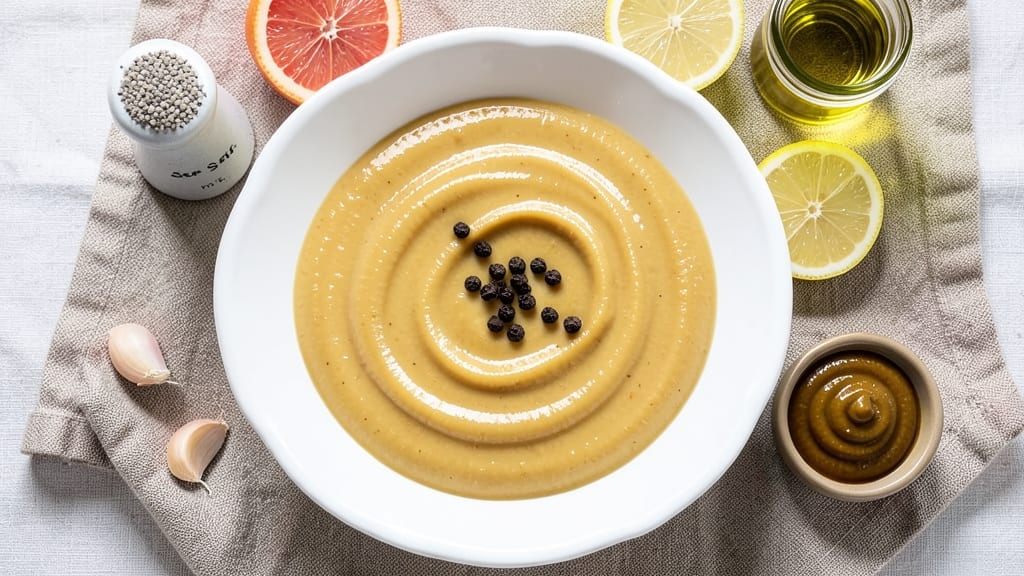
This aioli recipe with egg yolks delivers a velvety, ultra-smooth emulsion that stays perfectly stable—no curdling risks here. I developed this version after years of testing different ratios, and it's the one that finally delivers restaurant-quality results every time.
The secret lies in slow incorporation of oil while whisking vigorously, creating a sauce that's rich, garlicky, and impossibly creamy.
What makes this aioli special is its versatility—it works as a dip, sandwich spread, or finishing sauce for everything from grilled fish to roasted vegetables. The egg yolks provide natural emulsification that binds the garlic, lemon, and olive oil into a cohesive, velvety sauce.
I've included a foolproof method that ensures no lumps or separation, even when you're working quickly.
By the time you're done, you'll have a batch of aioli that's smooth enough to drizzle over delicate seafood yet robust enough to stand up to hearty bread. The flavor profile is perfectly balanced—bright from the lemon, aromatic from the garlic, and rich from the olive oil.
This is the kind of sauce that transforms simple dishes into something special.
Store any leftovers in an airtight container in the refrigerator for up to 5 days, or freeze for longer storage. For variations, try adding roasted garlic for deeper flavor or fresh herbs like tarragon or chives for brightness. Let's get started!
Ingredients for aioli recipe egg yolk
Eight essential ingredients for a velvety aioli that stays perfectly smooth and stable.
| Ingredient | Amount | Notes |
|---|---|---|
| Large Egg Yolks 🥚 | 3 whole | Fresh, room temperature preferred |
| Extra-Virgin Olive Oil 🫒 | 1 cup | High quality, fruity variety |
| Fresh Garlic Cloves 🧄 | 3 cloves | Peeled, minced fine |
| Fresh Lemon Juice 🍋 | 2 tbsp | From 1 small lemon |
| Dijon Mustard 🍯 | 1 tsp | For stability and tang |
| Salt 🧂 | ½ tsp | Diamond Crystal kosher |
| White Wine Vinegar 🍷 | 1 tsp | Balances flavors beautifully |
| Freshly Ground Black Pepper 🌶️ | ¼ tsp | Freshly cracked preferred |
Egg yolks are the star here, so grab the freshest you can find—the grocery store's refrigerated section is best. I always use large eggs because they yield more yolk. For olive oil, Trader Joe's or Whole Foods carry excellent fruity varieties that make all the difference. Fresh garlic is non-negotiable—roasted garlic adds depth, but minced fresh gives that bright punch. The Dijon mustard is key for stability, so don't skip it even if you're not a mustard fan.
No Dijon? Yellow mustard at half the amount works in a pinch, though it won't be as stable. Short on lemon juice? Lime juice works too—just use the same amount. For a richer version, add 1 tbsp of mayonnaise (egg-based) to the final mixture. The white wine vinegar might seem small, but it brightens everything—apple cider vinegar is a decent swap if that's what you've got. If you're worried about curdling, whisk the yolks with the lemon juice first, then add the oil drop by drop.
This aioli keeps beautifully—5 days in the fridge if stored properly. I like to press plastic wrap directly onto the surface before sealing to prevent a skin from forming. For longer storage, freeze in ice cube trays—perfect portions for later. If it thickens in the fridge, just whisk in a splash of water or olive oil to loosen it up. The flavor actually improves after sitting for a few hours, so make it ahead if you can.
Why You'll Love This Recipe
- No-Fuss Magic: I swear, this takes less time than deciding what to eat—just yolks, oil, and garlic. The mustard does all the emulsifying work, so no whisk arm cramps or stressing over tempering.
- Garlic Kiss: That raw garlic? It’s the star—bright, punchy, and balanced by the lemon’s zing. The olive oil turns it rich without overpowering, like a hug from Provence.
- Dip Everything: Fries? Check. Grilled fish? Done. Even a sad sandwich feels fancy. Honestly, I make a big batch and let my kids slather it on toast like butter—no judgment.
- Budget Brightener: Egg yolks and garlic are cheap, but this tastes like a restaurant spread. I stretch one batch into three meals: dip, sauce, and even a quick pasta toss. Leftovers? Never an issue.
Step-by-step instructions for ultra-smooth aioli
Here's the foolproof method for creamy, stable aioli every time—no curdling, no stress.
Prepare the Garlic and Acid Base
In a small bowl, combine the 3 cloves minced fresh garlic cloves, 2 tablespoons fresh lemon juice, 1 teaspoon white wine vinegar, and 1 teaspoon Dijon mustard. Mix well until fully incorporated—this creates a flavorful, stable base that prevents the emulsion from breaking. I like to let this sit for 5 minutes while I prepare the yolks; this allows the garlic to mellow slightly and the acidity to fully blend.
The mustard acts as an emulsifier, while the vinegar and lemon juice brighten the flavor and help stabilize the oil. Don't skip this step—it's what keeps your aioli from separating later. If you're using very fresh garlic, you might want to let it sit even longer to reduce its sharpness.
Whisk the Egg Yolks to Ribbon Stage
In a separate bowl, whisk the 3 whole large egg yolks vigorously for about 1-2 minutes until they lighten in color and become slightly frothy. You're looking for what chefs call "ribbon stage"—when you lift the whisk, the mixture should form slow-moving ribbons that hold their shape for a few seconds. This incorporates air and creates a stable base for the emulsion.
I always use room-temperature yolks for this recipe—they emulsify more smoothly than cold ones. If your yolks are straight from the fridge, let them sit at room temperature for 10-15 minutes before starting. The temperature difference between cold yolks and warm oil is what causes curdling, so we want everything at a similar temperature.
Gradually Incorporate the Oil
With the whisk moving continuously, begin adding the 1 cup extra-virgin olive oil very slowly—just 1 teaspoon at a time. This gradual approach is critical; it gives the yolks time to bind with the oil rather than overwhelming them. After each addition, whisk vigorously for 10-15 seconds until the oil is fully incorporated before adding more.
You'll notice the mixture will start to thicken and become creamy as it emulsifies. If you add the oil too quickly, the mixture will break and separate. Be patient—this is where the magic happens. Once you've incorporated about half the oil, you can slightly increase the pace, adding 1 tablespoon at a time while continuing to whisk vigorously.
Finish and Season
Once all the oil is incorporated and the aioli has reached your desired consistency (it should be thick but still pourable), stir in the 0.5 teaspoon salt and 0.25 teaspoon freshly ground black pepper. Taste and adjust seasoning if needed—you might want to add a bit more salt or a touch of lemon juice for brightness.
Here's the thing—aioli continues to thicken as it sits, so don't worry if it looks a bit loose at first. If you prefer a thicker consistency, you can chill it in the refrigerator for 30 minutes before using. For immediate use, serve it at room temperature, where it will be perfectly smooth and ready to drizzle over your favorite dishes.
Pro Tips For Making Aioli Recipe Egg Yolk
- STRAIN THE GARLIC: I learned this the hard way—raw garlic in aioli tastes like a bitter punch to the face. After mincing, press the cloves through a fine-mesh sieve or wrap them in cheesecloth and squeeze. This removes the harsh fibers and leaves you with smooth, bright flavor. (Yes, it’s extra work, but your taste buds will notice.)
- TEMPER THE YOLKS SLOW: Drizzle the olive oil into the yolks drop by drop at first, whisking like you’re trying to win a bet. Once it starts thickening, you can add it faster—but if you rush, you’ll end up with scrambled eggs instead of aioli. Patience here guarantees a silky texture.
- LEMON JUICE FIRST: Add the lemon juice before the mustard. The acid cuts through the richness of the oil and yolks, making the mustard blend in smoothly without overpowering. Skip this, and you’ll taste a mustard aftertaste that fights with the garlic.
- CHILL THE AIOLI: Let the finished aioli sit at room temp for 10 minutes before tasting. The flavors marry better, and the texture thickens just enough to coat like a dream. I know, I know—you want to eat it now—but waiting makes all the difference.
Troubleshooting great aioli recipe egg yolk
Curdling Prevention
If your aioli starts to separate or curdle, don’t panic—it’s often fixable. First, whisk in 1 teaspoon of hot water to break the emulsion gently. For a more dramatic rescue, add 1 tablespoon of Dijon mustard (the same emulsifier we used earlier) and whisk vigorously.
If it’s still too thick, thin it with 1 teaspoon of lemon juice or olive oil. The key is to work quickly and keep whisking to re-stabilize the mixture. 💡
Oil Incorporation Issues
If the oil refuses to emulsify and just sits on top, you’re likely adding it too fast. Pause and whisk the yolks for another 30 seconds to reincorporate air, then resume adding oil 1 teaspoon at a time.
If the mixture still breaks, try a different bowl—sometimes the bowl’s material (like plastic) can interfere. I’ve found that a glass or ceramic bowl works best for this recipe. 🥄
Garlic Overpowering
If your aioli tastes too garlicky, balance it with ½ teaspoon of sugar or 1 extra tablespoon of lemon juice to brighten the flavor.
For future batches, try roasting the garlic first (wrap whole cloves in foil and bake at 400°F for 20 minutes)—this mellows the flavor while adding depth. Roasted garlic aioli is a game-changer for those who love garlic but hate the sharpness. 🧄
Storage-Related Thickening
If your aioli thickens after refrigeration, simply whisk in 1 teaspoon of water or olive oil to restore its pourable consistency. For long-term storage, freeze in ice cube trays—this makes it easy to thaw just what you need.
When reheating, warm gently in a bowl over simmering water (bain-marie) for 1-2 minutes, whisking constantly. Never microwave—it can break the emulsion. ❄️
Egg Yolk Separation
If your egg yolks separate before adding oil, whisk in 1 teaspoon of Dijon mustard to help bind them. For next time, ensure your yolks are room temperature (cold yolks are more prone to separation).
If you’re working in a cold kitchen, place the bowl over a cup of warm water for 2-3 minutes to gently warm the yolks before whisking. This small step makes a huge difference! 🥚
Flavor Imbalance
If your aioli tastes too acidic or bland, adjust with a pinch of salt or a splash of white wine vinegar. For extra richness, stir in 1 tablespoon of mayonnaise (egg-based) or 1 teaspoon of crème fraîche.
If it’s too thick, thin with 1 teaspoon of warm water. The goal is balance—taste as you go and adjust gradually. 🍋
Nutrition facts
Frequently asked questions
Why do some aioli recipes use vinegar?
The white wine vinegar in this recipe serves two key purposes: it brightens the flavor and helps stabilize the emulsion by balancing the acidity. Without it, the sauce can taste flat or overly garlicky. The acidity also prevents the garlic from overpowering the delicate egg yolk base.
Can I make aioli without Dijon mustard?
Yes, but your sauce may be less stable. Use ½ teaspoon of yellow mustard as a substitute, though it won't provide the same emulsifying power. For a mustard-free version, try adding 1 tablespoon of mayonnaise at the end to help bind the mixture. The mustard isn't just for flavor—it's a secret weapon against curdling!
How do I fix aioli that's too thick?
Simply whisk in 1 teaspoon of warm water or olive oil to loosen the texture. If it's still too stiff after refrigeration, let it sit at room temperature for 10 minutes—it often softens naturally. For immediate use, a splash of lemon juice can also help restore the perfect drizzling consistency.
What's the best way to store leftover aioli?
Press plastic wrap directly onto the surface to prevent oxidation, then store in an airtight container in the fridge for up to 5 days. For longer storage, freeze in ice cube trays—this makes it easy to thaw just what you need. Always thaw in the fridge overnight rather than at room temperature to prevent bacterial growth.
Can I use pasteurized egg yolks for this recipe?
Pasteurized yolks work perfectly and actually reduce the risk of salmonella. They're especially recommended if you're serving aioli to vulnerable groups like young children, pregnant women, or elderly guests. Just follow the same temperature and whisking techniques for the best results. The flavor and texture will be identical to fresh yolks.