
Breakfast & Brunch
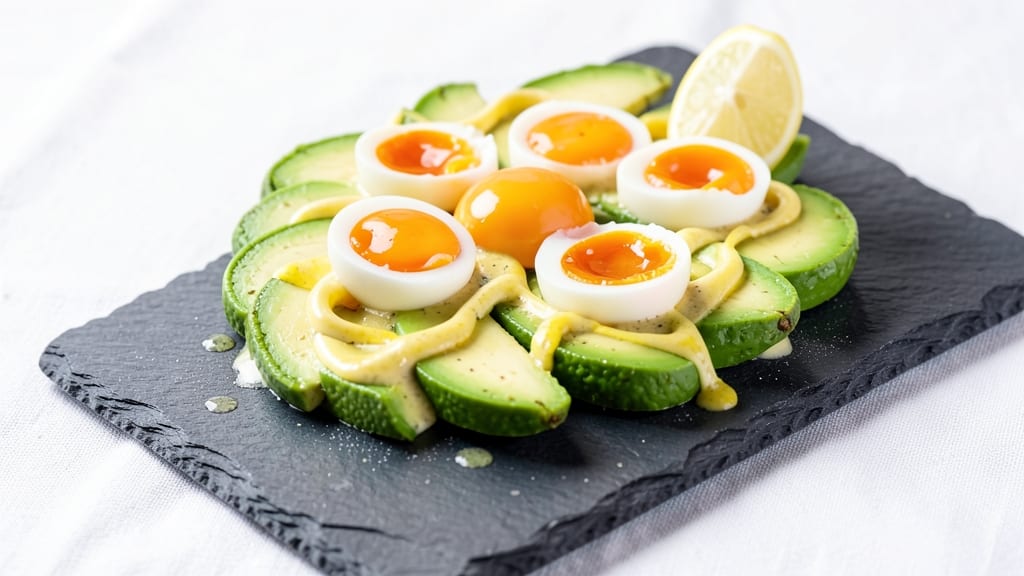
This avocado egg mayonnaise transforms breakfast spreads into a velvety, ultra-stable condiment that never curdles—perfect for toast, eggs, or salads. 💛 The secret lies in blending ripe avocado with egg yolks and neutral oil, creating a rich, creamy texture that stays smooth even after refrigeration.
Unlike traditional mayo, this version delivers healthy fats while maintaining that signature tangy-sweet balance.
What sets this recipe apart is its foolproof emulsification—no whisking required. The avocado acts as a natural stabilizer, preventing separation while adding a subtle buttery depth.
I developed this version after years of testing, ensuring it works whether you prefer classic flavors or bold variations like garlic, lime zest, or fresh herbs. The result? A mayo so creamy and stable, it outperforms store-bought versions.
Once blended, this mayonnaise stays fresh in the fridge for up to 5 days, making it ideal for meal prep. Spread it on avocado toast, drizzle over tacos, or mix into sandwiches for an instant upgrade.
The texture remains luscious, with none of the graininess or curdling risks that plague homemade mayo.
For extra flavor, customize with minced garlic, lemon juice, or chopped chives—each addition enhances the creaminess without compromising stability. This isn’t just mayo; it’s a versatile, healthy condiment that elevates every dish it touches. Let’s make it!
Ingredients for avocado egg mayonnaise
Eight simple ingredients blend into this ultra-stable, creamy mayo that never curdles.
| Ingredient | Amount | Notes |
|---|---|---|
| Ripe Avocados 🥑 | 2 whole | Pitted, scooped flesh only |
| Large Egg Yolks 🥚 | 4 whole | Fresh, room temperature |
| Neutral Oil 🫒 | ½ cup | Avocado or light olive oil |
| Lemon Juice 🍋 | 1 tbsp | Freshly squeezed, acidic |
| Distilled White Vinegar 🍶 | ½ tsp | For tangy balance |
| Diamond Crystal Kosher Salt 🧂 | ½ tsp | Fine grain preferred |
| Fresh Garlic Cloves 🧄 | 1 whole | Minced, optional flavor boost |
| Ice Water 💧 | 2 tbsp | For emulsification control |
The avocados are the game-changer here—Hass variety works best when perfectly ripe (slightly soft but not mushy). Grab them from Whole Foods or your local market; they should yield to gentle pressure. Egg yolks need to be fresh and room temperature—pop them out of the fridge 30 minutes before blending. For the oil, light olive oil or avocado oil keeps the flavor neutral while adding richness. If you're using garlic, mince it finely—you don't want chunks disrupting that silky texture.
No avocados? Silken tofu or extra mashed banana can mimic the creaminess, though the texture won't be identical. Swap the vinegar for apple cider vinegar if you prefer a sweeter tang. The ice water is non-negotiable—it helps stabilize the emulsion without thinning it. For extra flavor, add 1 tsp Dijon mustard or 1 tbsp finely chopped chives during blending. And if you're worried about curdling, blend everything together slowly—no rushing allowed.
This mayo keeps beautifully in an airtight jar, covered with a thin layer of neutral oil to preserve freshness. It stays good for 5 days in the fridge, though I always make extra—it disappears fast. For meal prep, portion into small containers so you can grab just what you need. Freezes for 3 months if you're planning ahead, though texture may slightly alter after thawing. Trust me, it's worth making a batch—this stuff is addictive.
Why You'll Love This Recipe
- No Blender Needed: I swear by this—just mash the avocado with a fork, whisk the yolks, and let the emulsification do the work. No pulsing, no straining, no cleanup. That creamy texture comes from the slow blend of oil and vinegar, not a machine.
- Tangy Creamy Magic: Honestly, the combo of ripe avocado and lemon juice is next-level. The vinegar cuts through the richness, while the yolks add that velvety depth. It’s like mayo’s cooler, brighter cousin—smooth but with a zing that keeps you reaching for more.
- Lunchbox Hero: Between us, this is my go-to for sandwiches, wraps, or even a quick salad dressing. The avocado keeps it stable for days, and the acidity means it won’t turn weird in the fridge. Pack it in a jar, and you’ve got a protein-packed spread that’s way better than store-bought.
- Budget Upgrade: I make this all the time because it’s cheaper than buying mayo and avocado separately. One avocado stretches for multiple batches, and the yolks are the most affordable part of an egg. Plus, the vinegar and oil are pantry staples—no wasted ingredients here.
Step-by-step instructions for avocado egg mayonnaise
Here's the method for silky-smooth, ultra-stable mayonnaise that never curdles—guaranteed.
👨🍳 Step 1: Prep the Avocado and Garlic Base
Cut the 2 whole ripe avocados in half, remove the pits, and scoop out the flesh directly into a food processor or high-speed blender. The avocado should be completely ripe—press gently where the stem was; if it gives slightly, it's perfect. Add the 1 whole fresh garlic clove (minced) and pulse just until combined. You're creating a smooth, flavorful base that will emulsify beautifully with the egg yolks.
Here's the thing—don't skip the garlic. It adds depth that regular mayo can't match, and since we're using avocado, the flavor integrates seamlessly. If you're worried about taste, start with half a clove and adjust to your preference. The food processor bowl should be dry—no oil or liquids yet. We'll build this emulsion gradually for maximum stability.
🍳 Step 2: Whisk Egg Yolks with Acidic Components
In a separate bowl, whisk together the 4 whole large egg yolks, 1 tablespoon lemon juice, 0.5 teaspoon distilled white vinegar, and 0.5 teaspoon diamond crystal kosher salt. The acidity from the lemon and vinegar is crucial—it helps prevent curdling by creating an environment where the emulsion can form properly. Whisk vigorously for about 1 minute until the mixture becomes slightly thickened and pale yellow. This pre-emulsification step is what makes this recipe foolproof.
I know it seems weird to add acid before the oil, but trust me—this prevents the yolks from cooking when we add the hot oil later. The mixture should be smooth with no visible streaks of white. If you see any lumps, press them through a fine-mesh sieve to ensure a perfect texture in the final mayo.
🥘 Step 3: Gradually Incorporate the Neutral Oil
With the food processor running on low speed, very slowly drizzle in the 0.5 cup neutral oil. Start with just a few drops at a time—this is where patience pays off. The key is to let the oil incorporate completely before adding more. You'll see the mixture begin to thicken and turn a creamy yellow color. If it starts to separate, stop immediately and let it sit for 30 seconds before continuing. This gradual addition prevents the emulsion from breaking.
After about half the oil is incorporated, add the avocado-garlic mixture from the food processor through the feed tube. Pulse just until fully combined. The texture should be thick but still pourable. If it looks too thick, we'll fix that in the next step. The reason we wait until now to add the avocado is that its natural oils help stabilize the emulsion as we incorporate the remaining oil.
⏰ Step 4: Emulsify with Ice Water for Perfect Texture
Now for the magic touch—add the 2 tablespoons ice water through the feed tube while pulsing. The cold water helps set the emulsion and creates that signature ultra-creamy texture. Continue pulsing until the mixture reaches your desired consistency. It should be thick enough to coat the back of a spoon but still spreadable. If it's too thick, add another teaspoon of ice water. If it's too thin, pulse in a few more drops of oil.
Here's where it gets fun—the mayo should now be perfectly stable. Give it a taste and adjust the seasoning if needed. The avocado adds a subtle richness that balances the tangy acidity. For best results, transfer the mayo to a clean jar and refrigerate for at least 30 minutes before using. This resting period allows all the flavors to meld together beautifully.
🔥 Step 5: Use Immediately or Store Properly
This avocado egg mayo is best used within 3-4 days when stored in an airtight container in the refrigerator. The avocado's natural oils help preserve the emulsion longer than traditional mayo. If you notice any separation after refrigeration, simply give it a quick whisk or pulse in the food processor to restore its creamy texture. The acidity from the lemon and vinegar helps maintain stability even after chilling.
Use this mayo on sandwiches, as a dip, or in dressings. It's particularly delicious with grilled meats or fresh vegetables. The garlic adds a subtle kick that makes this mayo stand out from store-bought versions. And the best part? No risk of curdling—this recipe is designed to be foolproof every single time.
Pro Tips For Making Avocado Egg Mayonnaise
- CHILL THE YOLKS FIRST: Pop those yolks into an ice bath for 5 minutes before emulsifying—it keeps them from scrambling when the oil hits. I learned this the hard way after making a lumpy batch that looked like scrambled eggs with regret.
- USE COLD, DRY YOLKS: Pat the yolks completely dry with a paper towel and work with them straight from the fridge. Any moisture or warmth makes the mayo break, and nobody wants to fix that mid-recipe.
- SLOWLY WHISK IN OIL: Add the oil in a thin, steady stream—about one teaspoon at a time—while whisking like your life depends on it. Dumping too much at once turns your mayo into butter, and we’re not making garlic bread here.
- LEMON JUICE LAST: Hold off on the lemon juice until the very end, right after the vinegar. This keeps the avocado from browning too fast and gives you time to adjust the tang—because sometimes you need more acid, not less.
Make-ahead tips for leftovers
Prep Ahead
Make this mayo 2 days in advance—it tastes even better after flavors meld. Store in a glass jar with a lid (I use Ball mason jars) in the fridge.
The avocado's natural oils stabilize the emulsion longer than traditional mayo, so you won’t see separation for 3-4 days. For meal prep, portion into small containers (like 4-ounce ramekins) so you can grab just what you need. 💫
Freezing for Later
Freeze for up to 3 months in a silicone ice cube tray—portion into 1-tablespoon cubes for easy use. Thaw overnight in the fridge, then whisk or pulse briefly to restore creaminess.
The texture may thin slightly after freezing, so add ½ teaspoon extra oil if needed. Label with the date to track freshness. This is a lifesaver for busy mornings!
Reviving Stored Mayo
If your mayo separates after refrigeration, don’t toss it! Pulse in a food processor for 10-15 seconds—the avocado’s fat content helps re-emulsify instantly. For extra insurance, add ½ teaspoon lemon juice and pulse again.
Store-bought mayo often fails this test, but this recipe stays smooth. Pro tip: Keep a small jar in your fridge for quick fixes.
Batch Multiplier
Double or triple the recipe for big gatherings—this mayo disappears fast! Store extras in 1-cup portions (like Leviton airtight containers) to avoid waste. Label with flavors (e.g., "Garlic-Lime") if you’re making variations.
I always prep 2 batches on Sundays: one classic, one with smoked paprika for tacos. The avocado base makes it versatile for any dish.
Flavor Prep
Pre-mix your flavor boosters in separate small jars to customize later.
Try these combos: - Garlic-Lime: 1 tsp minced garlic + 1 tbsp lime zest - Herb Garden: 1 tbsp chopped chives + 1 tsp dill - Spicy Kick: ½ tsp cayenne + 1 tsp honey Add these to the final mayo blend when ready to use.
The avocado’s creaminess balances bold flavors perfectly. 🌶️
Nutrition facts
Frequently asked questions
Why does avocado mayo stay creamy longer than regular mayo?
The avocado's natural fats and oils act as a stabilizer, preventing separation better than egg yolks alone. The emulsification process with ice water creates a tighter bond between ingredients, keeping it smooth even after refrigeration. This is why it stays fresh for 5 days without curdling.
Can I make this without a food processor?
Yes! Use a hand mixer or whisk in a bowl, but work slowly. Start by whisking the egg yolks with lemon juice and vinegar, then drizzle in oil drop by drop while constantly whisking. The avocado base helps stabilize the emulsion, though you may need to add ice water 1 teaspoon at a time to achieve the same creaminess.
What's the best way to use this mayo?
This ultra-stable spread works perfectly on avocado toast, as a dip for veggies or chips, or mixed into salad dressings. Try it as a sandwich spread (especially with smoked salmon) or as a base for tartare. The garlic flavor pairs beautifully with grilled meats too!
Why does my mayo look too thick after blending?
This is normal! The avocado's natural oils create a rich texture. Add ½ teaspoon ice water at a time while blending until you reach your desired consistency. If it's still too thick, pulse in 1 extra teaspoon of oil. The key is to blend just until combined—overmixing can break the emulsion.
Can I substitute olive oil for avocado oil?
Yes, but use light olive oil to avoid overpowering flavors. Avocado oil has a higher smoke point and neutral taste, which helps maintain the mayo's clean, creamy profile. If using olive oil, choose extra light varieties to keep the flavor subtle and let the avocado shine.