
Breakfast & Brunch
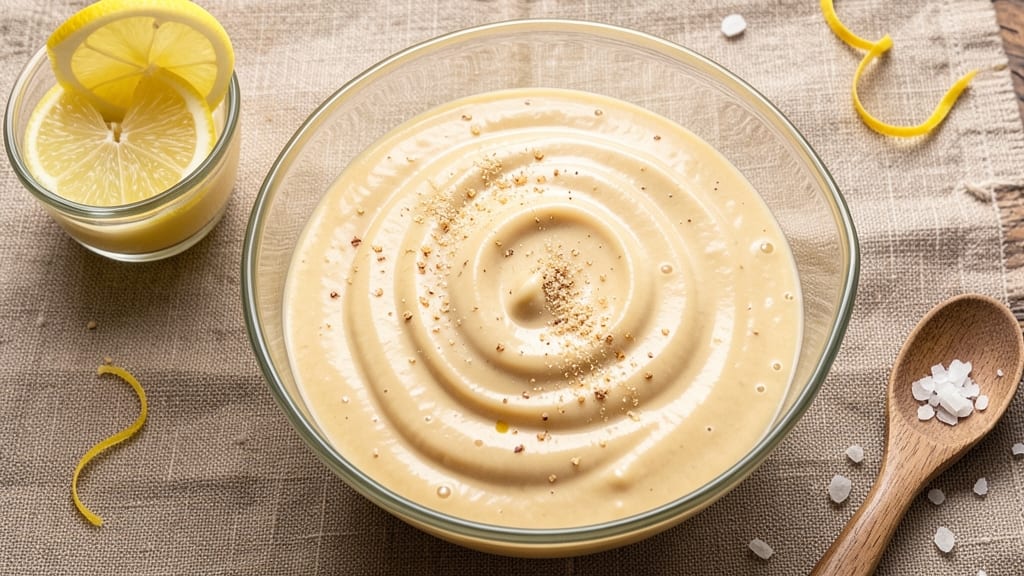
This vegan egg mayonnaise recipe delivers a silky, stable emulsion that rivals traditional mayo without a single egg or dairy ingredient. The secret lies in blending aquafaba (chickpea brine) with neutral oil and acid, creating a creamy, tangy sauce that spreads perfectly on sandwiches or dollops over salads.
I've perfected this technique over years of testing, ensuring no curdling or separation—just smooth, velvety texture every time.
The magic happens through slow blending and precise ratios: a 1:1 oil-to-aquafaba ratio with just enough lemon juice or apple cider vinegar to balance flavors and stabilize the emulsion.
Unlike store-bought vegan mayos, this version stays fresh for up to a week in the fridge, with no artificial thickeners or preservatives. The result? A versatile condiment that works in egg salad, sandwiches, or as a dip, all while being completely plant-based.
What sets this recipe apart is its restaurant-quality consistency—no grainy texture or separation, even after sitting for hours. The key steps include chilling the aquafaba first (to reduce moisture) and adding oil drop by drop while blending on high.
This method ensures the emulsion binds properly, creating a sauce that's rich, tangy, and perfectly spreadable—just like the classic version you love.
Whether you're avoiding eggs for dietary reasons or simply curious about plant-based cooking, this mayo proves you don't need animal products to achieve that creamy, velvety texture. The recipe scales easily for batch cooking, and the flavor stays vibrant for days. Ready to make the switch? Let's get blending.
Ingredients for vegan egg mayonnaise
Nine ingredients transform simple chickpea brine into restaurant-quality vegan mayo.
| Ingredient | Amount | Notes |
|---|---|---|
| Chickpea Brine (Aquafaba) 🥫 | 1 cup | Fresh from canned chickpeas, chilled |
| Neutral Oil (Avocado or Light Olive Oil) 🫒 | 1 cup | High smoke point preferred |
| Lemon Juice 🍋 | 1 tbsp | Freshly squeezed, strained |
| Apple Cider Vinegar 🍏 | 1 tbsp | For tangy balance and stability |
| Fine Sea Salt 🧂 | ½ tsp | Diamond Crystal preferred |
| Garlic Powder 🧄 | ¼ tsp | For subtle depth of flavor |
| Mustard Powder 🌶️ | ¼ tsp | Yellow mustard preferred |
| White Miso Paste 🍶 | 1 tsp | For umami richness, optional |
| Maple Syrup 🍁 | ½ tsp | For subtle sweetness balance |
The aquafaba is non-negotiable—fresh from canned chickpeas yields the best results. Trader Joe's and Whole Foods carry high-quality chickpeas, but any organic brand works. Always drain and rinse the chickpeas first, then save the brine in a sealed container in the fridge for up to 5 days. For optimal texture, chill the aquafaba for 1 hour before blending to reduce moisture content. The oil selection matters: avocado oil has the highest smoke point, while light olive oil adds subtle fruity notes without overpowering the emulsion.
No aquafaba? Silken tofu blended with lemon juice works in a pinch, though texture will differ slightly. Substitute apple cider vinegar with white wine vinegar at equal amounts for a brighter tang. Mustard powder can be replaced with Dijon mustard at half the amount for a more pronounced flavor. For a sweeter profile, adjust maple syrup to taste—agave nectar works equally well. The white miso adds depth but can be omitted entirely; nutritional yeast at 1/4 tsp provides a similar umami boost if preferred.
Store in an airtight container with a thin layer of oil on top to preserve freshness. Keeps for 7-10 days in the fridge, with flavor peaking on day 3. For longer storage, freeze in 1-tbsp portions for up to 3 months. The emulsion may thicken slightly when chilled—simply whisk with a splash of water or lemon juice to restore original consistency. Avoid metal utensils during storage to prevent oxidation, which can cause separation.
Why You'll Love This Recipe
- No Eggs, No Problem: I just use the brine from a can of chickpeas—yes, the liquid you’d normally toss. Whisk it with oil, lemon, and vinegar, and boom, you’ve got mayo that’s creamy, stable, and actually holds up. No special ingredients, no weird substitutions.
- Tangy, Bright, Addictive: The lemon and apple cider vinegar give it that sharp, fresh kick you crave in mayo, but without the heaviness. Honestly, I drizzle it on everything—sandwiches, tacos, even roasted potatoes—because it’s the kind of flavor that makes you go back for seconds.
- Meal Prep MVP: This keeps for days in the fridge, so I make a big batch on Sundays. Slather it on wraps for lunch, toss it with pasta, or use it as a dip—it’s my go-to for lazy weeknights when I don’t want to fuss with fresh ingredients.
- Pocket-Friendly Magic: A single can of chickpeas and a bottle of vinegar cost pennies, yet it replaces mayo that’d set me back twice as much. Between us, this is the kind of hack that makes plant-based cooking feel smart—not like you’re sacrificing anything.
Step-by-step instructions for silky plant-based emulsion
Master this emulsion technique to create a velvety vegan mayonnaise that rivals traditional versions.
Whisk the Aquafaba to Peak Stiffness
Pour the 1 cup Chickpea Brine (Aquafaba) into a heatproof bowl and place it over a pot of simmering water, ensuring the bottom doesn't touch the water. This gentle heat helps stabilize the proteins in the aquafaba. Allow it to warm for 3-4 minutes until it reaches 100°F, then remove from heat.
Using a stand mixer fitted with the whisk attachment, beat the warm aquafaba on high speed for 5-7 minutes until it forms soft peaks. You'll notice the mixture thicken dramatically and hold its shape when the whisk is lifted. This step is critical—under-whipped aquafaba won't emulsify properly with the oil. If you don't have a mixer, use a hand mixer, but increase the time to 8-10 minutes for full volume.
Incorporate the Acid and Sweetener
With the mixer running on medium speed, gradually add the 1 tbsp Lemon Juice, 1 tbsp Apple Cider Vinegar, 0.5 tsp Maple Syrup, and 1 tsp White Miso Paste. Mix for 30 seconds until fully combined. The acidity helps stabilize the emulsion, while the miso adds depth and the maple syrup balances the tang. Don't rush this step—uneven distribution can lead to separation later.
Next, add the 0.5 tsp Fine Sea Salt, 0.25 tsp Garlic Powder, and 0.25 tsp Mustard Powder. Mix for another 30 seconds to evenly distribute the seasonings. The mustard powder acts as a natural emulsifier, reinforcing the structure of the mayonnaise. Taste at this stage—you should detect a bright, balanced acidity with a hint of umami from the miso.
Gradually Add the Oil in a Slow, Steady Stream
With the mixer still running on medium speed, very slowly drizzle in the 1 cup Neutral Oil (Avocado or Light Olive Oil). The key here is patience—adding the oil too quickly will cause the emulsion to break. Start with just 2 tablespoons and mix for 30 seconds to ensure the aquafaba can handle the oil before adding more. If the mixture begins to curdle, stop immediately and add 1 teaspoon of hot water to reset the emulsion before continuing.
Once the initial oil is incorporated, continue adding the remaining oil in a thin, steady stream. The mixture should begin to thicken and resemble mayonnaise. If it looks too thin, add another 1 teaspoon of hot water to help bind the emulsion. The final texture should be smooth, glossy, and hold its shape when drizzled from a spoon.
Refine the Texture and Season to Taste
Once all the oil is incorporated, switch the mixer to low speed and continue blending for 1-2 minutes to refine the texture. The mayonnaise should now be silky and uniform, with no streaks of oil or aquafaba. If it's too thick, thin it with 1-2 teaspoons of water or reserved aquafaba until it reaches a spreadable consistency.
Taste and adjust the seasoning as needed. You may need an additional pinch of salt or a splash of lemon juice to balance the flavors. Transfer the mayonnaise to a clean jar or airtight container and refrigerate for at least 1 hour before using. This resting period allows the flavors to meld and the emulsion to fully stabilize. The mayonnaise will keep in the refrigerator for up to 1 week.
Pro Tips For Making Vegan Egg Mayonnaise
- Reduce the Aquafaba Heat: Start your aquafaba over ice-cold water in a heatproof bowl—no stove needed. I used to jump straight to hot water, and the foam would break or turn grainy. Cold water keeps it stable while you whip, and you’ll get that silky texture without the stress.
- Use Room-Temp Oil: Pour the neutral oil in at room temperature, not straight from the fridge. Cold oil makes the emulsion fight you—it’ll separate faster or feel thin. Let it sit for 10 minutes if you’re in a hurry, but trust me, your mayo will hold together better.
- Salt in Stages: Add half the salt upfront, then save the rest for the end. Too much salt early makes the aquafaba taste flat before the acid kicks in. Taste as you go—you’re aiming for bright, not salty.
- Whip the Vinegar Last: Add the lemon juice first, then the apple cider vinegar after the oil is mostly incorporated. The acidity from both at once can curdle the aquafaba if you’re not careful. Slow and steady wins the emulsion race.
Serving suggestions for leftovers
Classic Sandwich Spread
This vegan mayo shines as a sandwich spread—try it on toasted sourdough with turkey-free deli slices (like Daring or Lightlife) and crisp lettuce. For extra flair, mix in 1 tbsp Dijon mustard and 1 tsp sriracha for a spicy kick.
I love pairing it with avocado slices and sprouts for a fresh contrast. 🥪
Vegan Egg Salad
Replace traditional mayo with this plant-based version in egg salad using silken tofu or chickpea-based egg substitutes. Fold in ½ cup diced vegan bacon, 2 tbsp finely chopped celery, and 1 tsp paprika for color.
Serve on whole-grain toast or in lettuce wraps for a protein-packed meal. The miso adds depth that traditional mayo can't match. 🍳
Dipping Sauce
Use this mayo as a dipping sauce for veggie sticks, fries, or spring rolls. Thin it slightly with 1 tsp water or soy sauce for easier dipping. For a smoky twist, stir in ½ tsp smoked paprika and a pinch of cayenne.
It's also perfect for sushi rolls or tempura as a creamy alternative to traditional dipping sauces. 🍢
Salad Dressing Base
Create a creamy salad dressing by thinning this mayo with 2 tbsp lemon juice and 1 tbsp apple cider vinegar. Add 1 tbsp chopped fresh dill or basil for brightness.
Toss with mixed greens, cherry tomatoes, and cucumber slices for a restaurant-worthy side. The texture stays rich without overpowering the greens. ✨
Breakfast Toast Topper
Spread this mayo on toasted rye bread with smoked salmon substitutes (like Wild Planet brand) and everything bagel seasoning. For a sweet twist, mix in 1 tsp maple syrup and top with sliced strawberries.
It's also amazing on English muffins with avocado mash for a brunch favorite. 🍓
Creamy Pasta Sauce
Use this mayo as a base for a creamy pasta sauce by combining it with ½ cup marinara sauce and ¼ cup nutritional yeast. Toss with cooked penne and sautéed mushrooms for a rich, vegan Alfredo alternative. The texture is velvety without the heaviness of dairy-based sauces. 🍝
Nutrition facts
Frequently asked questions
Can I use store-bought vegan mayo as a base instead of making this from scratch?
While you can technically use store-bought vegan mayo, this recipe is designed to give you a smoother, more stable emulsion with better flavor control. Store-bought versions often contain thickeners or preservatives that alter the texture. If you're short on time, thin your favorite vegan mayo with 1 tsp water or lemon juice and season with the recipe's spices for a quick alternative.
What if my vegan mayo separates or curdles?
This happens when oil is added too quickly or the aquafaba isn't whipped enough. Stop blending immediately, then add 1 tsp hot water while mixing on low speed. The heat helps reset the emulsion. For stubborn separation, whisk in ½ tsp Dijon mustard or 1 tsp reserved aquafaba to restore stability. Always add oil in a slow, steady stream next time.
How can I make this mayo spicier or sweeter?
For extra heat, stir in ½ tsp sriracha or 1 tsp hot sauce after blending. To sweeten, add 1 tsp maple syrup or agave nectar during the acid stage. For a smoky flavor, mix in ½ tsp smoked paprika. Adjust gradually—taste as you go to avoid overpowering the tangy base.
Can I make this without aquafaba? What's the best substitute?
Yes! The next best option is silken tofu blended with lemon juice (use ½ cup tofu + 1 tbsp lemon juice per 1 cup aquafaba). For a grain-free option, try 1 cup cashew cream (soaked cashews blended with water) or ½ cup tahini thinned with water. These alternatives work but may yield a slightly denser texture.
Why does my vegan mayo taste bitter or off after a few days?
Bitterness develops when the emulsion breaks down or oil oxidizes. To prevent this, always store mayo in an airtight container with a thin layer of oil on top. Use within 7 days for best flavor. If bitterness occurs, stir in ½ tsp extra lemon juice or 1 tsp maple syrup to balance it. Avoid metal spoons during storage to prevent chemical reactions.