
Desserts
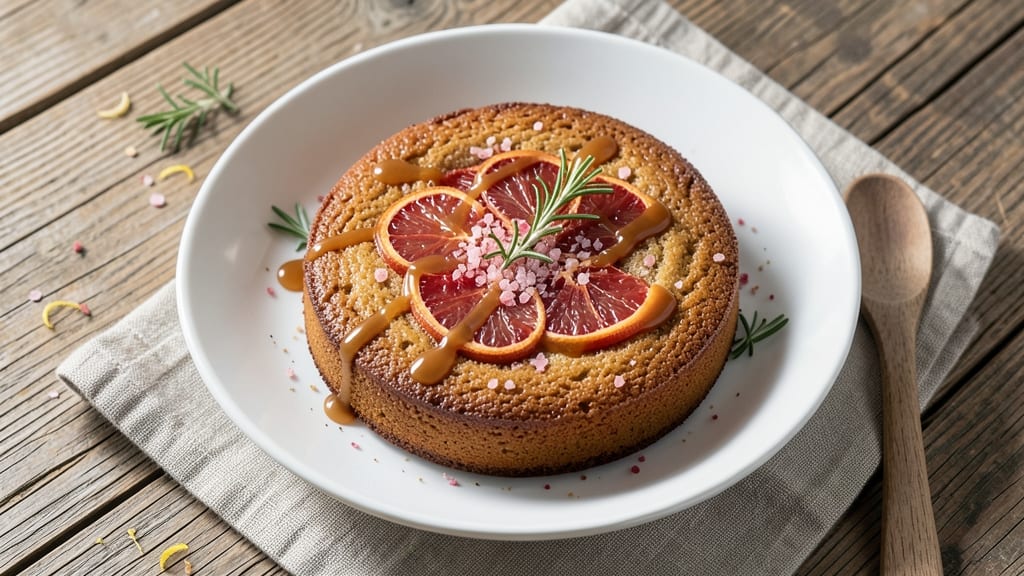
A wheat-free egg-free cake that's moist, fluffy, and completely allergy-friendly is finally possible—no compromises on flavor or texture. This recipe replaces traditional ingredients with almond flour, aquafaba (chickpea brine), and chia seeds to create a tender crumb that holds its shape without eggs or gluten.
The secret lies in proper hydration and gentle folding, ensuring every slice stays moist for hours after baking.
The foundation uses almond flour for structure while coconut sugar adds subtle caramel notes without overpowering the vanilla. A touch of apple cider vinegar reacts with baking soda for lift, just like eggs would, while aquafaba mimics the binding properties of egg whites.
No dairy means we rely on coconut oil for richness, but the result is surprisingly light—no dense, greasy texture here.
What you'll end up with is a golden, domed cake with a fine crumb that's neither crumbly nor gummy. The vanilla extract infuses deeply, and the coconut oil keeps it tender rather than dry.
This isn't just an allergy-friendly cake—it's a restaurant-quality dessert that happens to be safe for everyone at the table.
Serve warm with dairy-free whipped cream or a dusting of powdered sugar, or slice cold with fresh berries for a bright contrast. The recipe scales easily for parties, and leftovers stay moist for days when stored properly. Let's bake this cake—no dietary restrictions required.
Ingredients for wheat free egg free cake
Almond flour, aquafaba, and coconut oil form the foundation of this allergy-friendly vanilla cake.
| Ingredient | Amount | Notes |
|---|---|---|
| Almond Flour 🌰 | 1 ½ cups | Finely ground, unsweetened preferred |
| Coconut Sugar 🍯 | ¾ cup | Lightly packed, for subtle caramel notes |
| Vanilla Extract 🌸 | 1 tbsp | Pure, high-quality vanilla extract |
| Apple Cider Vinegar 🍎 | 1 tbsp | For proper chemical reaction |
| Baking Soda 🧪 | ½ tsp | Pure, aluminum-free preferred |
| Salt 🧂 | ¼ tsp | Fine sea salt for balance |
| Chia Seeds 🌱 | 1 tbsp | Whole seeds for texture |
| Aquafaba 🥜 | ½ cup | Fresh chickpea brine, no additives |
| Coconut Oil 🥥 | ½ cup | Melted, unrefined preferred |
| Unsweetened Almond Milk 🥛 | ½ cup | Room temperature for hydration |
| Xanthan Gum 🧬 | ¼ tsp | For gluten-free structure |
| Powdered Sugar 🍬 | ¼ cup | For dusting, optional |
The almond flour must be freshly ground for optimal texture—pre-ground often contains stale bits. Bob's Red Mill or Anthony's Goods brands are reliable, but check the expiration date as almond flour spoils faster than wheat flour. For the aquafaba, use fresh chickpea brine from canned chickpeas (no salt added)—the thicker the better, as it mimics egg whites perfectly. Trader Joe's often carries low-sodium chickpeas, which work well here. The coconut sugar should be lightly packed to avoid over-sweetening, and the vanilla extract must be pure—imitation extracts lack the depth needed for restaurant-quality flavor. If your kitchen lacks a fine-mesh sieve, a clean tea towel works for dusting powdered sugar.
No almond flour? Oat flour (certified gluten-free) is the closest substitute, though texture will differ slightly. Aquafaba unavailable? Flax eggs (1 tbsp ground flax + 3 tbsp water per egg) can replace the binding properties, though the cake won't be as light. The coconut oil can be swapped for avocado oil or melted coconut butter, but coconut oil's subtle flavor enhances the vanilla. For the vinegar, lemon juice works in a pinch, though apple cider vinegar's mild tang is ideal. The xanthan gum is non-negotiable for gluten-free structure—without it, the cake may crumble. If you're sensitive to coconut, avocado puree replaces the coconut oil, though it alters the flavor profile.
Store the cake in an airtight container at room temperature for up to 3 days, though it's best served fresh. For longer storage, wrap tightly and refrigerate for up to 5 days—the coconut oil solidifies slightly, adding richness. Freeze portions for up to 3 months by wrapping in plastic and aluminum foil. To serve, bring to room temperature for 30 minutes before slicing—this prevents crumbling. The powdered sugar dusting should be done just before serving, as it dissolves quickly in the cake's moisture. For parties, bake in a 9-inch springform pan for easier slicing.
Why You'll Love This Recipe
- No Mixer Needed: The almond flour and coconut sugar blend like a dream—just stir, pour, and bake. No whisking, no waiting for eggs to come to room temperature, just smooth batter in minutes.
- Vanilla-Coconut Magic: That warm vanilla and subtle caramel note from coconut sugar? It’s like a hug in cake form. The apple cider vinegar gives it just enough lift to feel light, not dense.
- Birthday to Brunch: Slice it for a celebration or keep it whole for a lazy weekend breakfast. The texture holds up for days—moist enough to eat cold, sturdy enough for toasted fruit on top.
- Pantry Staple Power: Almond flour and coconut sugar last forever, so this recipe costs less over time. Plus, no eggs means no cracked shells or wasted yolks—just pure, simple baking with what you’ve got.
Step-by-step instructions for wheat-free egg-free cake
This method delivers a light, moist crumb without wheat or eggs—precision matters at every stage.
Whisk Wet Ingredients for Proper Leavening
In a medium bowl, combine the 0.5 cup unsweetened almond milk and 0.5 cup coconut oil (melted). Whisk vigorously until fully emulsified—the mixture should look smooth and homogeneous. Add the 0.5 cup aquafaba and continue whisking until stiff peaks form, similar to whipped cream. This step creates the lift and moisture that replaces eggs.
Next, stir in the 1 tbsp apple cider vinegar and 1 tbsp vanilla extract. The vinegar reacts with the baking soda later to activate leavening. Let the mixture rest for 5 minutes—this allows the aquafaba to fully incorporate and prevents a dense texture. The mixture should be thick but pourable, not dry or grainy.
Combine Dry Ingredients for Even Distribution
In a separate large bowl, sift together the 1.5 cups almond flour, 0.75 cup coconut sugar, 0.5 tsp baking soda, 0.25 tsp salt, and 0.25 tsp xanthan gum. The sifting ensures no lumps form in the final batter, which is critical for a uniform crumb. Stir in the 1 tbsp chia seeds—these add texture and bind moisture during baking.
Create a well in the center of the dry ingredients and pour in the wet mixture. Using a spatula, gently fold until just combined—overmixing develops gluten-like proteins in the almond flour, leading to a tough cake. The batter should be thick but smooth, with no visible dry spots. If it appears too stiff, add 1-2 tablespoons of almond milk to loosen it slightly.
Bake at Low Temperature for Even Cooking
Preheat your oven to 350°F and grease an 8-inch round cake pan (or line with parchment paper). Pour the batter evenly into the pan and smooth the top with a spatula. Tap the pan gently on the counter to release any air bubbles—this prevents sinkholes in the finished cake.
Bake for 30-35 minutes until a toothpick inserted in the center comes out clean and the edges pull away slightly from the pan. The cake should be golden at the edges but still slightly springy in the center—overbaking dries out the texture. If the top browns too quickly, loosely tent the pan with aluminum foil after 20 minutes.
Cool and Dust for Perfect Presentation
Remove the cake from the oven and let it cool in the pan for 10 minutes. Then transfer it to a wire rack to cool completely. This gradual cooling prevents cracking and allows the moisture to distribute evenly. While cooling, prepare the 0.25 cup powdered sugar for dusting—sift it through a fine-mesh sieve to avoid clumps.
Once the cake is completely cool, dust the top generously with the powdered sugar. This step enhances the vanilla flavor and adds a professional finish. Slice with a serrated knife for clean edges, and serve immediately or store in an airtight container for up to 3 days. The texture should be tender and moist, with a slight chew from the almond flour—never dry or crumbly.
Pro Tips For Making Wheat Free Egg Free Cake
- Whisk the Almond Flour: Don’t just dump it in—sift or whisk the almond flour first to break up any clumps. I learned this the hard way when my cake turned out dense and uneven because I skipped it. A quick pulse in a food processor or whisk with a fork makes all the difference for a lighter texture.
- Measure Coconut Sugar Right: Pack it down lightly before scooping into your measuring cup—coconut sugar is granular and can compress. I used to eyeball it, and my cakes ended up sweeter in spots. A quick tap on the counter levels it out without overdoing it.
- Let the Batter Rest: Give the batter 10 minutes after mixing to let the baking soda and vinegar fully react. I rushed it once and ended up with a cake that collapsed in the middle. Sounds weird, but it works—your future self will thank you.
- Use a Toothpick Test: Stick a toothpick in the center when the edges look done—it should come out clean or with a few moist crumbs. Almond flour cakes can fool you; they look golden but stay undercooked inside. Don’t pull it out too early.
Make-ahead tips for this recipe
Prep Ahead Strategy
Mix the dry ingredients (almond flour, coconut sugar, baking soda, salt, xanthan gum, and chia seeds) in an airtight container up to 3 days ahead. Store in a cool, dry place to maintain freshness—this prevents almond flour from absorbing moisture and turning rancid.
For the wet ingredients, whisk the aquafaba, coconut oil, and almond milk in a separate container and refrigerate for up to 24 hours. The aquafaba thickens slightly when chilled, which actually improves its egg-white-like properties. 🌰
Batter Prep Timeline
Combine the wet and dry mixtures 12-24 hours before baking—this allows flavors to meld and the batter to hydrate properly. Cover tightly with plastic wrap and refrigerate. The batter will thicken slightly in the fridge, which is ideal for a tender crumb.
When ready to bake, let it sit at room temperature for 30 minutes before pouring into the pan to prevent uneven cooking. I always set a timer for this step—rushing can lead to a dense cake. 🕒
Freezer-Friendly Method
For long-term prep, bake the cake and cool completely, then wrap each slice individually in plastic wrap followed by a layer of parchment paper. Place wrapped slices in a freezer bag and store for up to 3 months.
To serve, thaw at room temperature for 1-2 hours—microwaving can make the cake gummy. This method works perfectly for birthday surprises or holiday desserts. Just dust with powdered sugar before serving! ❄️
Baking in Advance
Bake the cake 1 day ahead for even better flavor development. Store the fully cooled cake in an airtight container at room temperature. The coconut oil solidifies slightly overnight, enhancing the cake's richness. If storing longer than 3 days, refrigerate—wrap tightly to prevent drying.
Bring to room temperature before serving to restore moisture and texture. Pro tip: Label your container with the date to track freshness. 📅
Portioning for Parties
For gatherings, bake the cake in a 9-inch springform pan and slice into 12 equal wedges while still warm. Wrap each wedge tightly in plastic wrap and refrigerate. Reheat individual portions in the microwave for 10-15 seconds to revive moisture—this works especially well for buffet-style serving.
The powdered sugar dusting should be added fresh to maintain presentation. 🎉
Storage Hacks
Use parchment paper between layers if stacking cakes—this prevents sticking and preserves moisture. For single-layer cakes, place a damp paper towel on the cutting board before slicing to catch any crumbs.
Leftovers reheat beautifully in a 350°F oven for 5-7 minutes—just wrap loosely in foil to prevent over-browning. The cake's texture remains tender when stored properly. 💡
Nutrition facts
Frequently asked questions
Can I substitute almond flour with another flour?
Yes, but texture may vary. For a 1:1 substitute, use oat flour (certified gluten-free) or coconut flour—though coconut flour absorbs more liquid, so add 1-2 extra tablespoons of almond milk. Avoid all-purpose flour as it lacks the fat content needed for moisture. For nut-free options, try sunflower seed flour or buckwheat flour.
Why does my cake turn out dense or crumbly?
Overmixing the batter or skipping the 5-minute rest for wet ingredients are common culprits. Always fold dry ingredients just until combined, and ensure your aquafaba is whipped to stiff peaks. If using pre-ground almond flour, pulse it briefly in a food processor for finer texture. Too much xanthan gum (0.25 tsp is ideal) can also cause dryness.
How do I make this cake vegan?
This recipe is already vegan-friendly! The coconut oil and almond milk replace dairy, while aquafaba and chia seeds eliminate eggs. For extra richness, swap coconut sugar for maple syrup (reduce other liquids by 2 tbsp). Always check labels on vanilla extract and powdered sugar to ensure they're plant-based.
Can I add mix-ins like chocolate chips?
Yes, but use vegan chocolate chips and fold them in last to avoid melting. Start with ½ cup—too many can make the cake sink. For a swirl effect, layer batter and melted vegan chocolate between parchment paper before baking. Avoid nuts if you're using almond flour to prevent overpowering flavors.
What’s the best way to frost this cake?
Use dairy-free whipped cream, coconut cream frosting, or a simple powdered sugar glaze (mix ½ cup powdered sugar + 1 tbsp almond milk). For a showstopper, make a vegan buttercream with coconut oil and vanilla. Apply frosting to a completely cooled cake to prevent melting.