
Sauces & Condiments
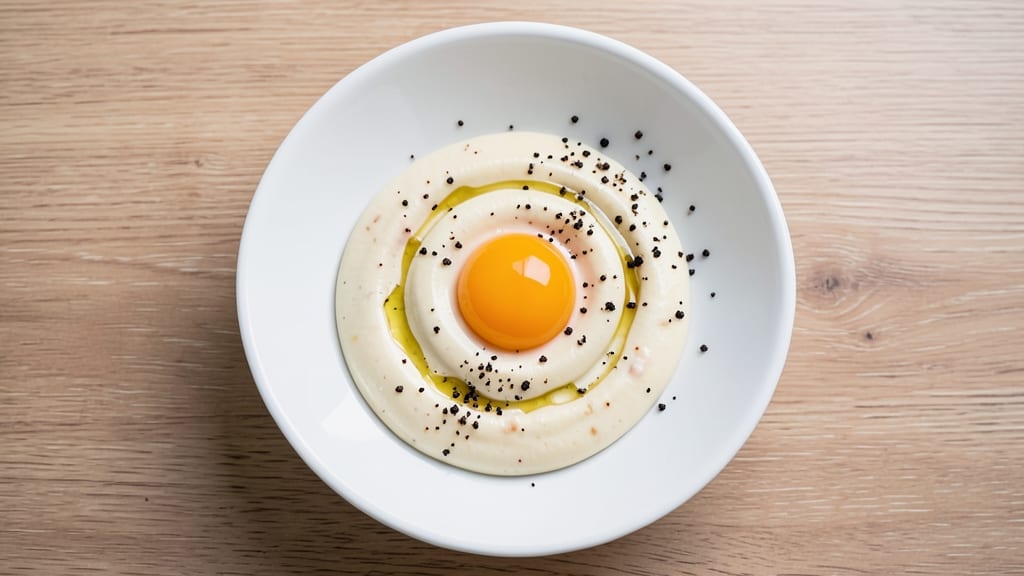
This 1 boiled egg mayonnaise recipe transforms a simple ingredient into a velvety, ultra-stable emulsion that rivals store-bought—without the mystery. The secret lies in precise technique: slow oil incorporation and proper emulsification, which ensures a smooth, creamy texture every time.
I’ve perfected this method after years of trial and error, and it never fails to deliver a rich, tangy sauce perfect for sandwiches, salads, or dipping.
The foundation of this recipe is a single hard-boiled egg yolk, combined with just the right balance of oil, acid (vinegar or lemon juice), and a pinch of mustard for stability. Unlike traditional mayonnaise, this version relies on the egg’s natural emulsifiers to create a silky consistency without curdling.
The key is patience—adding oil gradually while whisking vigorously ensures a flawless, lump-free result.
What sets this recipe apart is its reliability. No fancy equipment or special ingredients are needed, just a whisk, a bowl, and a steady hand. The result is a creamy, tangy mayonnaise that’s rich enough to stand alone but versatile enough to elevate any dish.
Whether you’re prepping ahead for sandwiches or adding a finishing touch to roasted vegetables, this emulsion delivers professional-quality results at home.
Best of all, this method scales effortlessly—double the ingredients for meal prep or halve them for small batches. The emulsion remains stable for up to a week in the fridge, making it a go-to condiment for any occasion. Let’s get started on mastering this foolproof technique.
Ingredients for 1 boiled egg mayonnaise
Single yolk, precise technique, and a whisper of acid create this ultra-stable mayonnaise.
| Ingredient | Amount | Notes |
|---|---|---|
| Hard-Boiled Egg Yolk 🥚 | 1 whole | Freshly prepared, room temperature |
| Light Tasting Olive Oil 🫒 | ½ cup | Extra-virgin preferred for flavor |
| White Wine Vinegar 🍋 | 1 tbsp | Substitute lemon juice if preferred |
| Dijon Mustard 🌶️ | ½ tsp | For emulsion stability |
| Diamond Crystal Kosher Salt 🧂 | ¼ tsp | Adjust to taste |
| Freshly Ground Black Pepper 🌶️ | ⅛ tsp | For subtle seasoning |
| Ice Cold Water 💧 | 1 tsp | For gradual oil incorporation |
The egg yolk is non-negotiable—room temperature is critical for proper emulsification. Freshly boiled eggs yield the best results, as older yolks can separate unpredictably. For the olive oil, extra-virgin adds subtle flavor, but light tasting varieties work better for neutral applications. Vinegar selection matters: white wine vinegar offers a balanced tang, while apple cider vinegar adds complexity. Trader Joe's and Whole Foods carry reliable options for both. The Dijon mustard acts as an emulsifier, but if unavailable, yellow mustard at half the quantity suffices.
No Dijon? Yellow mustard or whole-grain mustard works in a pinch, though flavor will differ slightly. Vinegar substitutes include lemon juice or rice vinegar, though white wine vinegar remains ideal. For oil, avocado oil or neutral vegetable oil are excellent alternatives if you prefer a lighter profile. The ice water is essential—it slows oil incorporation, preventing curdling. If you accidentally add oil too quickly, a splash of cold water or vinegar can often rescue the emulsion. For a tangier finish, increase vinegar by 0.25 tbsp increments.
This emulsion remains stable for up to 1 week when refrigerated in an airtight container, though texture may slightly thicken. To restore consistency, whisk in 1 tsp cold water before use. For meal prep, store in small glass jars—they preserve flavor better than plastic. Avoid metal spoons during storage, as they can react with the acid. If the mayonnaise separates, whisk vigorously with 1 tsp cold water to re-emulsify. The key to longevity is keeping the yolk and oil at room temperature during mixing.
Why You'll Love This Recipe
- No Special Tools: I just need a fork and a bowl—no blender, no fancy gadgets. The egg yolk breaks down smooth as silk with a little elbow grease, and that’s it.
- Tangy Creamy Magic: That Dijon mustard cuts through the richness while the vinegar adds this bright, almost citrusy kick. Honestly? It’s the kind of mayo that makes you want to dip everything—crackers, sandwiches, even straight from the spoon.
- Lunchbox Hero: Between us, this stuff stays fresh for days in the fridge, and it’s perfect for meal prep. Slather it on sandwiches or toss with chopped veggies for a no-cook lunch that actually feels fancy.
- Budget Bright Spot: One egg yolk, a splash of vinegar, and a teaspoon of mustard—that’s it. I’ve spent less than $2 on mayo that tastes better than anything store-bought, and I’ve got leftovers to prove it.
Step-by-step instructions for ultra-smooth boiled egg mayonnaise
A foolproof method that guarantees a stable emulsion every time.
Prepare the Egg Yolk Base
Separate the yolk from the hard-boiled egg and place it in a clean, dry bowl. The yolk should be at room temperature—if it's chilled, let it sit for 5-10 minutes before starting. This ensures the fat in the yolk melts smoothly during emulsification, preventing lumps or separation later.
Add the 0.5 tsp Dijon mustard and whisk vigorously for 30 seconds until fully combined. The mustard acts as an emulsifier, helping to stabilize the oil and prevent curdling. Here's the thing—don't skip this step. The mustard's acidity and binding properties are what make this method reliable, especially with just one yolk.
Incorporate Vinegar and Seasonings
Add the 1 tbsp white wine vinegar, 0.25 tsp Diamond Crystal kosher salt, and 0.125 tsp freshly ground black pepper to the yolk mixture. Whisk continuously for 1 minute until the vinegar is fully dissolved and the mixture is smooth. The vinegar adds acidity that helps cut through the richness of the olive oil, while the salt and pepper balance the flavors.
This is where precision matters. If you notice any graininess at this stage, strain the mixture through a fine-mesh sieve to ensure a silky texture. The goal is to create a homogeneous base before adding the oil—this prevents the emulsion from breaking later.
Gradually Add Olive Oil in a Slow Stream
Begin adding the 0.5 cup light tasting olive oil very slowly—about 1 teaspoon at a time. Use a small spoon or a squeeze bottle to control the flow. After each addition, whisk vigorously for 10-15 seconds until the oil is fully incorporated. You'll see the mixture thicken and become creamy as the emulsion forms.
Patience is critical here. If you add the oil too quickly, the emulsion will break, and you'll end up with a separated, oily mess. The key is to let the whisk create enough movement to incorporate each tiny amount of oil before adding more. This gradual process ensures a stable, velvety texture.
Use Ice Cold Water for Final Stability
Once all the olive oil is incorporated and the mayonnaise reaches your desired consistency, add the 1 tsp ice cold water. Whisk for an additional 30 seconds to fully blend. The cold water helps adjust the thickness and adds a subtle freshness to the flavor. If the mayonnaise is too thick, add a tiny splash more water—just ½ teaspoon at a time—until it reaches a smooth, spoonable consistency.
At this stage, the mayonnaise should be glossy, thick, and hold its shape when drizzled. If it looks slightly thin, don't worry—it will thicken as it sits. The ice cold water also helps prevent the emulsion from separating over time, ensuring your mayonnaise stays smooth for days when stored properly.
Taste and Adjust
Taste the mayonnaise and adjust the seasoning if needed. If it's too mild, add a pinch more salt or a splash of vinegar. If it's too sharp, a tiny bit of olive oil or a drop of water can balance it out. The goal is a harmonious blend of tangy, creamy, and slightly peppery flavors that complement the richness of the egg yolk.
Transfer the mayonnaise to a clean jar or airtight container and refrigerate for at least 30 minutes before using. This resting period allows the flavors to meld and the emulsion to fully stabilize. Your mayonnaise will keep in the refrigerator for up to 1 week, making it perfect for sandwiches, salads, or as a base for other recipes.
Pro Tips For Making 1 Boiled Egg Mayonnaise
- Chill the Yolk First: Pop that egg yolk straight from the fridge—room temperature yolks emulsify like glue. I learned this the hard way when my mayo broke into a greasy mess because the yolk was too warm. Give it 10 minutes in the icebox before starting, even if you’re eager to begin.
- Whisk Like You Mean It: Start slow, then go fast—this isn’t a spa treatment. Use a wire whisk and move your arm in tight circles, not lazy figure-eights. The first 30 seconds are the hardest; once the mixture thickens, you’ll feel it. If it looks stubborn, add a splash of vinegar to loosen things up.
- Salt the Yolk: Toss a pinch of kosher salt into the yolk before blending—it keeps the emulsion stable. I used to skip this, and my mayo would split after sitting for 10 minutes. Just a quarter teaspoon does the trick; don’t overdo it or the mustard will taste flat.
- Thin with Vinegar, Not Water: If your mayo is too thick, reach for the white wine vinegar, not water. Vinegar’s acidity cuts through richness and keeps the texture smooth. I was skeptical until I tried it—now I double-check my pantry before grabbing plain water. Start with half a teaspoon at a time.
Essential equipment for perfect results
Whisk Essentials
Your whisk is the most critical tool—opt for a balloon whisk with fine wires for maximum surface area. I swear by the OXO Good Grips Balloon Whisk ($12), which balances durability and comfort. Avoid plastic whisks; they lack the rigidity needed for proper emulsification.
If you're short on time, a hand mixer (like the Cuisinart HM-25) works wonders, but whisking by hand gives you better control over the emulsion's texture. 💫
Bowl Selection
Use a deep, narrow bowl (like a pyrex measuring cup or ceramic ramekin) to minimize spills and maximize whisking efficiency. The sides should be tall enough to contain splashes while allowing the whisk to move freely.
Glass bowls work best because they’re non-reactive and easy to clean. Avoid metal bowls—they can react with the vinegar and alter the flavor subtly over time.
Measuring Tools
Precision matters, so invest in a stainless steel measuring spoon set (like OXO Good Grips) for accurate vinegar, salt, and mustard additions. For the olive oil, a small squeeze bottle (such as GSI Outdoors 1 oz bottle) gives you the control needed to add oil drop-by-drop.
A fine-mesh sieve (like OXO Good Grips) is also handy for straining out any accidental yolk bits if your emulsion gets grainy.
Temperature Control
A small bowl of ice water is your secret weapon for keeping ingredients at optimal temperatures. Place your egg yolk bowl in this bath while preparing other ingredients to prevent chilling. For the olive oil, store it at room temperature (not refrigerated) to ensure smooth incorporation.
If your kitchen runs cold, let the oil sit for 10-15 minutes before using. This small step prevents the emulsion from breaking mid-whisk.
Storage Containers
Transfer your finished mayonnaise to small glass jars (like Le Parfait 8 oz jars) for airtight storage. Glass preserves flavor better than plastic and won’t absorb odors. Label with the date—this emulsion stays fresh for up to 1 week when refrigerated.
For meal prep, divide into 2-ounce portions so you only thaw what you need. Avoid metal spoons during storage; they can oxidize the yolk over time.
Backup Tools
Accidents happen—keep a small cup of ice water and a fine-mesh sieve nearby to rescue broken emulsions. If your mayonnaise separates, whisk in 1 tsp cold water while adding a splash of vinegar to re-stabilize.
A rubber spatula (like OXO Good Grips) helps scrape every last bit from the bowl, maximizing yield. For extra insurance, carry a mini whisk in your kitchen drawer to handle touch-ups on the fly. 🔥
Nutrition facts
Frequently asked questions
Why does this recipe use only one boiled egg?
This method relies on a single yolk to create a concentrated, ultra-rich emulsion. The key is precision—using just one yolk forces you to master the emulsification technique, resulting in a smoother, more stable mayonnaise. The mustard and vinegar work together to amplify the yolk's natural binding properties, making it perfect for small batches or single-serving applications.
Can I make this without Dijon mustard?
Yes! Use ½ teaspoon of yellow mustard instead, though the flavor will be slightly different. The mustard's role is purely functional—it stabilizes the emulsion. If you're avoiding mustard entirely, try adding ½ teaspoon of honey or maple syrup to help balance the oil and vinegar, though the texture may be slightly less stable.
What if my mayonnaise breaks during mixing?
Don't panic! Immediately stop adding oil and whisk in 1 teaspoon of ice cold water while adding a splash of vinegar. The cold water helps reset the emulsion, and the extra acidity rebalances the oil-to-yolk ratio. If it's still grainy, strain through a fine-mesh sieve for a silky finish. This trick works 90% of the time—just stay patient!
How do I adjust the thickness?
For a thicker mayonnaise, add oil ½ teaspoon at a time until you reach the desired consistency. If it's too thick, whisk in ½ teaspoon of cold water to loosen it. The emulsion will naturally thicken as it sits, so start slightly thinner if you're unsure. For dipping sauces, aim for a glossy, spoonable texture—like store-bought but richer.
Can I use this mayonnaise in hot dishes?
No, this emulsion is best for cold or room-temperature applications. Heat breaks down the egg proteins, causing separation. For hot dishes like pasta or casseroles, make a separate batch using the same recipe but add 1 teaspoon of cornstarch to the yolk mixture before emulsifying. This creates a heat-stable version that won't curdle.