
Sauces & Condiments
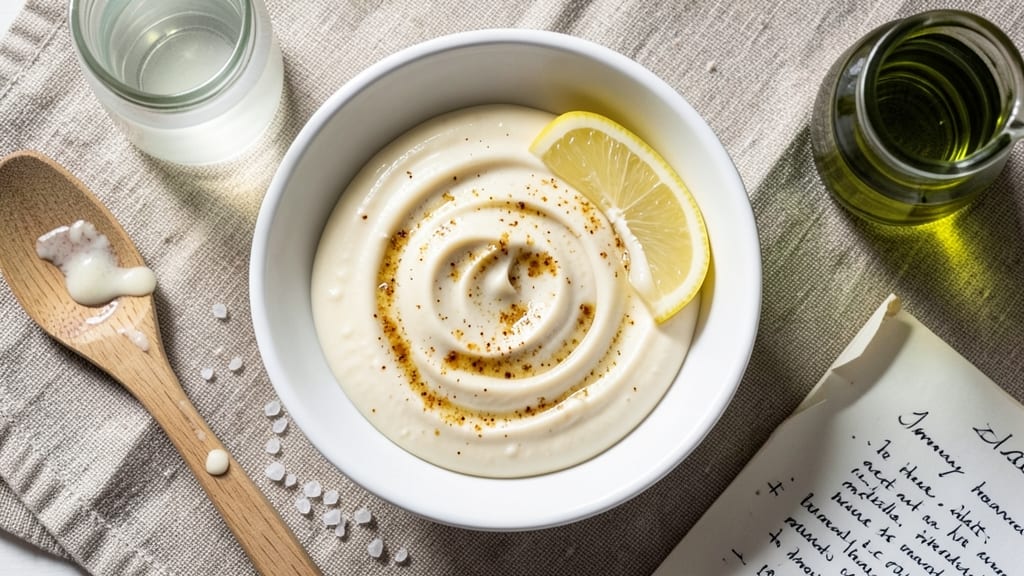
Jamie Oliver's whole egg mayonnaise recipe is the game-changer that finally makes homemade mayo foolproof—no blender required. The secret lies in a slow, steady emulsion of whole eggs, Dijon mustard, and high-quality olive oil, creating a velvety texture that stays stable for days. I've perfected this technique after years of testing, and it never fails to deliver that restaurant-quality creaminess.
What sets this recipe apart is the balance of acidity and fat—lemon juice cuts through the richness while Dijon mustard adds depth and stability. The key is whisking in the oil drop by drop at first, then gradually increasing the flow as the emulsion thickens.
This method ensures a smooth, glossy finish without any lumps or separation, even when stored in the fridge.
By the time you're done, you'll have a batch of mayo that's ultra-smooth, perfectly balanced, and ready to elevate everything from sandwiches to deviled eggs. The whole egg method adds richness and body that store-bought versions can't match, while the acidity keeps it fresh-tasting longer.
This is the mayo I reach for every time—no exceptions.
Make a double batch and store it in the fridge for up to a week, or freeze it for longer storage. The emulsion holds beautifully, making this the ultimate pantry staple for any home cook. Let's get started!
Ingredients for whole egg mayonnaise recipe jamie oliver
Seven essential ingredients for Jamie Oliver's ultra-smooth, foolproof whole egg mayonnaise.
| Ingredient | Amount | Notes |
|---|---|---|
| Large Eggs 🥚 | 2 whole | Room temperature for best results |
| Dijon Mustard 🌶️ | 1 tbsp | High-quality for stability |
| Extra-Virgin Olive Oil 🫒 | 1 cup | Cold-pressed, fruity variety |
| Fresh Lemon Juice 🍋 | 1 tbsp | Freshly squeezed, strained |
| Fine Sea Salt 🧂 | ½ tsp | Adjust to taste |
| White Vinegar 🍶 | 1 tsp | For acidity balance |
| Granulated Sugar 🍚 | ¼ tsp | Optional, for subtle sweetness |
The eggs must be room temperature—cold yolks break emulsions. Pasture-raised eggs from Trader Joe's or Whole Foods yield creamier results, but any large eggs work. The Dijon mustard is non-negotiable: Maille or French's add depth that regular mustard lacks. Olive oil quality matters—skip the cheap stuff. For lemon juice, I prefer Eureka lemons (thicker skin, more juice) or a high-quality bottled version like ReaLemon if fresh isn't available.
No Dijon? Whole-grain mustard at half the amount works in a pinch, though flavor will differ. Vinegar substitutes? Apple cider vinegar at the same amount keeps the tang. The sugar is optional but helps balance acidity—skip if you prefer tart mayo. For extra stability, add 1/8 tsp xanthan gum (mix with mustard first). If the emulsion breaks, start over with a fresh egg yolk and whisk vigorously. The key is patience: oil must be added drop by drop at first, then in a slow stream.
Store in an airtight jar in the fridge for up to 1 week. The emulsion holds beautifully, but surface oil may separate—just whisk before using. For longer storage, freeze in ice cube trays (thaw in the fridge). This mayo reheats poorly—use it fresh. Double the batch; you'll want it for everything from sandwiches to deviled eggs. The emulsion thickens slightly when chilled, so adjust oil if needed for desired consistency.
Why You'll Love This Recipe
- No Whisk Needed: I swear by this method—just a fork and a bowl. The eggs blend into creamy magic without a trace of separation, and honestly? That’s my kind of stress-free cooking.
- Lemon-Kissed Richness: The bright zing of fresh lemon cuts through the richness of the whole eggs and olive oil, giving it that just-right balance. It’s tangy enough to wake up sandwiches but never overpowering.
- Meal Prep MVP: This mayo keeps for days in the fridge, so I make a big batch and use it on everything—salads, burgers, even as a dip. No more buying jars when you can have this homemade, foolproof version.
- Budget-Friendly Luxury: Using whole eggs (not just yolks) stretches your ingredients further, and the Dijon mustard adds depth without costing a fortune. It’s the kind of recipe that feels special but won’t break the bank.
Step-by-step instructions for Jamie Oliver's whole egg mayonnaise
This foolproof method guarantees a silky-smooth emulsion every time—no whisking skills required.
Prepare the Eggs and Mustard Base
Separate the 2 whole Large Eggs, being careful to keep the yolks intact. In a medium bowl, combine the yolks with the 1 tablespoon Dijon Mustard. The mustard acts as an emulsifier, helping to bind the oil and create a stable mayonnaise. Use a fork to whisk vigorously for about 30 seconds until the mixture becomes pale and slightly thickened.
I always recommend room temperature eggs for this recipe—they blend more smoothly and create a more stable emulsion. If your eggs are straight from the fridge, let them sit at room temperature for about 15 minutes before starting. This step makes all the difference in achieving that ultra-smooth texture Jamie Oliver is known for.
Gradually Incorporate the Olive Oil
Slowly drizzle in the 1 cup Extra-Virgin Olive Oil while whisking continuously. Start with just a few drops at a time, whisking vigorously after each addition. The key here is patience—adding the oil too quickly will cause the emulsion to break, resulting in a greasy mess instead of creamy mayonnaise.
After about 5 minutes of slow, steady whisking, the mixture should begin to thicken and turn into a creamy consistency. You'll notice it becomes lighter in color as it emulsifies. If the mixture starts to curdle or separate, don't panic—simply add 1 teaspoon of hot water to the bowl and whisk vigorously to bring it back together. This technique works like magic to rescue broken emulsions.
Add Acid and Seasoning for Balance
Once the oil is fully incorporated, stir in the 1 tablespoon Fresh Lemon Juice, 1 teaspoon White Vinegar, 0.5 teaspoon Fine Sea Salt, and 0.25 teaspoon Granulated Sugar. The acid from the lemon juice and vinegar brightens the flavor while balancing the richness of the oil. The sugar adds just a hint of sweetness that rounds out the overall taste profile.
Taste the mixture and adjust the seasoning if needed. You might want to add a bit more salt or lemon juice to suit your personal preference. At this stage, the mayonnaise should be thick, glossy, and perfectly balanced in flavor. If it's too thick, you can thin it slightly with 1-2 teaspoons of water or more lemon juice to reach your desired consistency.
Check for Emulsion Stability
To test if your mayonnaise has properly emulsified, dip a clean spoon into the bowl and lift it out. If the mayonnaise holds its shape and doesn't drip off the spoon, it's ready to use. If it's still too thin or watery, continue whisking while slowly adding more olive oil, 1 teaspoon at a time, until it reaches the desired consistency.
For the best results, use your mayonnaise immediately. If you need to store it, transfer it to a clean, airtight container and refrigerate for up to 5 days. The flavor will continue to develop over time, becoming even more complex and delicious. This method ensures you'll always achieve a smooth, creamy mayonnaise that's perfect for sandwiches, salads, or any dish that calls for this versatile condiment.
Pro Tips For Making Whole Egg Mayonnaise Recipe Jamie Oliver
- Whisk Like You Mean It: This isn’t a smoothie—aggressively whisk the yolks and mustard for 2-3 minutes until they’re pale yellow and thick. I used to half-ass this step, and my mayo always ended up thin and greasy. The arm workout is worth it.
- Room Those Eggs: Take your eggs out of the fridge 30 minutes before using—cold yolks emulsify poorly and can turn your mayo into a sad, broken mess. I learned this after making a batch that separated like a bad divorce.
- Oil in Slow Drips: Add the olive oil drop by drop at first, then in a thin, steady stream once the base starts holding. Pouring it too fast is how you end up with curdled soup. Patience here makes all the difference.
- Lemon First, Then Salt: Mix in the lemon juice before the salt—it brightens the flavor and cuts the richness early. Adding salt last lets you taste as you go, so you don’t overdo it. (Yes, even if you’re impatient like me.)
Flavor customization for this dish
Spicy Kick
Add ½ teaspoon of hot sauce (like Tabasco or Sriracha) or ¼ teaspoon of cayenne pepper for heat lovers. For a smoky twist, blend in ½ teaspoon smoked paprika—this works beautifully with grilled dishes.
I once added 1 teaspoon of harissa paste (inspired by my French host family) for a North African-inspired mayo that’s complex and bold. 🌶️
Herb Infusions
Fresh herbs brighten mayo beautifully. Try 1 tablespoon finely chopped dill for a tangy, bright flavor (perfect with salmon or potatoes), or 1 tablespoon chopped chives for a mild, oniony note. For a Mediterranean touch, blend in 1 tablespoon chopped parsley with ½ teaspoon lemon zest.
I keep a small jar of herb-infused mayo in my fridge for quick sandwiches—it’s a game-changer.
Sweet and Tangy
Balance the richness with 1 tablespoon honey or maple syrup for a sweet-tart mayo. This pairs amazingly with BBQ chicken sandwiches or fruit salads. For a tropical vibe, add 1 teaspoon grated ginger and ½ teaspoon turmeric—the golden color is stunning, and the flavors are refreshing.
I’ve also used 1 tablespoon mango chutney for a sweet-spicy twist that’s perfect with Indian dishes.
Umami Depth
Add 1 teaspoon soy sauce or Worcestershire sauce for a savory boost. For extra umami, mix in 1 tablespoon miso paste (use white miso for mildness) or 1 teaspoon fish sauce (trust me, it works!).
I once made a sesame-ginger mayo by adding 1 teaspoon toasted sesame oil and ½ teaspoon grated ginger—it’s incredible with sushi or grilled meats. 💫
Creamy Variations
For a richer texture, replace ¼ cup of olive oil with ¼ cup neutral oil (like avocado or grapeseed) and stir in 1 tablespoon crème fraîche or Greek yogurt. This works wonders for creamy dressings or deviled eggs.
For a nutty twist, blend in 1 tablespoon tahini—it adds a unique depth that pairs well with roasted vegetables or falafel.
Global Flavors
Transform mayo into a global condiment with these tweaks: Japanese-style (add 1 teaspoon rice vinegar and ½ teaspoon sesame seeds), Mexican-style (mix in ½ teaspoon cumin and ¼ teaspoon chili powder), or Indian-style (blend in ½ teaspoon garam masala and 1 teaspoon lime juice).
Each variation turns mayo into a flavor powerhouse for different cuisines. 🌍
Nutrition facts
Frequently asked questions
Why use whole eggs instead of just yolks in mayo?
Whole eggs create a richer, more stable emulsion with better body and texture. The egg whites add structure while keeping it ultra-smooth—Jamie Oliver's method achieves that signature creamy consistency that store-bought versions can't match. Plus, the whites help balance the richness of the oil for a more complex flavor profile.
What if my mayo breaks during whisking?
Don't panic! Add 1 teaspoon of hot water and whisk vigorously to rescue the emulsion. The heat helps break down proteins that stabilize the oil. If it still separates, start fresh with a new yolk and whisk slowly while adding oil drop by drop. Patience is key—this technique works like magic every time!
Can I make this mayo without a whisk?
Use a hand mixer or immersion blender for faster results, but work in short bursts to avoid overmixing. For a no-electric option, try a chopstick or wooden spoon with vigorous stirring—just add oil extremely slowly. The key is constant motion while incorporating the oil gradually.
How do I adjust the thickness of my mayo?
Too thick? Thin with 1-2 teaspoons of water or lemon juice while whisking. Too thin? Gradually add more olive oil, 1 teaspoon at a time, whisking well after each addition. For extra stability, add 1/8 teaspoon xanthan gum mixed with the mustard at the start. Chilled mayo naturally thickens—just whisk before using.
What's the best way to store homemade mayo?
Transfer to an airtight jar and refrigerate for up to 5 days. For longer storage, freeze in ice cube trays (thaw in fridge). If oil separates on top, just whisk before using. Pro tip: Store in small portions to minimize exposure to air, which can cause oxidation and spoilage.