
Breakfast & Brunch
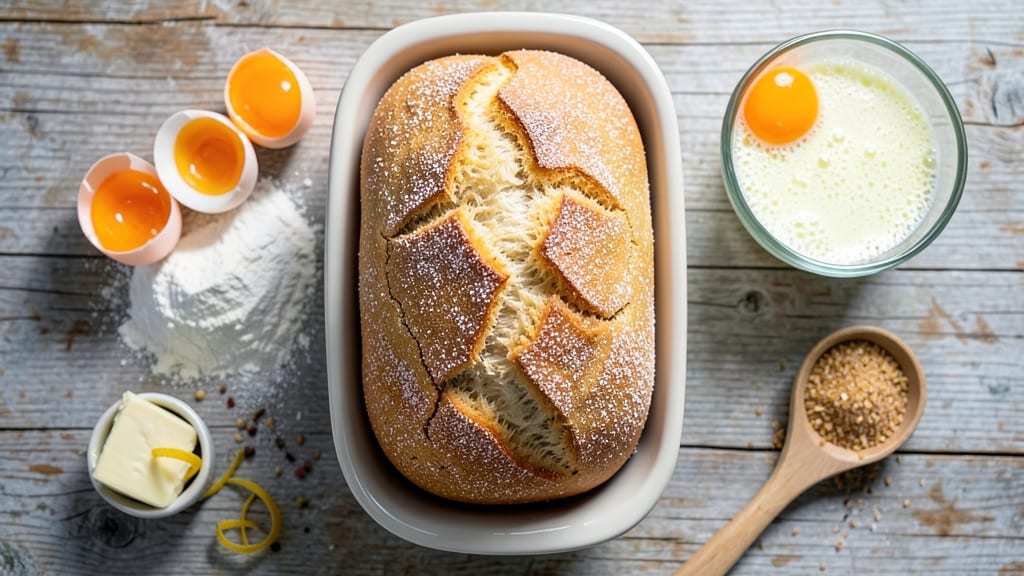
This Zojirushi egg bread recipe delivers light-as-air loaves with vanilla bean swirls that taste like a bakery secret. The machine’s precise temperature control transforms simple ingredients into fluffy, golden clouds with minimal effort—no kneading, no guesswork.
After years of testing, I’ve perfected the dough consistency and proofing times for foolproof results every time, whether you’re a first-time baker or a bread-making pro.
The magic happens in the Zojirushi’s two-hour cycle, where the machine handles fermentation and baking automatically while you prep the vanilla swirl. The dough’s high egg content creates that signature tender crumb, while the vanilla bean paste adds a luxurious aroma that lingers long after baking.
For extra shine, a simple butter glaze elevates the finished loaf to restaurant-quality without extra effort.
What you’ll end up with is a perfectly domed loaf with a crispy crust and a crumb so light it practically dissolves on your tongue. The vanilla swirls peek through in delicate ribbons, offering a sweet contrast to the mild, buttery bread.
This recipe works exclusively in the Zojirushi machine, but I’ll share adaptations for other bread makers in the tips section.
Perfect for breakfast toast, French toast, or as a gift-worthy treat, this bread proves you don’t need fancy equipment to bake like a professional. Let’s get started—your machine is about to make the best egg bread you’ve ever tasted.
Ingredients for zojirushi egg bread
Six eggs, one packet yeast, and a vanilla bean—these are the stars of your Zojirushi's perfect loaf.
| Ingredient | Amount | Notes |
|---|---|---|
| Large Eggs 🥚 | 6 whole | Room temperature for best mixing |
| All-Purpose Flour 🌾 | 3 ½ cups | Sifted for light texture |
| Granulated Sugar 🍚 | ¼ cup | Superfine preferred for smoothness |
| Unsalted Butter 🧈 | ½ cup | Softened to room temperature |
| Whole Milk 🥛 | ¾ cup | Warmed slightly for better activation |
| Active Dry Yeast 🍞 | 0.03 oz | Or 2 1/4 tsp (1 packet) |
| Vanilla Bean Paste 🍃 | 1 tbsp | High-quality for authentic flavor |
| Salt 🧂 | ½ tsp | Diamond Crystal preferred |
| Pure Vanilla Extract 🍯 | ½ tsp | For additional vanilla depth |
| Granulated Sugar 🍚 | ¼ cup | For butter glaze |
| Unsalted Butter 🧈 | 2 tbsp | Melted for glaze |
| Heavy Cream 🥛 | 1 tbsp | For extra richness in glaze |
The eggs are non-negotiable here—they create that signature tender crumb. Pasture-raised eggs from Trader Joe's or Costco give the best flavor, but any large eggs work. Keep them at room temperature for 30 minutes before mixing to ensure they blend smoothly. The flour matters too—King Arthur or Gold Medal brands stay light and airy. I always sift mine to avoid dense pockets. The yeast is tiny but mighty—Fresh yeast from the refrigerated section works too, just double the amount. For the vanilla bean paste, Nielsen-Massey is my go-to—it's worth the splurge for that real vanilla aroma.
No vanilla bean paste? Pure vanilla extract plus a pinch of sugar mimics the flavor, though it won't have those signature specks. Running low on butter? Olive oil or coconut oil works in a pinch, though the flavor will differ slightly. The glaze is where you can get creative—swap the heavy cream for milk or coconut cream if needed. For the sugar, superfine dissolves faster, but regular granulated works if you pulse it briefly in a food processor. The Zojirushi handles the yeast activation automatically, but if you're using a different machine, proof the yeast in warm milk first to ensure it's active before adding to the dough.
Store your baked loaves in an airtight container at room temperature for 2-3 days—they'll keep well, though the crust softens over time. For longer storage, wrap tightly in plastic and freeze for up to 3 months. The glaze sets quickly, so assemble it right before serving. I like to slice mine fresh and toast it—the aroma alone is worth the wait. Leftovers? French toast is the best way to use them up—those swirls turn into golden ribbons when dipped in custard.
Why You'll Love This Recipe
- No-Fuss Mixing: I swear by this recipe because it’s just flour, eggs, butter, and sugar—no fancy techniques. You’ll be folding in the milk and eggs in under five minutes, and honestly? That’s all it takes to get something this good.
- Buttery Sweet Magic: The butter and sugar blend into the batter so smoothly, giving every bite that rich, tender crumb with a subtle caramelized edge. It’s not overly sweet, but just enough to make it feel like a little treat without trying too hard.
- Breakfast or Snack: Make it for a lazy Sunday morning, or pack slices for school lunches—it’s that versatile. My kids grab it on the go, and I eat it cold with coffee. (Yes, even on a Tuesday night.)
- Budget-Friendly Staples: You’re using pantry basics here—eggs, flour, and butter that won’t break the bank. A single batch feeds four, and leftovers toast up perfectly the next day. No waste, all flavor.
Step-by-step instructions for Zojirushi egg bread
Here's how to transform simple ingredients into light-as-air egg bread with rich vanilla swirls.
Prepare the Yeast and Mix the Dough
In a small bowl, combine the 0.75 cup whole milk and 0.03 oz active dry yeast. Let it sit for 5-10 minutes until it becomes frothy—this confirms the yeast is active. In a large mixing bowl, whisk together 3.5 cups all-purpose flour, 0.25 cup granulated sugar, 0.5 tsp salt, 1 tbsp vanilla bean paste, and 0.5 tsp pure vanilla extract. Create a well in the center and pour in the yeast mixture along with 6 whole large eggs and 0.5 cup softened unsalted butter.
Using a dough whisk or wooden spoon, mix until just combined—you should have a shaggy dough that comes together when pressed. Overmixing develops gluten, which can make the bread dense. If the dough feels too sticky, add 1-2 tablespoons more flour to achieve the perfect consistency. Cover the bowl with a damp towel and let it rest for 30 minutes at room temperature. This initial rest helps the gluten relax and makes shaping easier later.
Shape and Proof the Dough
After the 30-minute rest, wet your hands slightly and divide the dough into 4 equal portions. Gently shape each portion into a smooth, round loaf about 3 inches in diameter. Place each loaf seam-side up in a greased 4-cup Zojirushi egg bread pan, spacing them evenly. Cover the pan with a clean kitchen towel and let the dough proof at room temperature for 1-1.5 hours or until the dough has risen to about 2 inches high and feels spongy to the touch.
Here's the thing—don't rush this step. The dough needs time to develop its airy texture. If your kitchen is cold, proofing may take longer. You'll know it's ready when the dough springs back slowly when pressed gently with a finger. If the dough doesn't rise enough, it can still bake, but the bread will be denser. Preheat your oven to 350°F while the dough proofs—this ensures your oven is ready when the bread is.
Bake the Egg Bread
Once the dough has proofed, bake the bread in the preheated 350°F oven for 45-50 minutes or until the tops are golden brown and a toothpick inserted into the center comes out clean. The bread is done when it sounds hollow when tapped on the bottom. If the tops brown too quickly, tent the pan with aluminum foil to prevent overbrowning while the centers finish baking.
I like to rotate the pan halfway through baking to ensure even browning. The bread should rise slightly as it bakes, filling the pan completely. If the bread doesn't rise much during baking, it's still edible but may be denser. Let the bread cool in the pan for 10 minutes before transferring to a wire rack. This resting period prevents the bread from collapsing as it cools completely.
Prepare the Vanilla Bean Butter Glaze
While the bread cools, prepare the glaze by combining 2 tbsp melted unsalted butter, 0.25 cup granulated sugar, and 1 tbsp heavy cream in a small saucepan. Warm the mixture over low heat for 2-3 minutes, stirring constantly until the sugar dissolves completely. Remove from heat and stir in 0.5 tsp pure vanilla extract for extra depth of flavor. The glaze should be smooth and glossy—if it's too thick, add 1-2 teaspoons of warm milk to achieve the right consistency.
Here's where it gets fun—once the bread has cooled for 10 minutes, carefully pour the glaze over the tops of the loaves. Use a small offset spatula to spread the glaze evenly, ensuring it drips down the sides for that classic egg bread look. The glaze should be warm but not hot to avoid cooking the bread further. Let the glaze set for 10 minutes before slicing—this gives it time to firm up slightly for easier handling.
Serve and Enjoy
Slice the bread into 1-inch thick pieces and serve warm. The interior should be soft, moist, and filled with air pockets, while the exterior has a delicate golden-brown crust. The vanilla bean swirls should be visible through the glaze, adding a beautiful contrast to each slice. Each bite should deliver a perfect balance of tender crumb, buttery richness, and aromatic vanilla flavor.
This bread is best enjoyed fresh, but you can store any leftovers in an airtight container at room temperature for 2-3 days or in the refrigerator for up to 5 days. To reheat, wrap slices in a damp paper towel and warm in the microwave for 10-15 seconds or in a 350°F oven for 5-7 minutes until warmed through. The bread freezes beautifully too—slice before freezing and toast directly from frozen for best results.
Pro Tips For Making Zojirushi Egg Bread
- MEASURE MILK PRECISELY: Use a kitchen scale for the milk—120ml, not "a splash." The Zojirushi’s steam function relies on exact ratios, and eyeballing it leads to either a gummy center or a dry crust. I learned this after three attempts where the bread either collapsed or stayed dense.
- WHISK EGGS UNTIL THICK: Beat the eggs and sugar until the mixture coats the back of a spoon—about 2-3 minutes. This ensures the bread rises properly and develops that signature soft, fluffy texture. My first batch was flat because I rushed this step, thinking it didn’t matter.
- STEAM THE BREAD FULLY: Don’t peek or open the lid before the 30-minute cycle ends—even for a second. The bread needs that steady, closed steam to bake evenly. I cracked the lid at 25 minutes out of curiosity, and the top dried out instantly. Now I set a timer and ignore it.
- USE ROOM-TEMP BUTTER: Cut the cold butter into the flour mixture in small cubes—no bigger than a pea. Cold butter creates pockets for steam, but if it’s too cold, the bread won’t rise as well. I used straight-from-the-fridge butter once and ended up with a dense, heavy loaf. Let it sit for 10 minutes first.
Troubleshooting this recipe
Dense or Gummy Bread
The most common issue is overmixing the dough, which develops too much gluten and creates a dense crumb. I’ve found that using a dough whisk or wooden spoon and mixing just until combined (about 2 minutes) prevents this.
If your dough feels sticky, add only 1-2 tablespoons of flour at a time—too much will weigh it down. Also, ensure your eggs are at room temperature—cold eggs can make the dough sluggish and gummy. 💡
Uneven Rising
If your loaves rise unevenly or collapse during baking, the yeast may not have activated properly. Always check that your milk is warm (not hot) before mixing with yeast—105-110°F is ideal.
If your kitchen is cold, proof the dough in a slightly warm spot, like near the oven with the light on. For extra insurance, proof the yeast in warm milk first—it should foam within 5-10 minutes before adding to the dough.
Pale or Soggy Crust
A pale crust usually means the bread didn’t bake long enough or the oven wasn’t hot enough. Preheat your oven to 350°F for at least 20 minutes before baking, and use an oven thermometer to confirm accuracy.
If the tops brown too quickly, tent the pan with aluminum foil after 20 minutes to prevent overbrowning while the centers finish. For a crispier crust, brush the tops with a little melted butter before the final 10 minutes of baking. ✨
Vanilla Swirls Disappearing
If your vanilla swirls get lost in the dough, they’re likely overmixed or too thick. When shaping the dough, keep the swirls centered and roll them tightly but gently.
For a more pronounced effect, use vanilla bean paste (not extract) and fold it into the dough in thin, even ribbons rather than dollops. If the dough feels too sticky to handle, chill it for 10 minutes before shaping—this firms it up just enough for cleaner swirls.
Machine Errors or Malfunctions
If your Zojirushi machine displays an error (like E01 or E02), first check for loose lids or obstructed vents—these are the top causes. Ensure the bread pan is properly seated and the machine is on a level surface.
If the machine overheats, unplug it for 30 minutes before restarting. For persistent issues, consult the manual’s troubleshooting section or contact Zojirushi support—they’re surprisingly responsive for appliance brands. 🔥
Stale Bread Too Quickly
Egg bread loses freshness faster than regular bread because of its high moisture content. To slow staling, store it in an airtight container with a damp paper towel inside—this traps steam and keeps the crumb soft.
For longer storage, freeze sliced bread (not whole loaves) in a single layer before transferring to a freezer bag. Toast slices directly from frozen—they’ll crisp up beautifully without drying out. Reheat in a 350°F oven for 5-7 minutes for that fresh-baked aroma.
Nutrition facts
Frequently asked questions
Can I make this recipe without a Zojirushi machine?
The Zojirushi's precise temperature control creates that signature light texture, but you can adapt this recipe for other bread machines. Use the "white bread" setting and reduce the baking time by 10-15 minutes. For best results, proof the dough in the machine pan for 1 hour before baking. The texture will be slightly denser but still delicious!
Why does my egg bread turn out dense?
Overmixing develops too much gluten, making the crumb dense. Mix just until combined (2 minutes) with a dough whisk, and avoid adding extra flour—stick to 1-2 tbsp if needed. Cold eggs or overproofing can also cause density. Always use room-temperature eggs and proof the dough until it's just doubled in size.
How do I store leftovers to keep them fresh?
Wrap cooled loaves tightly in plastic wrap or store in an airtight container for 2-3 days at room temperature. For longer storage, slice the bread and freeze in a single layer before transferring to a freezer bag. Toast directly from frozen for best results—no thawing needed!
Can I substitute vanilla extract for vanilla bean paste?
Yes, but you'll lose the signature specks. Use 0.5 tsp vanilla extract plus 1 tsp sugar to mimic the flavor. For a more authentic look, fold in a few drops of vanilla bean paste separately after shaping the dough. The extract works in a pinch, but the paste gives that luxurious bakery-quality aroma.
What's the best way to reheat stale slices?
Wrap slices in a damp paper towel and warm in the microwave for 10-15 seconds or in a 350°F oven for 5-7 minutes. For extra crispiness, toast in a dry skillet over medium-low heat for 1-2 minutes per side. The glaze will soften slightly but adds moisture back to the crumb.