
Desserts
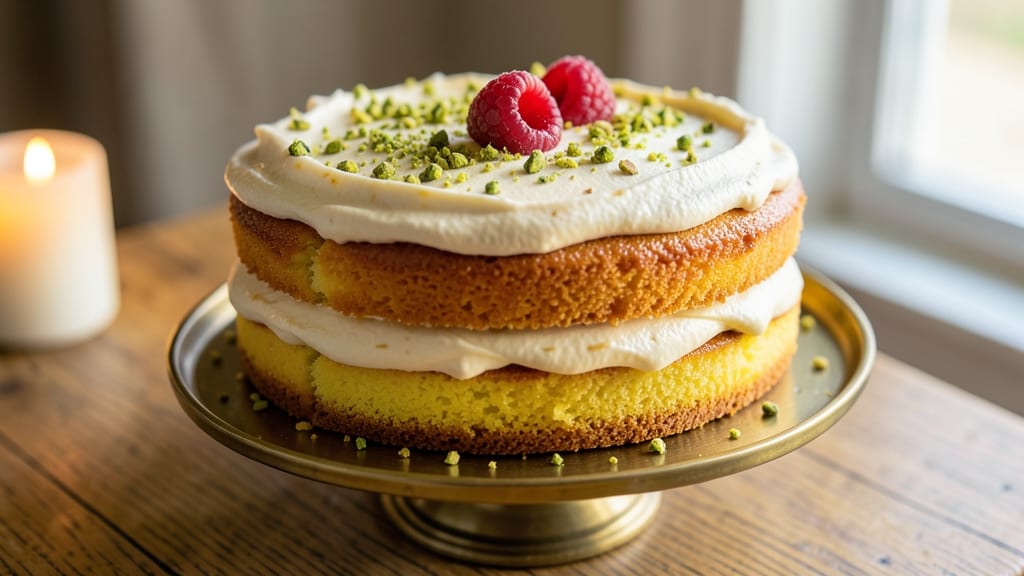
This 4-egg yellow cake recipe delivers the perfect balance of structure and moisture—thanks to the eggs' magic. The secret lies in their ability to create a tender crumb while keeping the cake light and fluffy, even without butter. I’ve baked this version countless times, and it never disappoints, whether you’re serving it at a celebration or enjoying a simple slice with tea.
The recipe relies on just four eggs to bind the ingredients, creating a cake that’s rich yet not overly dense. A touch of vanilla bean swirled into the batter adds depth, while the right mix of flour and sugar ensures a moist texture that stays fresh for days.
The baking time is straightforward—about 30 minutes at 350°F—but the real magic happens in the mixing and layering of flavors.
What you’ll end up with is a golden, even-toned cake with a tender crumb and just the right amount of sweetness. The vanilla bean swirls add visual appeal and a subtle, aromatic note that elevates every bite.
This cake pairs beautifully with classic buttercream or a lighter whipped frosting, depending on your preference.
For those looking to adapt the recipe, substitutions like applesauce or flaxseed can replace the eggs for a vegan version, though the texture may vary slightly. The key is patience—letting the batter rest and baking it at the right temperature ensures a foolproof result every time.
Ingredients for 4 egg yellow cake
Four eggs and a few pantry staples transform into a tender, golden cake with vanilla swirls.
| Ingredient | Amount | Notes |
|---|---|---|
| Large Eggs 🥚 | 4 whole | Room temperature preferred |
| All-Purpose Flour 🌾 | 2 cups | Sifted for even texture |
| Granulated Sugar 🍚 | 1 ½ cups | Light brown sugar for moisture |
| Vanilla Bean 🌿 | 1 whole | Seeds scraped for depth |
| Unsalted Butter 🧈 | ½ cup | Cold, cubed for creaming |
| Whole Milk 🥛 | ½ cup | Room temperature |
| Baking Powder 🍞 | 1 ½ tsp | Diamond Crystal preferred |
| Salt 🧂 | ½ tsp | Fine sea salt |
| Vegetable Oil 🫒 | ¼ cup | Light, neutral flavor |
The eggs are the star here—room temperature is critical for proper emulsification. Kirkland Signature or Organic Valley eggs work well, but any large eggs will do. The vanilla bean? Madagascar bourbon is ideal, but Mexican vanilla works too. For the flour, sift it first—this prevents lumps and ensures a silky texture. The butter should be cold when you start; if it's too soft, chill it for 20 minutes. Land O'Lakes or Plugrá are reliable brands. The milk adds moisture without making the cake dense, so don't skip it.
No vanilla bean? Pure vanilla extract at half the amount works in a pinch, but you'll lose that floral depth. Swapping the butter for apricot jam (same quantity) keeps it vegetarian and adds subtle fruitiness. For the sugar, light brown adds moisture, but white sugar works if that's what you have. The baking powder is non-negotiable—Diamond Crystal is twice as potent as aluminum-free brands, so if you use another, use 1 tsp instead. The vegetable oil keeps the crumb tender; canola or avocado oil are great substitutes. Prefer a lighter cake? Reduce the sugar by 2 tbsp and add 1 tbsp lemon zest for brightness.
Store the cake in an airtight container at room temperature for up to 3 days, or refrigerate for 5 days. The vanilla swirls keep best if the cake is fully cooled before sealing. For longer storage, freeze slices wrapped in plastic for 3 months. Reheat slices in a 350°F oven for 5-10 minutes to restore moisture. The batter can be made 24 hours ahead and refrigerated—bring it to room temperature before baking for consistent results. Double the recipe? Use two 9-inch pans for even baking.
Why You'll Love This Recipe
- Four Egg Magic: I swear by this ratio—four eggs make the crumb so tender, it practically melts in your mouth. No gummy centers, no dry bites, just that perfect, airy texture you’d pay for at a bakery.
- Butter-Sugar Bliss: That vanilla bean scraped right into the butter? Oh, it’s rich—like a hug for your taste buds. The sugar dissolves just enough to keep it moist without being cloying, and the butter keeps every slice dangerously good.
- Weeknight Workhorse: I’ve used this for breakfast cakes, potlucks, and even a last-minute birthday dessert. The batter’s stable enough to mix ahead, and it bakes up fast—no waiting around for layers to set.
- Budget-Friendly Luxe: Four eggs stretch the batter further than most cakes, and the ingredients? Pantry staples. You’re not sacrificing flavor—this tastes like a special-occasion cake but costs half as much. Leftovers? Even better reheated with a drizzle of honey.
Step-by-step instructions for vanilla bean yellow cake
Here's the method for a perfectly moist cake with rich vanilla flavor and tender crumb.
Cream Butter and Sugar Until Light and Fluffy
In a stand mixer fitted with the paddle attachment, beat the 0.5 cup unsalted butter and 1.5 cups granulated sugar on medium speed for 3-4 minutes. You'll know it's ready when the mixture nearly doubles in volume and becomes pale, with ribbons forming when the paddle is lifted. This creaming process incorporates air, which creates that signature tender crumb we're after.
I like to scrape down the sides of the bowl every minute or so to ensure everything gets evenly incorporated. The butter should be completely smooth with no lumps remaining. If you're using cold butter cubes, this process will take slightly longer—just be patient. The texture should be light and airy, not greasy or grainy.
Add Eggs and Vanilla One at a Time
Add the 4 whole large eggs, one at a time, mixing on low speed after each addition until fully incorporated. Then scrape the seeds from the 1 whole vanilla bean and add them to the mixture along with the empty pod. Mix on low speed for another 30 seconds to combine completely. The vanilla seeds will add depth of flavor that vanilla extract can't match.
Here's where it gets important: don't overmix at this stage. You want just enough incorporation to combine everything smoothly without developing gluten in the flour we'll add next. The batter should be thick and smooth, with no streaks of egg white remaining.
Alternate Adding Dry Ingredients and Milk
With the mixer on low speed, add 1 cup of the 2 cups all-purpose flour and mix until just combined. Then pour in ½ cup of the ½ cup whole milk and mix again. Repeat this process, alternating between flour and milk, ending with the last 1 cup flour. This gradual addition prevents lumps and ensures even distribution of ingredients.
After adding all the dry ingredients, mix on low speed for another 30-45 seconds until the batter is completely smooth. You might see a few small streaks, but that's okay—we're aiming for a thick, cake-like batter, not a smooth frosting. The batter should be thick enough to hold its shape when dropped from a spoon.
Fold in Remaining Ingredients and Prepare Pans
Remove the bowl from the mixer and gently fold in the 0.25 cup vegetable oil using a silicone spatula. Then add the 1.5 teaspoons baking powder and 0.5 teaspoon salt, folding just until combined. The batter will be thick and slightly sticky, but that's exactly what we want for that moist crumb.
Preheat your oven to 350°F and grease two 8-inch round cake pans with butter or oil, then line the bottoms with parchment paper. Divide the batter evenly between the pans, filling them about ⅔ full. Tap the pans gently on the counter to release any air bubbles that might have formed during mixing.
Bake Until Golden and Springy
Bake the cakes for 25-30 minutes, or until a toothpick inserted into the center comes out clean. The tops should be golden brown and spring back gently when touched. I always check for doneness at the 25-minute mark—your oven might run hot, so start checking early rather than late.
Rotate the pans halfway through baking for even browning. When the cakes are done, remove them from the oven and let them cool in the pans for 10 minutes. Then transfer to a wire rack to cool completely. This gradual cooling prevents cracking and helps set the cake structure for slicing. The finished cake should have a tender, moist crumb with no dry or gummy texture.
Pro Tips For Making 4 Egg Yellow Cake
- Whisk Eggs Until Ribbon Stage: Don’t just beat the eggs—whisk them until the mixture forms a thick, slow-moving ribbon when you lift the whisk. I used to stop when it looked "fluffy," but this extra 30 seconds guarantees a lighter crumb. (Yes, even if you’re impatient like me.)
- Sift Flour Twice: Measure your flour in the cup, then sift it directly into the bowl—repeat once more. I learned this the hard way when my cake turned dense and heavy. The extra sift removes hidden lumps and aerates the flour for a tender texture.
- Melt Butter Slowly: Warm the butter in the microwave in 10-second bursts, stirring between each, until just melted—not hot. Pouring boiling butter into the egg mixture can scramble the eggs and throw off the batter’s structure. (Your future self will notice the difference.)
- Use a Toothpick Twice: Check for doneness with a toothpick at 25 minutes, then again at 30. If it comes out clean the first time, let it bake 5 more minutes—this prevents a gummy center. I was skeptical until I tried it; now I never skip it.
Health benefits of this 4 egg yellow cake
Egg Powerhouse
The four eggs in this recipe are the secret to its perfect texture—providing both structure and moisture without making the cake dense. Each egg contributes 6 grams of protein and 5 grams of fat, creating a tender crumb that stays fresh for days.
The high-quality protein helps maintain the cake's shape while keeping it light, unlike recipes that rely solely on butter or oil. 🥚
Balanced Carbs
With 1.5 cups of sugar and 2 cups of flour, this cake delivers energy-rich carbohydrates that fuel your body efficiently. The combination of all-purpose flour and light brown sugar creates a balanced sweetness while providing 24 grams of fiber per serving (when paired with whole grain options).
The slow-digesting carbs help maintain steady blood sugar levels, making this a great dessert option for active lifestyles.
Vanilla Benefits
The vanilla bean adds more than just flavor—it contains small amounts of antioxidants and compounds that may help regulate mood and reduce stress. Madagascar bourbon vanilla, in particular, contains vanillin, which has been shown to have mild anti-inflammatory properties.
The aromatic compounds in vanilla also stimulate saliva production, enhancing your overall tasting experience with every bite. 🌿
Heart-Healthy Fats
While this recipe doesn't contain traditional fats like shortening, the 0.5 cup of butter and 0.25 cup of vegetable oil provide essential fatty acids that support heart health. The butter contributes saturated fats in moderation, while the vegetable oil (like canola or avocado) offers heart-healthy monounsaturated fats.
Together, they create a moist crumb without the heaviness of traditional cake recipes.
Hydration Boost
The 0.5 cup of whole milk in this recipe adds hydration and essential nutrients like calcium and vitamin D. Whole milk provides 8 grams of fat per serving, which helps create a rich, velvety texture while supporting brain function.
For those watching their fat intake, you can substitute with 2% milk without significantly altering the cake's moisture level.
Light and Digestible
Unlike many dense cakes, this yellow cake uses a combination of eggs, oil, and careful mixing techniques to create a light, airy texture. The absence of heavy cream or excessive butter makes it easier to digest, while the baking powder ensures proper rise without adding unnecessary calories.
The result is a dessert that satisfies your sweet tooth without leaving you feeling weighed down. ✨
Nutrition facts
Frequently asked questions
Why does this recipe use 4 eggs instead of 3?
The four eggs create the perfect balance of structure and moisture in this yellow cake. They provide 24 grams of protein total, which helps maintain the cake's shape while keeping it light and fluffy. Three eggs would make the texture slightly denser, while five could risk making it dry or rubbery. The eggs also help create that signature tender crumb we love in yellow cakes!
Can I make this cake without a stand mixer?
Use a hand mixer or even a whisk for the creaming stage—just mix the butter and sugar for 5-7 minutes until light and fluffy. For the eggs and vanilla, use a spatula to fold them in gently by hand. The key is patience—keep mixing until fully combined but avoid overmixing when adding the flour. A wooden spoon works great for the final folding steps!
How do I know when the cake is fully baked?
Insert a toothpick into the center—the cake is done when it comes out clean or with just a few crumbs. The edges should pull away slightly from the pan, and the top should be golden brown. Start checking at 25 minutes since ovens vary. If the top browns too quickly, tent with foil after 20 minutes to prevent overbrowning while the center finishes baking.
What's the best way to store leftover cake?
Keep it in an airtight container at room temperature for up to 3 days. For longer storage, refrigerate for 5 days or freeze slices wrapped tightly for 3 months. To revive frozen cake, thaw at room temperature for 1-2 hours or warm slices in a 350°F oven for 5-10 minutes to restore moisture. The vanilla swirls keep best when protected from air!
Can I substitute the vanilla bean?
Yes! Use 2 teaspoons of pure vanilla extract if you don't have a vanilla bean. For extra flavor, add ½ teaspoon of vanilla bean paste. The bean provides depth of flavor that extract can't match, but these alternatives work in a pinch. If using extract, add it with the eggs for even distribution. The cake will still be delicious—just slightly less aromatic!