
Breakfast & Brunch
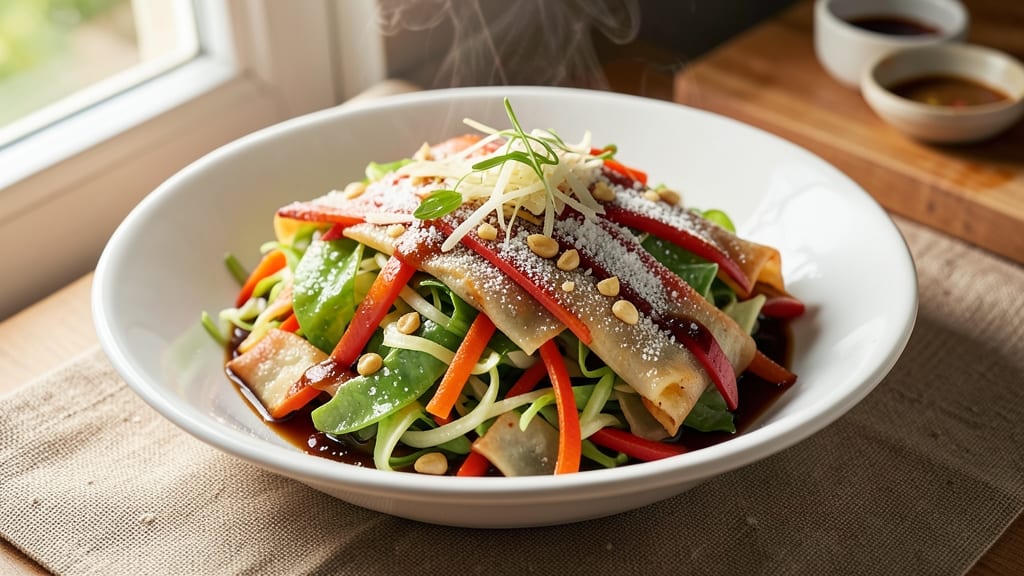
This vegetable egg roll filling recipe delivers the perfect crispy texture and bold flavors you crave without meat. The harmony of thinly sliced cabbage and carrot creates a satisfying bite that holds up beautifully during frying, while aromatic seasonings elevate every crisp edge and tender center.
What makes this recipe stand out is the balance of sweetness from the carrots and slight tang from the cabbage, creating a filling that's both familiar and unexpectedly sophisticated.
The secret to achieving that signature crispy texture lies in proper preparation—thin, even slices that cook quickly and evenly, along with a light dusting of cornstarch to help maintain that satisfying crunch.
This recipe is designed to be versatile, working equally well for traditional deep-fried egg rolls or modern baked versions, making it perfect for any cooking style or dietary preference.
With just a handful of simple ingredients, you'll have a filling that's packed with flavor and ready to be rolled into delicious, golden-brown egg rolls.
By the time you're done, you'll have a filling that's ready to be wrapped in crispy egg roll wrappers and cooked to golden perfection.
The combination of tender vegetables and aromatic seasonings creates a filling that's rich in flavor and texture, ensuring each bite is as satisfying as it is delicious. Whether you're making a classic appetizer or experimenting with new variations, this filling delivers restaurant-quality results at home.
This recipe is perfect for meal prep, parties, or quick weeknight dinners—simply adjust the quantity to suit your needs. The filling can be prepared ahead of time and stored in the refrigerator, making it a convenient option for busy schedules.
With its adaptable nature and foolproof technique, this vegetable egg roll filling is sure to become a staple in your cooking repertoire.
Ingredients for vegetable egg roll filling
Crispy cabbage and sweet carrots create the perfect harmony for egg roll filling.
| Ingredient | Amount | Notes |
|---|---|---|
| Green Cabbage 🥬 | 4 cups | Thinly sliced, core removed |
| Carrots 🥕 | 2 medium | Julienned or thinly sliced |
| Garlic Cloves 🧄 | 4 cloves | Minced, aromatic base |
| Fresh Ginger 🌿 | 1 tbsp | Grated, for zesty kick |
| Cornstarch 🌾 | 2 tbsp | For crispy texture |
| Low-Sodium Soy Sauce 🍶 | 2 tbsp | For umami depth |
| Sesame Oil 🫒 | 1 tbsp | Toasted, nutty aroma |
| Rice Vinegar 🍶 | 1 tbsp | For tangy balance |
| Sugar 🍬 | 1 tbsp | To enhance carrot sweetness |
| Vegetable Oil 🫒 | 1 tbsp | For light frying |
| Salt 🧂 | ½ tsp | Diamond Crystal preferred |
| Black Pepper 🌶️ | ¼ tsp | Freshly ground |
The cabbage and carrots are the stars here—look for vibrant green cabbage with crisp leaves and bright orange carrots. Whole Foods or local markets often carry the freshest produce, but any grocery store's produce section will do. For the carrots, julienne peeler makes quick work of thin slices—aim for consistency so they cook evenly. The ginger and garlic? Freshly grated and minced add layers of flavor that dried spices can't match. If you're prepping ahead, slice the cabbage and carrots first—they'll keep in airtight containers for 2 days in the fridge.
No sesame oil? Toasted peanut oil works too, though the flavor will differ slightly. Short on rice vinegar? Apple cider vinegar at half the amount gives a similar tang. The cornstarch is non-negotiable for crispiness—it's what gives those egg rolls that satisfying crunch. If you're making this ahead, skip the cornstarch until just before frying to keep the filling dry. For extra umami, add 1 tsp of vegetarian oyster sauce or an additional 1/2 tbsp soy sauce. The sugar might seem odd, but it enhances the carrot's natural sweetness without overpowering.
This filling keeps beautifully in the fridge for 3 days if stored in an airtight container. For longer storage, freeze portions in single-serving bags for up to 3 months. Thaw overnight in the fridge before using. Pro tip: Lightly toss the filling with extra cornstarch before rolling if you notice it getting too moist. The crispy texture is everything—don't skimp on the prep work!
Why You'll Love This Recipe
- I’ll be real: this filling comes together while you’re waiting for the water to boil. Thinly slice the cabbage and carrots (a mandoline makes it fast), toss them with garlic and ginger, and a quick stir-fry later—boom. No fancy techniques, just chop, cook, bind with cornstarch, and you’re done.
- No-Fuss Prep: I’ll be real: this filling comes together while you’re waiting for the water to boil. Thinly slice the cabbage and carrots (a mandoline makes it fast), toss them with garlic and ginger, and a quick stir-fry later—boom. No fancy techniques, just chop, cook, bind with cornstarch, and you’re done.
- Garlic-Ginger Magic: That moment when the ginger hits the pan and the garlic sizzles? Chef’s kiss. The cabbage stays crisp, the carrots melt just enough, and the cornstarch gives it that perfect bite—like a hug from a takeout menu, but better. Honestly, I’ve had people ask if I used secret spices. Nope, just these five things.
- Leftovers? More Like Leftovers: Make a double batch and freeze half. Need a quick lunch? Toss it in a wrap with soy sauce. Hosting last-minute? Stuff it into spring rolls or dumplings. My college dorm freezer was packed with this stuff—still is, actually. It’s my go-to for when I forget to meal prep.
Step-by-step instructions for crispy cabbage and carrot egg roll filling
Transform simple vegetables into irresistible, restaurant-quality egg roll filling with this foolproof method.
Prep and Blanch the Vegetables
Start by thoroughly washing the 4 cups green cabbage, removing any outer leaves and cutting it into thin strips—about ¼-inch wide. Trim the 2 medium carrots into julienne strips or thin slices. The goal is even cooking and maximum crispness, so precision matters here.
In a large pot, bring 4 cups water to a rolling boil and add the cabbage and carrots. Cook for exactly 2 minutes—this brief blanch preserves color while softening just enough for folding. Drain immediately in a colander and rinse under cold water to stop the cooking process. The vegetables should still hold their shape but be slightly pliable when handled.
Sauté Aromatics and Season
Heat 1 tablespoon vegetable oil in a large skillet over medium-high heat until shimmering. Add the 4 cloves minced garlic and 1 tablespoon grated fresh ginger, cooking for 30 seconds until fragrant but not browned. This quick sauté unlocks their full flavor without burning.
Add the drained vegetables to the skillet, stirring to coat in the garlic-ginger oil. Sprinkle with 0.5 teaspoon salt and 0.25 teaspoon black pepper, then toss gently. Cook for 3-4 minutes, stirring occasionally, until the vegetables begin to soften slightly and release their juices. The cabbage should start to wilt but remain vibrant green.
Build Flavor with Sauce and Sweetness
Pour in the 2 tablespoons low-sodium soy sauce, 1 tablespoon rice vinegar, and 1 tablespoon sugar, stirring to combine. The vinegar adds brightness, the soy sauce deepens umami, and the sugar enhances the carrot's natural sweetness. Let the mixture simmer for 2-3 minutes until the liquid reduces slightly and clings to the vegetables.
Here's the thing—this is where the magic happens. The vegetables should be tender-crisp with a glossy sheen from the sauce. If they're still too firm, cook for another 1 minute. If they're overcooked, they'll turn mushy, so watch closely. The filling should hold its shape when pressed but still yield slightly.
Create the Crispy Texture
In a small bowl, whisk together the 2 tablespoons cornstarch and 1 tablespoon sesame oil. Sprinkle this mixture evenly over the vegetables in the skillet, tossing gently to coat every piece. The cornstarch will create a light, crispy exterior while the sesame oil adds nutty depth.
Cook for 2-3 minutes over medium heat, stirring constantly, until the vegetables develop a golden, almost translucent crust. You're aiming for that satisfying crunch you get with takeout egg rolls. If the filling starts to stick, add 1 tablespoon water and toss—this prevents burning while maintaining texture.
Finish and Cool for Folding
Remove the skillet from heat and let the filling cool for 5-10 minutes at room temperature. This resting period is crucial—it allows the cornstarch to fully set its crispy texture and prevents soggy egg rolls when folded. The filling should be cool enough to handle but still warm to the touch.
Taste and adjust seasoning if needed. You might want to add a pinch more salt or a splash of rice vinegar for balance. Once cooled, the filling is ready to be folded into egg roll wrappers or used in spring rolls. The key to perfect egg rolls lies in this crispy, flavorful base—now it's time to wrap them up and enjoy!
Pro Tips For Making Vegetable Egg Roll Filling
- STIR-FRY FAST: High heat is your friend here—get that wok or pan screaming hot before adding a single piece of veggie. I used to take my time, and the cabbage would turn sad and limp by the time the carrots were done. Now I toss everything in at once, let it sizzle for 30 seconds, then push it around with a spatula. The goal? Charred edges and just-tender crunch in under 5 minutes.
- SHRED CABBAGE DRY: Drain and spin-dry your shredded cabbage like it owes you money. Wet cabbage steams instead of searing, and you’ll end up with a soggy mess in your egg rolls. I learned this after making a batch where the filling leaked like a sieve. Use a clean kitchen towel or a salad spinner—it’s worth the extra 30 seconds.
- GINGER-GARLIC FIRST: Bloom the garlic and ginger in oil for 30 seconds before adding anything else. This builds flavor without burning, and those aromatics won’t just sit there—they’ll infuse the cabbage and carrots as they cook. Skip this, and your filling will taste bland, no matter how much soy sauce you dump in.
- CORNSTARCH LAST: Toss the cornstarch with the veggies after they’re nearly done, then stir for 10 seconds. Too early, and it turns gummy; too late, and you’ve got dry, chalky bits. I used to mix it in halfway through, and the filling would clump like glue. Now I just sprinkle it on, give it a quick toss, and call it done.
Serving suggestions for vegetable egg roll filling
Dipping Sauce Pairings
Serve your vegetable egg rolls with a homemade sweet chili sauce—mix 2 tbsp hoisin sauce, 1 tbsp rice vinegar, 1 tbsp honey, and 1 tsp sriracha for a perfect balance of sweet, tangy, and spicy.
The sauce cuts through the crispy exterior while complementing the savory filling. 🌶️
For a lighter option, try a plum sauce made with ¼ cup plum jam, 1 tbsp soy sauce, and 1 tsp grated ginger.
This classic pairing enhances the umami notes in the filling without overpowering it. Store-bought versions like Lee Kum Kee work too if you're short on time.
Side Dish Harmony
A simple cucumber salad adds freshness to your meal. Toss 1 cup thinly sliced cucumber, 1 tbsp rice vinegar, 1 tsp sesame oil, and a pinch of salt. The cool crunch contrasts beautifully with the warm, crispy egg rolls. 🥒
For a heartier side, serve with steamed jasmine rice and a quick stir-fried bok choy. The mild flavor of the bok choy lets the egg rolls shine while adding a satisfying texture. I like to drizzle the bok choy with a little toasted sesame oil right before serving.
Garnish Like a Pro
Elevate your egg rolls with fresh garnishes. Sprinkle thinly sliced green onions and toasted sesame seeds on top for a pop of color and nutty crunch. The seeds add texture, while the onions bring a fresh, oniony bite that balances the filling's richness.
For an extra touch, drizzle with a light soy glaze made by simmering 1 tbsp soy sauce and 1 tsp sugar until slightly reduced. Brush it over the egg rolls right before serving for a glossy finish. This step feels fancy but takes less than 2 minutes.
Make It a Meal
Turn your egg rolls into a full meal by adding a miso soup with tofu and scallions. The warm broth and soft tofu provide a comforting contrast to the crispy egg rolls. I love using Miso Master brand miso paste for its deep, savory flavor.
For a protein boost, serve with edamame or grilled tofu**. The edamame adds a fun, interactive element—let guests squeeze lemon wedges over their bowls. If you're serving tofu, marinate it in 1 tbsp soy sauce, 1 tbsp mirin, and 1 tsp grated ginger before grilling for 10 minutes.
Nutrition facts
Frequently asked questions
Can I substitute cabbage with another vegetable?
Yes! For a different texture, try Napa cabbage (more tender) or bok choy (milder flavor). Swap in shredded Brussels sprouts for a slightly bitter note, or use zucchini (thinly sliced) for a softer bite. Just adjust cooking time—Brussels sprouts need 1 extra minute of blanching.
How do I prevent soggy egg rolls after frying?
Keep the filling cool but not cold before rolling—5-10 minutes at room temp is ideal. Use dry wrappers and fold tightly, sealing edges well. For extra crispiness, double-wrap with a second thin wrapper. Fry in small batches to avoid overcrowding the oil.
Can I make this filling ahead of time?
Store cooked filling in an airtight container in the fridge for 3 days or freeze for 3 months. Thaw overnight in the fridge. Skip the cornstarch until just before rolling to maintain crispness. Reheat gently in a skillet with 1 tsp oil to revive texture.
What's the best way to make baked egg rolls?
Brush egg rolls with 1 tbsp oil before baking at 400°F for 15-18 minutes until golden. For extra crispiness, broil for 2 minutes at the end. Use a wire rack to elevate them—this prevents soggy bottoms.
Why does my filling turn mushy?
Overcooking is the usual culprit—stick to the 2-minute blanch and 3-4 minutes sauté times. Too much liquid (from over-blanching or adding extra sauce) also causes mushiness. Drain well and pat dry with a paper towel before cooking.