
Breakfast & Brunch
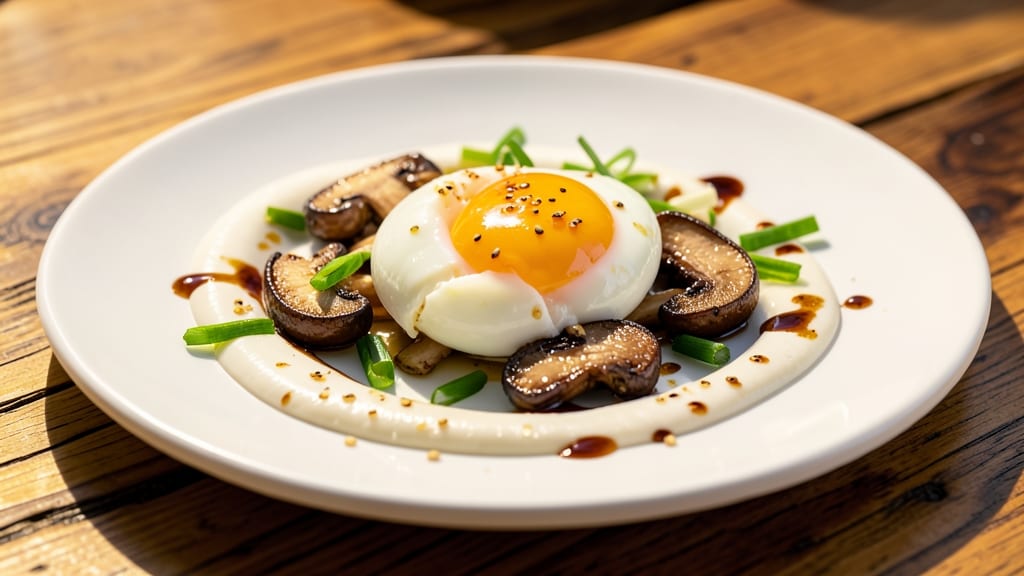
This umami egg recipe transforms ordinary breakfast into a savory masterpiece with just one pan and a few clever ingredients. The secret lies in balancing rich soy, fermented flavors, and perfectly cooked eggs—creating silky ribbons of yolk that melt into a deeply satisfying sauce.
I developed this dish after years of experimenting with Japanese and Southeast Asian techniques, and it never fails to impress. What sets this recipe apart is the umami depth achieved through simple ingredients like miso paste, fish sauce, and mushrooms.
These elements work together to elevate the eggs from ordinary to extraordinary, with each bite delivering a complex interplay of savory, slightly sweet, and umami notes. The dish comes together in under 20 minutes, making it perfect for busy mornings without sacrificing restaurant-quality results.
The final presentation is as important as the flavors—silky egg ribbons nestled in a glossy, umami-rich sauce with crispy mushrooms and fresh herbs for contrast.
This dish is equally at home as a weeknight dinner or a weekend brunch centerpiece, proving that umami can transform even the simplest of ingredients into something truly special.
Whether you're serving it to a crowd or treating yourself to a luxurious breakfast, this recipe delivers on both flavor and presentation.
The technique is straightforward, but the results are anything but ordinary—each forkful is a testament to how a few well-chosen ingredients can create a dish that feels both comforting and sophisticated.
Ingredients for umami egg
Four eggs and a handful of umami-rich ingredients transform a simple breakfast into a restaurant-worthy dish.
| Ingredient | Amount | Notes |
|---|---|---|
| Large Eggs 🥚 | 4 whole | Fresh, room temperature preferred |
| White Miso Paste 🧈 | 1 tbsp | High-quality, fermented umami base |
| Fish Sauce 🐟 | 1 tbsp | Red Boat brand recommended |
| Shiitake Mushrooms 🍄 | 8 whole | Fresh, stems removed, sliced |
| Green Onions 🧅 | 3 whole | White and green parts separated |
| Sesame Oil 🫒 | 1 tbsp | Toasted, for finishing |
| Neutral Oil 🫒 | 1 tbsp | Avocado or vegetable oil |
| Soy Sauce 🍶 | 1 tbsp | Kikkoman preferred |
| Sesame Seeds 🌾 | 1 tsp | Toasted, for garnish |
| Garlic Cloves 🧄 | 2 cloves | Minced, for aromatic depth |
| Thai Chili 🌶️ | 1 whole | Sliced, for subtle heat |
| Rice Vinegar 🍶 | 1 tsp | For brightness |
| Salt 🧂 | ½ tsp | Diamond Crystal preferred |
| Black Pepper 🌶️ | ¼ tsp | Freshly cracked |
The miso paste and fish sauce form the umami foundation—Red Boat fish sauce and high-quality white miso are non-negotiable for authentic depth. Look for organic shiitake mushrooms at specialty stores or the produce section of Whole Foods—they hold their texture better than dried. Fresh garlic and Thai chilies should be vibrant, not wilted. For the oil, avocado oil has the highest smoke point, ensuring your eggs cook perfectly without burning. If you can't find shiitake, shiitake mushrooms in the Asian aisle work just as well when rehydrated properly.
No miso paste? Substitute with 1 tbsp soy sauce plus 1 tsp nutritional yeast for a similar umami punch. Fish sauce unavailable? Worcestershire sauce (ensure anchovy-free) or coconut aminos bridge the gap, though the flavor profile shifts slightly. For a vegetarian option, replace fish sauce with 1 tbsp soy sauce plus 1 tsp mushroom powder. The sesame oil is purely for finishing—if you prefer a nutty aroma, toasted sesame oil is worth the extra minute to heat it gently. The Thai chili can be omitted entirely if you prefer no heat, but the garlic is essential—never skip it.
Store miso paste in the refrigerator after opening to preserve its fermented qualities, though unopened jars last 6-12 months at room temperature. Fresh shiitake mushrooms keep for 5-7 days in a paper bag in the fridge, but rehydrated dried shiitake can be stored for 3 months in the freezer. The cooked dish reheats beautifully—simply warm in a pan with a splash of water to restore its glossy sauce. For meal prep, portion into single servings and freeze for up to 2 months—the sauce actually improves overnight as flavors meld.
Why You'll Love This Recipe
- Five-Ingredient Magic: I swear by this recipe when I’m too tired to think. Just whisk eggs, stir in miso and fish sauce, toss in sliced shiitake and onions, and bake. No measuring cups, no fancy techniques—just honest, satisfying food.
- Umami Bomb: That first bite? Chef’s kiss. The miso and fish sauce give it this deep, savory punch, while the shiitake mushrooms add an earthy richness. It’s the kind of flavor that makes you pause mid-bite—even my picky husband asks for seconds.
- Lunchbox Hero: Between us, this is my go-to for meal prep. Bake a big batch, slice the eggs, and pack them with rice or noodles. The flavors only get better the next day—perfect for busy mornings when you need something that won’t taste sad at 3 PM.
- Budget Flex: I make this all the time because it’s ridiculously cheap. Eggs, miso, and shiitake mushrooms stretch far, and fish sauce adds luxury without breaking the bank. Honestly, it’s one of those recipes that proves you don’t need fancy ingredients to feel like you’re eating well.
Step-by-step instructions for umami egg recipe
Transform simple eggs into a symphony of savory depth with this one-pan technique.
Prepare the Umami Base
Heat the 1 tablespoon neutral oil in a nonstick skillet over medium-high heat until shimmering. Add the 8 whole shiitake mushrooms (stems removed, sliced) and cook for 4-5 minutes until they release their moisture and begin to brown. This step develops their earthy umami flavor.
Push the mushrooms to one side of the pan and add the 2 cloves minced garlic and the 1 whole sliced Thai chili. Cook for 30 seconds until fragrant—you should smell garlic's sweetness and a hint of chili's heat. Real talk: don't let the garlic burn, or you'll lose that aromatic punch. If it starts to darken too quickly, reduce heat slightly.
Add the 1 tablespoon soy sauce and 1 tablespoon fish sauce to the pan, scraping up any browned bits from the bottom. This deglazing captures all the flavor compounds we've built. Let it simmer for 1 minute until slightly reduced. The sauce should coat the back of a spoon with a glossy sheen.
Build the Miso Ribbon Foundation
Reduce heat to medium-low and add the 1 tablespoon white miso paste to the pan. Stir continuously for 1 minute until fully melted and incorporated. The miso will darken slightly and create a thick, velvety sauce. This is your umami powerhouse—don't skip this step, as it transforms ordinary eggs into something extraordinary.
Add the 3 whole green onions (white parts only, chopped) and the 0.5 teaspoon salt. Cook for 30 seconds until the whites soften slightly but remain vibrant. The green onion's sharpness will brighten the rich umami flavors. Here's the thing—if you use the green parts too, they'll overpower the delicate balance we're creating.
Create Silky Egg Ribbons
Crack the 4 whole large eggs directly into the pan, letting them slide gently over the existing ingredients. Immediately add the 1 teaspoon rice vinegar and gently stir the eggs with a silicone spatula, creating long, delicate ribbons as they cook. The vinegar adds brightness that cuts through the richness.
Cook for 2-3 minutes until the eggs are just set but still slightly runny in the center. You want that signature silky texture that makes this dish special. If the eggs cook too quickly, reduce heat to low—you're aiming for doneness at the center, not throughout.
Sprinkle the 0.25 teaspoon black pepper over the eggs and continue cooking for another 30 seconds until the pepper blooms and the eggs reach 145°F internally. The pepper adds a subtle heat that complements the umami without overpowering it.
Finish with Toasted Sesame
Remove the pan from heat and immediately drizzle with 1 tablespoon toasted sesame oil. Tilt the pan slightly and gently toss the eggs to coat them evenly in the oil. The sesame oil adds nutty depth and helps create that glossy finish that makes the dish look restaurant-quality.
Sprinkle the 1 teaspoon toasted sesame seeds evenly over the top. The seeds add both texture and visual appeal, with their golden color contrasting beautifully against the silky eggs. Serve immediately while the eggs are still warm—this dish doesn't wait. The contrast of temperatures between the hot eggs and cool garnish enhances every bite.
Plate with Precision
Use a spatula to transfer the egg ribbons to warmed plates, preserving their delicate shape. The mushrooms and green onions should be distributed throughout the eggs, creating visual interest with each bite. I like to fan the ribbons slightly to showcase their texture.
Drizzle any remaining pan sauce from the skillet over the top for maximum umami impact. The sauce should cling to the eggs, creating that signature glossy finish. Serve with steamed jasmine rice to soak up every last bit of that complex umami flavor profile we've created.
Pro Tips For Making Umami Egg
- Bloom the Miso: Whisk the white miso paste into warm water first—never cold—until it dissolves completely. I learned this the hard way after clumps turned my eggs into a grainy mess. A splash of hot water (not boiling) does the trick in seconds.
- Sear the Mushrooms First: Cook the shiitake caps in a dry pan for 2-3 minutes until their edges crisp and release that deep umami aroma. This builds flavor before the eggs even hit the pan. Skip this, and your dish tastes like it’s missing half its soul.
- Crack Eggs Directly In: No need to bowl them first—crack eggs straight into the miso-fish sauce mixture while stirring gently. The heat from the pan keeps them from scattering, and the sauce coats them instantly for that signature glossy finish.
- Finish with Green Onions: Reserve half the green onions for the end—chop them fine and sprinkle over the eggs right after removing from heat. They’ll wilt just enough to soften their bite but still add a bright cut-through to the richness. (Yes, even if you’re impatient like me.)
Perfect pairings for these flavors
Savory Side Dishes
Steamed jasmine rice is my go-to pairing—its mild, slightly floral notes let the umami shine without competing. Cook 1 cup jasmine rice with 1.25 cups water and ½ teaspoon salt for perfectly fluffy grains. The rice soaks up the silky egg sauce beautifully. 🍚
For extra texture, serve with quick-pickled cucumbers—slice ½ English cucumber into ¼-inch rounds, toss with 1 tbsp rice vinegar, ½ tsp sugar, and a pinch of salt. Let sit 10 minutes before serving. The crisp acidity cuts through the richness.
Umami-Boosting Garnishes
Fresh thinly sliced scallions (both white and green) add a bright, oniony crunch that enhances the dish's depth. Simply slice 2 scallions and sprinkle over the top right before serving. The raw flavor contrasts perfectly with the warm eggs. 🧅
For a smoky touch, top with crispy fried shallots—toss 3 shallots (sliced into rings) in 1 tbsp neutral oil, fry at 350°F for 2-3 minutes until golden, then drain on paper towels. Their crunch and aroma elevate every bite.
Beverage Pairings
A crisp green tea like japanese sencha complements the dish's umami perfectly. The tea's vegetal notes and slight bitterness cleanse your palate between bites. Brew 1 teaspoon loose-leaf sencha in 8 oz hot water for 2 minutes. 🍵
For those who prefer alcohol, a dry sake (like Dassai 17) works wonders. The sake's clean, slightly nutty profile mirrors the sesame and miso flavors without overpowering them. Serve chilled to enhance its crispness.
Global Variations
Transform this into a Vietnamese-style dish by adding ½ cup bean sprouts and 2 tbsp fish sauce to the pan sauce. Top with fresh cilantro and a squeeze of lime for a tangy twist. 🌶️
For a Korean-inspired version, swap the miso for 1 tbsp gochujang (Korean chili paste) and add 1 tbsp soy sauce instead of fish sauce. Garnish with toasted sesame seeds and thinly sliced kimchi for a spicy, fermented kick.
Nutrition facts
Frequently asked questions
Can I make this umami egg dish vegetarian?
Replace the fish sauce with 1 tbsp soy sauce plus 1 tsp mushroom powder for umami depth. For extra richness, add 2 tbsp nutritional yeast or 1 tbsp vegan Worcestershire sauce. The dish will still shine with fermented flavors.
How do I get the eggs to cook perfectly every time?
Keep the heat at medium-low once the eggs are in the pan. Stir gently to create ribbons while maintaining a slightly runny center (145°F internal temp). If the eggs cook too fast, reduce heat immediately. The key is patience—let them set gradually for that signature silky texture.
What if I don't have shiitake mushrooms?
Use cremini or oyster mushrooms instead—they still provide earthy umami. For a stronger flavor, add ½ tsp dried porcini powder to the pan. Avoid white button mushrooms, as they lack the same depth. The dish will still be delicious, just with a slightly different texture.
Can I make this ahead of time?
Cook the umami mushroom base in advance and store it in an airtight container for 2 days in the fridge. Reheat gently before adding eggs. For a complete make-ahead version, cook the eggs (without sesame oil) and refrigerate for up to 1 day. Reheat in a skillet until warmed through, then finish with fresh sesame oil and garnishes. The flavors actually improve overnight!
Why does my sauce turn bitter?
Overcooking the miso or fish sauce causes bitterness. Always cook miso on medium-low heat for just 1 minute—never let it brown. If the sauce tastes off, balance it with a splash of rice vinegar or 1 tsp sugar. The fish sauce should be added at the beginning, not simmered too long.