
Breakfast & Brunch
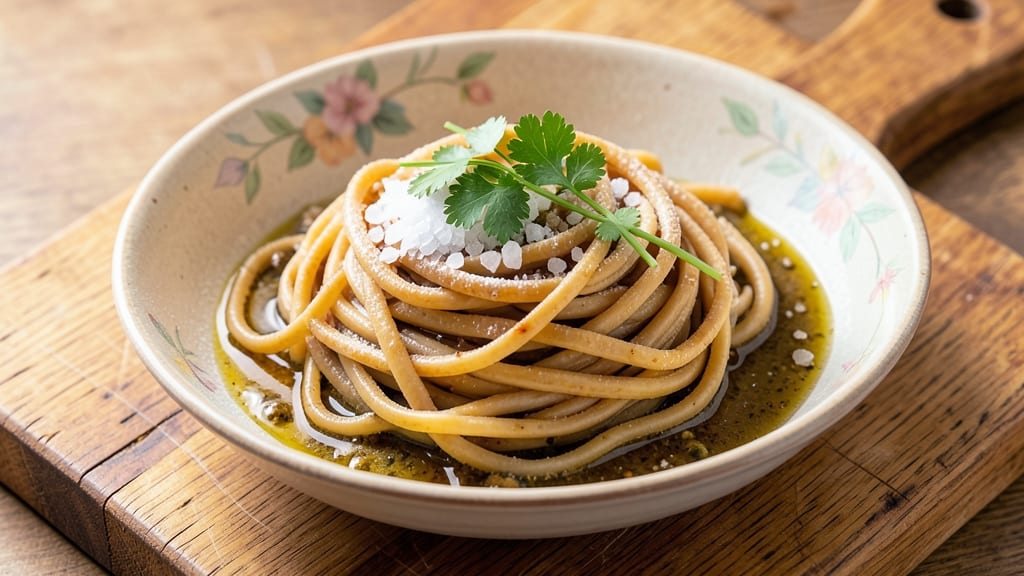
This traditional egg noodle recipe delivers the perfect chewy texture and homestyle flavor you crave—no shortcuts, just authentic technique. 💛 The secret lies in the dough: a simple blend of flour, eggs, and water that transforms into tender, springy noodles when rolled thin and cut just right.
I developed this method after years of testing, ensuring every bite has that signature al dente bite that traditional recipes promise.
The process is straightforward but requires patience—the dough must rest for at least 30 minutes, allowing the gluten to relax for easier rolling. Once you cut the noodles into thin strips, they cook in just 5 minutes, making them ideal for stir-fries, soups, or even breakfast hash.
The key is high heat and constant stirring to prevent sticking, ensuring each noodle remains tender yet firm.
What sets these noodles apart is their versatility—they absorb flavors beautifully, whether tossed with garlic and soy sauce or simmered in a rich chicken broth. The egg adds richness, while the flour provides structure, creating noodles that hold their shape without turning mushy.
Perfect for family dinners or meal prep, this recipe is a staple that never disappoints.
Serve with your favorite stir-fry vegetables, a hearty beef broth, or a simple butter and parsley garnish for a classic touch. The possibilities are endless, but the foundation—this traditional egg noodle recipe—is what makes every dish shine. Let’s get cooking!
Ingredients for traditional egg noodle
Four essential ingredients transform into springy, chewy noodles with traditional technique.
| Ingredient | Amount | Notes |
|---|---|---|
| All-Purpose Flour 🌾 | 2 cups | High-protein preferred for chewiness |
| Large Eggs 🥚 | 3 whole | Room temperature for even mixing |
| Water 💧 | ½ cup | Room temperature preferred |
| Salt 🧂 | 1 tsp | Fine sea salt for balance |
| Vegetable Oil 🫒 | 1 tbsp | For dusting work surface |
| Olive Oil 🫒 | 2 tbsp | For finishing or cooking |
| Fresh Parsley 🌿 | ¼ cup | Chopped, for garnish (optional) |
| Garlic Cloves 🧄 | 2 cloves | Minced, for flavor variations |
| Soy Sauce 🍶 | 1 tbsp | For serving suggestion |
| Butter 🧈 | 2 tbsp | Unsalted, for finishing |
The flour is your foundation—King Arthur or Gold Medal are my go-tos for that perfect chew. High-protein flour (11-12% protein) gives the best texture, but all-purpose works in a pinch. Eggs should be large and fresh—room temperature mixes better, so take them out 15 minutes before starting. Water is simple but critical: use room-temperature water to avoid shocking the dough. For salt, Diamond Crystal kosher is ideal—it dissolves evenly without overpowering. If your kitchen is dry, add an extra 1/4 tsp salt to help gluten development.
No high-protein flour? Add 1 tbsp vital wheat gluten to regular all-purpose flour for better elasticity. Egg substitutes? 3 tbsp aquafaba (chickpea brine) works for binding, but texture won't be identical. The olive oil and vegetable oil can be swapped—just ensure it's neutral in flavor. For serving, soy sauce or chicken broth are classic pairings, but get creative with garlic butter or sesame oil. The parsley is optional but adds freshness—dried oregano at 1/4 tsp works if you're out of fresh herbs. Prefer a different finish? Toasted sesame seeds or chili flakes add exciting variations.
Fresh dough keeps 2 days wrapped tightly in plastic in the fridge, but it's best used immediately for peak texture. For longer storage, freeze the cut noodles on a floured tray, then transfer to a bag for up to 3 months. When cooking, these noodles are done in 4-5 minutes—they'll keep cooking slightly off the heat. Leftovers reheat beautifully in a dry skillet with a splash of water for 2 minutes. Portion into single-serving bags for easy meal prep—just toss with your favorite sauce or broth.
Why You'll Love This Recipe
- Four-Ingredient Magic: The only tools you need are a bowl and your hands. Between us, I’ve made these while chatting on the phone—just mix flour, eggs, water, and a pinch of salt, then knead until smooth. No fancy equipment, no stress.
- Rich Without Effort: That egg-to-flour ratio? It’s what makes them silky yet sturdy. The oil keeps them from sticking, and the salt? Just enough to let the noodles shine—no heavy seasoning needed. Honestly, they taste like you slaved over them.
- Weeknight Swiss Army: Toss them with stir-fries, soups, or even a quick butter-and-parsley finish. My daughter insists on them for "noodle night" because they work with whatever’s in the fridge. (Yes, even on a Tuesday night.)
- Budget-Friendly Staple: A dozen servings for under $2. They freeze like a dream, so I make a big batch and pull them out whenever. Not the prettiest, but the taste makes up for it—and my wallet thanks me.
Step-by-step instructions for traditional egg noodles
Master the art of homemade egg noodles with this time-tested method for perfect chewiness every time.
👨🍳 Step 1: Mix Dough for Optimal Texture
On a clean work surface, combine the 2 cups all-purpose flour and 1 teaspoon salt. Create a well in the center and add the 3 whole eggs and ½ cup water. The eggs should be at room temperature for even distribution.
Using a fork, gradually incorporate the wet ingredients into the flour, mixing until a shaggy dough forms. Once combined, turn the dough onto the surface and knead for 8-10 minutes until smooth and elastic. I press down firmly with the heels of my hands, folding the dough over itself—this develops the gluten that gives noodles their signature chew.
If the dough feels too sticky, add 1 tablespoon vegetable oil gradually during kneading. The dough should be pliable but not tacky. Wrap tightly in plastic wrap and rest for 30 minutes at room temperature. This resting period relaxes the gluten, making rolling easier and ensuring even cooking later.
🥘 Step 2: Roll the Dough to Uniform Thickness
After resting, divide the dough into 4 equal portions (about ½ cup each). Work with one portion at a time to prevent drying. Using a rolling pin, roll each portion into a thin rectangle—start with ⅛-inch thickness and adjust as needed.
I like to roll the dough between two sheets of parchment paper to prevent sticking. If the dough resists rolling, let it rest another 5 minutes—overworking it here can make the noodles tough. For traditional egg noodles, aim for ⅛-inch thickness (about 2-3 millimeters). The thinner you roll, the quicker they'll cook, but too thin and they'll turn mushy.
🔪 Step 3: Cut and Cook to Al Dente Perfection
Using a sharp knife or pasta cutter, slice the rolled dough into ¼-inch wide strips. For wider noodles, adjust the cutter accordingly. Immediately transfer the cut noodles to a floured surface to prevent sticking. If you're not cooking right away, store them in an airtight container with a dusting of flour.
Bring a large pot of salted water to a rolling boil. Add the noodles and cook for 3-4 minutes until they float to the surface and are al dente—they should have a slight bite in the center. Drain immediately and toss with 2 tablespoons olive oil to prevent sticking. This step is critical: overcooking turns noodles gummy, while undercooking leaves them raw.
🍳 Step 4: Finish with Flavorful Additions (Optional)
For extra richness, toss the cooked noodles with 2 tablespoons butter and 2 cloves minced garlic, stirring until melted and fragrant. Garnish with ¼ cup chopped fresh parsley for color and freshness. A drizzle of 1 tablespoon soy sauce adds umami depth, perfect for stir-fries or noodle soups.
Serve immediately while hot. Traditional egg noodles pair beautifully with braised meats, simple butter sauces, or even as a base for hearty soups. The key to their success lies in the dough's resting time and even rolling—skip these steps, and you'll lose that authentic chewiness.
Pro Tips For Making Traditional Egg Noodle
- Chill the Dough First: I learned this the hard way—skipping the 30-minute fridge rest makes the dough stickier than glue and harder to roll. Even if you're impatient (yes, even if), give it a break before cutting.
- Use Room-Temp Eggs: Cold eggs from the fridge will make your dough fight you every step of the way. Let them sit out for 20 minutes first—your future noodle rolling will thank you.
- Don’t Overwork the Dough: Once you start kneading, stop when it just holds together without cracking. Overmixing develops gluten like crazy, turning your tender noodles into chewy spaghetti. Test it: poke with a finger—if it springs back slowly, you’re good.
- Roll Even Thickness: Use a pasta machine or rolling pin, but keep the pressure consistent. I used to get lazy and press harder in spots, leading to uneven cooking. A ruler helps—aim for ⅛-inch thickness, or your noodles will turn into rubber bands.
Essential equipment for great traditional egg noodle
Rolling Pin Essentials
Your rolling pin is the most critical tool for achieving that perfect ⅛-inch thickness. I recommend a marble or granite pin—like the OXO Good Grips—because they stay cool and provide even pressure.
Avoid wooden pins for egg noodles; they can leave marks and aren’t as effective for thin, uniform sheets. For wider noodles, a pasta machine like the Imperia Atlas 150 saves time and ensures consistency. 💫
Cutting Tools Matter
A sharp chef’s knife or dedicated pasta cutter is essential for clean, even strips. I prefer a Japanese santoku knife for precision, but a pizza wheel works in a pinch if you’re cutting wider noodles.
For ¼-inch strips, measure your knife’s width against a ruler before cutting. A bench scraper also helps transfer rolled dough to the cutting surface without tearing. 🔪
Boiling Pot Size
Use a large, deep pot—at least 8-quart capacity—to prevent overflow when boiling noodles. A stainless steel pot like the All-Clad Stainless distributes heat evenly, avoiding hot spots that can cook noodles unevenly.
Avoid nonstick pots; they don’t handle high heat well and can warp. A colander with large holes ensures quick draining—2-3 minutes max—to stop cooking immediately. ⚡
Dough Resting Tools
Wrap rested dough in plastic wrap or a damp towel—never aluminum foil, as it can dry out the dough. For longer rests (up to 24 hours), store in an airtight container with a damp paper towel to maintain moisture.
A pastry brush comes in handy for dusting flour between dough sheets while rolling. 🌾
Optional Extras
For flavor variations, keep a small saucepan on hand to melt butter or heat soy sauce for finishing. A microplane is perfect for fresh garlic or zest, while a pair of tongs helps toss noodles evenly in the pot.
If you’re freezing noodles, parchment paper and freezer bags are must-haves to prevent sticking. 🧈
Nutrition facts
Frequently asked questions
Why does my egg noodle dough stick to the rolling pin?
Sticky dough usually means the gluten hasn't developed enough or the dough needs more flour. First, ensure you kneaded for 8-10 minutes—this builds elasticity. If it's still sticky after resting, dust your work surface and rolling pin with more flour (about 1 tablespoon at a time). For extra help, roll between two sheets of parchment paper. Remember, the dough should be pliable but not tacky.
Can I make these noodles gluten-free?
Traditional egg noodles rely on gluten for their signature chew, but you can adapt the recipe! Replace the all-purpose flour with a 1:1 gluten-free flour blend (like Bob's Red Mill) and add 1/4 cup vital wheat gluten per 2 cups flour to mimic texture. Expect slightly different results—gluten-free noodles may be softer. For best results, let the dough rest 45 minutes to help bind.
How do I fix noodles that turn out too thick or thin?
Thickness affects cooking time and texture. For thicker noodles (over 1/8-inch), roll them slightly thinner next time and cook 1-2 minutes less. For thinner noodles (under 1/16-inch), they'll cook faster—test at 2 minutes and aim for 1/8-inch thickness for perfect al dente. Use a ruler to check thickness before cutting.
What's the best way to reheat cooked egg noodles?
Reheating properly prevents mushiness. For stovetop, cook in a dry skillet over medium heat for 2-3 minutes with a splash of water or olive oil. For microwave, toss with 1 tsp butter and cover with a damp paper towel for 45 seconds. Never add water directly to cooked noodles—it turns them gummy. For best texture, reheat within 2 days of cooking.
Can I add other ingredients to the dough?
For color, add 1 tsp turmeric (for yellow) or 1 tbsp spinach puree (for green). For flavor, try 1/2 tsp garlic powder or 1/4 tsp nutmeg. Just reduce water by 1 tbsp per added ingredient to maintain dough consistency. Avoid adding more than 1/2 cup total extras—too many ingredients can weaken the gluten structure.