
Breakfast & Brunch
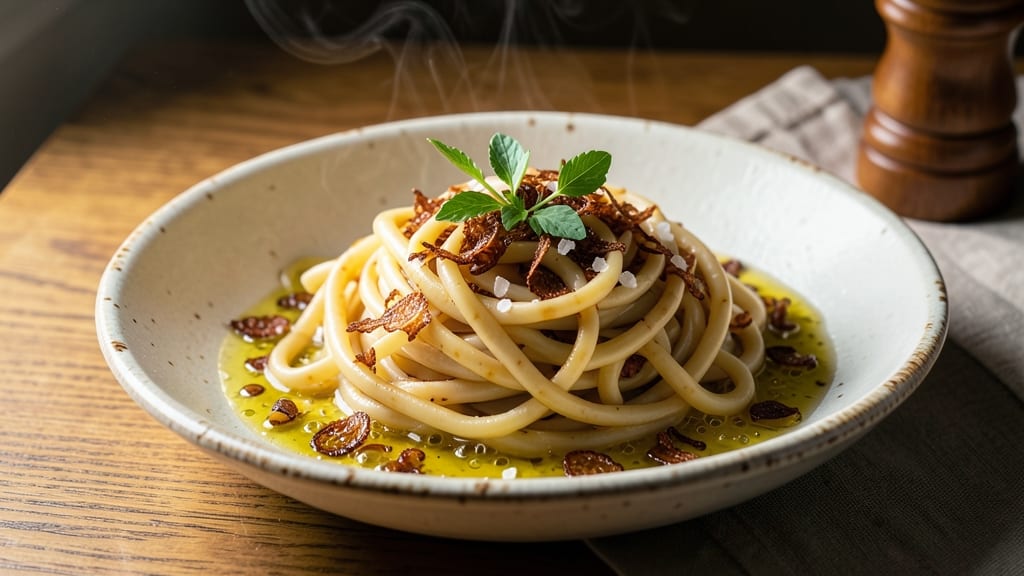
This thick egg noodle recipe delivers the kind of homestyle comfort that transforms simple meals into something special. 💛 The secret lies in the dough—just eggs, flour, and a touch of salt—rolled thin and cut into wide ribbons that cook up buttery and pillowy in minutes.
I first made these for a Sunday brunch when I wanted noodles that held their shape yet melted in your mouth, and they’ve been a staple ever since.
The process is straightforward but precise: combining ingredients until the dough pulls away cleanly, resting it to relax the gluten, then rolling and cutting with care. Whether you’re making stir-fries, soups, or baked noodle casseroles, these noodles absorb flavors beautifully while maintaining their structure.
The key? A light dusting of flour before cooking to prevent sticking, so every bite stays tender.
What sets these apart is their versatility—they work as the star of a hearty beef noodle soup or as the perfect vehicle for a quick weeknight stir-fry.
The dough comes together in under 10 minutes, and the noodles cook in just 2-3 minutes, making them ideal for busy mornings or last-minute dinners. The result? A plate of golden, al dente noodles that taste like they’ve been simmering all day.
For extra richness, reserve some pasta water to toss with the cooked noodles—it creates a silky finish that clings perfectly. Pair with your favorite proteins or vegetables, and you’ll have a dish that feels both restaurant-quality and deeply comforting. Let’s get started!
Ingredients for thick egg noodle
Four simple ingredients transform into the perfect homestyle egg noodles.
| Ingredient | Amount | Notes |
|---|---|---|
| Large Eggs 🥚 | 4 whole | Room temperature for even mixing |
| All-Purpose Flour 🌾 | 2 ½ cups | Plus 1 tbsp for dusting rolling pin |
| Kosher Salt 🧂 | ½ tsp | Fine grain preferred for dough |
| Unsalted Butter 🧈 | 2 tbsp | Cold, cubed for dough richness |
| Water 💧 | ¼ cup | Cold, if needed for dough consistency |
| Extra-Virgin Olive Oil 🫒 | 1 tbsp | For dough and finishing noodles |
| Semolina Flour 🌾 | ½ cup | For dusting and coating noodles |
The eggs are your secret weapon here—use room temperature ones for a smoother dough. Kirkland Signature or Vital Farms eggs work best for that rich, tender texture. Flour matters too: King Arthur or Gold Medal all-purpose flour gives the best structure. I always grab extra flour just in case—I’ve had doughs turn out too dry before. The butter adds that signature richness, so don’t skip it. Cold cubes blend better than melted butter, and you’ll thank me later when your noodles have that melt-in-your-mouth quality.
No semolina? All-purpose flour works in a pinch, but semolina gives that perfect al dente bite. Short on eggs? Add 1 tbsp water per missing egg to keep the dough workable. The dough should be soft but not sticky—if it’s too dry, add a splash of water. Too sticky? Dust with a bit more flour. For extra flavor, I sometimes add a pinch of black pepper or a dash of garlic powder to the dough, but that’s totally optional. The key is letting the dough rest for 30 minutes before rolling—this relaxes the gluten and makes cutting the noodles a breeze.
Freshly made noodles are best, but you can freeze them for up to 3 months—just lay them flat on a tray first to prevent sticking. Store-bought egg noodles? Toss them with a little olive oil and freeze for quick meals. The dough keeps in the fridge for 2 days if wrapped tightly in plastic. Pro tip: save some pasta water before draining—tossing cooked noodles with it adds that silky finish that makes everything taste restaurant-quality.
Why You'll Love This Recipe
- Four-Ingredient Magic: I swear, the simplicity of eggs, flour, salt, and butter makes this foolproof. No measuring cups, no fancy tools—just mix, knead, roll, and cook. Honestly, I’ve made this in my dorm kitchen, a tiny apartment, and even a camp stove. It’s that unfussy.
- Butter-Kissed Richness: That first bite of thick, chewy noodles with butter melted into the dough? Ridiculously good. The eggs add a tender bite, while the butter—just a pinch—keeps them from drying out. I’ll be real: it’s the kind of flavor that makes you forget you’re eating something you made yourself.
- Meal Prep MVP: These noodles hold up like champions. Toss them with a quick sauce, refrigerate, and reheat with a splash of water—they’ll be just as satisfying the next day. Between us, I’ve fed a crowd with these, served them at potlucks, and even packed them for lunch. They’re my secret weapon for lazy Sundays or hectic weeknights.
- Budget-Friendly Staple: Flour, eggs, salt, butter—all pantry basics that won’t break the bank. A batch feeds four for under $2, and leftovers? Even better. I’ve stretched a single dough into three meals, and nobody’s ever complained. It’s the kind of recipe that makes you feel like you’re getting a five-star meal without the five-star price tag.
Step-by-step instructions for thick egg noodles
Here's how to make pillowy, buttery egg noodles that feel like a warm hug in every bite.
👨🍳 Step 1: Mix the Dough to Perfect Consistency
In a large mixing bowl, combine the 4 whole Large Eggs and 2 tbsp Unsalted Butter (cold cubes). Whisk vigorously for 2 minutes until the butter melts completely and the mixture becomes pale yellow and slightly thickened. This step creates the rich, tender texture that makes these noodles special.
In a separate bowl, whisk together the 2.5 cups All-Purpose Flour and 0.5 tsp Kosher Salt. Gradually add the dry mixture to the egg-butter combination while stirring continuously with a wooden spoon. You'll notice the dough becomes shaggy at first—that's normal! After about 1 minute, the dough will start coming together.
Add the 1 tbsp Extra-Virgin Olive Oil and the 0.25 cup Water (if needed) 1 tablespoon at a time until the dough forms a smooth, elastic ball that pulls away from the sides of the bowl. It should be slightly tacky but not sticky. If it's too dry, add a few drops more water; if too sticky, sprinkle in a little more flour. This balance ensures tender noodles that won't be tough.
🥘 Step 2: Knead Until Silky and Smooth
Lightly flour a clean work surface and turn out the dough. Knead for 8-10 minutes using a rhythmic motion—push, fold, turn, and repeat—until the dough becomes smooth, elastic, and slightly springy when pressed. This step develops the gluten structure that gives the noodles their signature chewy yet tender bite.
I like to press my knuckles into the dough during kneading to check for readiness. If the dough springs back slowly and leaves a faint indentation, it's ready. Wrap the dough tightly in plastic wrap and let it rest at room temperature for 30 minutes. This resting period relaxes the gluten, making rolling and cutting much easier.
Here's a pro tip: If your kitchen gets warm, refrigerate the dough for 15 minutes instead. The dough should be cool but pliable when you're ready to roll—warm dough sticks to everything and tears easily.
🔪 Step 3: Roll the Dough to Even Thickness
Divide the rested dough into 4 equal portions (about 8 ounces each) and keep the remaining portions covered while you work. On a lightly floured surface, roll one portion into a ¼-inch thick rectangle using a rolling pin. Dust the surface and rolling pin with semolina flour as you go—this prevents sticking and gives the noodles their signature texture.
For perfectly even noodles, use a pasta machine set to the widest setting first, then gradually adjust to thinner settings. If you don't have a machine, roll by hand until you achieve ¼-inch thickness—press firmly but evenly. The goal is consistency so the noodles cook uniformly. If the dough resists rolling, let it rest for 5 minutes while you work with the next portion.
Cut the dough into ¼-inch wide strips using a sharp knife or pasta cutter. For classic egg noodles, you can either cut them into 2-inch lengths or leave them as long strips. Toss the cut noodles with additional semolina flour to prevent sticking. Repeat with the remaining dough portions.
🔥 Step 4: Cook to Al Dente Perfection
Bring a large pot of water to a rolling boil and salt it generously (about 1 tablespoon salt). Add the noodles in batches—don't overcrowd the pot or the water temperature will drop. Stir gently to prevent sticking. Cook for 2-3 minutes until they float to the surface and are al dente—they should be tender but still slightly firm to the bite.
Drain the noodles immediately in a colander and rinse briefly under cold water to stop the cooking process. Toss with 1 tablespoon Extra-Virgin Olive Oil to prevent sticking and give them a silky finish. Serve immediately with your favorite sauce or butter and herbs for that ultimate homestyle comfort.
Real talk: These noodles are best served fresh, but you can also blanch them, drain well, and freeze on a tray before transferring to a bag. Cook from frozen by adding 1 minute to the cooking time—just don't skip the oil toss after draining!
Pro Tips For Making Thick Egg Noodle
- CHILL THE DOUGH: After mixing eggs, flour, and salt, let the dough sit covered in the fridge for 30 minutes before rolling. I used to skip this, and the dough always stuck to the rolling pin—now it glides like butter. Cold dough also prevents overworking the gluten, which makes for a tender, not chewy, noodle.
- WEIGH YOUR FLOUR: Use a kitchen scale for the flour—no guessing. Two cups of all-purpose flour can vary by 30 grams between brands, and that tiny difference throws off the egg-to-flour ratio. I learned this after making a batch that turned out gummy; now I measure by weight every time.
- STEAM THE NOODLES: After boiling, drain the noodles and immediately cover the pot with a lid for 2 minutes. The trapped steam finishes cooking them evenly and keeps them from drying out while you toss them in butter. Sounds silly, but it makes a real difference in texture—no more mushy or undercooked spots.
- SALT THE WATER: Add 2 tablespoons of kosher salt to the boiling water—yes, even if you’re using salted butter later. The salt infuses the noodles during cooking, and cutting back on butter salt later prevents a bland, one-note dish. Trust me, your taste buds will notice.
Common mistakes when making this dish
Over-Kneading Dough
I’ve ruined more dough than I’ll admit by over-kneading—it turns tough and chewy instead of tender. Stop when the dough springs back slowly when pressed with your knuckle (about 8-10 minutes total).
Over-kneading develops too much gluten, which makes your noodles rubbery. If you’re unsure, test a small piece: it should stretch slightly without tearing. 💡
Skipping the Rest
The 30-minute rest isn’t optional—it’s when the gluten relaxes and the dough becomes pliable. Without it, your noodles will tear when rolling or cutting. If you’re short on time, refrigerate the dough for 15 minutes instead.
Trust me, this step makes all the difference between perfect noodles and a frustrating mess. ⏰
Uneven Rolling
Thickness matters! If your noodles cook unevenly, it’s because the dough wasn’t rolled to a consistent ¼-inch thickness. Use a pasta machine for precision, or measure with a ruler if rolling by hand.
Press firmly but evenly—no light spots. Uneven noodles mean some will be mushy while others stay hard. Pro tip: Dust with semolina flour as you roll to prevent sticking. 🔨
Overcrowding the Pot
Adding too many noodles at once drops the water temperature, causing them to cook unevenly. Cook in 2 batches max—your pot should still feel crowded but not packed.
Stir gently to prevent clumping. Overcrowding also makes draining messy and can lead to gummy noodles. A large 8-quart pot works best for this recipe. 🍲
Not Testing for Doneness
Noodles should float when they’re done, but that’s not enough! Taste one—it should be al dente (slightly firm to the bite). Overcooked noodles turn mushy and lose their texture.
Start checking at 2 minutes and drain immediately after they float. Rinsing with cold water stops cooking and prevents sticking, but don’t skip the olive oil toss afterward. 💫
Ignoring the Oil Toss
Skipping the final olive oil toss is a rookie mistake. It coats the noodles, preventing them from sticking together and adding a silky finish. Use 1 tablespoon of high-quality EVOO—cheap oil won’t give the same richness.
Toss immediately after draining while the noodles are still hot. This step alone elevates your dish from good to restaurant-quality. 🫒
Nutrition facts
Frequently asked questions
Can I make these noodles without a pasta machine?
Roll the dough by hand on a lightly floured surface until you reach a consistent ¼-inch thickness. Use a sharp knife or ruler to measure and cut the strips. For extra precision, fold the dough in half and roll again—this creates thinner, more even layers. Press firmly but evenly to avoid thick spots that would cook unevenly.
How do I store leftover egg noodles?
Fresh noodles keep in an airtight container in the fridge for 2-3 days. For longer storage, blanch them for 1 minute, drain well, and freeze on a tray before transferring to a bag. Cook from frozen by adding 1 extra minute to boiling time. Never refreeze thawed noodles—they’ll turn mushy.
Can I substitute butter with oil in the dough?
You can replace the butter with 2 tablespoons melted olive oil, but the texture will be slightly lighter. Butter adds richness and tenderness that oil can't fully replicate. For best results, stick with cold cubed butter—it emulsifies better with the eggs and creates that signature pillowy quality. If you must use oil, add 1 extra tablespoon to compensate for the missing fat.
What's the best way to reheat cooked noodles?
For best texture, reheat in a skillet with 1 tablespoon butter or olive oil over medium-low heat for 2-3 minutes, stirring constantly. Add 1-2 tablespoons water or broth to create steam and prevent drying. Microwaving works in a pinch—toss with a splash of water, cover, and heat for 45 seconds, but the texture won't be as good.
Why did my noodles turn out too thin?
This usually happens when the dough wasn't rolled evenly or rested properly. Press your rolling pin firmly and consistently, and check the thickness with a ruler. If the dough was too warm during rolling, it stretches easily but loses structure. Always let the dough rest 30 minutes at room temperature before rolling—this prevents uneven thickness and tearing.