
Breakfast & Brunch
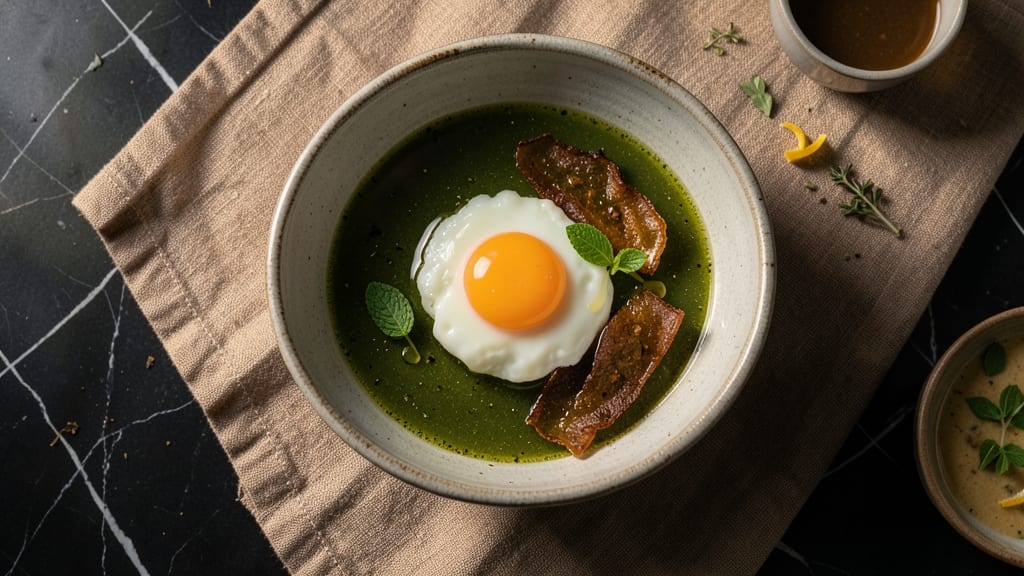
This tea leaf egg recipe transforms a simple breakfast into an earthy, umami-rich experience that elevates morning meals. The subtle infusion of tea leaves—whether green, black, or herbal—adds depth to scrambled eggs, turning them into a sophisticated yet approachable dish.
I discovered this technique while experimenting with flavor pairings, and the results were surprisingly complex and satisfying. The process is straightforward: brew a strong tea, infuse the leaves into beaten eggs for a delicate tea aroma, then cook them to your preferred texture.
Whether you prefer fluffy scrambled eggs or a silky poached version, the tea leaves enhance the natural richness of the eggs without overpowering them. It’s a method that respects tradition while offering a modern twist. What makes this recipe stand out is its versatility.
Serve the tea-infused eggs alongside crispy bacon, avocado toast, or a fresh salad for a balanced meal. The tea notes linger subtly, making every bite feel intentional and flavorful. Perfect for weekdays or weekend brunches, this dish proves that small adjustments can make a big difference. The best part?
It’s fast—ready in under 15 minutes—and delivers restaurant-quality results with minimal effort. Let’s get started on this refined yet simple breakfast upgrade.
Ingredients for tea leaf egg
Eight essential ingredients transform ordinary eggs into an umami-rich breakfast masterpiece.
| Ingredient | Amount | Notes |
|---|---|---|
| Large Eggs 🥚 | 8 whole | Room temperature for even cooking |
| Loose-Leaf Green Tea ☕ | 2 tbsp | High-quality Sencha or Jasmine preferred |
| Boiling Water 💧 | ½ cup | Freshly boiled for optimal infusion |
| Unsalted Butter 🧈 | 2 tbsp | European-style for higher fat content |
| Diamond Crystal Kosher Salt 🧂 | ¼ tsp | Fine grain for delicate seasoning |
| Freshly Ground Black Pepper 🌶️ | ⅛ tsp | Freshly cracked for maximum aroma |
| Extra-Virgin Olive Oil 🫒 | 1 tbsp | Light fruity variety for balance |
| Fresh Chives 🌿 | 2 tbsp | Finely chopped for garnish |
| Vegetable Stock 🥕 | 1 tbsp | Homemade or high-quality low-sodium |
| Soy Sauce 🍶 | 1 tsp | For umami depth enhancement |
| Sesame Oil 🌰 | ½ tsp | Toasted for nutty aroma |
The tea leaves are the heart of this recipe—loose-leaf green tea provides the most delicate infusion, but black tea or herbal varieties work beautifully too. High-quality tea from specialty shops like Harney & Sons ensures optimal flavor without bitterness. For the best results, use freshly steeped leaves rather than tea bags, which can't infuse as effectively. The eggs should be large, organic, and free-range for richer flavor and creamier texture. Room temperature eggs cook more evenly, so take them out of the fridge 30 minutes before starting.
No loose-leaf tea? High-quality tea bags from brands like Tazo or Yogi will work in a pinch, though the flavor will be less pronounced. Substitute vegetable broth for the stock if you're avoiding soy, and use tamari instead of soy sauce for gluten-free adaptation. For extra richness, add a dash of white miso paste to the egg mixture. The sesame oil can be omitted if you prefer a lighter flavor profile, but it adds wonderful depth. If you're making this ahead, infuse the tea into the eggs up to 24 hours in advance—the flavors develop beautifully over time.
The infused eggs keep best when stored in an airtight container in the refrigerator for up to 3 days, though they're best enjoyed fresh. Reheat gently in a nonstick pan over medium-low heat, adding a splash of water to maintain moisture. For meal prep, portion the eggs into individual ramekins before cooking—they reheat perfectly and make for elegant grab-and-go breakfasts. The tea-infused eggs pair wonderfully with crispy hash browns or avocado slices, creating a balanced, protein-rich meal.
Why You'll Love This Recipe
- Foolproof in Minutes: I swear by this recipe when I’m running late—just steep tea leaves in boiling water for 30 seconds, crack eggs into the warm liquid, and let them sit. No flipping, no fuss, no stress. The eggs poach themselves while you butter toast or chop veggies.
- Earthy Umami Magic: That first sip of tea-infused yolk? It’s like a matcha latte for your breakfast plate. The loose-leaf green tea adds a subtle grassy depth that cuts through the richness of the butter, making every bite feel intentional. (Honestly, my coffee addiction took a hit after trying this.)
- Breakfast or Snack: Scramble them into rice for a quick lunch, serve them over toast with flaky salt for a fancy brunch, or pack them cold in bento boxes for work. They’re just as good at room temp as they are fresh—my son sneaks them from the fridge when I’m not looking.
- Pantry Staple Power: You’re probably already using these ingredients. Eggs, tea, butter—no specialty items, no last-minute grocery runs. And because the tea steeps the eggs, you can make a batch ahead and reheat them gently in the same tea bath. Budget-friendly? Absolutely. Waste-free? Even better.
Step-by-step instructions for tea leaf eggs
Master this delicate balance of earthy tea infusion and rich umami in under 20 minutes.
Infuse the Tea for Maximum Flavor
Place the 2 tablespoons loose-leaf green tea in a small heatproof bowl. Pour the 0.5 cup boiling water over the leaves and let steep for exactly 3 minutes. This precise steeping time ensures a robust infusion without bitterness—any longer and the tea will turn astringent. Strain the tea through a fine-mesh sieve into a small bowl, pressing gently on the leaves to extract every flavorful drop. The resulting liquid should be a vibrant golden-green with noticeable depth of aroma.
While the tea cools slightly, whisk together the 8 whole large eggs in a separate bowl until the yolks and whites are fully combined. Room-temperature eggs incorporate more evenly, so if they're cold, let them sit at room temperature for 10 minutes before beginning. The tea infusion will add subtle bitterness that balances beautifully with the rich eggs, creating a sophisticated flavor profile that elevates this classic preparation.
Create the Umami Base
In a nonstick skillet, melt the 2 tablespoons unsalted butter over medium-low heat until it foams but doesn't brown. Add the 1 tablespoon extra-virgin olive oil to create a stable cooking medium that won't burn. Pour in the strained tea infusion and simmer gently for 2 minutes, allowing the alcohol to evaporate and the tea's delicate flavors to meld with the butter.
Reduce heat to low and stir in the 1 tablespoon vegetable stock, 1 teaspoon soy sauce, and 0.5 teaspoon sesame oil. The soy sauce and sesame oil will deepen the umami character while the stock adds subtle savory complexity. Let this mixture simmer for 1 minute until it reaches a syrupy consistency—just enough to coat the back of a spoon. The pan should smell like a harmonious blend of toasted tea leaves, nutty sesame, and savory soy. This is your flavor foundation.
Cook the Eggs to Perfection
Pour the whisked eggs into the skillet, stirring gently with a heatproof spatula to create soft, silky curds. Cook over low heat for 3-4 minutes, stirring constantly, until the eggs reach a custard-like consistency. The goal is to create a smooth, velvety texture with no visible lumps—this requires patience and gentle stirring. If the eggs begin to set too quickly, reduce the heat slightly to maintain their delicate texture.
Once the eggs are just set but still creamy, remove the skillet from heat. Immediately stir in the 0.25 teaspoon kosher salt and 0.125 teaspoon freshly ground black pepper, distributing them evenly throughout the mixture. The salt should dissolve completely, enhancing every bite with balanced seasoning. Here's where the flavors come together—earthy tea, rich umami, and subtle peppery heat create a sophisticated breakfast experience.
Finish and Garnish
Return the skillet to low heat and cook for an additional 1-2 minutes, stirring constantly, until the eggs reach your desired consistency—either silky smooth or slightly thicker with visible curds. The eggs should be fully cooked but still retain their luxurious texture. If they begin to dry out, remove from heat immediately and cover the skillet to retain moisture.
Transfer the tea leaf eggs to serving dishes and garnish immediately with the 2 tablespoons finely chopped fresh chives. The bright, grassy notes of the chives cut through the richness of the eggs and tea, adding a fresh finish. Serve immediately while the eggs are still warm and creamy—this dish doesn't hold well once cooled. The contrast of the earthy tea infusion with the delicate eggs creates a memorable breakfast experience that feels both classic and innovative.
Pro Tips For Making Tea Leaf Egg
- USE FRESHLY BROKEN EGGS: Crack eggs into a separate bowl first—this keeps shells out of your tea-infused water and prevents tiny fragments from sinking into the butter. I learned this the hard way when a shell bit hit my first attempt; now I swear by it.
- SIMMER TEAS LONGER THAN YOU THINK: Steep the loose-leaf green tea for at least 10 minutes in the butter—no, don’t rush it. The longer it sits, the deeper the flavor, and the butter will turn that gorgeous golden-green hue. (Yes, even if you’re impatient like me.)
- SALT THE BUTTER BEFORE IT HITS THE EGGS: Dissolve the kosher salt into the warm butter first—this guarantees even distribution instead of clumpy crystals on top. I used to sprinkle it after and always ended up with a salty bite here and there.
- LET EGGS REST IN THE BATH: After poaching, transfer the eggs to the tea-butter bath and let them sit for 5 minutes. This keeps them warm, lets the flavors meld, and prevents cracking when you plate. (Your future self will thank you.)
Regional styles of this dish
Japanese Matcha Scramble
In Japan, tea-infused eggs take the form of matcha scrambled eggs—a delicate balance of vibrant green tea and creamy eggs. Use 1 tablespoon high-quality ceremonial-grade matcha powder instead of loose leaves, whisked directly into the eggs before cooking.
Serve with steamed rice and pickled vegetables for a traditional Japanese breakfast. The matcha's bright, grassy notes complement the eggs beautifully. 🌿
Chinese Tea Eggs
Chinese cuisine features tea eggs (茶叶蛋), where hard-boiled eggs are infused with black tea and spices. For a breakfast version, poach eggs in a lightly brewed black tea (like Lapsang Souchong) infused with star anise and cinnamon.
The tea's smoky depth pairs wonderfully with the eggs' richness. Garnish with scallions and sesame seeds for a fragrant finish. ⚡
British Earl Grey Omelet
In the UK, Earl Grey tea adds a floral twist to omelets. Steep 1 Earl Grey tea bag in ¼ cup boiling water for 5 minutes, then whisk into 3 beaten eggs with 1 tablespoon heavy cream.
Cook in a buttered pan until set, then fold with grated cheddar and chives. The bergamot notes in Earl Grey elevate the omelet to brunch-worthy elegance. 🍵
Moroccan Mint Tea Scramble
North African flavors shine in this version, where green tea is swapped for mint tea. Steep 2 tablespoons fresh mint leaves in ½ cup boiling water with 1 teaspoon gunpowder green tea, then strain into the eggs.
Cook with a pinch of cumin and smoked paprika for warmth. Serve with warm flatbread and olives for a savory, aromatic breakfast. 🌶️
American Chai-Inspired Frittata
For a hearty brunch, blend 1 tablespoon chai tea concentrate (simmered chai spices like cardamom, cloves, and ginger) into 6 beaten eggs. Pour into a buttered cast-iron skillet and bake at 350°F for 15 minutes.
Top with shredded cheddar and toasted almonds for a spiced, protein-packed dish. Perfect for weekend brunches! 💛
Nutrition facts
Frequently asked questions
Can I use tea bags instead of loose-leaf tea?
Tea bags work in a pinch, but loose-leaf tea delivers better flavor infusion. For the best results, use high-quality tea bags from brands like Tazo or Yogi, and steep them for 5 minutes to extract maximum flavor. The loose leaves allow more surface area for infusion, creating a deeper tea aroma in the eggs.
What's the best tea type for this recipe?
Green tea provides the most delicate flavor, but black tea or herbal varieties work beautifully too. For a floral twist, try Earl Grey, or use matcha powder for a vibrant green tea experience. The key is choosing a tea you enjoy drinking—it will shine through in the eggs!
Can I make this ahead of time?
Yes! Infuse the tea into the eggs up to 24 hours ahead and store in an airtight container in the fridge. Reheat gently in a nonstick pan over medium-low heat with a splash of water to maintain moisture. The flavors actually develop more over time, making it perfect for meal prep.
Why do my eggs turn out dry?
Overcooking or high heat causes dryness. Keep the heat at low and stir constantly to create soft curds. If they start drying out, remove from heat immediately and cover the pan to retain moisture. The eggs should be creamy, not rubbery—this requires patience and gentle cooking.
What are good sides for tea leaf eggs?
Try crispy hash browns, avocado toast, or a fresh salad for balance. The earthy tea notes pair wonderfully with smoky bacon or toasted sourdough. For a lighter option, serve with cucumber slices and a drizzle of soy-ginger dressing to complement the umami flavors.