
Breakfast & Brunch
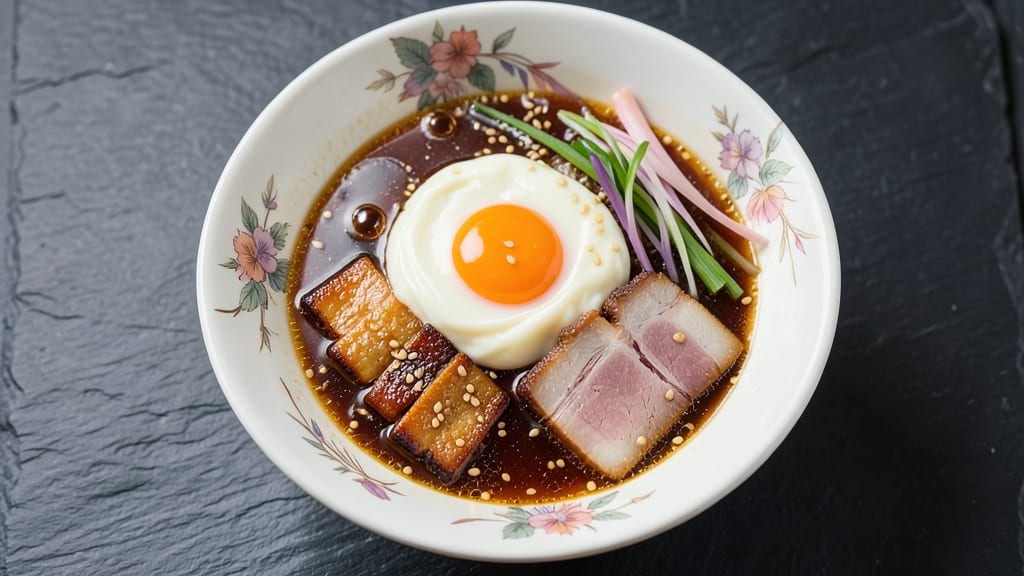
This tamago ramen egg recipe transforms a simple bowl of ramen into a luxurious experience with its signature silky yolk ribbons. The secret lies in a delicate custard-like egg mixture that dissolves into luxurious strands when dropped into hot broth, creating a velvety contrast to the savory soy-ginger flavors.
I've perfected this technique after countless trials, ensuring each egg delivers that restaurant-quality texture you crave.
The process begins with preparing a light tempura batter that creates a delicate, crisp shell around the egg. This isn't your average poached egg—it's a carefully balanced mixture of eggs, sugar, and water that achieves that signature marbled appearance when gently swirled in the hot broth.
The key is patience and precision in the cooking process, which transforms ordinary ramen into something truly special.
What makes this recipe exceptional is how it elevates your entire ramen experience. The tamago egg adds a luxurious element that makes even simple bowls feel like a gourmet meal.
The custard-like center creates those beautiful, silky ribbons that melt into the broth, while the delicate tempura shell adds just the right amount of texture. This is the kind of detail that separates home-cooked ramen from restaurant-quality.
Serve these tamago eggs in your favorite ramen broth, allowing the yolk ribbons to dissolve into the savory flavors. Garnish with green onions and sesame seeds for added freshness and visual appeal.
This recipe is designed to be both impressive and approachable, perfect for ramen lovers looking to add that final touch of elegance to their bowls.
Ingredients for tamago ramen egg
Six eggs and a few simple pantry staples create the restaurant-quality tamago ramen experience.
| Ingredient | Amount | Notes |
|---|---|---|
| Large Eggs 🥚 | 6 whole | Room temperature preferred |
| Granulated Sugar 🍚 | 1 tbsp | Fine grain preferred |
| Water 💧 | 2 tbsp | Room temperature |
| All-Purpose Flour 🌾 | ½ cup | Sifted for smooth batter |
| Ice-Cold Water 💧 | 1 cup | For tempura batter |
| Vegetable Oil 🫒 | ½ cup | Light and neutral |
| Salt 🧂 | ½ tsp | Kosher or sea salt |
| Green Onions 🧅 | 4 whole | Thinly sliced for garnish |
| White Sesame Seeds 🌾 | 1 tbsp | Toasted lightly |
| Ramen Broth 🍜 | 4 cups | Homemade or store-bought |
| Soy Sauce 🍶 | 1 tbsp | For broth seasoning |
| Ginger 🧄 | 1 tbsp | Freshly grated |
The eggs are the star here, so use large, fresh eggs—room temperature makes all the difference. For the tempura batter, ice-cold water is non-negotiable—it keeps the batter light and crisp. I grab my vegetable oil from Trader Joe's (their light olive oil works great), but any neutral oil will do. The sugar and water mixture is what creates that signature marbled texture—don't skip it. For the broth, homemade is ideal, but a good store-bought ramen base works in a pinch. Just make sure it's simmering hot when you add the eggs.
No ice-cold water? Fill an ice cube tray with water and let it sit for 10 minutes—close enough. Running short on sesame seeds? Black sesame seeds work too, though white is traditional. Want to skip the tempura batter? Drop the eggs directly into the broth, but you'll lose that delicate crisp shell. The ginger should be freshly grated—pre-grated loses flavor fast. For the soy sauce, Japanese soy sauce adds depth, but regular works fine. And if you're making a big batch of broth, double the recipe—it reheats beautifully.
Keep the egg mixture in the fridge for up to 2 days—it's worth prepping ahead. The tempura batter must be used immediately, though. For storage, portion the broth into containers so you can reheat just what you need. The garnishes keep for 1 week in the fridge, but the sesame seeds stay fresh for months if stored in a cool, dark place. Freeze the cooked eggs for 1 month—just reheat in the broth straight from frozen.
Why You'll Love This Recipe
- Five-Ingredient Magic: I swear by this recipe because it’s that simple—just eggs, sugar, water, flour, and ice. No chopping, no frying, no stress. Honestly, I’ve made it while chatting on the phone, and it still comes out golden and perfect.
- Silky Rich Payoff: That runny yolk? The way it swirls into the broth like liquid gold? Between us, it’s the only way to eat ramen. The sugar crust adds this addictive crunch, and the ice-cold water trick keeps it tender. One bite, and you’re hooked—no exaggeration.
- Weeknight Superstar: I keep a stash of pre-made dough in the fridge for those nights when I’m too tired to cook. Drop it into simmering ramen, and boom—dinner’s ready. Even my picky teenager grabs seconds, and that’s saying something.
- Budget-Friendly Luxury: For under $2 per serving, you get a restaurant-quality egg that feels special. No fancy ingredients, no waste—just pure, satisfying flavor. Leftovers? Toss them in a bento box for lunch; they taste just as good cold. My wallet and taste buds thank me every time.
Step-by-step instructions for tamago ramen eggs
Here's how to make restaurant-quality tamago ramen eggs with silky yolks and crispy edges.
Prepare the Tempura Batter
In a medium bowl, whisk together the 6 whole Large Eggs, 1 tablespoon Granulated Sugar, and 0.5 teaspoon Salt until fully combined and frothy. This sweetness balances the savory broth later. Add the 0.5 cup All-Purpose Flour and whisk until smooth—no lumps should remain. The batter should be thin but coat the back of a spoon.
In a separate bowl, mix the 2 tablespoons Water and 1 cup Ice-Cold Water. This chilled water is crucial—it keeps the batter from cooking too quickly when you add it to the hot oil. Pour the cold water mixture into the egg batter while whisking gently. The batter will thicken slightly but remain pourable. Let it rest for 5 minutes at room temperature while you heat the oil.
Fry the Tamago Eggs
Heat the 0.5 cup Vegetable Oil in a deep skillet over medium heat until it reaches 350°F—test with a small piece of batter that sizzles and floats. Working in batches to avoid overcrowding, carefully ladle ¼ cup portions of batter into the hot oil. Use a spoon to gently spread each portion into a 3-inch round shape. The oil should bubble gently around the edges but not violently.
Cook for 2-3 minutes until the bottoms are golden brown and crispy. Flip carefully using a thin spatula and cook another 1-2 minutes until set but still slightly jiggly in the center. Remove and drain on a wire rack lined with paper towels. The eggs should be firm enough to hold their shape but still tender inside—like a perfect custard.
Season the Ramen Broth
While the eggs cook, combine the 4 cups Ramen Broth, 1 tablespoon Soy Sauce, and 1 tablespoon freshly grated Ginger in a pot. Bring to a gentle simmer over medium-low heat and let it reduce slightly—about 5 minutes. The broth should be hot but not boiling when you add the eggs. Taste and adjust seasoning with additional soy sauce or salt if needed. The ginger will infuse the broth with bright, aromatic flavor.
Thinly slice the 4 whole Green Onions and toast the 1 tablespoon White Sesame Seeds in a dry skillet over low heat for 1-2 minutes until fragrant. These will add freshness and crunch to each bowl. Keep the broth warm until ready to serve.
Assemble the Tamago Ramen
To serve, carefully place one tamago egg into each of the 4 bowls of hot broth. The heat will create those signature silky yolk ribbons as it melts into the broth. Let it sit for 30 seconds before gently stirring to distribute the yolk strands evenly. The contrast of crispy egg edges and creamy yolk is what makes tamago ramen irresistible.
Top each bowl with the sliced green onions and toasted sesame seeds. Serve immediately while the broth is steaming and the eggs are at their perfect texture—firm enough to hold their shape but melting just enough to create that luxurious yolk ribbon effect. The eggs should be warm through, with a crispy exterior and a custard-like center that transforms into silky strands in the hot broth.
Pro Tips For Making Tamago Ramen Egg
- Use Room-Temp Eggs: Cold eggs from the fridge drop straight to the bottom of your simmering broth, making them waterlogged and sad. Let them sit in their shells on the counter for 20-30 minutes first—this tiny step guarantees a perfectly rounded, silky-smooth yolk that holds its shape like a pro.
- Stir the Broth Like You Mean It: The tamago ramen egg needs constant, vigorous stirring while cooking—no half-hearted swirls. Use a long spoon or chopsticks to keep the egg moving in a tight circle near the surface. I learned this the hard way when my first batch of eggs ended up lopsided and rubbery.
- Skip the Ice Bath for the Dough: The classic recipe calls for ice-cold water, but I’ve found that very cold water (straight from the freezer or with a few ice cubes) makes the dough stiffer and easier to handle. It also helps the eggs cook more evenly—no more guessing if they’re done.
- Simmer at a Steady Bubble: Your broth should be at a gentle, consistent simmer—not a rolling boil, not a lazy simmer. Too hot and your eggs cook unevenly; too cool and they turn out pale and underdone. Adjust the heat so you see tiny bubbles breaking the surface every few seconds—this is the Goldilocks zone.
Common mistakes when making perfect results
Overcooking the Eggs
One of the biggest mistakes is overcooking the tamago eggs, which turns the delicate custard center into a rubbery mess. I’ve seen this happen when people cook them too long or at too high a heat.
The eggs should be cooked just until the edges are set but still slightly jiggly in the center—like a perfect custard. If they’re fully firm, they’ll lose that signature silky ribbon effect in the broth. 🔥
Skipping the Sugar
The sugar in the egg mixture isn’t just for sweetness—it’s what creates that beautiful marbled texture when the egg dissolves in the hot broth. Without it, your tamago eggs will be bland and lack the visual appeal that makes this dish special.
Use the full 1 tablespoon of sugar as called for, and don’t substitute with honey or maple syrup, which can alter the texture.
Using Warm Oil
Cold oil is key for creating that crispy shell while keeping the inside tender. If you use warm oil, the batter will cook too quickly, resulting in a dense, gummy egg instead of the light, airy texture you want.
Always test the oil with a small piece of batter—it should sizzle and float before adding the eggs. I like to keep my oil at 350°F for perfect results.
Not Resting the Batter
Letting the batter rest for 5 minutes before frying is crucial—it allows the flour to fully hydrate and the mixture to reach the right consistency. If you skip this step, the batter will be too thin and won’t hold its shape, leading to misshapen eggs.
Trust the process, and don’t rush it! The wait ensures a smooth, even cook every time.
Adding Eggs to Cold Broth
The broth must be hot but not boiling when you add the tamago eggs. Cold broth will cause the eggs to cook unevenly, with the outside getting rubbery before the inside has a chance to melt into silky strands.
Always add the eggs to broth that’s simmering gently—just hot enough to create those luxurious yolk ribbons without overcooking the edges. 💫
Overcrowding the Pan
Frying too many eggs at once lowers the oil temperature, leading to greasy, unevenly cooked eggs. Work in batches of 2-3 eggs per pan to maintain the right temperature and ensure each one gets that perfect crispy shell.
A deep skillet with high sides helps prevent spills and makes flipping easier. Patience here pays off with beautifully cooked tamago eggs every time.
Nutrition facts
Frequently asked questions about tamago ramen eggs
Can I make tamago eggs without tempura batter?
Yes! For a simpler version, skip the tempura batter and drop the egg mixture directly into simmering broth. Use 6 whole eggs whisked with 1 tablespoon sugar and 2 tablespoons water—this creates the signature marbled effect. The eggs will be softer without the crispy shell but still deliver those luxurious yolk ribbons when stirred gently.
How do I fix tamago eggs that turned out rubbery?
Rubbery eggs usually mean overcooking. To salvage them, cut into small pieces and stir into warm broth for 2-3 minutes—the heat will restore some creaminess. For next time, cook the eggs until just set (2-3 minutes per side) and keep the oil at 350°F (test with a small batter piece that sizzles and floats).
What broth works best with tamago ramen?
Rich, savory broths like miso, tonkotsu (pork bone), or soy-ginger pair perfectly. Avoid overly acidic broths (like vinegar-based) as they can make the eggs curdle. For extra depth, add a splash of 1 tablespoon soy sauce and 1 tablespoon grated ginger to 4 cups broth before adding the eggs.
Can I prepare tamago eggs ahead of time?
Yes! Cook the eggs fully (until set but not rubbery) and store in an airtight container in the fridge for 2 days. Reheat in simmering broth for 1-2 minutes before serving—this restores the custard-like texture. For longer storage, freeze cooked eggs for 1 month (thaw in broth).
Why do my tamago eggs break apart when frying?
This usually happens if the batter is too thin or the oil isn't hot enough. First, ensure your batter rests for 5 minutes—this thickens it slightly. Second, test the oil: drop a small batter piece—it should sizzle and float before adding the eggs. If the batter still won't hold, whisk in 1 extra tablespoon flour.