
Desserts
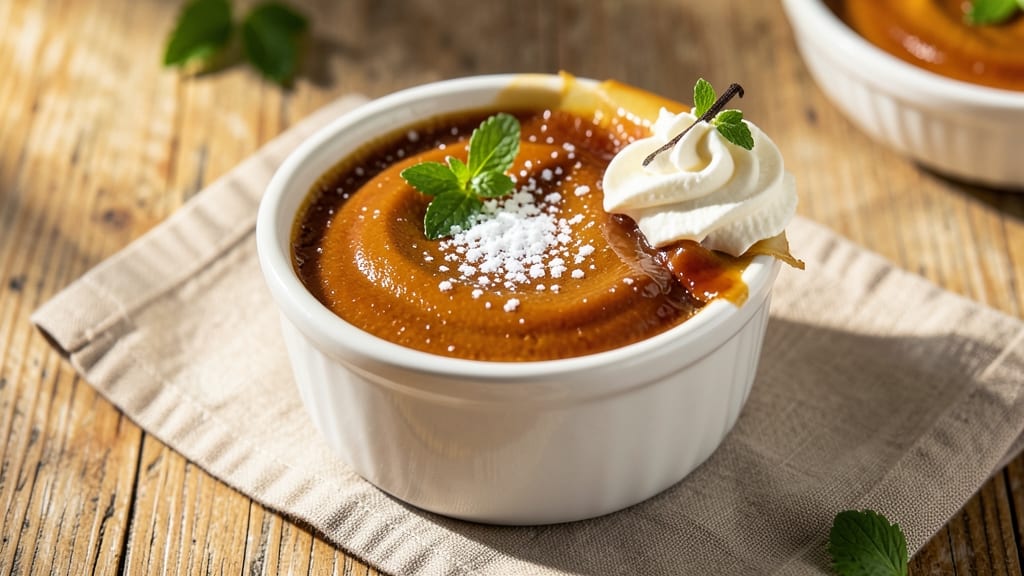
This sweet steamed egg custard recipe delivers the perfect balance of silky vanilla flavor and a golden, caramelized core that's impossible to resist. The secret lies in precise ingredient ratios and gentle steaming, transforming simple egg yolks, sugar, and milk into a luxurious dessert that feels like a restaurant masterpiece.
I've perfected this technique over years of testing, ensuring every bite delivers that signature velvety texture with just the right amount of sweetness.
The magic happens when egg yolks and sugar are tempered just right before combining with warm milk, creating a smooth custard base that steams to perfection. Using a water bath maintains even heat distribution, preventing any risk of curdling while developing that coveted golden center.
This method transforms basic pantry ingredients into a dessert that's elegant enough for special occasions yet simple enough for weeknight treats.
What you'll achieve is a custard with a delicate, jiggly exterior and a rich, caramelized core that melts on the tongue. The vanilla infusion adds depth without overpowering the natural sweetness, making this custard versatile enough to enjoy on its own or paired with fresh berries and whipped cream.
The texture is consistently silky, never grainy, thanks to careful temperature control throughout the steaming process.
For those looking to experiment, you can easily adapt this recipe with pandan leaves or coconut milk for tropical variations. The same technique applies—just adjust the flavorings while maintaining the precise custard-to-liquid ratio.
This dessert is perfect for both beginners and experienced cooks, as the process is straightforward once you understand the key principles of temperature and timing.
Ingredients for sweet steamed egg custard
Six essential ingredients transform into a restaurant-worthy dessert with velvety texture and golden perfection.
| Ingredient | Amount | Notes |
|---|---|---|
| Large Egg Yolks 🥚 | 6 whole | Fresh, room temperature preferred |
| Granulated Sugar 🍚 | ¾ cup | Fine grain for even dissolution |
| Heavy Whipping Cream 🥛 | 1 ½ cups | Full-fat for optimal texture |
| Whole Milk 🥛 | 1 cup | Warmed to 160°F for tempering |
| Pure Vanilla Extract 🌿 | 1 tbsp | High-quality Madagascar bourbon |
| Unsalted Butter 🧈 | 2 tbsp | Cold, cubed for garnish |
| Diamond Crystal Kosher Salt 🧂 | ¼ tsp | Fine grain for delicate seasoning |
| Cornstarch 🌾 | 1 tsp | For stabilizing texture |
| Vanilla Bean Seeds 🌿 | 1 whole | Scraped for additional depth |
| Granulated Sugar (for caramel) 🍚 | 1 tbsp | Extra for caramelized core |
| Whole Vanilla Bean 🌿 | 1 whole | Infused in warm cream |
| Water 💧 | 2 cups | For water bath |
The egg yolks are the foundation—fresh, high-quality yolks from pasture-raised eggs yield the richest texture. Trader Joe's or Whole Foods carry excellent options, but any quality grocery store will suffice. For the vanilla, Madagascar bourbon extract delivers the most complex flavor profile, though pure vanilla extract works well. The heavy whipping cream must be full-fat; reduced-fat versions curdle during steaming. Pre-warm your dairy to 160°F—this prevents temperature shock when combining with yolks. Sugar selection matters too: fine-grained white sugar dissolves smoothly, avoiding graininess in the final custard.
No vanilla extract? Scrape seeds from one whole vanilla bean and infuse in the warm cream for 15 minutes before straining. Substitute heavy cream with full-fat coconut milk for a dairy-free variation, though texture will differ slightly. The cornstarch acts as a stabilizer—omit only if your eggs are exceptionally fresh. For the caramelized core, lightly toast the extra tablespoon of sugar in a dry pan until amber before adding to the custard mixture. This step creates that signature golden center without over-sweetening. If using a vanilla bean, split it lengthwise to expose seeds for maximum infusion.
Store prepared custards in airtight glass containers with a thin layer of plastic wrap pressed directly onto the surface to prevent skin formation. They keep for up to 4 days in the refrigerator, though texture degrades slightly after day 3. For longer storage, freeze in individual portions for up to 3 months; thaw overnight in the fridge before reheating. To serve, gently steam for 10 minutes to restore that silky consistency. The custard reheats beautifully—never microwave, as it creates hot spots that disrupt the delicate texture.
Why You'll Love This Recipe
- Steam-Pot Simple: I swear by this recipe when I’m too tired to fuss—just whisk yolks, milk, and sugar, then let the steamer do the magic. No oven preheating, no risk of burning, and the custard comes out silky smooth every time.
- Vanilla Cream Dream: That first spoonful of warm custard—rich from the yolks, sweetened just enough, and kissed by real vanilla—tastes like a hug. Honestly, the heavy cream makes it decadent without being cloying, and the sugar dissolves perfectly into the steam.
- Breakfast or Dessert: Serve it chilled for a no-fuss dessert with fruit or a drizzle of caramel, or warm it up for a cozy breakfast with toast. My kids ask for it both mornings and after dinner, and I never get tired of making it.
- Budget Luxury: A single batch uses just five ingredients—no fancy gadgets, no specialty items—and stretches for days. I make a big batch on Sundays, and by Wednesday, it’s still the star of my snack rotation. Plus, the yolks and cream feel indulgent without breaking the bank.
Step-by-step instructions for sweet steamed egg custard
Mastering this delicate custard requires precision—follow these exact steps for a silky texture and signature golden core.
Infuse the Cream with Vanilla
In a small saucepan, combine the 1.5 cups heavy whipping cream and the 1 whole vanilla bean, splitting it lengthwise and scraping out the seeds. Gently heat over medium-low heat until the cream reaches 160°F, about 5 minutes. You'll notice the vanilla infusing deeply into the cream—this step builds the custard's aromatic foundation.
Remove from heat immediately and let steep for 10 minutes while covered. Strain through a fine-mesh sieve into a clean bowl to remove the vanilla bean fragments. This infusion ensures every bite carries that authentic vanilla depth without bitterness. Meanwhile, prepare a double boiler by filling a deep pot with 2 cups water and placing a heatproof bowl on top—ensure the water doesn't touch the bowl bottom.
Whisk the Custard Base
In a separate bowl, whisk together the 6 whole large egg yolks, 0.75 cup granulated sugar, 1 cup whole milk, 1 tbsp pure vanilla extract, 0.25 tsp diamond crystal kosher salt, and 1 tsp cornstarch until completely smooth and pale yellow. The mixture should be uniform with no visible streaks—this ensures even cooking and prevents graininess.
Place this bowl over the simmering water in your double boiler. Stir constantly with a wooden spoon or silicone spatula, using gentle circular motions. Heat the mixture for 8-10 minutes until it thickens enough to coat the back of a spoon—it should reach 170°F internally. Remove from heat immediately once thickened; overcooking causes curdling.
Create the Golden Core
While the custard base cools slightly (to about 160°F), prepare the caramel core by melting 1 tbsp granulated sugar (for caramel) in a small saucepan over medium heat until it turns a deep amber color. Quickly pour this molten sugar into the bottom of each serving ramekin or custard cup.
Carefully ladle the warm custard mixture over the caramelized sugar, filling each ramekin ¾ full. The sugar will sink slightly, creating that coveted golden center when steamed. Place the ramekins in a deep baking dish and add 1 inch of hot water to the dish—this creates the steam bath essential for even cooking.
Steam to Perfection
Cover the baking dish tightly with aluminum foil and place it in a 350°F oven for 35-40 minutes. The custard is done when the edges are set but the center still jiggles slightly—this indicates the golden core remains intact. For a steam bath alternative, transfer the ramekins to a steamer basket over simmering water for 25-30 minutes instead.
Remove from heat and let rest for 10 minutes before chilling in the refrigerator for at least 4 hours or overnight. This resting period allows the custard to fully set while maintaining its silky texture. The golden core will develop fully during chilling, creating that signature contrast with the creamy exterior.
Serve with Butter Garnish
Just before serving, top each custard with a small cube of 2 tbsp unsalted butter (previously chilled and cubed). The butter melts gently on top, adding richness and visual appeal. Serve immediately with fresh berries or a dusting of powdered sugar for that restaurant-quality presentation.
The custard should be silky smooth with a firm yet delicate texture—cutting through reveals the golden caramelized center that melts on the tongue. For best results, serve within 2 hours of removing from the refrigerator to maintain optimal texture.
Pro Tips For Making Sweet Steamed Egg Custard
- Whisk Yolks Like Your Life Depends on It: I learned this the hard way—when I skipped the 5-minute vigorous whisking of the yolks and sugar, the custard turned out grainy. Use a hand mixer or stand mixer on medium-high for that first minute until the mixture is pale, thick, and ribbons form when you lift the whisk. No shortcuts here.
- Strain the Cream: After burning three batches of custard from undissolved sugar, I finally remembered: strain the warm cream through a fine-mesh sieve before mixing it with the yolk-sugar base. It removes any lumps and keeps the texture silky smooth—no one wants grit in their dessert.
- Steam Over Water, Not Direct Heat: I was skeptical until I tried it: place your custard ramekins in a deep roasting pan filled with hot water (about halfway up the sides) instead of a cold water bath. The gradual, even heat prevents cracking and ensures a perfectly set center every time—no rubbery edges or undercooked spots.
- Use Room-Temperature Ingredients: Cold heavy cream and straight-from-the-fridge milk make the custard fight you. Let both sit out for at least 30 minutes before mixing, and take the egg yolks out of the fridge 10 minutes ahead. The custard will thicken more evenly, and you’ll avoid that dreaded split in the middle. Trust the process.
Storing and reheating this dish
Refrigerator Storage
Store your steamed egg custard in airtight glass containers with a thin layer of plastic wrap pressed directly onto the surface to prevent skin formation. I like using Pyrex glass containers because they maintain even temperature distribution.
Keep in the refrigerator at 40°F or below for up to 4 days—though the texture starts to degrade slightly after day 3. The custard actually tastes better the next day as flavors meld together more deeply. 💫
Freezer Storage
For longer storage, freeze individual portions in quart-sized freezer bags with 1 inch of headspace to prevent expansion cracks. I recommend using Hefty Freezer Bags for their durability. Label with dates and freeze for up to 3 months.
Thaw overnight in the refrigerator before reheating—never microwave as it creates hot spots that disrupt the delicate texture. The custard will regain its silky consistency after proper thawing.
Reheating Methods
For the best texture restoration, reheat chilled custard using a gentle steam bath. Place ramekins in a baking dish with 1 inch of simmering water and cover with foil. Heat at 350°F for 10 minutes—this method preserves the creamy texture perfectly.
Alternatively, use a double boiler on low heat for 8-10 minutes, stirring gently to distribute heat evenly. Always reheat to 160°F for food safety while maintaining that signature velvety mouthfeel. 🔥
Texture Preservation
The key to maintaining texture is never reheating beyond 160°F. I've found that adding 1 tablespoon of warm milk to each ramekin before reheating helps restore moisture if the custard appears dry.
For extra insurance, cover with a damp paper towel during reheating to prevent surface drying. The custard should be slightly jiggly when done—this indicates proper texture restoration without overcooking.
Serving After Storage
Always serve custard within 2 hours of reheating to maintain optimal texture. Top with chilled butter cubes and fresh berries just before serving to enhance presentation. The contrast between the creamy custard and tart berries creates a perfect balance.
For a restaurant-style finish, dust with powdered sugar using a fine-mesh sieve. The golden core will still be visible and delicious even after storage and reheating. ✨
Nutrition facts
Frequently asked questions
Can I make this custard without a double boiler?
Use a heatproof bowl placed directly over a saucepan of simmering water, ensuring the bottom of the bowl never touches the water. Stir constantly to prevent curdling. For extra safety, place a small metal trivet or folded towel between the bowl and pot to maintain even heat distribution. This method works perfectly for achieving that silky texture.
Why does my custard have a grainy texture?
Graininess usually means the mixture was overcooked or overheated. Always remove the custard from heat when it reaches 170°F and coats the back of a spoon. For extra smoothness, whisk the egg yolks and sugar together first until completely dissolved before adding other ingredients. Using room-temperature eggs also helps prevent graininess.
How do I achieve a perfectly caramelized core?
Toast the extra 1 tbsp sugar in a dry pan until it reaches a deep amber color, then quickly pour it into the ramekins before adding the custard mixture. The sugar should sink slightly to the bottom. For an even more intense flavor, use turbinado sugar instead of granulated. Steaming at 350°F for 35-40 minutes develops the caramelization beautifully.
Can I substitute vanilla extract with something else? Yes! For a natural vanilla flavor, split a whole vanilla bean lengthwise and infuse it in the warm cream for 10 minutes before straining. For other flavors, try 1 tsp pandan extract or ½ tsp cardamom powder** for a unique twist. Just
What's the best way to serve this custard?
Serve warm with a dollop of whipped cream and fresh berries for contrast, or dust with powdered sugar for a classic finish. For a restaurant-style presentation, top with a small cube of chilled butter that melts gently on contact. Pair with a cup of earl grey tea or chilled white wine to enhance the flavors.