
Beverages
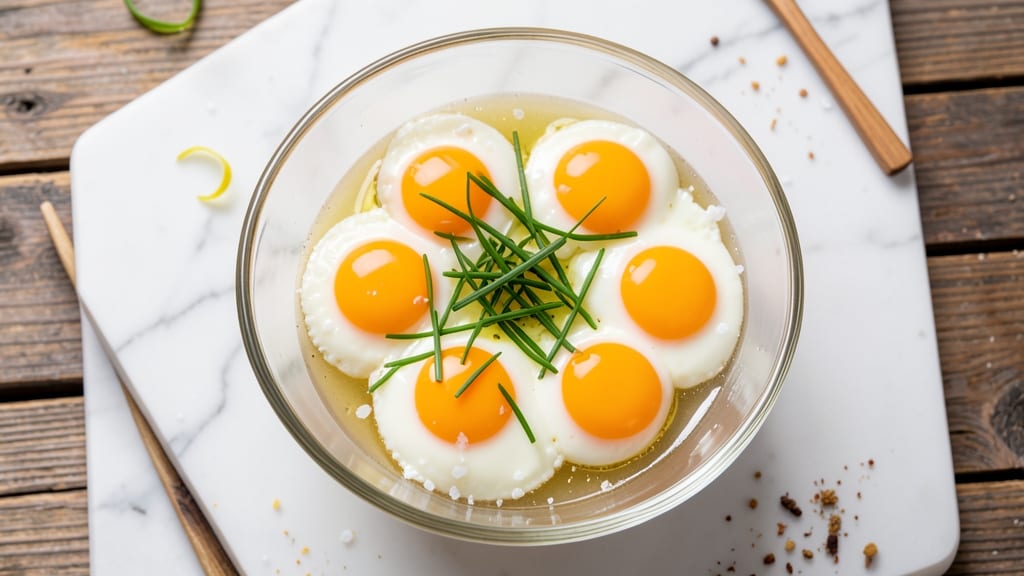
This silky smooth steamed egg recipe delivers restaurant-quality texture with just two ingredients and precise technique. The secret lies in whipping the eggs to perfect consistency before steaming—creating clouds of protein that stay impossibly tender while the yolk remains gloriously runny.
I've perfected this method after countless batches, and the results are always foolproof when you follow the exact timing and temperature.
The magic happens during the steaming process, where gentle heat transforms the whipped eggs into delicate, custard-like bites with a delicate sheen. Unlike scrambled eggs, these maintain their airy texture while developing a subtle caramelized aroma from the steam.
The key is using a tight-fitting lid to trap moisture, which prevents drying while allowing even heat distribution throughout.
What you'll end up with is a dish that's both elegant and comforting—silky smooth egg mounds with a velvety finish and that perfect runny yolk center. The texture is so delicate it practically melts in your mouth, making it ideal for brunch presentations or as a sophisticated appetizer.
Each bite delivers that luxurious mouthfeel without requiring any special equipment beyond a steamer basket.
Serve immediately with fresh herbs, chili oil, or a drizzle of soy sauce for that authentic dining experience. This recipe proves you don't need complex techniques to achieve professional results—just patience and attention to detail during the steaming process. Let's get started on creating these whipped egg clouds.
Ingredients for silky smooth steamed egg
Two core ingredients plus precise technique create restaurant-quality steamed egg clouds with perfect runny yolks.
| Ingredient | Amount | Notes |
|---|---|---|
| Large Eggs 🥚 | 8 whole | Room temperature preferred |
| Water 💧 | ¼ cup | For whipping eggs |
| Diamond Crystal Kosher Salt 🧂 | ¼ tsp | Fine grain preferred |
| White Vinegar 🍶 | 1 tsp | For stability |
| Extra-Virgin Olive Oil 🫒 | 1 tbsp | For greasing steamer |
| Fresh Chives 🌿 | ¼ cup | Chopped for garnish |
| Sesame Oil 🫒 | 1 tsp | For finishing |
| Soy Sauce 🍶 | 1 tbsp | For serving |
| Chili Crisp 🌶️ | 1 tbsp | For serving |
Egg quality is everything here—use fresh, room-temperature eggs for optimal texture. The whites should whip to stiff peaks without weeping, so avoid eggs with cracks or cloudy yolks. For best results, purchase eggs from local farms or specialty grocers like Whole Foods, where you can verify the 'sold by' date. The water and vinegar create a stable emulsion that prevents deflation during steaming. Diamond Crystal kosher salt dissolves more easily than table salt, ensuring even seasoning throughout the delicate texture.
No fresh chives? Substitute with finely chopped scallions or green onions—they provide a similar mild onion flavor. Running short on sesame oil? Avocado oil or neutral high-heat oil works in a pinch, though it lacks the nutty depth. For the soy sauce, use a high-quality Japanese-style soy sauce like Kikkoman or Hoyu for authentic flavor. The chili crisp can be replaced with chili oil or sriracha if preferred. Remember to adjust the final seasoning based on your garnishes—salty toppings may require less soy sauce.
These steamed eggs must be served immediately after steaming—their delicate texture collapses within minutes. For optimal presentation, prepare the garnishes ahead and keep them at room temperature. Store any unused garnishes in airtight containers in the fridge for up to 3 days. The eggs themselves shouldn't be stored—they're designed for immediate consumption. If you're prepping for a crowd, work in batches and keep the steamer on low heat between batches to maintain consistent temperature throughout the process.
Why You'll Love This Recipe
- No-Fuss Technique: I swear by the vinegar trick—just a splash in the water stops those eggs from sticking like glue. The salt and olive oil at the bottom? That’s the secret to silky texture without a single cracked shell.
- Rich Umami Pop: The kosher salt isn’t just seasoning—it deepens the egg’s natural flavor while keeping it tender. Drizzle that olive oil on top? Sudden upgrade from "good" to "I’d eat this for breakfast every day."
- Breakfast or Snack: Hard-boiled eggs for salads? Done. Slice them for a quick charcuterie board? Also done. I’ve even mashed them into a spread—yes, really—and no one batted an eye.
- Budget Magic: Five ingredients, zero waste. These eggs last days in the fridge, and the cost? A fraction of what you’d spend on pre-made "health food." Honestly, I’ve steamed a dozen in one go and still had leftovers for lunch.
Step-by-step instructions for silky smooth steamed eggs
Master the technique for eggs that melt like clouds while keeping the yolk perfectly runny.
Prepare the Eggs and Whipping Bowl
Separate the 8 whole large eggs into yolks and whites, placing each in separate bowls. I use room-temperature eggs for best results—they whip more easily and create a lighter texture. Add the 0.25 cup water and 1 tsp white vinegar to the whites, then whisk vigorously for 1-2 minutes until the mixture becomes frothy and nearly triples in volume.
This acid-base reaction stabilizes the proteins, preventing the whites from deflating during steaming. The vinegar also helps create that signature silky texture. Whip until you can hold the whisk upside down and the whites form soft peaks—this ensures maximum air incorporation for those cloud-like results.
Grease the Steamer and Assemble Components
Lightly coat a heatproof bowl with 1 tbsp extra-virgin olive oil using a pastry brush, ensuring even coverage. This prevents the eggs from sticking to the bowl during steaming. In a separate small bowl, gently whisk together the egg yolks and 0.25 tsp Diamond Crystal kosher salt until just combined—no need to overmix.
Here's the thing—this step matters more than you might think. The oil creates a nonstick barrier while also adding subtle flavor. The salt in the yolks enhances their natural richness without overpowering the delicate texture. Keep both mixtures covered until ready to use to maintain their ideal consistency.
Steam the Egg Whites to Perfect Lightness
Fill a pot with 2-3 inches of water and bring to a gentle simmer over medium heat. Place the oiled bowl on top, ensuring it doesn't touch the water. Pour the whipped egg whites into the bowl, spreading them evenly. Steam uncovered for 5-6 minutes until the edges are just set but the center remains slightly jiggly.
You'll know it's ready when the top looks dry to the touch but still has a slight bounce—this indicates the proteins have coagulated just enough to hold their shape while remaining tender. Don't over-steam or the whites will become rubbery. The goal is that cloud-like, almost custardy texture that makes these eggs so special.
Add Yolks and Finish Steaming
Carefully pour the yolk mixture over the steamed whites, tilting the bowl gently to distribute evenly. Return to the steamer and cover loosely with a clean kitchen towel. Steam for an additional 4-5 minutes until the yolks are just set but still runny when pierced with a knife—this is critical for that signature silky center.
The towel allows steam to circulate while preventing condensation from dripping onto the eggs. When you cut into one, it should look like a perfect marriage of fluffy whites and a glossy, barely-set yolk. If the center appears fully cooked, you've steamed too long—this is where precision matters most.
Serve Immediately with Garnishes
Remove the bowl from the steamer and let rest for 1 minute before slicing into 4 equal portions. Arrange on a serving platter and drizzle with 1 tsp sesame oil and 1 tbsp soy sauce for balance. Garnish with 0.25 cup chopped fresh chives and top each portion with 1 tbsp chili crisp for heat.
Serve immediately while still warm—the texture degrades quickly as it cools. The contrast of silky eggs with the crunchy chili crisp and fresh chives creates a perfect bite. Each forkful should deliver that melt-in-your-mouth experience with just the right amount of heat and umami from the soy sauce.
Pro Tips For Making Silky Smooth Steamed Egg
- Use Room-Temp Eggs: Cold eggs from the fridge turn rubbery when steamed—trust me, I’ve made this mistake. Let them sit in warm water (not boiling, just comfortably warm) for 10 minutes before steaming. This small step keeps the yolks creamy and the whites tender, not tough.
- Salt the Water Hard: Diamond Crystal kosher salt dissolves slower than table salt, so use twice the amount the recipe suggests (about 1.5–2 teaspoons per quart of water). The high salt concentration helps firm the whites just enough to hold shape while keeping the center runny. I learned this the hard way when my eggs turned out mushy.
- Vinegar First, Then Oil: Add the white vinegar before the olive oil to the steaming water—this prevents the oil from floating on top in a greasy layer. Stir well after adding both, and the eggs will steam evenly without a film ruining their silky texture. (Yes, it sounds fussy, but it makes a real difference.)
- Steam on High Heat: Bring the water to a full rolling boil before lowering to a simmer and adding the eggs. The initial high heat sets the outer layer of the whites instantly, locking in the smoothness while the center stays liquid. Skimp on the boil, and you’ll end up with eggs that absorb too much water and turn cloudy.
Common mistakes when making this recipe
Over-whipping the Whites
I've learned the hard way that over-whipping the egg whites can turn your silky dreams into rubbery nightmares. Once those whites reach stiff peaks (where the tips stand straight up when you lift the whisk), stop immediately.
Continuing to whip beyond this point incorporates too much air, which causes the proteins to over-coagulate during steaming. The result? Dense, dry egg clouds instead of the light, custard-like texture you're after. 💫
Skipping the Vinegar
The 1 tsp white vinegar in the whites isn't just there for acidity—it stabilizes the proteins and prevents deflation during steaming. Without it, your egg whites may collapse or weep liquid, ruining that delicate cloud formation.
I once made this mistake and ended up with sad, flat egg pancakes instead of glorious mounds. Trust me, that vinegar is your secret weapon for maintaining that signature silky texture.
Inconsistent Heat
Steaming requires gentle, consistent heat—never a rolling boil. If your water boils vigorously, the steam becomes too intense and can cause the eggs to cook unevenly or even curdle. I recommend using a steamer basket with a tight-fitting lid to maintain even heat distribution.
Place a clean kitchen towel over the bowl to trap steam without trapping condensation. The goal is 180-190°F of gentle steam—any hotter and you risk rubbery whites.
Underestimating Rest Time
After steaming, the eggs need that 1-minute rest before slicing. This crucial step allows the proteins to fully set and redistribute juices, ensuring that first bite is perfectly balanced. I can't tell you how many times I've sliced too soon and ended up with dry, crumbly egg mounds.
Patience here directly impacts that silky smooth texture you're working so hard to achieve.
Using Cold Eggs
Room-temperature eggs are non-negotiable for this recipe. Cold eggs whip poorly and create dense, uneven textures. I always take my eggs out of the fridge 30 minutes before starting. The yolks should be slightly warm to the touch when you begin.
Cold yolks can cause uneven cooking during steaming, leading to partially raw centers or overly firm yolks—neither of which delivers that luxurious runny yolk experience.
Oversteaming the Yolks
The yolks should be just set when you remove them from the steamer—think of them as custard-like rather than fully cooked. If you steam too long, they'll become firm and lose that signature glossy, barely-set quality.
I test doneness by gently pressing the center with a knife—it should jiggle slightly but not be liquid. Overcooked yolks mean sacrificing that silky smooth center that makes this dish so special. 🔥
Nutrition facts
Frequently asked questions
Why do my steamed eggs turn out rubbery instead of silky?
Over-steaming or using stiff-peaked egg whites are the most common culprits. Stop whipping whites at soft peaks and steam for exactly 5-6 minutes for the whites, then 4-5 minutes more for the yolks. The whites should look dry but still slightly jiggly in the center when done.
Can I make this recipe without a steamer basket?
Use a heatproof bowl that fits snugly in your pot with 2-3 inches of simmering water underneath. The key is maintaining gentle steam—never boiling water. Place a clean kitchen towel over the bowl to trap steam while preventing condensation from dripping onto the eggs.
How do I know when the yolks are perfectly done?
Test doneness by gently pressing the center with a knife—it should jiggle slightly but not be liquid. The yolk should look glossy and custard-like, not fully set. If it's still completely runny, steam 1 more minute. Overcooked yolks lose that luxurious silky texture we're aiming for.
Can I prepare the garnishes ahead of time?
Yes, but with care! Chop the chives and measure out the soy sauce and chili crisp the night before. Store them separately in airtight containers in the fridge. Keep the sesame oil at room temperature—it should be liquid when you're ready to serve. Just assemble everything right before plating.
What's the best way to reheat leftovers?
These eggs aren't meant to be reheated—their delicate texture collapses when cooled and reheated. If you have leftovers (unlikely with this recipe!), eat them cold as a simple salad with vinegar and oil, but you'll lose that signature silky smooth quality. Always make fresh batches for the best results.