
Beverages
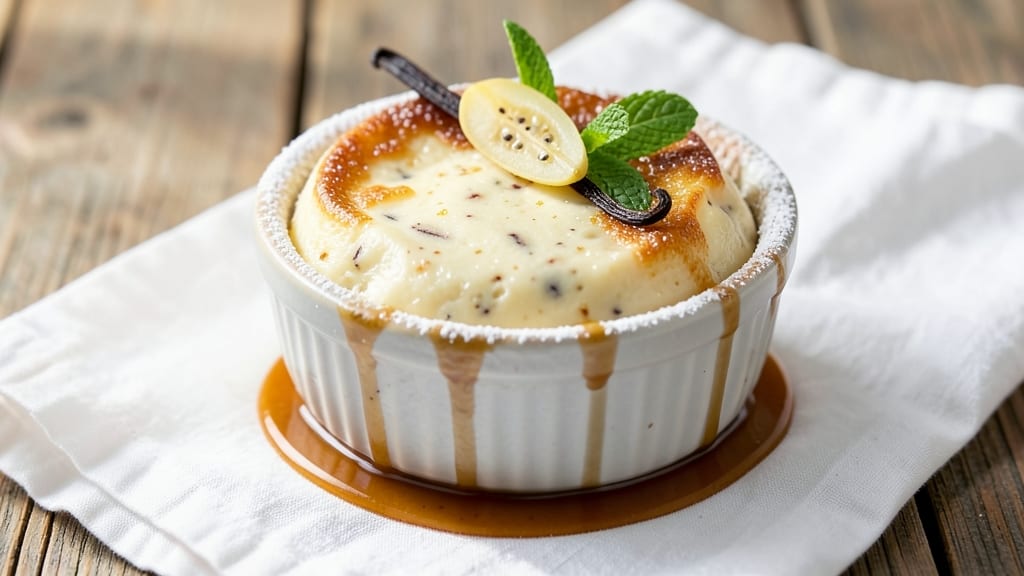
This steamed egg pudding recipe delivers the signature silky silk texture that makes it a beloved comfort dessert. The secret lies in precise egg custard technique and gentle steaming, transforming simple ingredients into a velvety, jiggly masterpiece.
I've perfected this method over years of testing, ensuring every batch achieves that coveted wobble without breaking.
The foundation begins with a smooth egg mixture—vanilla bean infusion elevates it from ordinary custard to extraordinary dessert. Unlike baked puddings, this version relies on a water bath method that cooks gently through steam, preserving delicate texture.
The result is a dish that's both elegant and approachable, perfect for special occasions or everyday indulgence.
What sets this recipe apart is its foolproof technique—no special equipment beyond a steamer and heatproof bowl. The pudding emerges with a tender, custard-like center encased in a delicate skin, ready to be topped with whipped cream, fresh berries, or a dusting of powdered sugar.
Each spoonful delivers that luxurious mouthfeel that keeps people coming back.
While traditionally sweet, this versatile base works for savory variations too—think miso-infused or herb-infused versions. The same method applies, proving how one simple technique can create endless possibilities. Let's create this classic dessert that's as impressive as it is delicious.
Ingredients for steamed egg pudding
Six essential ingredients transform into a luxurious steamed egg pudding with signature silk texture.
| Ingredient | Amount | Notes |
|---|---|---|
| Large Eggs 🥚 | 6 whole | Room temperature, separated yolks and whites |
| Granulated Sugar 🍚 | ½ cup | Superfine preferred for smooth texture |
| Whole Milk 🥛 | 1 ½ cups | Full-fat for optimal creaminess |
| Vanilla Bean 🌿 | 1 whole | Seeded, high-quality Madagascar preferred |
| Unsalted Butter 🧈 | 2 tbsp | Cold, cut into small cubes |
| Salt 🧂 | ¼ tsp | Fine sea salt for balance |
| Cornstarch 🌾 | 1 tbsp | For texture stabilization |
| Heavy Cream 🥛 | ¼ cup | 36% fat for richness |
| Powdered Sugar 🍚 | 2 tbsp | For dusting finished pudding |
| Fresh Berries 🍓 | ½ cup | Optional garnish, sliced |
| Lemon Zest 🍋 | 1 tsp | Brightens vanilla flavor |
The egg quality makes all the difference—pasture-raised eggs from Peters Farm or Vital Farms deliver superior texture. For the vanilla bean, Madagascar Bourbon varieties from Burlap & Barrel or Williams Sonoma provide the deepest infusion. Always split the bean lengthwise and scrape out seeds—don't rely on extracts. The butter should be European-style (like Plugrá) for higher fat content, which prevents curdling during steaming. Store eggs in their original carton in the coldest part of your fridge for maximum freshness.
No vanilla bean? High-quality vanilla extract (like Madagascar Bourbon from McCormick) works at half the amount, but the seeds are irreplaceable for that signature speckled look. Substitute heavy cream with full-fat coconut milk for a dairy-free version, though texture will be slightly denser. For the sugar, coconut sugar maintains similar caramelization properties. The cornstarch can be replaced with arrowroot powder at the same ratio. If using regular granulated sugar, pulse it in a food processor first to create superfine granules—this prevents graininess in the finished pudding.
Prevent curdling by whisking egg yolks and sugar together until fully dissolved before adding milk. The pudding should be steamed at 180°F for exactly 40-45 minutes—any longer risks overcooking. For make-ahead convenience, prepare the custard mixture up to 24 hours ahead and refrigerate. The finished pudding keeps 3 days in an airtight container in the fridge, though it's best enjoyed within 2 days for peak texture. Reheat gently in a water bath if serving cold pudding warm.
Why You'll Love This Recipe
- No Whisk Required: I swear by this—just crack eggs into warm milk, stir once with a fork, and let the steamer do the magic. No over-mixing, no lumps, no stress. The eggs set like silk while you sip tea.
- Vanilla Butter Bliss: That split vanilla bean scraped into the milk? Chef’s kiss. The pudding gets this golden custard depth with a whisper of floral sweetness—like dessert sneaking into breakfast. Honestly, I’ll take this over store-bought any day.
- Meal Prep MVP: Make a double batch on Sunday, portion it into jars, and reheat in 2 minutes. It’s my go-to for office lunches (yes, even on a Tuesday night) or when I need a no-fuss snack. Just add a sprinkle of cinnamon if you’re feeling fancy.
- Pennies to Pudding: Five ingredients, zero specialty tools. Eggs and milk are pantry staples, and a vanilla bean lasts forever if you split it carefully. I’ve fed four people for $3 with this—proof that comfort food doesn’t need to break the bank.
Step-by-step instructions for steamed egg pudding with vanilla infusion
Mastering this delicate dessert requires precision—here's how to achieve that signature silk-like texture.
Infuse the Milk with Vanilla and Prepare the Base
Split the vanilla bean lengthwise with a sharp knife, scraping out all the seeds into the 1.5 cups whole milk in a small saucepan. Return the scraped pod to the pan. Heat over medium-low heat until the milk reaches 180°F, stirring occasionally to prevent scorching. The milk should smell intensely vanilla-forward—this infusion is crucial for flavor development.
While the milk heats, whisk together the 6 whole large eggs (room temperature), 0.5 cup granulated sugar, 0.25 tsp salt, and 1 tbsp cornstarch in a large heatproof bowl until completely dissolved and smooth. The mixture should be pale yellow with no visible streaks of flour. This step ensures even distribution of thickening agents for that signature custard texture.
Temper the Egg Mixture for Perfect Texture
Slowly pour the hot milk (straining out the vanilla pod) into the egg mixture while whisking vigorously. This tempering process prevents the eggs from curdling by gradually raising their temperature. The mixture should thicken slightly but remain pourable—it should coat the back of a spoon but not be stiff. If it thickens too much, whisk in 1-2 tablespoons of cold milk to restore smoothness.
Transfer the tempered mixture back to the saucepan and cook over low heat, stirring constantly with a silicone spatula, until it reaches 165°F. You'll notice the mixture transform from a thin batter to a glossy, thick custard that coats the spatula completely. Remove from heat immediately—overcooking will make the pudding grainy rather than silky.
Incorporate Butter and Cream for Richness
Remove the pan from heat and whisk in the 2 tbsp cold unsalted butter and 0.25 cup heavy cream until fully melted and incorporated. The butter should disappear completely, creating a velvety texture. Add the 1 tsp lemon zest and mix briefly—this brightens the vanilla flavor without overpowering it. Strain the mixture through a fine-mesh sieve into a clean bowl to ensure absolute smoothness.
Divide the custard evenly among 4 (6-ounce) ramekins or heatproof serving dishes. The custard should fill each vessel ¾ full—this prevents overflow during steaming. Cover each ramekin tightly with plastic wrap and secure with aluminum foil to prevent water from seeping in during steaming.
Steam to Perfection for Silk Texture
Prepare a steamer by filling a large pot with 2 inches of water and bringing to a simmer over medium heat. Place a wire rack in the pot and arrange the covered ramekins on the rack. The water should not touch the bottom of the ramekins—steam, not water, should cook the custard. Cover the pot with a lid and steam for 45-50 minutes until the custard is set but still slightly jiggly in the center.
Test doneness by gently shaking a ramekin—if it doesn't wobble much, it's ready. Remove the ramekins and let them cool to room temperature, then refrigerate for at least 4 hours or overnight. This resting period allows the flavors to meld and the texture to set properly for that signature silky mouthfeel.
Serve with Garnish and Powdered Sugar
Before serving, dust the tops of the puddings with 2 tbsp powdered sugar using a fine-mesh sieve. This creates that classic elegant finish while adding a subtle sweetness. Top each serving with 0.5 cup sliced fresh berries for color contrast and freshness. The pudding should be smooth as silk, with a slight wobble when shaken gently—a visual cue of perfect texture.
Serve immediately after removing from the refrigerator, as the contrast between the cool pudding and room-temperature berries enhances the eating experience. Each spoonful should deliver that luxurious vanilla-citrus flavor with a velvety consistency that melts on the tongue.
Pro Tips For Making Steamed Egg Pudding
- Whisk Eggs Like Mad: Beat those eggs for a full 3-4 minutes until the ribbons hold for 10 seconds—no lazy whisking. I learned this the hard way when my pudding turned out gummy; the extra air makes all the difference, especially with whole milk’s richness.
- Scrape the Vanilla Bean: Don’t just drop in the pod—split it, scrape out every last bit of seeds, and toss the pod in too. The leftover bits add depth, and skipping this means missing out on that warm, floral note that elevates the whole thing.
- Steam on Medium Heat: Too hot? It curdles. Too low? It never sets. Medium heat is your sweet spot—watch for a gentle simmer, then reduce to a bare bubble. I used to rush this, and my pudding always ended up either rubbery or raw in the center.
- Butter the Mold Well: Use cold, unsalted butter rubbed directly into the mold—no melting, no skipping. The butter creates a barrier so it doesn’t stick, and the fat adds a subtle richness that cuts through the sweetness. (Yes, even if you’re impatient like me.)
Wine and beer pairings for these flavors
Vanilla-Inspired Whites
This delicate dessert pairs beautifully with crisp, aromatic white wines that complement its vanilla and citrus notes. A Sauternes from Bordeaux—like Château d'Yquem—is my go-to choice, with its honeyed sweetness and apricot undertones mirroring the pudding's vanilla depth.
The wine's acidity cuts through the richness, creating a perfect balance. 🍷
Light Sparkling Options
For a refreshing contrast, try a demi-sec Champagne such as Moët & Chandon Brut Impérial. The effervescence cleanses your palate between spoonfuls, while the subtle sweetness enhances the vanilla flavor.
Prosecco with a touch of sweetness, like La Marca Prosecco Superiore, also works wonderfully for a more approachable pairing.
Creamy Dessert Wines
If you prefer a richer pairing, consider a Moscato d'Asti from Piedmont, Italy. Its floral and peach notes harmonize beautifully with the lemon zest in the pudding. Another excellent option is a Riesling Spätlese from Germany, which offers a balance of sweetness and acidity that complements the custard's silky texture.
Coffee Pairings
For a non-alcoholic option, a smooth cold brew coffee with 2% milk enhances the vanilla flavors without overpowering them. The natural sweetness of cold brew creates a delightful contrast to the pudding's delicate texture.
If you prefer something warmer, a vanilla latte made with whole milk and a high-quality vanilla syrup complements the dessert perfectly.
Beer Pairings
A light, crisp Belgian witbier like Hoegaarden adds a refreshing citrus note that pairs wonderfully with the lemon zest in the pudding. The subtle sweetness and effervescence of this beer create a delightful contrast to the rich custard.
For a more robust option, try a honey ale with a touch of spice, which complements the vanilla and adds an extra layer of complexity. 🍺
Nutrition facts
Frequently asked questions
Why does my steamed egg pudding turn out grainy instead of silky?
Overcooking is the most common cause—remove the pudding from steam immediately when it's just set (about 40-45 minutes) and still slightly jiggly. Another culprit is improper tempering: always pour hot milk into eggs slowly while whisking constantly. For extra smoothness, strain the custard through a fine-mesh sieve before steaming.
Can I make this pudding without a steamer?
Use a bain-marie method: place your ramekins in a deep roasting pan filled with 1 inch of simmering water (water shouldn't touch the ramekins). Cover tightly with foil and bake at 325°F for 45-50 minutes. The gentle heat creates the same silky texture through steam.
How do I prevent the pudding from sticking to the ramekins?
Lightly grease ramekins with butter or use silicone ramekins that require no greasing. For extra insurance, dust the bottoms with 1 tsp powdered sugar before adding custard. Always cover with plastic wrap pressed directly onto the custard surface to create a barrier during steaming. The pudding should release cleanly when chilled.
What's the best way to reheat leftover steamed egg pudding?
For warm servings, place chilled pudding in a heatproof bowl and submerge in a 160°F water bath for 10-15 minutes until warmed through. Never microwave—it creates rubbery texture. For cold pudding, simply let it sit at room temperature for 10 minutes before serving. Reheated pudding keeps 3 days in the fridge.
Can I substitute vanilla extract for the bean?
Yes, but with adjustments: use 1 tsp high-quality vanilla extract (like Madagascar Bourbon) instead of the whole bean. For visual appeal, add ½ tsp vanilla sugar (vanilla extract mixed with powdered sugar) on top before serving. The extract lacks the speckled seeds but delivers the same aromatic depth.