
Beverages
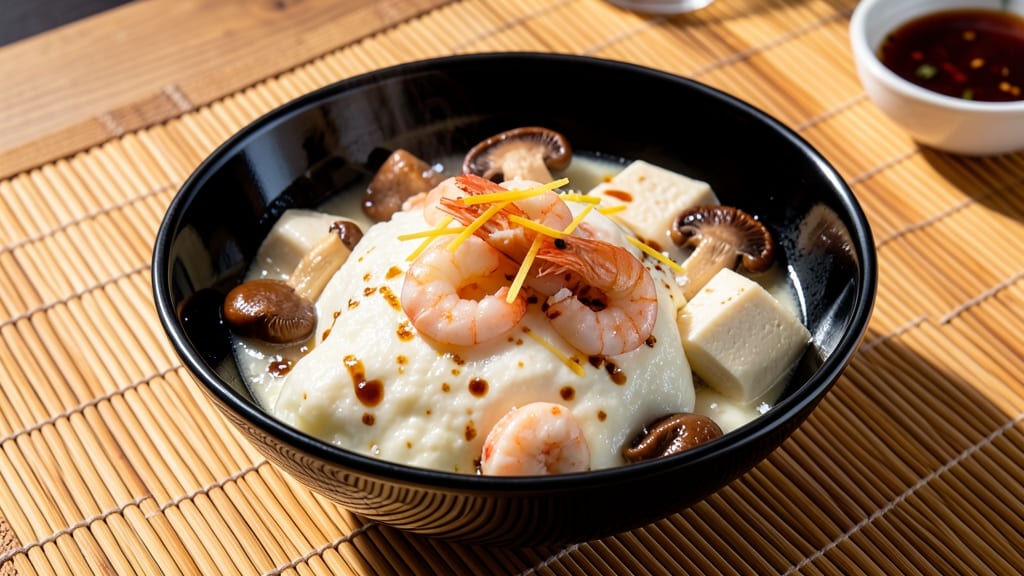
This steamed egg chawanmushi recipe delivers delicate, silky custard cups bursting with umami-rich broth and tender ingredients. The secret lies in balancing sweet, salty, and savory flavors while achieving that signature velvety texture—no lumps, just melt-in-your-mouth perfection.
I’ve perfected this technique after years of testing, ensuring every bite is harmonious and restaurant-worthy at home.
The foundation starts with a light, fragrant dashi broth infused with mirin and soy sauce, creating the perfect base for the custard. You’ll layer in silken tofu, shiitake mushrooms, and optional seafood like shrimp or salmon, all nestled within a smooth egg mixture.
The key is gentle steaming—no boiling, just precise heat control to transform the eggs into a cloud-like consistency.
What sets this dish apart is the textural contrast: the custard’s silky body cradles tender ingredients while the broth infuses every spoonful with depth. Garnishes like grated ginger and green onions add brightness, cutting through the richness.
Serve immediately for the best experience—each bite should feel like a warm, comforting embrace.
Perfect for brunch, light lunches, or as a side for sushi, chawanmushi is a dish that feels both elegant and approachable. The technique is simpler than it seems, and the results are undeniably satisfying. Let’s get started on creating these delicate, flavorful custard cups.
Ingredients for steamed egg chawanmushi
Six eggs, fragrant broth, and delicate ingredients create silky perfection in every bite.
| Ingredient | Amount | Notes |
|---|---|---|
| Large Eggs 🥚 | 6 whole | Room temperature for best results |
| Dashi Broth 🍲 | 2 cups | Homemade or quality store-bought |
| Mirin 🍶 | 2 tbsp | Sweet rice wine for balance |
| Soy Sauce 🧂 | 1 tbsp | Light or regular preferred |
| Silken Tofu 🧈 | 8 oz | Soft, unpressed blocks preferred |
| Shiitake Mushrooms 🍄 | 4 whole | Stems removed, thinly sliced |
| Shrimp 🦐 | 4 oz | Peeled, deveined, optional |
| Green Onions 🧅 | 3 whole | Thinly sliced for garnish |
| Fresh Ginger 🧡 | 1 tbsp | Finely grated, for garnish |
| Rice Vinegar 🍶 | 1 tsp | For brightness, optional |
| Sugar 🍚 | 1 tsp | White granulated preferred |
| Salt 🧂 | ½ tsp | Kosher or sea salt |
| Vegetable Oil 🫒 | 1 tbsp | For greasing ramekins |
The eggs are the heart of this dish—room temperature is non-negotiable for silky texture. Kirkland Signature or Pete & Gerry's organic eggs work beautifully, but any high-quality large eggs will do. The dashi broth sets the foundation—homemade is ideal, but Hondashi from the Asian market is a solid shortcut. For the tofu, Koya Dofu brand is my go-to for its ultra-smooth texture, but any silken tofu will work if you press out excess water gently. Shiitake mushrooms should be fresh, not dried—their earthy depth is essential to the umami balance.
No shrimp? Salmon or scallops work beautifully, or skip it entirely for a vegetarian version. The mirin and soy sauce combo is crucial—no substitutions here. For a sweeter note, add 1 tsp of sugar to the broth. If you're short on time, pre-sliced shiitake mushrooms from the grocery store save prep work. The green onions and ginger are for garnish, but if you're feeling adventurous, toss in a pinch of bonito flakes for extra umami depth. Always use fresh ginger—dried lacks the bright zing.
Prep everything ahead for seamless execution. The custard sets quickly, so have everything measured and ready before steaming. Ramekins should be lightly oiled to prevent sticking. Store leftovers in the fridge for up to 2 days, but reheating isn't recommended—the magic is in the freshness. For meal prep, make a double batch and freeze portions in single-serving ramekins—steam directly from frozen for a quick lunch. Garnish with extra green onions and a drizzle of soy sauce before serving for that restaurant-quality touch.
Why You'll Love This Recipe
- Same recipe, endless options: serve it as a light lunch, a fancy starter, or a protein-packed snack for kids (they’ll never guess it’s "fancy"). My go-to when I’m tired but need to impress.
- 20-Minute Miracle: I swear by this—just whisk eggs, pour into ramekins, and steam while you fold laundry. No chopping, no fuss, just hands-off perfection.
- Umami Magic: That silken tofu melting into the custard while the dashi and mirin sing? It’s the kind of flavor that makes you pause mid-bite, like a secret Japanese comfort hug.
- Weeknight or Guest Night: Same recipe, endless options: serve it as a light lunch, a fancy starter, or a protein-packed snack for kids (they’ll never guess it’s "fancy"). My go-to when I’m tired but need to impress.
Step-by-step instructions for steamed egg chawanmushi
Transform simple ingredients into delicate, jiggly custards with rich umami broth—here's how to nail it every time.
Prepare the Ingredients for Maximum Flavor
Start by slicing the 4 whole shiitake mushrooms stems removed into thin strips—about ¼-inch wide. The caps should be delicate enough to melt into the custard without becoming rubbery. For the 4 oz shrimp, peel and devein, leaving the tails on for presentation. Pat them completely dry with paper towels to prevent them from releasing excess water during cooking.
Finely grate the 1 tbsp fresh ginger using a microplane—you want a smooth paste, not coarse chunks. Thinly slice the 3 whole green onions, separating the white and green parts for garnish. The silken tofu should remain whole and unpressed; simply cut each block into 4 equal pieces for even distribution. Keep all prepared ingredients at room temperature while you work.
Create the Silky Egg Mixture
In a heatproof mixing bowl large enough to hold 4 ramekins, whisk together the 6 whole large eggs until the yolks and whites are fully combined. Add the 2 cups dashi broth, 2 tbsp mirin, 1 tbsp soy sauce, 1 tsp sugar, and 0.5 tsp salt, whisking constantly until everything is evenly incorporated. The mixture should be smooth with no visible streaks of yolk.
Real talk: This is where texture magic happens. Whisking vigorously creates tiny air pockets that transform into those signature jiggly pockets in your finished chawanmushi. If you see any lumps, strain the mixture through a fine-mesh sieve into a clean bowl to ensure absolute silkiness. The mixture should be pale, slightly translucent, and just thick enough to coat the back of a spoon.
Assemble and Grease the Ramekins
Lightly brush each of your 4 ramekins with 1 tbsp vegetable oil, coating the bottom and sides thoroughly. This prevents sticking and creates a clean release when serving. Divide the silken tofu pieces evenly among the ramekins, placing 1 piece in each. Then, arrange 1 shiitake mushroom strip, 1 shrimp, and a small pinch of the grated ginger in each ramekin, creating a balanced composition.
Here's the thing—don't overcrowd the ramekins. Each should have about ½-inch of space between the custard and the rim. This allows the custard to rise properly during steaming without overflowing. The shrimp should face upward so the tails point toward the top, and the mushrooms should fan out slightly for visual appeal.
Steam to Perfect Silky Perfection
Fill a large pot with 2-3 inches of water and bring to a gentle simmer over medium heat. Place a steamer basket or heatproof rack inside, ensuring it's at least 1 inch above the water level to prevent condensation from dripping onto your custards. Carefully transfer the ramekins to the steamer, covering them loosely with aluminum foil to prevent water droplets from falling in.
Steam for exactly 12-14 minutes—this is critical. The custard is done when the edges are set but the center still has a slight wobble, like warm gelatin. You'll know it's perfect when a toothpick inserted in the center comes out clean but slightly translucent. If you steam too long, the custards will become rubbery; too short, and they won't fully set. Don't peek during steaming—each time you lift the foil, you lose precious heat and moisture.
Garnish and Serve Immediately
Remove the ramekins from the steamer and let them rest for 2 minutes—this allows the custards to firm up slightly for easier serving. Using a small spoon, gently swirl the custard in each ramekin to create a marbled effect, then top with the reserved white and green parts of the sliced green onions. A final sprinkle of 1 tsp rice vinegar adds brightness that cuts through the richness.
Serve immediately while still warm—chawanmushi is best enjoyed straight from the steamer. The contrast of silky custard, tender shrimp, and earthy mushrooms creates a symphony of textures in every bite. If you're serving multiple courses, cover loosely with foil and keep warm over a pot of barely simmering water until ready to serve. The broth should be rich and fragrant, infused with all the umami flavors you've carefully layered in.
Pro Tips For Making Steamed Egg Chawanmushi
- Whisk Eggs Until Cold: Chawanmushi’s magic is in the custard’s silky texture, and that starts with eggs whipped to room temp—no heat, no shortcuts. I used to rush this, and the result was always grainy. Beat those eggs until they’re thick but still pourable, then let them sit for 5 minutes before folding in broth. Patience here saves you from rubbery bites later.
- Prep Tofu Like a Pro: Silken tofu’s watery center is a nightmare if you don’t drain it properly. After opening the package, wrap the tofu in a clean kitchen towel, place a heavy plate on top, and let it press for 10 minutes. This removes enough liquid to keep your chawanmushi from turning soupy mid-steam—trust me, your future self will notice the difference.
- Steam at 80% Power: Your rice cooker’s “steam” setting is lying to you. For chawanmushi, you need gentle, even heat—think simmer, not boil. Set the pot to 80% power (or the lowest setting that keeps the water bubbling softly) and cover with a tight lid. Too much heat, and your eggs curdle faster than you can say “overcooked.”
- Salt the Broth Last: Dashi, mirin, and soy sauce taste best when balanced at the end. Mix your broth ingredients first, then add salt after the eggs are folded in—this way, you control the final seasoning without overpowering the delicate custard. I learned this after making a batch that tasted flat because the salt dissolved too early.
Storing and reheating your steamed egg chawanmushi
Fridge Storage Tips
Store your chawanmushi in an airtight container with a loose lid to allow minimal airflow—this prevents condensation buildup that can make the custard soggy. I use glass Pyrex containers because they maintain temperature consistency better than plastic.
Keep them refrigerated at 40°F or below for up to 2 days, but honestly, the texture starts degrading after 12 hours—the silky quality is best when fresh. 🥗
Freezing for Later
For longer storage, freeze chawanmushi in single-serving ramekins (or small airtight containers) with ½-inch headspace to prevent cracking. I recommend using quart-sized freezer bags if you're making a larger batch—just squeeze out all the air before sealing.
Label with the date and freeze for up to 1 month. The custard will become slightly firmer when thawed, but steaming from frozen works beautifully—just add 2-3 extra minutes to the steaming time. ❄️
Reheating Methods
Steaming is the only recommended method—it preserves that silky texture better than microwaving. Place frozen chawanmushi on a steamer rack over 1 inch of simmering water and steam for 14-16 minutes (or 10-12 minutes if thawed).
For fridge-stored versions, steam for 8-10 minutes until the center is just set. Never microwave, as it creates rubbery pockets and weakens the custard's delicate structure. 🔥
Garnish Refresh
If reheating, always add fresh garnishes—grated ginger and green onions lose their brightness when stored. I like to sprinkle a pinch of toasted sesame seeds or a drizzle of soy sauce right before serving to revive the dish's restaurant-quality appeal.
The contrast of warm custard with fresh toppings makes all the difference. 🌟
Make-Ahead Broth
Prep the dashi broth base ahead of time and store it in the fridge for up to 3 days or freeze for 1 month. This saves you 20 minutes of active prep when making chawanmushi.
Just reheat the broth gently before mixing with eggs—never boil it, as that destroys the delicate umami compounds. I keep a batch of Hondashi on hand for quick assembly days. ✨
Portion Control
Chawanmushi is best enjoyed fresh and warm, so plan for 2 ramekins per person if serving as a main. For meal prep, divide the egg mixture only (without fillings) into ramekins, freeze, then add fresh ingredients when ready to steam.
This keeps the custard stable while allowing for custom fillings—like adding smoked salmon or chicken—without compromising texture. 💡
Nutrition facts
Frequently asked questions
Why does my chawanmushi custard turn rubbery?
Oversteaming is the #1 culprit! The custard should have a gentle wobble at the center when done—like warm gelatin. Steaming beyond 14 minutes breaks down the egg proteins, creating that unpleasant texture. Keep the water simmering gently (not boiling) and resist peeking during cooking. If it's too firm, the heat was too intense or the time too long.
Can I make chawanmushi without shrimp?
Shrimp is optional—try salmon, chicken, or even vegetables like spinach or bell peppers. For vegetarian versions, add tofu cubes, mushrooms, or corn kernels. The key is keeping ingredients small so they cook evenly in the custard. Just adjust the steaming time slightly if using denser proteins.
What's the secret to silky egg texture?
Three things: room-temperature eggs, vigorous whisking, and gentle heat. Whisk the eggs until completely smooth (no streaks), then strain if needed. The broth should be just simmering—never boiling—when steaming. Also, use high-quality eggs (like organic) and avoid overfilling the ramekins. The less you disturb the custard during cooking, the silkier it stays!
How do I fix if my custard splits?
Splitting usually means the mixture was too hot or you didn't whisk enough. If it happens, gently reheat the custard mixture to 160°F while whisking constantly, then strain again. For ramekins that already split, try this trick: place them in a 250°F oven for 5 minutes—the dry heat can sometimes re-set the surface. Prevention is better: always whisk eggs thoroughly and strain the mixture before pouring.
Can I use store-bought dashi instead of homemade?
Yes! High-quality store-bought dashi works perfectly—look for Hondashi or Kikkoman brands. For best results, use 2 cups of the concentrated version (or 4 cups of the diluted kind). The key is balancing the umami—if your dashi tastes too strong, reduce the soy sauce slightly. Homemade gives more depth, but good quality store-bought saves time without sacrificing flavor.