
Breakfast & Brunch
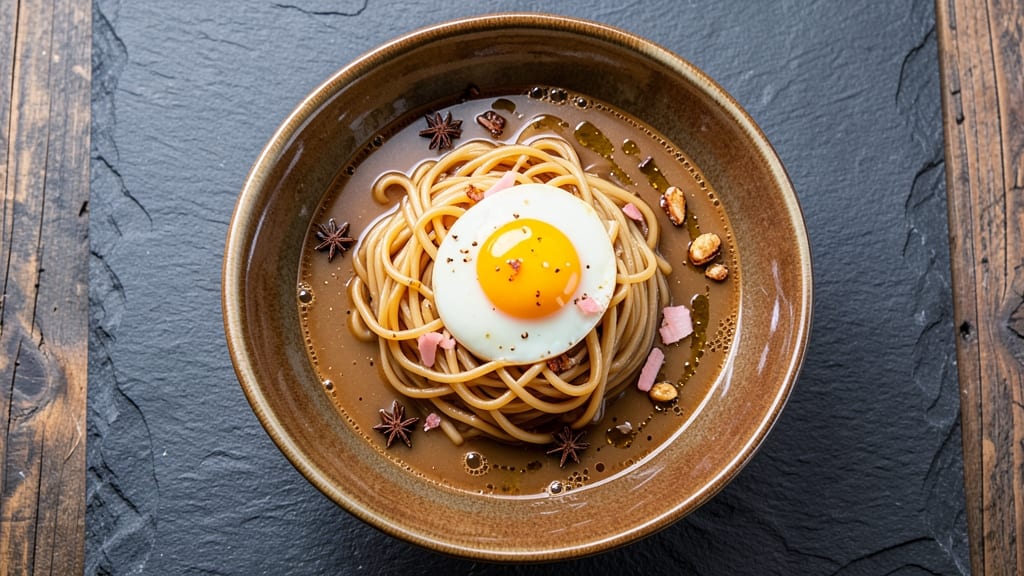
This sous vide ramen egg recipe transforms humble eggs into luxurious, silky yolk ribbons that melt effortlessly into rich broth—no more breaking yolks or overcooked whites.
The secret lies in precise temperature control, where eggs cook gently at 145°F for 45-60 minutes, yielding a custardy center that turns every bite into a velvety experience.
I developed this technique after struggling with traditional poached eggs that never achieved that perfect balance of set whites and liquid gold.
The process begins with vacuum-sealing eggs in broth-infused water, ensuring even cooking and flavor absorption. This method eliminates guesswork—no more timing eggs by hand or risking rubbery whites.
The result is eggs with cloud-like whites and yolks so tender they ribbon like silk when stirred into steaming broth, creating a dish that feels both nostalgic and elevated. For added depth, I recommend infusing the broth with aromatics like star anise or sesame oil before sous vide.
What makes this recipe truly special is its versatility—use it in classic miso ramen, spicy shoyu broth, or even as a gourmet breakfast centerpiece with toasted noodles. The sous vide technique ensures consistency every time, making it perfect for both beginners and seasoned cooks.
Once you try these eggs, you’ll never go back to traditional poaching again—they’re that good.
Pro tip: Let the eggs rest in the sealed bag for 10 minutes after cooking to maintain their perfect texture. This method isn’t just about the eggs—it’s about transforming an everyday meal into something restaurant-worthy with minimal effort. Ready to elevate your ramen game?
Ingredients for sous vide ramen egg
Four perfect eggs, silky broth, and aromatic secrets for restaurant-quality ramen at home.
| Ingredient | Amount | Notes |
|---|---|---|
| Large Eggs 🥚 | 4 whole | Room temperature for even cooking |
| Chicken Stock 🍲 | 4 cups | Homemade or high-quality store-bought |
| Sesame Oil 🫒 | 1 tbsp | Toasted for aroma infusion |
| Star Anise 🌿 | 2 whole | Crushed lightly for depth |
| Fresh Ginger 🧄 | 1 tbsp | Finely grated, aromatic |
| Ramen Noodles 🍜 | 8 oz | Fresh or dried, any variety |
| Miso Paste 🧈 | 1 tbsp | White or red, to taste |
| Soy Sauce 🥄 | 1 tbsp | For umami depth |
| Sesame Seeds 🌾 | 1 tsp | Toasted for garnish |
| Green Onions 🧅 | 3 whole | Thinly sliced, fresh |
| Vegetable Oil 🫒 | 1 tbsp | For vacuum seal lubrication |
| Kosher Salt 🧂 | ½ tsp | Fine grain, for seasoning |
| White Pepper 🌶️ | ¼ tsp | Freshly ground, subtle heat |
The eggs are the star—use room-temperature ones for even cooking, and never skip the vacuum seal. For the broth base, homemade chicken stock is ideal, but Kitchen Basics or Pacific Foods brands work in a pinch. Star anise and ginger should be freshly crushed—the aroma infusion is what transforms this into something extraordinary. I always grab mine at Whole Foods or the spice aisle at Trader Joe's, where the quality is consistently high. The sesame oil? Toast it briefly in a dry pan before adding to the broth—this releases its nutty depth without overpowering.
No vacuum sealer? Ziploc bags with the water displacement method works too—just boil water, plunge the sealed bag in, and let it cool. Short on star anise? Double the ginger for warmth. The miso paste can be white or red—Miso Master or Hodo brands are my go-to for authentic flavor. For the noodles, fresh ramen holds up better to the sous vide process, but dried works too if you're in a hurry. The sesame seeds and green onions are purely for garnish, but toast the seeds in a dry pan first—that extra crunch makes all the difference. And trust me, the white pepper is essential—it adds subtle heat without the visual distraction of black specks.
Store the cooked eggs in their sealed bag in the fridge for up to 3 days—they actually improve overnight as the flavors meld. The broth can be made ahead and reheated gently. For best results, reheat only the broth and add the eggs straight from the fridge to maintain that perfect cloud-like texture. The noodles? Cook them fresh when serving. This method isn't just about the eggs—it's about creating a complete, restaurant-quality ramen experience with minimal effort. Once you try it, you'll never go back to traditional poached eggs again.
Why You'll Love This Recipe
- Umami Bomb: That first bite? The egg yolk breaks into silky perfection while the stock’s deep, savory notes—boosted by sesame oil and star anise—wrap around you like a hug. It’s the kind of flavor that makes you pause mid-bite and think, “Wait, is this even real?”
- Office Lunch Hero: Between us, this is my go-to for meal prep. Cook a batch of eggs on Sunday, store them in the fridge, and reheat in ramen broth or miso soup all week. Add a sprinkle of sesame oil at the end—boom, instant restaurant-quality lunch. No sad desk salads here.
- Budget Magic: Fresh ginger and star anise might sound fancy, but they stretch so far in this recipe. A single bag of star anise flavors multiple batches, and the eggs? They’re cheaper than takeout. Honestly, it’s the kind of dish that makes me feel like I’m eating well without breaking the bank.
Step-by-step instructions for sous vide ramen eggs
Transform ordinary eggs into silky, cloud-like yolks with perfect texture—this precise method delivers restaurant-quality results every time.
Prepare the Sous Vide Broth
Combine the 4 cups chicken stock, 1 tablespoon miso paste, 1 tablespoon soy sauce, 0.5 teaspoon kosher salt, and 0.25 teaspoon white pepper in a large pot. Bring to a gentle simmer over medium heat until the miso paste fully dissolves and the mixture reaches 160°F. This temperature ensures the broth infuses the eggs without cooking them prematurely.
Add the 2 whole star anise and 1 tablespoon finely grated fresh ginger to the simmering broth. Let it steep for 10 minutes—you'll notice the aroma deepen as the spices release their aromatic oils. Strain the broth through a fine-mesh sieve into a clean container, discarding the solids. The strained liquid should smell rich and complex, with notes of umami from the miso and subtle spice from the star anise.
Create the Vacuum Seal
Lightly coat the 4 whole large eggs with 1 tablespoon vegetable oil using a pastry brush. This creates a barrier that prevents the eggs from sticking to the plastic during vacuum sealing. Place each egg in a separate vacuum-seal bag, ensuring no air pockets remain at the top—these can cause uneven cooking.
Using a vacuum sealer, remove all air from the bags and seal them completely. If you don't have a vacuum sealer, use the water displacement method: Submerge the open bag in water while sealing, creating a vacuum as the water pressure forces out the air. The sealed bags should feel firm and compact—this ensures even heat distribution during the sous vide process.
Sous Vide the Eggs to Perfection
Immerse the sealed egg bags in the 160°F broth and cook for 1 hour and 15 minutes. The precise temperature and timing are critical—160°F transforms the egg whites into a silky, custard-like texture while keeping the yolks perfectly liquid. You'll see the bags gently float as the eggs absorb the flavorful broth.
After cooking, remove the eggs from the broth and immediately transfer them to an ice bath for 10 minutes. This rapid cooling sets the egg whites into their signature cloud-like texture while preserving the yolk's creamy consistency. The contrast between the cool water and hot eggs creates a dramatic transformation—you'll notice the whites become translucent and delicate, almost like a delicate cloud.
Assemble the Ramen Bowls
Cook the 8 ounces ramen noodles according to package instructions, but drain them 1 minute early to maintain a slight bite. Divide the noodles evenly among 4 bowls and ladle 1 cup hot broth over each serving. The broth should coat the noodles completely, infusing them with flavor.
Carefully remove the eggs from their vacuum-sealed bags and place one in each bowl. Drizzle with 1 teaspoon toasted sesame oil and garnish with 1 teaspoon toasted sesame seeds and 3 thinly sliced green onions. The contrast between the delicate eggs, chewy noodles, and rich broth creates a harmonious balance of textures and flavors in every bite.
Pro Tips For Making Sous Vide Ramen Egg
- USE 63°C FOR 45 MINUTES: The stockpot’s temperature matters more than you think. Ramen eggs need to be firm but still silky—any hotter or longer, and you’ll end up with a rubbery yolk. I learned this the hard way after making a batch that looked perfect but tasted like overcooked custard.
- PEEL GINGER FAST: Skip the knife and use a spoon. Scrape the ginger with the back of a spoon to remove the skin—it’s quicker and leaves you with smoother, more finely minced ginger. Fresh ginger burns easily, so keep it cold until you’re ready to add it to the stock.
- STRAIN THE STOCK TWICE: First strain removes the solids, but the second pass catches the fine bits that make your broth cloudy. I used to skip this, and my eggs always had a slightly gritty texture. A fine-mesh sieve or cheesecloth does the trick—just don’t rush it.
- ADD SESAME OIL LAST: This isn’t a flavoring step—it’s a finishing move. If you toss it in early, the oil will break and turn the stock greasy. Instead, swirl it in right before serving, right when the eggs hit the bowl. That’s when it shines, aromatic and golden.
Serving suggestions for this dish
Broth Variations
Swap the classic miso broth for spicy shoyu by adding 1 tablespoon chili crisp and ½ teaspoon gochujang to the broth base. For a lighter option, use vegetable broth infused with 1 tablespoon fish sauce and 1 teaspoon lime zest—perfect for a summer twist.
I love adding ½ cup coconut milk to the broth for a creamy, Thai-inspired ramen that pairs beautifully with the silky eggs. 🌶️
Noodle Upgrades
Elevate your bowl with udon noodles for a heartier texture—cook them 1 minute less than package instructions to keep them chewy. For gluten-free, use rice noodles (like Koya brand) and add 1 teaspoon tamari to the broth.
Fresh soba noodles with a touch of mirin in the broth create a delicate balance that lets the eggs shine. Garnish with thinly sliced scallions and a sprinkle of furikake for extra umami.
Garnish Game-Changers
Add quick-pickled radishes (slice ½ cup daikon radish into matchsticks, soak in 2 tbsp rice vinegar + 1 tsp sugar for 15 minutes) for a refreshing crunch. Top with crispy shallots (sauté 2 tbsp sliced shallots in 1 tbsp butter until golden) for depth.
A drizzle of yuzu kosho (mix 1 tsp yuzu juice with ½ tsp chili flakes) adds a bright, citrusy kick that cuts through the richness. 💫
Breakfast Ramen Twist
Transform this into a brunch dish by adding crispy fried chicken (shred 1 cup rotisserie chicken and pan-fry with 1 tbsp honey and 1 tsp soy sauce until caramelized).
Swap ramen noodles for shirataki noodles (rinsed well) and top with soft-boiled quail eggs (cooked 6 minutes in sous vide at 150°F). Finish with avocado slices and a sprinkle of furikake for a fusion breakfast that’s anything but boring.
Dessert Ramen Hack
Yes, really! Use the same sous vide technique for custardy egg yolks in a sweet broth: simmer 4 cups coconut milk with ½ cup sugar and 1 tsp vanilla bean paste at 160°F for 1 hour.
Serve the yolks in bowls with matcha noodles (or spaghetti), a drizzle of black sesame sauce, and crushed white chocolate. Trust me, the contrast of silky yolk with matcha is pure magic. ✨
Nutrition facts
Frequently asked questions
Why do sous vide ramen eggs have cloud-like whites?
This signature texture comes from cooking the eggs at 160°F for 1 hour 15 minutes, which gently sets the whites into a delicate, almost translucent state. The vacuum seal prevents moisture loss, while the rapid ice bath after cooking locks in that silky, cloud-like quality. It's like a science experiment that always delivers perfect results!
Can I use store-bought broth instead of homemade?
High-quality store-bought broths like Kitchen Basics or Pacific Foods work perfectly. For extra depth, add 1 tablespoon miso paste and 1 teaspoon soy sauce directly to the broth before sous vide. The key is using broth with good umami—avoid watery or overly salted options.
What if I don't have a vacuum sealer?
No problem! Use the water displacement method: Place eggs in a Ziploc bag, seal it halfway, submerge in boiling water, then fully seal while submerged. This creates a vacuum as the water pressure forces out air. The eggs will still cook evenly—just ensure no air pockets remain at the top of the bag.
How do I adjust the cooking time for different egg sizes?
For jumbo eggs, increase time by 5 minutes (total 1 hour 20 minutes); for small eggs, reduce by 5 minutes. The 160°F temperature is critical—never adjust it. Always use room-temperature eggs for even cooking, and let them rest 10 minutes in the sealed bag after cooking before chilling.
Can I make the broth ahead of time?
Yes! Prepare the broth up to 3 days ahead and store it refrigerated. Reheat gently to 160°F before using—never boil it, as this can concentrate flavors and affect the eggs' texture. For best results, strain the broth again before reheating to remove any sediment that may have settled.