
Breakfast & Brunch
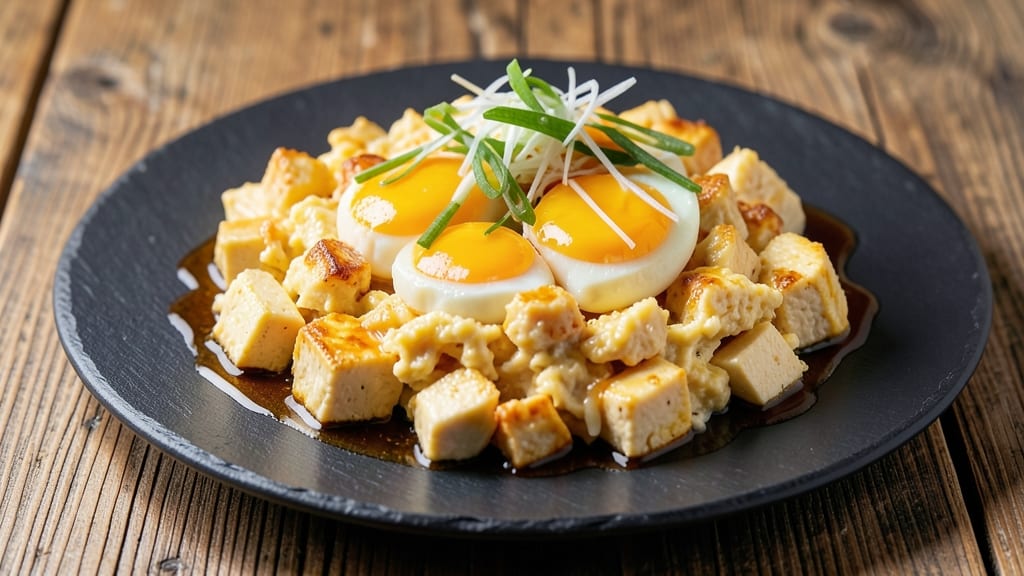
This silken tofu scrambled egg recipe transforms breakfast into a creamy, fluffy masterpiece that rivals traditional scrambled eggs—without sacrificing protein or texture. The secret lies in blending silken tofu with eggs, creating a dish that's rich, tender, and packed with savory scallion brightness.
After years of perfecting the technique, I’ve developed a method that ensures every bite is velvety and satisfying, whether you’re a vegetarian or simply looking for a lighter morning meal.
The magic happens when you blend silken tofu with beaten eggs and a touch of turmeric for that classic golden hue. Cooking on low heat allows the mixture to set gently, forming soft, cloud-like curds instead of the dry, rubbery texture that often plagues tofu-based dishes.
Scallions add a sharp, fresh contrast that cuts through the creaminess, while a pinch of black pepper and a splash of soy sauce deepen the savory profile.
What you’ll end up with is a fluffy, protein-rich scramble that’s perfect for brunch, a light lunch, or even a quick dinner. The dish holds its shape beautifully when plated, making it ideal for meal prep or serving with toast, avocado, or a side of roasted vegetables.
The texture is so satisfying that even egg purists won’t notice the difference—just pure, comforting goodness.
This recipe is foolproof, versatile, and ready in under 15 minutes, proving that plant-based breakfasts can be just as indulgent as their traditional counterparts. Let’s get started on creating your new favorite morning staple.
Ingredients for silken tofu scrambled egg
Silken tofu and eggs blend into cloud-like perfection with these eleven essential ingredients.
| Ingredient | Amount | Notes |
|---|---|---|
| Silken Tofu 🧀 | 12 oz | Extra-firm, drained and pressed |
| Large Eggs 🥚 | 4 whole | Freshly beaten for fluffiness |
| Scallions 🧅 | ¼ cup | Thinly sliced, white and green parts |
| Extra-Virgin Olive Oil 🫒 | 1 tbsp | Lightly toasted for aroma |
| Turmeric Powder 🌿 | ¼ tsp | For vibrant golden color |
| Soy Sauce 🍶 | 1 tsp | Low-sodium preferred |
| Ground Black Pepper 🌶️ | ½ tsp | Freshly cracked for intensity |
| Nutritional Yeast 🍞 | 1 tbsp | For cheesy umami depth |
| Fresh Chives 🌿 | 2 tbsps | Finely chopped for garnish |
| Sea Salt 🧂 | ½ tsp | Fine grain for delicate seasoning |
| Unsalted Butter 🧈 | 1 tbsp | Cold, for gentle cooking |
The silken tofu is the star here—extra-firm is non-negotiable for that silky texture. Trader Joe's or Whole Foods carry the best quality, but any reputable grocery store will have it. Drain and press the tofu for 15 minutes to remove excess water; this makes all the difference in achieving that fluffy, egg-like consistency. Fresh eggs are ideal, but if you're using older ones, beat them extra well to ensure a smooth batter. The scallions should be vibrant and crisp—Asian markets often have the freshest bunches, but grocery store scallions work fine too. For the olive oil, I always grab a small bottle of California extra-virgin—it has that perfect balance of fruitiness and peppery finish that enhances the dish without overpowering it.
No eggs? Flax eggs (1 tbsp ground flaxseed + 3 tbsp water per egg) work beautifully, though the texture will be slightly denser. Out of soy sauce? Tamari or coconut aminos are great substitutes, though tamari has a deeper flavor. The turmeric can be swapped for a pinch of saffron if you're feeling fancy—it adds a subtle floral note. For the nutritional yeast, Bob's Red Mill is my go-to brand; it has a rich, cheesy flavor that's perfect for this dish. If you can't find it, miso paste (1/2 tsp) adds a similar umami punch. The butter should be cold when you add it—this ensures it melts gently into the mixture, creating a luxurious finish. For the scallions, if you only have green parts, use twice the amount since they're milder.
This scramble reheats beautifully—just add a splash of water or plant-based milk to the pan and warm through. Store leftovers in an airtight container for up to 4 days in the fridge, or freeze for 3 months. I like to portion mine into small ramekins before freezing so I can grab a single serving whenever I need a quick breakfast. The nutritional yeast and scallions keep best in the fridge; use the nutritional yeast within 6 months of opening, and store scallions in a damp paper towel in a sealed container to maintain their crispness for up to 1 week. The turmeric and nutritional yeast can be stored in your pantry for 12 months if kept in a cool, dark place.
Why You'll Love This Recipe
- I’ll be real: this recipe feels like cheating. Blend silken tofu with eggs, turmeric, and a splash of olive oil—no whisking, no overcooking—and you’ve got a creamy, fluffy scramble that’s way less stressful than traditional eggs. The tofu keeps it tender while the turmeric adds that golden hue without any weird aftertaste.
- No-Fuss Mash-Up: I’ll be real: this recipe feels like cheating. Blend silken tofu with eggs, turmeric, and a splash of olive oil—no whisking, no overcooking—and you’ve got a creamy, fluffy scramble that’s way less stressful than traditional eggs. The tofu keeps it tender while the turmeric adds that golden hue without any weird aftertaste.
- Creamy Yet Crisp: That crispy little edge on the bottom? Magic. The olive oil seared into the pan gives it a satisfying texture, while the scallions add a fresh bite that cuts through the richness. It’s the kind of dish where every bite has layers—silky, savory, and just a little herby.
- Meal Prep MVP: Honestly, this is my go-to for lazy Sundays or hectic mornings. Make a big batch, store it in the fridge, and reheat it in minutes—it stays moist and flavorful, unlike dry scrambled eggs. My daughter even sneaks it for school lunches (yes, even on a Tuesday).
Step-by-step instructions for silken tofu scrambled eggs
Here's how to create fluffy, golden clouds with vibrant scallion brilliance—every bite delivers perfect texture and savory depth.
Prepare the Silken Tofu Base
Drain and press the 12 oz silken tofu for 15 minutes using a clean kitchen towel wrapped around it. Place it between two plates with a heavy object on top—this removes excess water while preserving the delicate texture. The tofu should feel firm but still tender when pressed gently. Cut it into ¼-inch cubes for even cooking.
In a food processor, blend the 4 whole large eggs until completely smooth—no streaks should remain. This ensures your scramble has a uniform, cloud-like consistency. Transfer the egg mixture to a bowl and whisk in the 1 tbsp nutritional yeast, 1 tsp soy sauce, 0.5 tsp sea salt, and 0.5 tsp ground black pepper. The nutritional yeast adds that signature cheesy depth without dairy, while the soy sauce enhances umami. Let the mixture sit for 5 minutes to allow the flavors to meld.
Cook the Scallions and Build Flavor
Heat a nonstick skillet over medium-low heat and add the 1 tbsp unsalted butter. Let it melt completely, then add the 1 tbsp extra-virgin olive oil. Toss in the 0.25 cup scallions, sliced thinly, and sauté for 2-3 minutes until they soften slightly but still retain a bright green color. Remove the scallions and set aside—we'll use them later for garnish.
To the same skillet, add the 0.25 tsp turmeric powder and stir for 30 seconds until the butter turns a vibrant golden yellow. This isn't just for color—turmeric adds a subtle earthy warmth that complements the eggs beautifully. The low heat prevents burning while developing the flavor base.
Create Fluffy Clouds
Pour the egg mixture into the skillet and stir gently with a silicone spatula, folding the eggs over themselves as they begin to set. The key here is patience—let the eggs cook undisturbed for 10-15 seconds before stirring again. This creates those signature soft, custardy curds. Cook for 3-4 minutes total, stirring occasionally, until the eggs are just set but still slightly runny in the center.
Here's where the magic happens: add the 12 oz silken tofu cubes and gently fold them into the eggs. The tofu absorbs the egg mixture while adding a silky texture that mimics the creaminess of traditional scrambled eggs. Cook for another 2 minutes, stirring gently, until the tofu is heated through and the eggs reach 160°F internally. The mixture should look like fluffy, golden clouds with pockets of moisture.
Finish and Garnish
Remove the skillet from heat and immediately return the reserved scallions and 2 tbsp fresh chives to the pan. Fold everything together one last time to distribute the fresh herbs evenly. The scallions add a sharp, oniony brightness that cuts through the richness, while the chives contribute a delicate, grassy note. Taste and adjust seasoning if needed—you might want to add a pinch more soy sauce or sea salt depending on your preference.
Serve immediately while still warm, straight from the skillet. The texture should be light and airy, with tender tofu cubes throughout. Each bite delivers the perfect balance of fluffy eggs, savory umami, and fresh herb brightness—like a luxurious breakfast cloud that's both satisfying and nourishing. Pair with toasted sourdough and a cup of strong coffee for the ultimate morning experience.
Pro Tips For Making Silken Tofu Scrambled Egg
- Crush the Tofu First: Silken tofu’s silky texture falls apart when cooked—so grab a fork and mash it into small, uneven chunks before hitting the pan. I learned this the hard way when my first batch turned into a sad, gloppy mess. Aim for pieces the size of dimes, not fine crumbles.
- Salt the Eggs Before Whisking: Whisk your eggs in a bowl with a pinch of salt before adding them to the pan. The salt dissolves better in the raw egg and seasons the whole batch evenly. Skipping this step means your eggs taste bland in the middle—trust me, your taste buds will notice.
- Low and Slow After Initial Heat: Start on medium-high to get the eggs cooking, but once they’re mostly set, drop the heat to low and let them gently finish. Rushing this step turns your scramble into rubbery, overcooked curds. A gentle simmer keeps the texture tender and creamy.
- Toast the Scallions Separately: Sauté the scallions in a dry pan for 30 seconds until they’re just crisp at the edges, then stir them into the finished scramble. This adds a subtle bite that raw scallions can’t match. (Yes, it’s an extra step—but it’s worth it.)
Common mistakes when making this dish
Overcooking the Tofu
Silken tofu scrambles best when kept tender, not rubbery. The moment you see the cubes turning opaque and firm, they’ve been overcooked. I’ve ruined batches by stirring too aggressively or keeping heat too high—both mistakes break down the delicate texture.
Instead, cook on medium-low heat and stir gently just until the tofu is heated through (2 minutes max). The eggs should still have slight liquidity when done. 🧀
Skipping the Pressing Step
Unpressed tofu releases excess water, turning your scramble into a soggy mess. I learned this the hard way when I rushed and skipped the 15-minute pressing with a towel and heavy object. The result?
A watery, unappetizing pile. Always press your tofu—it’s the secret to that perfect cloud-like texture. For extra insurance, pat the cubes dry with a paper towel before adding them to the eggs.
Using the Wrong Heat Setting
High heat is the enemy of fluffy scrambled eggs (and tofu!). If your pan gets too hot, the eggs will cook too quickly on the outside while staying raw inside, or worse, turn dry and grainy.
I recommend medium-low heat throughout—just enough to gently set the eggs without scrambling them. A good rule of thumb: if you see small bubbles forming on the surface, it’s ready to stir. 🔥
Ignoring the Resting Period
The egg mixture needs 5 minutes to rest after whisking before cooking. This allows the flavors to meld and the proteins to relax, resulting in a smoother texture.
I’ve made this mistake and ended up with a lumpy scramble. Let the mixture sit uncovered at room temperature—it’s worth the wait for that perfect consistency.
Overmixing After Cooking
Once the eggs are set, resist the urge to keep stirring. Overmixing after cooking breaks down the delicate curds, turning your fluffy scramble into a dense, rubbery mess. The moment the eggs reach 160°F internally, remove from heat and fold in the herbs just once.
Any more than that, and you’ll lose that signature cloud-like texture. 💫
Using Old or Poor-Quality Tofu
Not all silken tofu is created equal. If your tofu is past its prime or has a strong, off-putting odor, your scramble will suffer. I always check the package date and opt for extra-firm silken tofu from reputable brands like Trader Joe’s or Nasoya.
Fresh tofu absorbs flavors better and holds its shape during cooking. If you’re unsure, give it a quick sniff—it should smell neutral, not sour or ammonia-like.
Nutrition facts
Frequently asked questions
Can I make this recipe without eggs?
Yes! Replace the 4 eggs with 4 flax eggs (1 tbsp ground flaxseed + 3 tbsp water per egg) for a fully plant-based version. The texture will be slightly denser but still creamy. Let the flax mixture sit for 5 minutes to thicken before using. For extra fluffiness, add 1 tbsp aquafaba (chickpea brine) to the batter.
Why does my silken tofu scramble turn out rubbery?
Rubbery texture usually means overcooking or unpressed tofu. Always press the tofu for 15 minutes first and cook on medium-low heat for only 2 minutes after adding it. The eggs should still be slightly runny when done—this ensures tenderness. Pat the tofu cubes dry before cooking for extra insurance.
Can I use firm tofu instead of silken?
Firm tofu won't work well because it's too dense and won't blend smoothly with the eggs. Silken tofu's delicate, custard-like texture is essential for that cloud-like consistency. If you only have firm tofu, try blending it with 2 tbsp aquafaba to mimic silken tofu's creaminess, but results may vary.
How do I reheat leftovers without drying them out?
Reheat gently in a nonstick skillet over low heat with 1 tsp water or plant-based milk to restore moisture. Stir constantly for 1-2 minutes until warmed through. Microwaving works too—cover with a damp paper towel and heat for 20-30 seconds. For best results, eat within 2 days of cooking.
What's the best way to store this for meal prep?
Store in an airtight container in the fridge for up to 4 days. For longer storage, freeze portions in single-serving containers for up to 3 months. Thaw overnight in the fridge—never at room temperature. To reheat frozen portions, add 1 tsp water per serving and cook on low heat until warmed through.