
Breakfast & Brunch
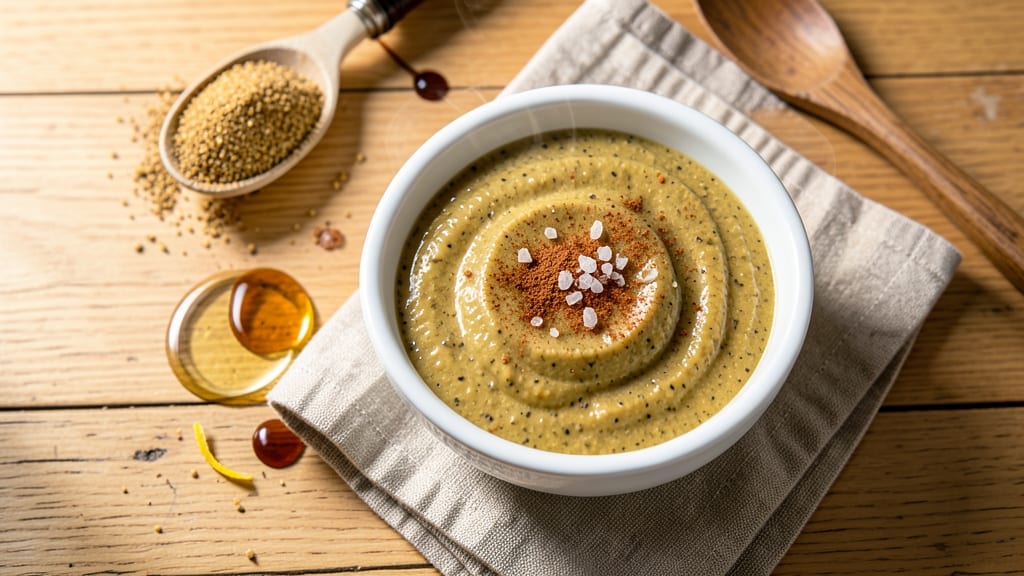
This vegan flax egg recipe transforms simple pantry staples into a foolproof binding agent that works in everything from muffins to pancakes. The secret lies in combining ground flaxseed with water to create a gel-like consistency that mimics raw eggs perfectly—no special equipment required.
I’ve perfected this technique over years of vegan baking, and it never fails to deliver the right texture and moisture.
The magic happens when you mix 1 tablespoon of ground flaxseed meal with 3 tablespoons of water, then let it sit for 5 minutes to thicken. This ratio replaces one large egg in recipes, making it ideal for plant-based baking where texture matters most.
The result is a stable, slightly viscous mixture that binds ingredients just like eggs, without the cholesterol or animal products.
What sets this method apart is its versatility—use it in baked goods, veggie burgers, or even as a thickening agent in sauces. The flax eggs add a subtle nutty flavor that enhances recipes without overpowering them, and they keep ingredients moist for longer.
Best of all, this technique is beginner-friendly, with no risk of overmixing or underbinding like with other vegan substitutes.
Once you master this ratio, you’ll never need to compromise on texture again. Store the mixture in the fridge for up to 5 days, or freeze it for longer use.
Whether you’re baking a cake, making pancakes, or thickening a sauce, this vegan flax egg recipe is your go-to solution for plant-based cooking that tastes just like the real thing.
Ingredients for vegan flax egg
Six simple pantry staples transform into a perfect vegan egg substitute for baking.
| Ingredient | Amount | Notes |
|---|---|---|
| Ground Flaxseed Meal 🌾 | 1 tbsp | Finely ground, no lumps |
| Water 💧 | 3 tbsp | Room temperature preferred |
| Vanilla Extract 🍯 | ¼ tsp | Optional, for subtle flavor |
| Maple Syrup 🍁 | ½ tsp | Substitute for sweetness |
| Ground Cinnamon 🌿 | ¼ tsp | Optional, for depth |
| Sea Salt 🧂 | ⅛ tsp | Fine grain preferred |
Ground flaxseed meal is the cornerstone of this recipe—Bob’s Red Mill or Trader Joe’s brands are ideal for their fine grind. The meal must be finely ground to dissolve properly in water, creating that gel-like consistency. If you're using whole flaxseeds, grind them yourself with a coffee grinder for the best results. Store the meal in an airtight container in a cool, dark place to preserve its freshness for up to 6 months. For the water, room temperature works best, but cold water is fine in a pinch. The vanilla extract, maple syrup, and cinnamon are optional but add subtle depth to baked goods like muffins or pancakes.
No vanilla extract? Almond extract at half the amount works well, though it has a stronger flavor. Maple syrup can be swapped for agave nectar or date syrup—just use the same quantity. The cinnamon is purely for flavor, so omit if you prefer a neutral taste. For a savory application, like veggie burgers, skip all the optional flavorings entirely. The sea salt is crucial for balancing flavors, especially in sweet applications. If you're using this for thickening sauces, a pinch of salt enhances the binding properties slightly.
This mixture thickens within 5 minutes, but it’s best to let it sit for 10 minutes before using for optimal binding. Store unused portions in an airtight container in the fridge for up to 5 days, or freeze for 3 months. For longer storage, freeze in ice cube trays—just thaw overnight in the fridge before use. The flax eggs work best in recipes where eggs are used for binding, like muffins, pancakes, or meatloaf substitutes. Avoid using them in recipes where eggs are used for leavening, like cakes, as they won’t provide the same lift.
Why You'll Love This Recipe
- Five-Ingredient Miracle: I swear, this is the only "egg" recipe I keep in my back pocket—just flax, water, and a dash of vanilla. No whisking, no waiting, no stress. Stir, rest, and you’re done. That’s it.
- Warm Vanilla-Cinnamon Hug: The maple syrup and cinnamon turn this into something cozy, almost like a spiced muffin batter. Honestly, I’ve used it in pancakes, waffles, and even muffins—every time, that sweet warmth makes it feel like dessert.
- Baking’s Best Kept Secret: Between us, this is my go-to for baking without eggs. It works in brownies, cakes, and even veggie burgers. I’ve got a batch of chocolate chip cookies in the freezer right now—made with these flax eggs—and they’re foolproof.
- Pantry Staple Power: Ground flaxseed is already in my cupboard, and water? Always on hand. No extra shopping, no wasted ingredients. Plus, a little goes a long way—one tablespoon of flaxseed meal and three of water make a full egg substitute. Budget-friendly and zero waste.
Step-by-step instructions for vegan flax eggs
Here's how to create a perfect plant-based binder that works like eggs in baking and cooking.
Combine Ground Flaxseed Meal and Water
In a small bowl, measure out the 1 tablespoon of ground flaxseed meal using a precise measuring spoon. This ingredient is the key to creating the gel-like texture that mimics egg binding properties. Add the 3 tablespoons of water—room temperature works best—directly to the flaxseed meal.
Use a fork or small whisk to stir vigorously for 30-45 seconds until the mixture becomes completely smooth and homogeneous. You should notice the mixture thickening almost immediately as the flaxseed fibers absorb the liquid. This transformation is what creates the binding properties we're after—similar to how eggs thicken when cooked.
Add Flavor Enhancements
To the flaxseed mixture, add the 0.25 teaspoon of vanilla extract, 0.5 teaspoon of maple syrup, 0.25 teaspoon of ground cinnamon, and 0.125 teaspoon of sea salt. These optional ingredients not only enhance the flavor profile but also help balance the earthy taste of flaxseed while adding subtle sweetness and warmth.
Stir thoroughly with the fork until all ingredients are fully incorporated and the mixture is completely smooth. The vanilla and cinnamon will blend seamlessly, creating a more complex flavor that works particularly well in baked goods like muffins, pancakes, or quick breads. The maple syrup adds just enough sweetness to complement savory applications as well.
Let the Mixture Thicken
Allow the flaxseed mixture to sit undisturbed for 5-10 minutes at room temperature. During this time, you'll notice the mixture begin to thicken significantly—it should transform from a liquid to a gel-like consistency similar to raw egg whites. This thickening process is crucial for achieving proper binding properties in your recipes.
For best results, don't rush this step. The mixture should be thick enough to hold its shape when spooned, though it will still be slightly sticky. If you're using this mixture in recipes that require immediate use, you can gently stir it again before adding, but avoid over-mixing which could break down the gel structure we've created.
Use in Recipes Immediately
Once thickened, your flax egg is ready to use as a direct substitute for eggs in most recipes. The standard ratio is 1 tablespoon of ground flaxseed meal to 3 tablespoons of water replaces 1 large egg in baking and cooking applications. This makes it particularly versatile for vegan baking where egg substitutes are needed for binding and moisture.
When incorporating into recipes, add the flax egg mixture to your batter or dough last to prevent premature thickening. It works exceptionally well in pancakes, waffles, muffins, and even vegan mayonnaise recipes. The gel-like texture will help hold ingredients together while providing moisture, just like traditional eggs would.
Store for Later Use (Optional)
If you won't be using your flax egg immediately, you can store it in an airtight container in the refrigerator for up to 5 days. The mixture will maintain its gel-like consistency during this time, though you may notice it thickens slightly more over time. When ready to use, simply stir again to restore its original texture before incorporating into recipes.
For best results, prepare only what you need for immediate use as the fresh flax egg provides optimal binding properties. The flavor profile remains stable during storage, though the texture may become slightly firmer. This makes it a convenient option for meal preppers who want to have a ready-made egg substitute on hand for various recipes.
Pro Tips For Making Vegan Flax Egg
- STIR AND WAIT: Mix the flaxseed meal and water first, then let it sit for exactly 5 minutes before adding anything else—this gives the gel time to thicken properly. I learned this the hard way when my first batch turned into a runny mess because I rushed it.
- GRIND FRESHLY: Buy whole flaxseeds and grind them yourself right before mixing—store-bought meal loses potency fast. The fresher the grind, the better the binding and nuttier flavor in your flax egg.
- MEASURE WATER PRECISELY: Use a scale for water (1 part flax to 3 parts water by weight) instead of eyeballing it—too little and your flax egg won’t set, too much and it’ll be watery. My first few batches were hit-or-miss until I stopped guessing.
- SWEETEN SMART: Add the vanilla and maple syrup after the flax gel has formed—this keeps the flavors balanced and prevents the syrup from making the mixture too sticky. A splash of vanilla extract (½ tsp) is enough; more just makes it taste like dessert.
Dietary considerations for these flavors
Gluten-Free Friendly
Flax eggs are naturally gluten-free, making them perfect for anyone avoiding gluten or following a gluten-free diet. Since ground flaxseed meal contains no wheat or gluten proteins, you can confidently use this substitute in recipes for those with celiac disease or gluten sensitivity.
I always double-check labels on flaxseed meal to ensure it's processed in a gluten-free facility, especially when using brands like Bob’s Red Mill. 🌾
Nut-Free Alternative
Unlike many vegan egg substitutes that rely on nuts (like chia seeds or almond flour), flax eggs are completely nut-free. This makes them an excellent option for people with nut allergies who still want a reliable egg substitute.
The simple flaxseed and water combination eliminates cross-contamination risks while delivering the same binding properties. I've used this in allergy-friendly baking for friends with severe nut allergies, and they never notice the difference.
Dairy-Free & Egg-Free
This vegan flax egg recipe is both dairy-free and egg-free, making it ideal for vegan diets, lactose intolerance, or egg allergies. The mixture contains no animal products whatsoever, so it's safe for anyone avoiding dairy or eggs.
I've even used it in vegan cheesecakes and custards where traditional eggs would normally be required for texture. The subtle nutty flavor actually enhances many dairy-free recipes.
Low-Calorie Option
A single flax egg made with 1 tablespoon flaxseed meal and 3 tablespoons water contains just 37 calories—significantly fewer than a regular egg's 70 calories. This makes it a great choice for calorie-conscious baking.
The optional flavorings like maple syrup and vanilla add minimal calories while enhancing taste. I often use this in low-calorie muffins or protein pancakes where I want to keep the calorie count down without sacrificing texture.
Soy-Free Substitute
Unlike tofu-based egg substitutes, flax eggs are completely soy-free, making them suitable for those avoiding soy products. This is particularly important for people with soy allergies or following soy-free diets. The flaxseed's natural binding properties work just as effectively without any soy ingredients.
I've found this substitute works exceptionally well in Asian-inspired dishes where soy is commonly used as a binder, like veggie dumplings or spring rolls.
Storage Flexibility
The storage options for flax eggs accommodate various dietary needs. You can refrigerate them for up to 5 days or freeze them for 3 months, making them convenient for meal prep.
The frozen version maintains its binding properties when thawed properly, which is perfect for those who want to prepare ahead. I recommend freezing in ice cube trays for portion control—just pop out what you need for each recipe.
This flexibility makes flax eggs a practical choice for busy schedules and dietary restrictions alike. ✨
Nutrition facts
Frequently asked questions
Can I use whole flaxseeds instead of ground flaxseed meal?
Whole flaxseeds won't work because they won't dissolve properly in water. You need finely ground flaxseed meal to create that gel-like consistency that mimics eggs. If you only have whole flaxseeds, grind them fresh in a coffee grinder or blender until they're powdery—this is key for proper binding.
How do I adjust the ratio for smaller or larger eggs?
The standard ratio is 1 tablespoon flaxseed meal + 3 tablespoons water = 1 large egg. For jumbo eggs, use 1.5 tablespoons flaxseed + 4.5 tablespoons water. For small eggs, reduce to 0.75 tablespoon flaxseed + 2.25 tablespoons water. Always measure carefully for best results.
Will flax eggs work in recipes that need eggs for leavening?
Flax eggs are best for binding, not leavening. They won't help cakes rise like eggs do, but they work perfectly in muffins, pancakes, meatloaf substitutes, and veggie burgers. For leavening, use baking powder or soda instead. Try this in dense baked goods where moisture and structure matter most.
Can I make flax eggs ahead of time?
Yes! Store them in an airtight container in the fridge for up to 5 days or freeze for 3 months. For freezing, use ice cube trays for easy portioning. Thaw overnight in the fridge before using—never microwave, as it can break down the gel structure. The texture may thicken further but will still work well.
What if my flax egg mixture doesn't thicken?
This usually happens if the flaxseed wasn't ground fine enough or if you didn't stir it well. Double-check your measurements and let it sit for 10 minutes (longer than 5). If it's still runny, add 0.5 teaspoon more ground flaxseed and stir again. For best results, always use freshly ground flaxseed meal.