
Breakfast & Brunch
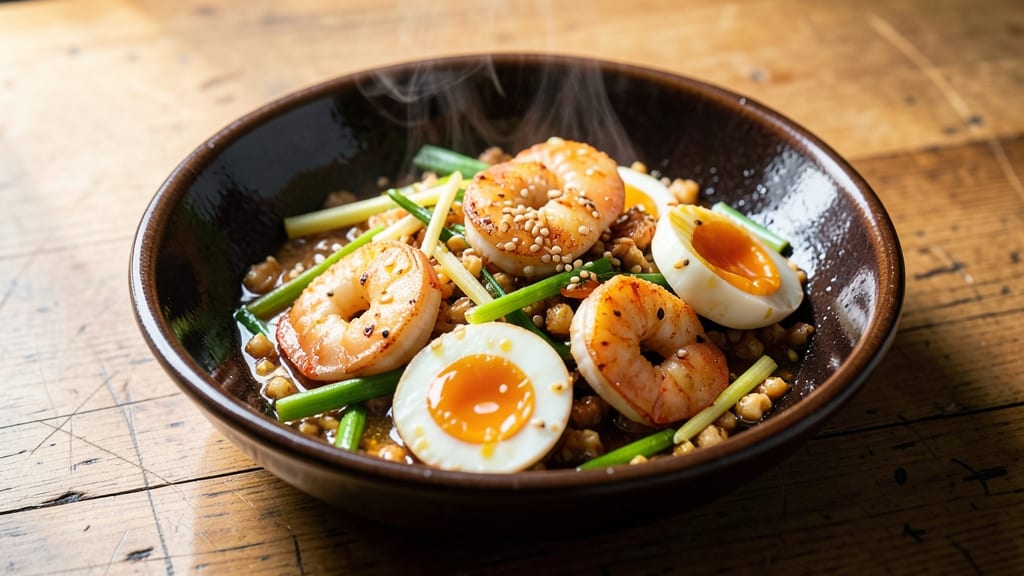
This shrimp and egg stir fry recipe delivers restaurant-quality wok-fired protein with perfectly silky scrambled eggs in under 20 minutes. The secret lies in high-heat searing of shrimp followed by quick-cooked eggs that stay tender and creamy—no rubbery textures here.
I developed this dish after years of testing stir-fry techniques, and it consistently delivers that perfect balance of smoky, savory, and slightly sweet flavors.
The foundation starts with properly prepped shrimp—quickly seared to maintain juiciness—then sets aside while you scramble eggs in a separate pan for that signature silky texture.
The stir-fry technique is critical: high heat, proper ingredient order, and sauce integration at the right moment transform this into a foolproof method that works every time. This dish is naturally pescatarian but can easily be adapted for vegetarians by substituting tofu or mushrooms.
What you'll end up with is a vibrant, protein-packed dish featuring tender shrimp, fluffy scrambled eggs, and a glossy sauce that coats every bite. The aroma alone—smoky wok hei, garlic, and ginger—will have everyone at the table asking for seconds.
Serve over steamed rice or noodles for a complete meal that's balanced, satisfying, and ready in record time.
Perfect for breakfast, brunch, or a quick weeknight dinner, this stir fry keeps its flavors vibrant even when reheated. Garnish with fresh green onions or sesame seeds for extra brightness. Let's get cooking—this dish is simpler than it looks but delivers restaurant-quality results every time.
Ingredients for shrimp and egg stir fry
Restaurant-quality shrimp and eggs start with these carefully selected ingredients for perfect texture and flavor balance.
| Ingredient | Amount | Notes |
|---|---|---|
| Large Shrimp (Peeled and Deveined) 🦐 | 1 lb | Tail-on for presentation, 31-40 count |
| Large Eggs 🥚 | 4 whole | Room temperature for silky texture |
| Extra-Virgin Olive Oil 🫒 | 2 tbsp | High smoke point preferred |
| Sesame Oil 🫒 | 1 tbsp | For aroma, not cooking |
| Fresh Garlic Cloves 🧄 | 4 cloves | Minced, not pressed |
| Fresh Ginger 🌿 | 1 tbsp | Finely grated, not minced |
| Low-Sodium Soy Sauce 🍶 | 2 tbsp | Kikkoman preferred |
| Oyster Sauce 🍶 | 1 tbsp | Lee Kum Kee brand |
| Honey 🍯 | 1 tsp | For subtle sweetness |
| White Rice Vinegar 🍶 | 1 tsp | For brightness |
| Cornstarch 🌾 | 1 tbsp | For sauce thickening |
| Green Onions 🧅 | 2 whole | Sliced, for garnish |
| Toasted Sesame Seeds 🌾 | 1 tsp | For garnish |
| Diamond Crystal Kosher Salt 🧂 | ½ tsp | For seasoning |
| Freshly Ground Black Pepper 🌶️ | ¼ tsp | For finishing |
The shrimp quality makes or breaks this dish. Look for 31-40 count with bright pink color and firm texture at Whole Foods or your local seafood counter. Tail-on shrimp adds presentation value without sacrificing functionality. For the eggs, room temperature is critical—cold eggs scramble rubbery. The ginger should be fresh, not paste—Trader Joe's carries great organic ginger year-round. If you can't find fresh, substitute 1/2 tsp ground ginger, but the flavor won't be as vibrant. The sesame oil is for aroma only—add it at the end to preserve its delicate nutty notes.
No sesame oil? Toasted peanut oil works in a pinch, though the flavor profile shifts slightly. Substituting honey with maple syrup maintains sweetness but adds earthy notes. For the sauce base, low-sodium soy sauce is essential—regular soy sauce makes the dish too salty. The cornstarch needs to be pure—arrowroot powder works at a 1:1 ratio if you're out. The green onions should be fresh, not dried—substitute with 1 tbsp dried chives if necessary. For a vegetarian version, replace shrimp with extra-firm tofu pressed for 20 minutes and marinated in soy sauce and cornstarch.
Shrimp keeps best in the coldest part of your fridge for 2 days—use within that window for optimal texture. The sauce components (soy sauce, oyster sauce, honey) can be pre-mixed and stored for 1 week in an airtight container. For meal prep, cook the shrimp and eggs separately, then combine with sauce just before serving to maintain texture. The dish reheats beautifully—30 seconds in the microwave with a splash of water restores moisture. Garnish with sesame seeds right before serving to prevent burning during reheating.
Why You'll Love This Recipe
- One-Pan Magic: I swear by this recipe when I’m too tired to wash dishes—just shrimp, eggs, and a splash of sesame oil in one pan. The shrimp sizzles while the eggs scramble right into the mix, and honestly? No one ever notices the cleanup.
- Garlic Bomb Flavor: That first hit of garlic and sesame oil hitting the pan? Chef’s kiss. The shrimp soaks up the aroma while the eggs add a creamy richness—it’s the kind of simple dish that tastes like you slaved over it, even though you didn’t.
- Lunchbox Hero: Between us, this is my go-to for meal prep. Toss it in a container, and it’s ready to grab for lunch—no reheating required. My kids (and my husband) swear it’s better cold than anything from the cafeteria.
- Budget Win: Fresh shrimp and eggs might sound fancy, but they stretch further than takeout. A single batch feeds four, and leftovers reheat like a dream. Plus, the ingredients cost less than one sad desk salad.
Step-by-step instructions for wok-fired shrimp and egg stir fry
Master this classic stir fry technique for perfectly cooked shrimp and silky eggs every time.
Prep Ingredients for Optimal Texture
Start by mincing the 4 cloves fresh garlic cloves and finely grating the 1 tablespoon fresh ginger—this releases their aromatic oils more effectively. Pat the 1 lb large shrimp (peeled and deveined) completely dry with paper towels to ensure a crispy exterior. Crack the 4 whole large eggs into a bowl and whisk vigorously until the yolks and whites are fully combined and frothy.
While the eggs rest at room temperature, mix the 2 tablespoons low-sodium soy sauce, 1 tablespoon oyster sauce, 1 teaspoon honey, and 1 teaspoon white rice vinegar in a small bowl. This marinade will infuse the shrimp with balanced sweetness and umami. Keep the 2 tablespoons extra-virgin olive oil and 1 tablespoon sesame oil separate—they serve distinct purposes in this dish.
Cook the Shrimp Until Just Done
Heat a wok or large skillet over high heat until it's smoking hot. Add the 2 tablespoons extra-virgin olive oil and swirl to coat the surface evenly. Add the shrimp in a single layer, being careful not to overcrowd the pan. Cook undisturbed for 1-2 minutes per side until they turn opaque and lightly charred—this ensures they remain tender while developing a crisp exterior.
Remove the shrimp from the wok and set aside. Immediately add the minced garlic and ginger to the same wok, cooking for 20-30 seconds until fragrant but not browned. Pour in the prepared marinade and scrape up any browned bits from the bottom of the wok with a wooden spoon. This deglazing step captures all the shrimp's flavor. Let the sauce reduce by half, about 1 minute, until it thickens slightly.
Scramble Eggs to Silky Perfection
Return the cooked shrimp to the wok and push them to one side. Add the whisked eggs to the empty space in the wok. Let them sit undisturbed for 5-10 seconds until the edges begin to set, then gently push the eggs toward the center with a spatula, allowing the uncooked egg to flow to the edges. This creates a silky, custard-like texture rather than dry, rubbery scrambled eggs.
Continue folding the eggs until they reach soft curds—about 20-30 seconds total. The eggs should be just set but still slightly runny in the center. Sprinkle the 1 tablespoon cornstarch over the eggs and stir vigorously for 10 seconds to thicken the sauce. The cornstarch will absorb the excess moisture, creating a glossy, clinging sauce that coats every bite.
Combine and Finish with Aromatics
Add the 1 tablespoon sesame oil to the wok and immediately combine everything—shrimp, eggs, and sauce—using quick, energetic strokes. The sesame oil adds a nutty aroma and helps distribute the flavors evenly. Cook for an additional 30 seconds until everything is heated through and the shrimp are uniformly coated in the sauce.
Taste and adjust seasoning with 0.5 teaspoon diamond crystal kosher salt and 0.25 teaspoon freshly ground black pepper if needed. Garnish with sliced 2 whole green onions and sprinkle with 1 teaspoon toasted sesame seeds just before serving. The green onions add freshness, while the sesame seeds contribute a subtle crunch and visual appeal.
Serve Immediately for Maximum Freshness
Transfer the stir fry to a warm serving platter and serve immediately over steamed jasmine rice or noodles. The dish should be vibrant in color—bright pink shrimp, glossy eggs, and a glossy sauce that clings to every strand of rice. Each bite should deliver a harmonious balance of textures: tender shrimp, silky eggs, and a sauce that's neither too thick nor too thin.
For best results, serve within 5 minutes of cooking while the shrimp are still warm and the eggs retain their delicate texture. The flavors will continue to meld as it sits, but the window for perfect presentation is short. Pair with a crisp green salad or quick-pickled vegetables to cut through the richness.
Pro Tips For Making Shrimp And Egg Stir Fry
- Pat shrimp first: I learned this the hard way—if you toss raw shrimp straight into the pan, they’ll release water and steam, turning your stir-fry into a sad, soggy mess. Pat them dry with paper towels, then toss with a pinch of salt and a drizzle of sesame oil before cooking. This guarantees a crispy exterior every time, even if you’re impatient like me.
- Scramble eggs separately: Sounds weird, but it works: Cook the eggs in a small, nonstick pan first until just set, then remove them to a plate. This keeps them tender and creamy instead of rubbery from over-stirring with the shrimp. Slide them back in at the very end—your dish will thank you.
- Minimize garlic crowding: After burning three batches, I finally figured out: Slice garlic paper-thin (almost translucent) and cook it in batches if needed. A full clove minced into a pile will burn before the shrimp’s done, and nothing ruins a stir-fry faster than bitter garlic. Start with half, taste, then add more if you’re brave.
- Use two oils, smartly: Extra-virgin olive oil has a high smoke point—perfect for searing shrimp—but it lacks the nutty depth of sesame oil. Heat the olive oil first to cook the shrimp, then lower the heat and add a teaspoon of sesame oil at the end. This adds aroma without overpowering the dish. (Yes, even if you’re in a rush.)
Wine and beer pairings for these flavors
Crisp White Wine
For this bright, savory stir fry, I reach for a dry Riesling from Germany or a Sauvignon Blanc from New Zealand. The crisp acidity and citrus notes in these wines cut through the richness of the shrimp and eggs beautifully.
A chilled glass of La Crema Monterey Sauvignon Blanc (around $18) is my go-to—its grapefruit and mineral finish complements the dish's umami flavors without overpowering them. 🍷
Light-Bodied Beer
If you prefer beer, a Japanese lager like Asahi Super Dry or a Belgian witbier such as Hoegaarden works perfectly. The subtle sweetness and effervescence of these beers cleanse your palate between bites.
For a more robust option, try a light German Helles—its malty backbone stands up to the stir fry's bold flavors. Serve the beer well-chilled (40-45°F) to enhance its refreshing qualities. 🍺
Sake Pairing
For an authentic Asian-inspired pairing, serve with dry sake like Dassai 23 or Kubota Junmai Daiginjo. The clean, slightly nutty profile of sake enhances the dish's wok hei aroma and sesame notes.
Chill the sake to 45-50°F for a refreshing sip that balances the stir fry's richness. If you prefer it warmer, serve at 60°F to highlight its aromatic qualities. 🍶
Non-Alcoholic Options
For a refreshing non-alcoholic option, try sparkling yuzu soda or green tea lemonade. The citrusy brightness of yuzu soda mirrors the dish's acidity from the rice vinegar, while the tannins in green tea complement the shrimp's umami.
For a more substantial choice, a chilled hibiscus iced tea adds a floral note that pairs surprisingly well with the savory stir fry. 💧
Nutrition facts
Frequently asked questions
Why do the eggs turn out rubbery in stir fries?
Overcooking or stirring too aggressively causes eggs to become rubbery. The key is to let them sit undisturbed for 5-10 seconds after adding to the wok, then gently fold with minimal stirring. Also ensure your eggs are at room temperature—cold eggs scramble faster and toughen. The cornstarch trick (sprinkled at the end) helps create that signature glossy texture.
Can I use frozen shrimp instead of fresh?
Yes, but thaw them properly first! Place frozen shrimp in a colander under cold running water for 5-10 minutes until flexible. Pat completely dry before cooking—any moisture will steam the shrimp instead of searing them. For best results, use shrimp that's been previously cooked (check package instructions) rather than raw frozen shrimp.
What's the best way to reheat leftovers?
Reheat gently in a skillet over medium-low heat with a splash of water to restore moisture. Add 1 teaspoon sesame oil and 1/2 teaspoon soy sauce to revive flavors. Avoid microwaving—it makes eggs gummy. For maximum freshness, cook only what you'll eat immediately, as shrimp and eggs don't reheat as beautifully as they cook.
How do I make this vegetarian?
Replace shrimp with extra-firm tofu pressed for 20 minutes and marinated in 2 tbsp soy sauce + 1 tbsp cornstarch for 15 minutes. Cut tofu into similar-sized pieces and cook until golden brown. For extra protein, add chickpeas or edamame to the stir fry. The egg component remains the same—vegetarians can still enjoy the silky texture!
What's the secret to getting that restaurant-quality wok hei?
High heat and proper technique! Use a carbon steel or cast iron wok (or heavy skillet) and crank the heat to maximum. Work quickly—shrimp should cook in 1-2 minutes total. The key is building heat first, then adding oil, then ingredients. Don't overcrowd the pan, and keep everything moving with quick, energetic strokes to create those signature smoky aromas.