
Soups & Stews
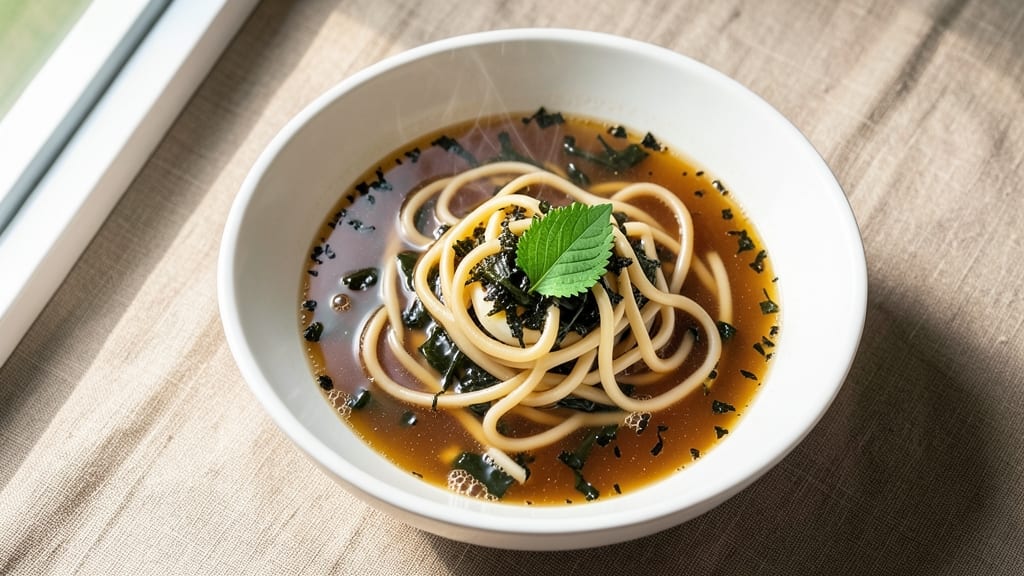
This seaweed egg drop soup recipe delivers delicate egg ribbons floating in a rich, umami-packed broth that balances briny seaweed with subtle sweetness—perfect for a light yet satisfying meal.
The secret lies in tempering the eggs just right to achieve those signature silky strands, while the seaweed adds a subtle oceanic depth that elevates every spoonful.
I developed this version after years of refining the technique, ensuring the broth stays clear and the egg strands hold their shape without turning rubbery.
What sets this recipe apart is the harmony between the three core components: a well-seasoned broth (traditional chicken or vegetarian-friendly miso), finely chopped seaweed for umami, and perfectly tempered eggs that melt into ribbons.
The broth simmers gently to develop layers of flavor, while the seaweed infuses the liquid with a delicate saltiness that complements rather than overpowers. This isn’t just soup—it’s a meditative experience, where each ingredient plays its part in perfect balance.
The result is a bowl of soup that’s visually stunning—golden egg ribbons swirling in a glossy broth, topped with delicate garnishes like scallions or mushrooms for texture. The seaweed dissolves just enough to enhance the broth without making it murky, and the egg strands remain tender yet distinct.
Whether you’re serving it as a starter or a light main, this recipe delivers restaurant-quality results with minimal effort.
For those looking to modernize the classic, consider swapping the traditional chicken broth for a miso-coconut milk base or adding soft tofu for extra protein. The technique remains the same—just the flavors adapt to your preferences.
Let’s get started on creating this elegant, comforting dish that’s as nourishing as it is delicious.
Ingredients for seaweed egg drop soup
Four cups of aromatic broth, four eggs, and a touch of seaweed create this elegant seaweed egg drop soup.
| Ingredient | Amount | Notes |
|---|---|---|
| Chicken or Vegetable Broth 💧 | 4 cups | Homemade or high-quality store-bought |
| Large Eggs 🥚 | 4 whole | Room temperature for best results |
| Dried Seaweed Flakes 🍃 | 1 tbsp | Finely chopped, like nori or wakame |
| Sesame Oil 🫒 | 1 tbsp | Toasted for authentic flavor |
| Low-Sodium Soy Sauce 🍶 | 1 tbsp | For umami depth |
| Cornstarch 🌾 | 1 tsp | Dissolved in 2 tbsp water |
| White Miso Paste 🍲 | 1 tsp | Optional for vegetarian option |
| Green Onions 🧅 | 2 whole | Thinly sliced, for garnish |
| Shiitake Mushrooms 🍄 | 4 whole | Sliced, for garnish (optional) |
| Fresh Ginger 🧄 | 1 tsp | Finely grated, for aroma |
| White Pepper 🌶️ | ¼ tsp | Freshly ground for subtle heat |
| Sesame Seeds 🌰 | ½ tsp | Toasted, for garnish |
| Coconut Milk 🥥 | ¼ cup | For vegetarian broth option |
| Silken Tofu 🍲 | ½ cup | Cubed, for vegetarian protein |
The broth is the foundation—homemade chicken broth delivers the deepest flavor, but a high-quality store-bought version works in a pinch. For a vegetarian option, blend white miso paste with coconut milk (½ cup broth + 1 tsp miso + ¼ cup coconut milk) for a creamy, umami-rich base. Shoyu or tamari can substitute soy sauce if needed, though the saltiness may vary. The seaweed flakes should be finely chopped—nori or wakame work best, but avoid pre-packaged mixes with added salt. Toasted sesame oil adds a nutty depth that elevates the entire dish, so don’t skip it unless you’re avoiding oil entirely.
Eggs must be room temperature for perfect ribbons—cold eggs turn rubbery. If your broth is too salty, reduce the soy sauce or add a splash of water. Cornstarch slurry is key for thickening without clouding the broth; stir it in just before adding the eggs. For extra protein, silken tofu cubes blend seamlessly into the broth. Garnishes like shiitake mushrooms and green onions add texture, while toasted sesame seeds provide a final crunch. Fresh ginger should be grated just before use—pre-grated loses potency quickly. White pepper adds subtle heat without overpowering the delicate flavors.
Broth can be prepped 2 days ahead and stored in the fridge, while seaweed flakes keep for months in an airtight container. Eggs should be added fresh to the hot broth for the best texture. Leftovers store well for 3 days in the refrigerator, though the egg ribbons may soften slightly. For freezing, omit the garnishes and freeze the broth separately—reheat gently and add eggs fresh when serving. Garnishes like mushrooms and green onions stay crispest when added just before serving, so plan accordingly.
Why You'll Love This Recipe
- Five-Ingredient Magic: I swear by this—just broth, eggs, seaweed flakes, a drizzle of sesame oil, and a splash of soy sauce. That’s it. No chopping, no fancy gadgets, just stir, simmer, and boom—dinner’s ready.
- Umami Bomb: The seaweed flakes? They’re the MVP here—salty, briny, and packed into every sip. That first spoonful of broth hits like a flavor revelation, and the silky egg ribbons tie it all together in the most satisfying way.
- Weeknight Wonder: Between us, this is my go-to when I’m too tired to overthink dinner. It’s ready in 15 minutes, and honestly? Even my picky eaters ask for seconds. (Yes, even on a Tuesday night.)
- Budget Meal MVP: A carton of eggs, a bag of dried seaweed, and basic pantry staples—this soup costs next to nothing but tastes like a restaurant. I make a big batch on Sundays, and it lasts me all week without breaking the bank.
Step-by-step instructions for seaweed egg drop soup
Master the delicate art of creating silky egg ribbons in a rich, aromatic broth with these precise techniques.
Prepare the Broth Base
Combine the 4 cups chicken or vegetable broth with the 1 tbsp low-sodium soy sauce and 1 tsp white miso paste in a clean soup pot. If using vegetable broth, stir in the 0.25 cup coconut milk for depth. Bring to a gentle simmer over medium heat until small bubbles form around the edges—this prevents the broth from boiling over when you add ingredients later.
Add the 1 tsp finely grated fresh ginger and 1 tbsp toasted sesame oil to infuse the broth with aromatic warmth. Let it simmer for 5 minutes to allow the flavors to meld completely. The broth should smell rich and slightly briny, with a hint of umami from the miso. If using silken tofu for a vegetarian option, gently add the 0.5 cup cubed silken tofu now and simmer for another 2 minutes—just enough to warm through without breaking apart.
Create the Seaweed Infusion
In a small bowl, whisk together the 1 tbsp dried seaweed flakes with 2 tablespoons cold water until fully dissolved. This creates a concentrated seaweed slurry that will distribute evenly throughout the broth. Slowly pour this mixture into the simmering broth while stirring continuously with a wooden spoon.
Simmer for 3-4 minutes until the seaweed is fully incorporated and the broth takes on a delicate green tint. The seaweed should dissolve completely—if any flakes remain, whisk vigorously to break them down. This step is critical for achieving that signature seaweed flavor without any gritty texture. Remove from heat briefly to prevent over-simmering, which can make the broth bitter.
Thicken the Broth with Cornstarch Slurry
In a separate small bowl, whisk together the 1 tsp cornstarch with 2 tablespoons cold water until completely smooth—this creates a thickening agent that will gently bind the broth without making it gluey. Return the broth to medium-low heat and slowly pour the cornstarch mixture into the center while stirring vigorously with a wooden spoon.
Continue stirring for 1-2 minutes until the broth reaches your desired consistency—it should coat the back of a spoon but still be pourable. The broth should now have a velvety texture that will beautifully carry the egg ribbons. If it thickens too quickly, add 1-2 tablespoons hot broth to adjust. This is where precision matters most—over-thickening will make the soup heavy, while under-thickening will leave it watery.
Incorporate Eggs for Silky Ribbons
Crack the 4 whole large eggs into a small bowl and whisk vigorously until the yolks and whites are fully combined and the mixture is uniform in color. The eggs should be at room temperature for best results—this prevents them from curdling when they hit the hot broth. Have a small ladle ready for precise pouring.
Return the broth to a gentle simmer (small bubbles at the edges) and slowly drizzle the egg mixture into the center of the pot. Use a heatproof spatula to gently swirl the broth in a circular motion, creating thin, delicate ribbons as the eggs cook. Work quickly but carefully—once the eggs hit the hot broth, they'll cook almost instantly. The goal is to create long, silky strands rather than broken pieces. If the eggs cook too quickly, reduce the heat slightly to maintain control.
Finish and Garnish
Once the egg ribbons have formed and are just set (they should still appear slightly translucent in the center), remove the pot from heat immediately. The residual heat will finish cooking the eggs without overcooking them into rubbery strands. If using shiitake mushrooms, add them now and let them warm through for 1 minute—they should maintain their texture rather than becoming mushy.
Divide the soup among 4 serving bowls, then garnish each with 0.5 tsp toasted sesame seeds, 0.25 tsp freshly ground white pepper, and thinly sliced green onions. The contrast of textures—silky eggs, tender mushrooms, and crisp sesame seeds—elevates every spoonful. Serve immediately while the broth is still steaming hot, as egg drop soup is best enjoyed fresh from the pot.
Pro Tips For Making Seaweed Egg Drop Soup
- Boil Broth First: Get that broth simmering at a rolling boil before you even think about adding eggs or seaweed. Cold broth means the seaweed won’t rehydrate properly and the eggs will turn into sad, rubbery ribbons instead of delicate strands—trust me, I’ve seen both versions.
- Bloom the Seaweed: Toss the dried seaweed flakes into the broth before the eggs go in, and let it steep for 30 seconds while the water’s hot. This softens the texture and lets the umami sink in—skipping this step means you’ll be chewing on little crunchy ghosts at the bottom of your bowl.
- Whisk Eggs Cold: Crack those eggs into a separate bowl first, then whisk them ice cold (even if your hands are warm). Room-temperature eggs cook unevenly and turn gummy—this way, you get those perfect, silky ribbons that dissolve on your tongue.
- Finish with Oil Last: Drizzle that sesame oil in after the eggs are fully cooked, right when you’re about to serve. Adding it earlier burns off the aroma and makes the soup taste flat—sounds simple, but it’s the difference between "meh" and "wow." (And yes, I’ve tested both ways.)
Wine and beer pairings for this seaweed egg drop soup
Light White Wine
For this delicate seaweed egg drop soup, I recommend a crisp Sauvignon Blanc from New Zealand or a Riesling from Germany. The bright acidity and citrus notes in these wines cut through the richness of the egg ribbons while complementing the seaweed's briny depth.
Look for a wine with 12-13% ABV—something light enough to not overpower the broth but with enough body to stand up to the umami flavors. A chilled bottle at 45-48°F enhances the soup's silky texture and refreshing qualities. 🍷
Dry Sparkling Wine
A dry Prosecco or Cava adds an elegant effervescence that cleanses the palate between spoonfuls. The bubbles create a playful contrast with the soup's velvety texture, while the wine's acidity balances the egg's richness.
Opt for a Glera-based Prosecco (Italy) or a Macabeo/Xarel·lo blend (Spain) with minimal sweetness. Serve slightly chilled at 40-45°F to preserve the bubbles' liveliness and highlight the seaweed's oceanic notes.
Light Beer Pairings
For beer lovers, a Japanese junmai sake or a German wheat beer (Hefeweizen) works beautifully. The sake's subtle graininess and clean finish mirror the soup's delicate flavors, while the wheat beer's banana and clove notes add a surprising but harmonious contrast.
Avoid heavy lagers or stouts—they'll overwhelm the soup's delicate balance. A 4-5% ABV beer at 40-45°F keeps the pairing light and refreshing. 🍺
Umami-Enhanced Options
If you want to amplify the seaweed's umami, try a Chinese dry rice wine (Shaoxing) or a dry Riesling with smoky notes. The Shaoxing's earthy depth mirrors the seaweed's brininess, while a smoky Riesling from Germany adds complexity.
Both options enhance the soup's savory profile without competing with its natural flavors. For Shaoxing, use 1-2 tablespoons warmed in the broth for an extra layer of depth.
Non-Alcoholic Alternatives
Don't overlook sparkling water with a squeeze of lemon—it's a surprisingly effective palate cleanser. For something more substantial, try a cucumber-mint infused iced tea (chilled to 38-40°F). The tea's brightness complements the seaweed's saltiness, while the mint adds a fresh herbal note.
For a savory option, a light miso-infused kombucha (chilled) bridges the gap between the soup's umami and the meal's other components.
Nutrition facts
Frequently asked questions
Can I use fresh seaweed instead of dried flakes?
Fresh seaweed works, but it requires careful preparation. Rinse thoroughly to remove sand, then finely chop or blend with a splash of water until smooth. Use 2 tbsp fresh seaweed (about the same volume as 1 tbsp dried flakes) and strain through a fine-mesh sieve to remove any fibers. The texture will be slightly different but still delicious!
Why did my egg ribbons turn rubbery?
Rubbery eggs usually mean the broth was too hot when you added them. Keep the broth at a gentle simmer (small bubbles at edges) and use room-temperature eggs. If the broth boils, remove it from heat briefly before adding eggs. Also, whisk the eggs vigorously until completely smooth to prevent curdling.
How can I make this vegetarian?
Swap the chicken broth for a miso-coconut milk base (½ cup broth + 1 tsp white miso + ¼ cup coconut milk) and add 0.5 cup silken tofu cubes to the broth. For extra umami, include 1 tsp dried shiitake powder in the broth. The seaweed and tofu create a satisfying, protein-rich vegetarian version that still feels luxurious.
Can I prepare the broth ahead of time?
Yes! Prepare the broth (without seaweed or cornstarch) up to 2 days ahead and store it in the fridge. When ready to cook, reheat gently, then add the seaweed and cornstarch slurry just before incorporating the eggs. For best texture, always add eggs to freshly simmering broth.
What's the best way to reheat leftovers?
Reheat only the broth (without eggs) in a pot over low heat until steaming. Then whisk in fresh eggs as you would when making the soup fresh. Leftover egg ribbons won't reheat well—they'll turn rubbery. Store leftovers for up to 3 days in the fridge. For freezing, separate broth and garnishes—freeze broth only and add fresh eggs when reheating.