
Breakfast & Brunch
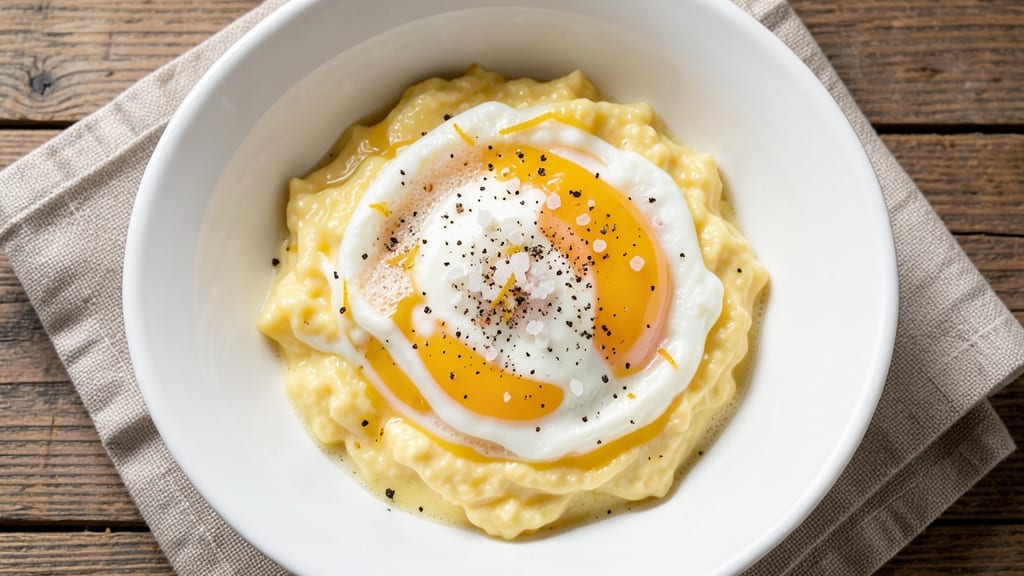
This scrambled egg recipe delivers buttery, creamy ribbons with that coveted velvety yolk texture—no rubbery eggs here. The secret lies in precise heat control and constant stirring, transforming simple eggs into a restaurant-worthy dish with just a few essential ingredients.
I've perfected this technique over years of trial and error, ensuring every bite is tender yet rich, with just the right amount of moisture.
What sets this method apart is the low-and-slow approach, where eggs cook gently in butter to develop deep flavor without drying out. We'll use whole milk or cream for extra richness, and high-quality butter to create those signature buttery strands.
The result is eggs that are perfectly set on the outside while remaining silky-smooth inside—no overcooked curds in sight.
Once mastered, this technique opens doors to endless variations: add sharp cheddar for a cheesy twist, fresh chives for brightness, or a touch of smoked paprika for depth. The plating matters too—pile high on a warm plate, garnish with herbs, and serve immediately while the edges stay crisp.
This isn't just breakfast; it's a foolproof way to elevate any meal.
Whether you're feeding a crowd or treating yourself to a special morning, these eggs deliver restaurant-quality results every time. The method scales perfectly, and leftovers reheat beautifully—just add a splash of milk to restore that creamy texture. Let's get cooking!
Ingredients for scrampled egg
Eight essential ingredients transform ordinary eggs into restaurant-quality buttery ribbons.
| Ingredient | Amount | Notes |
|---|---|---|
| Large Eggs 🥚 | 8 whole | Freshly cracked, room temperature |
| Unsalted Butter 🧈 | ½ cup | European-style preferred for flavor |
| Whole Milk 🥛 | ¼ cup | Full-fat for optimal creaminess |
| Diamond Crystal Kosher Salt 🧂 | ½ tsp | Fine grain for even distribution |
| Freshly Ground Black Pepper 🌶️ | ¼ tsp | Coarsely cracked for texture |
| Heavy Whipping Cream 🥛 | ⅛ cup | Optional for extra richness |
| Sharp White Cheddar Cheese 🧀 | ¼ cup | Shredded, optional for variation |
| Fresh Chives 🌿 | 2 tbsp | Finely chopped, for garnish |
| Smoked Paprika 🌶️ | ¼ tsp | For depth, optional variation |
The butter is non-negotiable—European-style with high fat content (82% or higher) creates those signature buttery strands. Plugrá or Kerrygold are my go-tos, but any quality unsalted butter works. For the eggs, farm-fresh or organic yields richer flavor, though store-bought large eggs are perfectly fine. The milk adds silkiness, but heavy cream can replace it for an even more decadent texture. Salt choice matters: Diamond Crystal kosher dissolves more easily than table salt, ensuring even seasoning throughout. Pre-grind your pepper for maximum aroma release—freshly cracked peppercorns are a game-changer.
No whole milk? Half-and-half or light cream work in a pinch, though the eggs may be slightly less tender. Substituting butter with olive oil or ghee changes the flavor profile dramatically—stick with butter for authentic results. For the cheese variation, Gruyère or Parmesan add different depth, but sharp cheddar maintains the classic American breakfast vibe. Short on chives? Green onions or parsley provide similar brightness. The smoked paprika is optional but adds a sophisticated touch—Penzeys carries excellent varieties if you want to experiment. All ingredients should be at room temperature for even cooking.
Store unused butter in an airtight container in the fridge for up to 3 months or 6 months in the freezer. Fresh eggs keep best in their original carton in the fridge for 3 weeks, while milk lasts 1 week after opening. For leftovers, reheat gently in a nonstick pan with a splash of milk to restore creaminess. These eggs reheat beautifully—30 seconds max on medium-low heat. The garnishes (chives, cheese, paprika) can be prepped ahead and stored separately in the fridge for 1 week
Why You'll Love This Recipe
- Five-Ingredient Magic: I swear by this list—eggs, butter, milk, salt, pepper. That’s it. No fancy chopping, no hidden pantry raids, just pure simplicity that somehow still feels special.
- Creamy Crisp Perfection: The butter melts into the eggs just right, giving you that golden crust on top while keeping the inside velvety smooth. Honestly, it’s the kind of texture that makes you pause mid-fork.
- Breakfast or Brunch: Scrambled eggs for breakfast? Sure. But this version works just as well on a lazy weekend brunch with toast and avocado—or even as a quick lunch when you’re starving and short on time.
- Leftovers That Don’t Suck: Unlike regular scrambled eggs, these reheat like a dream. Store them in the fridge for up to three days, and they’ll still taste fresh—no rubbery texture in sight. (Yes, even on a Tuesday night.)
Step-by-step instructions for scrambled eggs with perfect yolk texture
Master this refined technique for eggs that achieve silky ribbons and creamy yolks every time.
Prepare Ingredients for Optimal Texture
Crack the 8 whole large eggs into a heatproof mixing bowl and add the 0.25 cup whole milk and 0.125 cup heavy whipping cream. Whisk vigorously for 30 seconds until the yolks and whites are completely combined and the mixture is uniform in color. This step ensures even cooking and prevents curdling later.
In a separate small bowl, combine the 0.5 cup unsalted butter with the 0.5 tsp diamond crystal kosher salt and 0.25 tsp freshly ground black pepper. Melt this mixture over low heat in a nonstick skillet until the butter is completely liquid but not browned. This pre-seasoned butter creates the perfect flavor base for your eggs.
Cook Eggs on Gentle Heat for Ribbon Formation
Place the skillet with melted butter over low heat—this is critical for achieving the silky texture. Pour in the egg mixture and let it sit undisturbed for 30 seconds while the bottom begins to set. I always use low heat because higher temperatures cause the eggs to cook too quickly on the outside while remaining raw inside, resulting in rubbery texture.
After 30 seconds, gently push the eggs from one side of the pan to the other using a heatproof spatula, creating soft ribbons as they fold over themselves. Continue this motion for 2-3 minutes until the eggs are 90% set but still slightly runny in the center. The key is to work quickly but carefully—you want to create those beautiful ribbons without overworking the eggs.
Finish with Cheese and Paprika for Depth
When the eggs reach 90% doneness, remove the skillet from heat completely. Sprinkle the 0.25 cup sharp white cheddar cheese and 0.25 tsp smoked paprika evenly over the eggs. Let them sit off the heat for 1 minute to allow the cheese to melt completely and the paprika to infuse its smoky notes throughout the dish.
Return the skillet to low heat for just 15 seconds to gently warm through the cheese. The residual heat is enough to finish cooking the eggs without overcooking them. The cheese should be fully melted and create a creamy sauce that coats the eggs beautifully. At this point, the eggs should be completely set but still retain their silky texture.
Garnish and Serve Immediately
Transfer the scrambled eggs to a serving platter and immediately sprinkle with the 2 tbsp finely chopped fresh chives. The chives add a bright, fresh contrast to the rich eggs and cheese. Serve immediately while the eggs are still warm and the ribbons are visible—this dish doesn't wait. The perfect scrambled eggs should have a creamy, velvety texture with distinct ribbons and a slightly runny yolk center in each bite.
For best results, use this technique with freshly cracked eggs at room temperature. The butter should be melted but not browned, and the heat should remain low throughout the entire process. This method guarantees restaurant-quality scrambled eggs every time.
Pro Tips For Making Scrampled Egg
- USE LOW HEAT AFTER CRACKING: Once the eggs hit the pan, crank the heat to medium-high to get them moving fast—but as soon as they start to thicken, drop it to low. I learned this the hard way: high heat after the initial scramble turns your creamy eggs into rubbery curds. Watch them like a hawk; they’re done when they’re just setting, not fully set.
- WHISK EGGS AND MILK FIRST: Don’t just dump cold eggs into the pan. Whisk them with the milk until the yolks and whites are fully blended—no streaks, no lumps. I used to skip this, and the eggs would clump in patches. A quick 10-second whisk with a fork makes all the difference, especially if your eggs are straight from the fridge.
- SALT THE MILK, NOT THE PAN: Add half the salt to the milk before whisking—it dissolves completely and seasons every bite. The rest goes in the finished eggs. I was skeptical until I tried it: the flavor’s more even, and you won’t end up with a salty crust and bland centers. (Yes, even if you’re impatient like me.)
- MELT BUTTER UNTIL FOAMY: Heat the butter until it’s bubbling but not brown—that foam stage is where the magic happens. Cold butter clumps eggs; hot butter burns them. I used to rush this, and the eggs would stick like glue. Give it 30 seconds to get those little bubbles dancing before adding the eggs.
Common mistakes when making your scrampled egg
Overcooking the Eggs
I’ve ruined more scrambled eggs than I care to admit by walking away from the stove or cranking the heat too high. The moment your eggs start to brown or develop a firm, rubbery texture, they’ve gone past perfect.
To avoid this, keep the heat on low and stir constantly—every 30 seconds—until the eggs are just set. The ideal texture should be soft and slightly runny in the center, not fully firm. 💫
Skipping the Low-and-Slow Method
High heat is the enemy of silky scrambled eggs. When you cook eggs over medium or high heat, the outside sets too quickly while the inside remains raw, leading to dry, curdled eggs.
Instead, use low heat and let the eggs cook gently. This slow approach allows the proteins to break down evenly, creating those signature buttery ribbons. Trust me, patience pays off here!
Using Cold Ingredients
Cold eggs and dairy can cause your scrambled eggs to curdle or separate as they cook. Always use room-temperature eggs and butter—this ensures even cooking and a creamy texture. If your kitchen is cold, let the eggs sit in warm water for 5 minutes before cracking them.
The same goes for the milk or cream; warming it slightly helps prevent clumping. ⚡
Overworking the Eggs
Aggressive stirring or folding can turn your eggs into a dense, grainy mess. Once the eggs start to set, use a gentle, sweeping motion with your spatula to create ribbons without breaking them apart.
Overworking introduces too much air, which can make the eggs dry out. Think of it like folding a delicate soufflé—soft hands and light touches only!
Ignoring the Butter
Butter isn’t just flavor—it’s the secret to those luscious ribbons. If you skip it or use a low-fat substitute, your eggs will lack richness and may stick to the pan. Always use high-quality unsalted butter, like Plugrá or Kerrygold, and melt it completely before adding the eggs.
The fat in the butter coats the eggs, preventing them from sticking and creating that velvety texture we all crave.
Not Seasoning Properly
Seasoning scrambled eggs at the end of cooking can leave you with uneven flavor. Instead, dissolve the salt and pepper directly into the melted butter before adding the eggs. This ensures every bite is perfectly seasoned.
Taste as you go—you can always add more salt, but you can’t take it out! A pinch of smoked paprika or fresh herbs at the end adds depth without overpowering the dish.
Nutrition facts
Frequently asked questions
Why do my scrambled eggs turn out rubbery?
Rubbery eggs happen when the heat is too high or the eggs are overcooked. The key is using low heat and removing them from the pan when they're still slightly runny in the center. Stir constantly to create ribbons, and never let them sit undisturbed—this causes uneven cooking.
Can I make scrambled eggs without butter?
You can substitute butter with olive oil or ghee, but the texture and flavor will differ. Butter creates those signature ribbons and adds richness. If you must skip it, use high-quality oil and cook on even lower heat to prevent dryness. The eggs will be lighter but less creamy.
How do I keep scrambled eggs warm for a crowd?
Keep eggs warm in a low oven (200°F) set to "warm" or on a chafing dish over simmering water. Cover with a lid to trap heat. For best results, cook in batches and serve immediately—scrambled eggs are best fresh off the heat. If reheating, add a splash of milk to restore creaminess.
What's the secret to fluffy scrambled eggs?
Fluffy eggs rely on gentle heat and constant stirring. Whisk the eggs with milk first, then cook on low heat while stirring every 30 seconds. Remove from heat just before they're fully set—they'll carryover cook while resting. A splash of cream or extra butter also adds airiness.
Can I make scrambled eggs ahead of time?
Fresh is best, but you can prep components ahead: whisk eggs with milk and store in the fridge for 1 day**. For leftovers, reheat gently in a pan with a splash of milk to restore creaminess. Never microwave—it makes eggs rubbery. If making a big batch, cook in small portions and reheat quickly.