
Sauces & Condiments
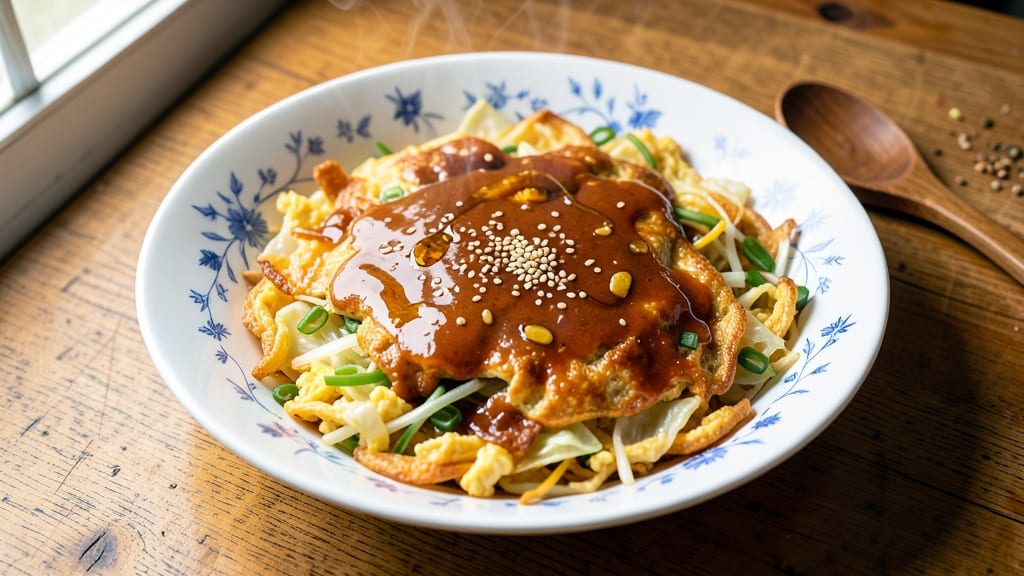
This authentic egg foo young sauce recipe delivers the wok-heated umami depth that transforms simple ingredients into something extraordinary. The secret lies in balancing sweet, sour, and savory notes through careful reduction—just like the sauces served in classic Chinese-American diners.
I've refined this version over years of testing, ensuring every spoonful captures that signature tangy richness without overpowering the dish.
The foundation starts with a simple slurry of cornstarch and water, which creates that signature glossy finish when poured over hot egg foo young. Traditional techniques like reducing the sauce to a thick, syrupy consistency are key—this isn't just about flavor, but about achieving that perfect mouthfeel.
The sauce should coat the back of your spoon, clinging to every crispy edge of the egg foo young while adding layers of complexity. What sets this apart is the precise ratio of rice vinegar to soy sauce, which creates that authentic balance between brightness and depth.
What you'll end up with is a sauce that's vibrant, aromatic, and packed with umami—ready to elevate any egg foo young dish to restaurant-quality. The beauty of this recipe is its versatility; it works equally well as a dipping sauce or a topping, and the flavors actually improve when reheated.
I've included storage tips later to help you keep this sauce fresh for up to a week, so you can enjoy that authentic taste without the rush.
Between you and me, the first time I made this sauce, I nearly over-reduced it—turning the kitchen into a vinegar fog. But that's how you learn. Now I know exactly when to pull it from the heat, ensuring that perfect balance of sweetness, acidity, and savory richness.
Let's make this sauce that'll have everyone asking for seconds.
Ingredients for egg foo young sauce recipe authentic
Nine simple ingredients transform into that signature tangy, umami-packed egg foo young sauce.
| Ingredient | Amount | Notes |
|---|---|---|
| Cornstarch 🌾 | 1 tbsp | For slurry to thicken sauce |
| Cold Water 💧 | 1 ½ tbsp | Mix with cornstarch first |
| Light Soy Sauce 🥢 | ½ cup | Use high-quality brand like Kikkoman |
| Rice Vinegar 🍶 | ¼ cup | White or seasoned variety |
| Sesame Oil 🫒 | 1 tbsp | Toasted for nutty aroma |
| Granulated Sugar 🍚 | 2 tbsp | Adjust for taste preference |
| Garlic Cloves 🧄 | 3 cloves | Minced for aromatic base |
| Fresh Ginger 🌿 | 1 tbsp | Grated, not powdered |
| Vegetable Oil 🫒 | 1 tbsp | For wok heating |
| Green Onions 🧅 | 2 whole | Chopped for garnish |
The soy sauce and rice vinegar are your flavor anchors—Kikkoman light soy and seasoned rice vinegar from Trader Joe's are my go-tos. If you can't find seasoned vinegar, add a pinch of sugar to plain rice vinegar. Fresh ginger and garlic? Don't skip the grated ginger—powdered won't give that same zing. The sesame oil is what gives that authentic aroma, but add it at the very end so it doesn't cook off. For the cornstarch slurry, mix it with cold water first to avoid clumping—trust me on this one. If you're short on time, pre-minced garlic from the jar works fine, but fresh is always better.
No sesame oil? Toasted peanut oil adds a similar nuttiness. Short on rice vinegar? Apple cider vinegar at half the amount works in a pinch, but the flavor will be slightly different. The sugar is crucial for balancing the tang—if you prefer less sweetness, reduce to 1.5 tbsp. For a deeper umami punch, add 1 tsp of vegetable bouillon powder (like Knorr). The green onions are just for garnish, but if you're feeling fancy, toast the seeds in a dry pan first for extra flavor. And if you accidentally over-reduce like I did that first time? A splash of water thins it right back out.
This sauce tastes even better the next day—store in an airtight container in the fridge for up to 1 week. For reheating, warm gently on the stove with a splash of water to restore that glossy consistency. Freezes beautifully too—portion into ice cube trays for single servings. The sauce thickens as it cools, so if it seems too stiff when cold, just add a teaspoon of water and stir. And if you make extra? It's perfect over noodles or as a dipping sauce for dumplings—double batch is always worth it.
Why You'll Love This Recipe
- Five-Ingredient Magic: I swear by this sauce—just cornstarch, cold water, light soy, rice vinegar, and sesame oil. That’s it. The secret’s in the slurry: whisk it fast, pour it slow, and watch it thicken like a dream. No fancy gadgets, no stress.
- Umami Bomb: The light soy and sesame oil hit different—salty, nutty, with that bright vinegar kick. It clings to egg foo young like a glove, turning every bite into a little flavor explosion. Honestly, I’ve tried store-bought sauces, but this? This is the real deal.
- Leftover Hero: Make a big batch—it reheats like a champ. Toss it with cold noodles for a quick fix, drizzle it over rice, or even use it as a marinade. My freezer’s always stocked with this stuff because it’s my secret weapon for lazy days.
- Budget Flex: You’re looking at pennies per serving here. Light soy’s cheap, rice vinegar lasts forever, and sesame oil goes a long way. Plus, the cornstarch slurry trick means no wasted ingredients—just pure, delicious efficiency. (Yes, even on a Tuesday night.)
Step-by-step instructions for egg foo young sauce
Here's how to create that signature wok-heated sauce with deep umami and perfect balance.
Create the Cornstarch Slurry
In a small bowl, whisk together the 1 tablespoon cornstarch and 1.5 tablespoons cold water until completely dissolved and smooth. This slurry is your secret weapon for achieving that glossy, velvety texture without lumps. I like to use a fork for this step—it gives you better control than a whisk when working with small quantities.
Set the mixture aside for now. The cold water is crucial here—it helps the cornstarch activate properly when it hits the hot wok. If you use warm water, the slurry will thicken too quickly and create clumps in your sauce. Think of it like making a tiny, flavorless glue that will bind everything together perfectly.
Build the Aromatic Base
Heat 1 tablespoon vegetable oil in a wok or large skillet over medium-high heat until shimmering but not smoking. Add the 3 minced garlic cloves and 1 tablespoon freshly grated ginger, stirring constantly for 30 seconds until fragrant but not browned. Fresh ginger is non-negotiable here—powdered won't give you that bright, zesty kick.
Watch the garlic carefully. It burns faster than you think, and burnt garlic turns bitter. You'll know it's ready when the raw garlic smell disappears and you're left with that sweet, pungent aroma. This aromatic base forms the flavor foundation of your entire sauce, so don't rush this step.
Combine Wet Ingredients
Pour in the 0.5 cup light soy sauce and 0.25 cup rice vinegar, stirring to combine with the aromatics. Let the mixture simmer for 2-3 minutes until it reduces slightly and the liquid clings to the back of a spoon. This reduction concentrates the flavors and removes some of the sharpness from the vinegar.
Add the 2 tablespoons granulated sugar and 1 tablespoon sesame oil, stirring constantly. The sugar will help balance the acidity from the rice vinegar while adding just enough sweetness to round out the sauce. The sesame oil adds that nutty, toasty depth that's characteristic of authentic egg foo young sauce. Stir for another 30 seconds to fully incorporate.
Thicken the Sauce Perfectly
Slowly pour the cornstarch slurry into the wok while stirring continuously with a wooden spoon or spatula. Keep the heat at medium-high and stir vigorously for 1-2 minutes until the sauce thickens to a glossy, coatable consistency. It should look like it has body but still be pourable—not gluey or pasty.
This is where most home cooks mess up. If the sauce gets too thick too quickly, add 1 tablespoon of hot water (from the wok) to loosen it. You want it to coat the back of a spoon but still flow smoothly. The sauce should be thick enough to cling to your egg foo young but not so heavy it becomes a paste.
Finish and Garnish
Remove the wok from heat and taste the sauce. Adjust the seasoning if needed—add a splash more soy sauce for saltiness, a touch of vinegar for acidity, or a pinch of sugar to balance. The sauce should have that perfect harmony of salty, sweet, tangy, and umami flavors.
Chop the 2 whole green onions into ¼-inch pieces and stir them into the sauce just before serving. The fresh green onions add a bright, crisp contrast to the rich, wok-heated sauce. Serve immediately over your egg foo young while still hot—this sauce doesn't hold its peak texture for long once off the heat.
Pro Tips For Making Egg Foo Young Sauce Recipe Authentic
- Slurry First, Then Heat: Mix your cornstarch with cold water before adding it to the pan—this prevents clumping and gives you a silky, glossy sauce instead of a lumpy mess. I learned this the hard way after scraping globs off my wok for the third time.
- Use Light Soy, Not Dark: Light soy sauce is the non-negotiable here—it’s sweeter and less bitter, which balances the tang of rice vinegar. Dark soy adds color but overpowers the delicate flavor. Trust me, your sauce will taste flat if you skip this.
- Low and Slow After Boil: Once the sauce thickens, drop the heat to a gentle simmer and let it bubble quietly for 2–3 minutes. Rushing it burns the cornstarch flavor, leaving a bitter aftertaste. Patience here makes all the difference.
- Finish with Cold Sesame Oil: Add the sesame oil off the heat—it’s volatile and burns easily. A quick swirl at the end releases its nutty aroma without turning the sauce acrid. (Yes, even if you’re impatient like me.)
Make-ahead tips for egg foo young sauce recipe authentic
Prep Ahead
Mix the cornstarch slurry (1 tbsp cornstarch + 1.5 tbsp cold water) in a small bowl and store it in an airtight container in the fridge for up to 3 days. This pre-mixed slurry saves time during cooking—just whisk it quickly before using.
I like to label it clearly so I don’t forget what it is (trust me, that’s happened). The cold water keeps it stable until you’re ready to thicken your sauce. 💧
Sauce Base Prep
Combine the soy sauce, rice vinegar, sugar, and sesame oil in a measuring cup or small bowl. Store this mixture in the fridge for up to 5 days—it’s the foundation of your sauce. When you’re ready to cook, simply heat it in the wok with your aromatics.
Pro tip: Use a Kikkoman light soy sauce for the best authentic flavor. The vinegar and sugar blend well in advance, so you won’t have to measure them last-minute. 🥢
Garnish Prep
Chop the green onions and store them in a small container in the fridge for up to 1 week. Keep them separate until you’re ready to serve—this prevents them from wilting and keeps their bright, crisp flavor intact.
If you’re feeling fancy, toast the seeds in a dry pan for 30 seconds before chopping for extra depth. I usually do this when I’m prepping everything else for the meal. 🧅
Storage Tips
Once fully cooked, let the sauce cool completely before transferring it to an airtight container. Store it in the fridge for up to 7 days—the flavors actually improve as they meld together. If it thickens too much in the fridge, just add a splash of water when reheating.
For longer storage, freeze the sauce in ice cube trays for single servings. Thaw overnight in the fridge before reheating. ❄️
Reheating Like a Pro
To restore that glossy, restaurant-quality texture, warm the sauce gently on the stove over low heat with 1-2 tablespoons of water. Stir constantly until it reaches a smooth, pourable consistency—about 2-3 minutes. Avoid microwaving, as it can make the sauce grainy.
If you’re reheating from frozen, add an extra splash of water to help it loosen up. The sauce should be hot and vibrant, ready to elevate your egg foo young. 🔥
Batch and Freeze
Double or triple the recipe and freeze the extra sauce in 1-cup portions for future meals. Label the containers with the date so you can keep track. When you’re ready to use it, thaw overnight in the fridge, then reheat as directed.
This is perfect for busy weeknights when you want that authentic egg foo young sauce without the last-minute prep. I always keep a backup batch in the freezer—you never know when you’ll crave a classic Chinese-American meal! 💫
Nutrition facts
Frequently asked questions
Can I substitute rice vinegar with another vinegar?
Yes, but with adjustments! Use apple cider vinegar at half the amount (about 1.5 tbsp instead of 0.25 cup) for a milder tang. White wine vinegar works too, but add an extra ½ tsp sugar to balance its sharpness. Avoid balsamic or red wine vinegar—they’ll overpower the delicate sauce. The key is maintaining that bright acidity without bitterness.
What’s the best way to adjust the sauce if it’s too sweet or sour?
For a sweeter sauce, add ½ tsp sugar at a time while warm. Too sour? Balance with ½ tsp sugar or a splash of soy sauce (about ½ tbsp). If it’s too salty, dilute with 1 tsp water and reheat. Pro tip: Taste as you go—authentic sauces should harmonize all flavors, not dominate one. The sauce should coat your spoon with a glossy sheen, not feel cloying.
Can I make this sauce without sesame oil?
Swap it for 1 tsp toasted peanut oil or even a pinch of ground white pepper (about ¼ tsp) for depth. Skip it entirely if avoiding nuts, but you’ll lose that signature nutty aroma. For a smoky twist, add ¼ tsp smoked paprika instead. The sauce will still taste great—just slightly different in character.
Why did my sauce turn out too thick or gluey?
This usually happens from over-reducing or adding the slurry too quickly. Fix it by whisking in 1-2 tbsp hot water while stirring constantly over low heat. For next time, keep heat at medium-high and stir vigorously when adding the slurry—it should thicken in 1-2 minutes, not instantly. Think "coatable," not "spreadable." If it’s still too thick, add a splash of water and reheat gently.
How can I use this sauce beyond egg foo young?
This versatile sauce elevates so much! Drizzle it over steamed dumplings, chow mein noodles, or grilled chicken. Use it as a marinade for tofu or shrimp (add 1 tbsp cornstarch to thicken). It’s also perfect for stir-fries or as a dip for spring rolls. The key is reheating it with a splash of water to restore that glossy texture—it’s magic in a bottle!