
Breakfast & Brunch
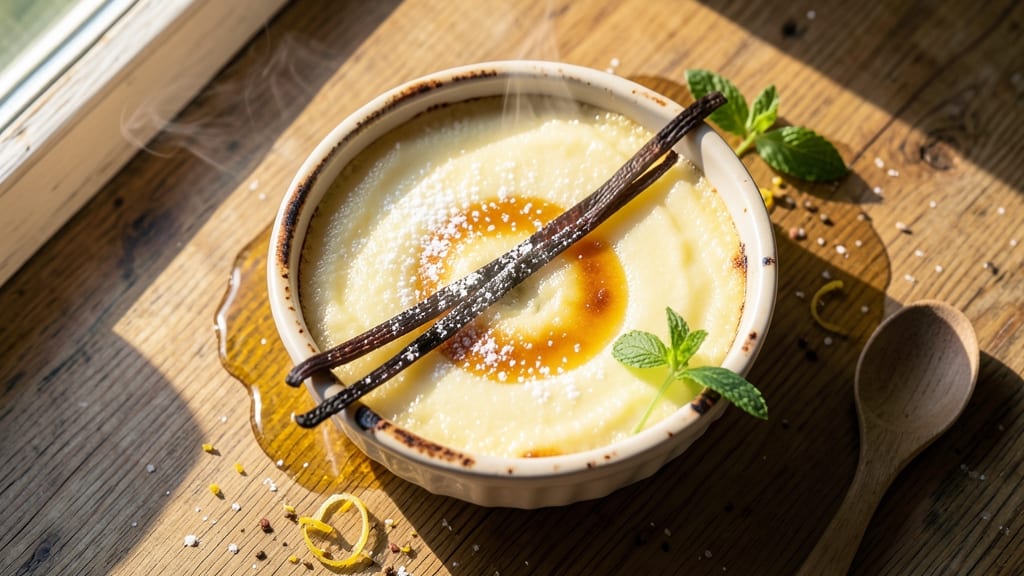
This baked custard recipe with egg yolks delivers restaurant-quality silkiness with just a few key techniques—no fancy equipment required. The secret lies in tempering the yolks and baking them gently in a water bath, ensuring that creamy texture we all crave.
I've perfected this method after years of testing, and it never fails to impress, even for beginners.
The magic happens when you whisk the yolks with warm milk and vanilla, then bake them slowly until set but still tender. A foil-covered glass dish keeps the custard from overbrowning while developing that signature caramelized top.
The result? A velvety, jiggly center with a smooth, golden crust that's impossible to resist.
What sets this recipe apart is its foolproof approach—no lumps, no curdling, and no guesswork. The water bath method ensures even cooking, while the foil trap creates that perfect texture contrast. Once you try this version, store-bought custards won't stand a chance.
Perfect for breakfast, dessert, or even a decadent snack, this custard pairs beautifully with berries, caramel, or a sprinkle of cinnamon. The instructions walk you through every step, from whisking to baking, so you'll achieve professional results every time.
Ingredients for baked custard recipe with egg yolks
Six key ingredients transform simple yolks into velvety custard with caramelized swirls—no lumps, no fuss.
| Ingredient | Amount | Notes |
|---|---|---|
| Large Egg Yolks 🥚 | 6 whole | Freshly separated from pasteurized eggs |
| Whole Milk 🥛 | 2 ½ cups | Full-fat for creaminess |
| Granulated Sugar 🍚 | ¾ cup | Superfine preferred for smoothness |
| Pure Vanilla Extract 🍯 | 1 ½ tbsp | Bourbon or Madagascar preferred |
| Unsalted Butter 🧈 | 2 tbsp | Cold, cubed for swirls |
| Diamond Crystal Kosher Salt 🧂 | ¼ tsp | Fine grain preferred |
| Cornstarch 🌾 | 1 tsp | For extra silkiness |
| Heavy Cream 🥛 | ½ cup | Optional for richer texture |
| Ground Cinnamon 🌿 | ¼ tsp | For garnish (optional) |
| Fresh Berries 🍓 | 1 cup | For serving (optional) |
| Aluminum Foil 📄 | 1 sheet | Heavy-duty for baking |
The yolks are non-negotiable here—freshly separated from pasteurized eggs ensures no curdling. Whole milk gives that classic richness (skip the skim—it's a custard, not a diet drink), and superfine sugar dissolves smoothly. I grab mine from Whole Foods or the baking aisle at Target—the pricey stuff makes a difference. For vanilla, Madagascar bourbon extract has that bright, floral note, but imitation vanillaCold and cubed—it melts into swirls during baking, creating those gorgeous marbled patterns. Don't skip the cornstarch; it's the secret to that ultra-smooth texture.
No vanilla extract? Vanilla bean paste works beautifully—just use half the amount. Heavy cream optional but worth it for that extra decadence. The custard will still set without it, but you'll miss that luxurious mouthfeel. For sugar, brown sugar at half the amount adds depth if you're feeling adventurous. And if you're serving this to kids (or just want to make it prettier), a dusting of cinnamon or a few fresh berries on top takes it from 'dessert' to 'showstopper.' The foil is heavy-duty—regular foil might tear when you're wrapping that baking dish.
This custard tastes even better the next day, so make it ahead—it keeps for 4 days in the fridge. For serving, I like to warm it slightly in the microwave (30 seconds) to bring back that jiggly center. Store leftovers covered with plastic wrap pressed right onto the surface to prevent a skin. Freezing isn't recommended—it changes the texture. But if you're making this for a crowd, double the batch and serve in individual ramekins. Trust me, they'll disappear fast.
Why You'll Love This Recipe
- No-Fuss Setup: I swear by this recipe because it’s basically hands-off after the initial whisk. Just warm the milk, mix in those yolks and sugar—no straining, no tempering—then bake. The only real effort is cracking eggs (and maybe hiding the good vanilla extract from your roommate).
- Velvet-Smooth Magic: That golden crust with a custard so silky it melts on your tongue? Pure science—egg yolks and whole milk create the creamiest texture, while the butter adds a buttery richness. Honestly, it’s the kind of dessert that makes you pause mid-bite just to appreciate it.
- Weeknight Dessert Fix: Need something impressive with zero stress? This custard bakes in ramekins—no fancy equipment—and tastes like you slaved over it. Serve it warm with berries for breakfast or chilled for a midnight snack. My lazy Sundays now have a backup plan.
- Budget Luxury: Five ingredients, all pantry staples (or cheap at the store), but it tastes like a high-end bakery treat. The yolks and butter give it that restaurant-quality depth without the markup. Plus, leftovers? Just reheat and enjoy—no sad, rubbery custard here.
Step-by-step instructions for silky vanilla custard in foil
Here's how to create velvety custard with perfect swirls and a golden crust—no special equipment needed.
Whisk Egg Yolks and Sugar Until Pale and Thick
In a medium heatproof bowl, whisk together the 6 whole large egg yolks and 0.75 cup granulated sugar over a pot of simmering water (double boiler method). You want to create gentle heat that brings the mixture to 160°F—just below boiling—without scrambling the yolks. Whisk constantly until the mixture thickens noticeably and turns pale, about 5-7 minutes. This step is critical: the sugar helps emulsify the yolks while the gradual heat prevents curdling.
Here's the thing—if you see any streaks of white, keep whisking. The mixture should coat the back of a spoon smoothly, like thick custard paint. Test for doneness by dipping a finger in—it should feel silky, not grainy. Once it reaches 160°F on an instant-read thermometer, remove from heat immediately.
Temper and Combine with Milk Mixture
In a separate saucepan, warm the 2.5 cups whole milk, 0.25 tsp diamond crystal kosher salt, 1.5 tbsp pure vanilla extract, and 1 tsp cornstarch over medium heat until it just begins to simmer (180°F). The cornstarch acts as a natural thickener, so don't skip it—it's what gives this custard its signature silkiness.
Now, very slowly pour the warm milk mixture into the yolk-sugar blend while whisking vigorously. This tempering process prevents the eggs from cooking too quickly and curdling. You'll see the mixture transform from thick to thin, then back to thick again as the eggs re-emulsify. Once fully combined, return the entire mixture to the saucepan and cook over low heat, stirring constantly, until it thickens enough to coat the back of a spoon (170-175°F).
Divide, Swirl, and Prepare for Baking
Transfer the custard to a large bowl and stir in the 0.5 cup heavy cream (if using) and 0.25 tsp ground cinnamon (optional). Divide evenly among 6 ramekins or heatproof glasses—about ½ cup each. Here's where the magic happens: drop small cubes of the 2 tbsp cold unsalted butter into each ramekin, then gently swirl with a knife to create marbled patterns. The butter will melt during baking, creating beautiful ribbons of golden swirls.
Cover each ramekin tightly with aluminum foil—this prevents skin formation while allowing steam to escape. Place them in a deep baking dish and pour hot water into the dish until it reaches halfway up the sides of the ramekins. The water bath ensures gentle, even cooking and prevents cracking.
Bake to Perfect Set and Golden Crust
Preheat your oven to 325°F. Bake the custards for 40-45 minutes until they're just set—you'll know they're ready when the edges are golden brown and the center still has a slight wobble (like Jell-O). For a foolproof test, gently shake the ramekins: the custard should jiggle slightly but not be liquid. Overbaking is the enemy here—it turns custard into rubber.
Remove from the water bath and let cool at room temperature for 10 minutes, then refrigerate for at least 2 hours (or overnight). The contrast between warm and cold is what creates that perfect creamy texture. When serving, garnish with the 1 cup fresh berries for a pop of color and acidity to balance the richness.
Pro Tips For Making Baked Custard Recipe With Egg Yolks
- Whisk Yolks Like Your Life Depends On It: I learned this the hard way—when the yolks have even a hint of stiffness, you’re asking for lumps. Whisk them in a heatproof bowl until they’re pale, ribbony, and triple their original volume. No shortcuts here; this is the thing that matters most for a silky custard.
- Use Cold Milk, Not Room-Temp: After burning three batches, I finally figured out that cold milk tempers the eggs properly. Pour it in slowly while whisking constantly—this keeps the yolks from curdling. Room-temp milk? You’re rolling the dice on scrambled custard.
- Bake at 325°F, Not Higher: Sounds weird, but it works: 325°F is the sweet spot for custards. Any hotter, and the outside sets before the center cooks, leaving you with a rubbery mess. I know, I know, you want it done faster—but trust the process.
- Dot Butter on Top Before Baking: This isn’t the prettiest method, but it’s the tastiest. After pouring the custard into your ramekins, dot the surface with small pieces of cold butter. It melts into the custard as it bakes, adding richness without altering the texture. (Your future self will thank you.)
Perfect pairings for this dish
Fruit Toppings
Fresh berries are my go-to for topping this custard—their bright acidity cuts through the richness beautifully. Use 1 cup mixed berries like raspberries, blueberries, or strawberries, heated briefly in a saucepan with 1 tbsp honey and ½ tsp lemon juice for a warm compote.
The berries release their juices, creating a glossy sauce that drizzles over the custard. For a tropical twist, try mango slices or passion fruit pulp, which add vibrant color and a tangy contrast. 🍓
Caramel Drizzle
A simple caramel drizzle elevates this custard to restaurant-quality. Heat ½ cup granulated sugar in a saucepan over medium heat until it melts and turns a deep amber color, then carefully whisk in 2 tbsp heavy cream and 1 tbsp unsalted butter.
Let cool slightly before drizzling over the custard. For extra flair, sprinkle with flaky sea salt—the salt enhances the sweetness and adds a sophisticated finish. I love using Maldon sea salt for its large, delicate crystals.
Toasted Nuts
Toasted nuts add crunch and depth to the creamy custard. Lightly toast ½ cup chopped pecans or hazelnuts in a dry skillet over medium heat for 3-4 minutes, stirring constantly, until fragrant and golden.
Sprinkle them over the custard just before serving—their nutty flavor complements the vanilla beautifully. For a richer option, try toasted almonds or pistachios, which bring a slightly bitter contrast that balances the sweetness. 🌰
Spiced Whipped Cream
Whipped cream is a classic pairing, but I take it up a notch with spices. Whip 1 cup heavy cream with 1 tbsp powdered sugar and ½ tsp vanilla extract until soft peaks form. Fold in ¼ tsp ground cinnamon and a pinch of cardamom for warmth.
The spices add a subtle complexity that pairs perfectly with the custard’s vanilla notes. Serve this alongside the custard for an extra-luxurious touch.
Coffee Infusion
For a sophisticated twist, infuse the custard with coffee flavor. Replace ½ cup of the milk with strong brewed coffee or espresso, cooled to room temperature. The deep, bittersweet notes of coffee create a striking contrast to the custard’s sweetness.
Garnish with a sprinkle of cocoa powder or a few dark chocolate shavings for an elegant finish. This pairing is perfect for dessert lovers who enjoy a mocha-inspired flavor profile.
Citrus Zest
A bright citrus element adds freshness to the custard. Zest 1 lemon or orange (about 1 tbsp zest) and sprinkle it over the top before serving. The citrus oils brighten the custard’s flavors and add a pop of color.
For an extra touch, drizzle with a honey-lemon syrup—simmer 2 tbsp honey with 1 tbsp lemon juice and 1 tbsp water until slightly thickened. This works beautifully with the custard’s creamy texture and adds a refreshing contrast. 🍊
Nutrition facts
Frequently asked questions
Why do I need to temper the egg yolks?
Tempering prevents the yolks from scrambling when combined with hot milk. The gradual heat transition keeps the proteins stable, ensuring a smooth, creamy texture instead of grainy lumps. Think of it as a gentle handshake between cold yolks and warm milk—rushing it causes curdling.
Can I make this custard without a water bath?
Technically yes, but the water bath is key for even cooking and preventing cracks. Without it, the custard may overcook on the edges while staying undercooked in the center. For a test, bake at 325°F for 35-40 minutes and check frequently—but expect less consistent results.
How do I fix curdled custard?
If it curdles during cooking, immediately remove from heat and whisk vigorously to re-emulsify. For baked custard, gently reheat the mixture (without milk) to 160°F while whisking constantly—this often restores smoothness. Prevention is easier: whisk yolks and sugar until pale before adding hot liquid.
Can I use egg whites instead of yolks?
No—egg whites won't create the same rich, creamy texture. Yolks contain lecithin, which emulsifies fats for that signature custard mouthfeel. For a lighter version, you could replace 2 yolks with 2 egg whites whipped to stiff peaks, but the result will be less decadent.
Why does my custard have a skin on top?
This happens when exposed to air during baking. Always cover ramekins with foil to trap steam. For serving, gently reheat (microwave 20 seconds) to restore creaminess. Pro tip: Press plastic wrap directly on the surface before refrigerating to prevent skin formation overnight.