
Breakfast & Brunch
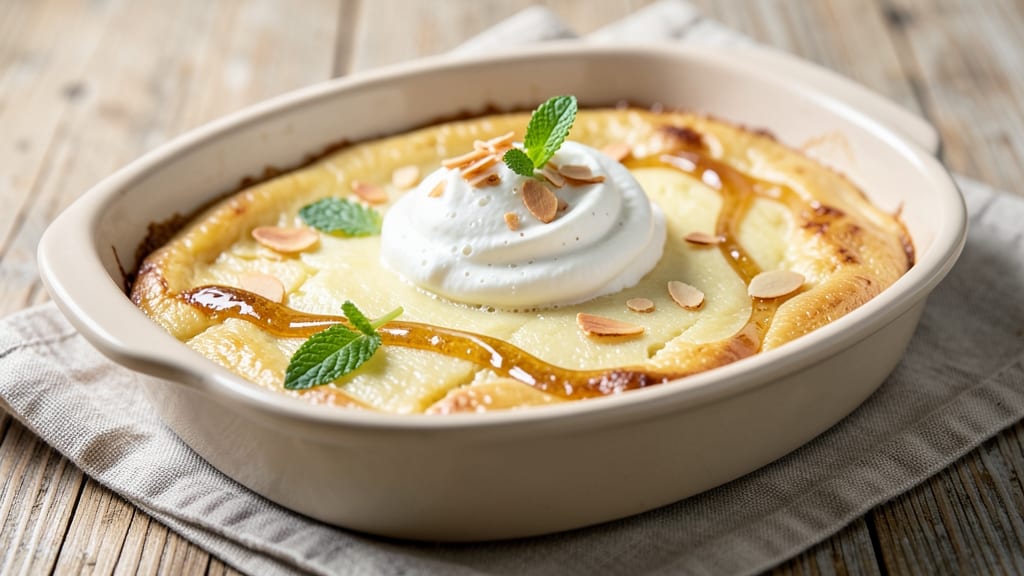
This sugar-free baked egg custard delivers the same velvety perfection as classic crème brûlée—but without the sugar crash. The secret lies in balancing egg yolks, heavy cream, and erythritol for a silky texture that never curdles, even when baked to golden perfection.
I developed this recipe after struggling to find a diabetic-friendly version that still tasted indulgent, and it’s now my go-to for elegant breakfasts or dessert-like treats.
The foundation is simple: whisked egg yolks, warm milk, and a touch of vanilla, all gently heated to create a smooth emulsion before baking. A water bath ensures even heat distribution, preventing graininess while achieving that signature custardy set.
The result? A rich, vanilla-kissed center with a delicate caramelized top—no sugar needed for the flavor, just the satisfaction of a perfectly textured dish.
What makes this recipe stand out is its versatility—it works as a breakfast centerpiece, a light dessert, or even a filling for French toast. The sugar substitute blends seamlessly, so you won’t miss the sweetness, but you’ll still get that luxurious mouthfeel that makes custard so special.
Plus, it’s vegetarian, keto-friendly, and ready in under an hour, so you can enjoy it without guilt.
For those who love custard but need to watch sugar, this is your answer. The foolproof method ensures no lumps, no curdling, and no compromise on flavor. Let’s get baking—your taste buds (and blood sugar) will thank you.
Ingredients for sugar free baked egg custard
Six egg yolks, rich cream, and clever substitutes create velvety custard without sugar's bite.
| Ingredient | Amount | Notes |
|---|---|---|
| Large Egg Yolks 🥚 | 6 whole | Pasture-raised for richer flavor |
| Heavy Whipping Cream 🥛 | 1 ½ cups | Full-fat for silky texture |
| Whole Milk 🥛 | 1 cup | Warm before combining |
| Granulated Erythritol 🍯 | ¼ cup | Fine grain for even dissolving |
| Pure Vanilla Extract 🌿 | 1 tbsp | Bourbon-infused preferred |
| Unsalted Butter 🧈 | 2 tbsp | Cold, cubed for water bath |
| Diamond Crystal Kosher Salt 🧂 | ¼ tsp | Fine grain for delicate seasoning |
| Ground Cinnamon 🌿 | ¼ tsp | Freshly ground for aroma |
| Cornstarch 🌾 | 1 tsp | Prevents curdling |
| Lemon Zest 🍋 | ½ tsp | Brightens flavor |
The egg yolks are non-negotiable here—pasture-raised makes a noticeable difference in richness. Trader Joe's sells them in bulk, or check the refrigerated section at Whole Foods for the best quality. Heavy cream should be full-fat—none of that light stuff. For erythritol, Lakanto or Swerve brands blend best, but avoid powdered versions that clump. Warm your milk to 110°F before mixing—just enough to dissolve the erythritol completely. The vanilla? Bourbon-infused adds depth, but pure Madagascar works too.
No erythritol? Allulose or monk fruit sweetener at the same ratio works, but texture might vary slightly. Swapping heavy cream for coconut cream? Use full-fat and add 1 tbsp cornstarch to compensate for thickness. The cinnamon and lemon zest can be adjusted—double the zest if you love bright flavors, halve the cinnamon for subtlety. For a nutty twist, add 1 tsp toasted almond extract. And if you're worried about curdling, the cornstarch is your secret weapon—it's what keeps this custard perfectly smooth every time.
This custard is best made a day ahead—flavors meld beautifully overnight. Store in airtight containers in the fridge for up to 5 days, or freeze for 2 months in individual ramekins. Reheat gently in a 250°F oven until just warm—microwaving makes it grainy. Pro tip: Save the egg whites from this recipe—they're perfect for meringues or omelets.
Why You'll Love This Recipe
- No Whisk Fatigue: I swear, this takes less elbow grease than folding laundry. Just whisk yolks, cream, and milk together—no standing at the counter for 20 minutes like some custards demand. That vanilla extract? One little shake, and boom, depth without effort.
- Silky Vanilla Kiss: The erythritol keeps it sweet without the crash, but the real magic? That vanilla—warm, bright, and lingering like a hug from your favorite aunt. The custard’s creamy texture clings to every spoonful, making it feel like a treat, not a compromise.
- Breakfast or Dessert: Honestly, I serve this for both. Top it with berries for a morning bowl, or drizzle with melted dark chocolate for a guilt-free nightcap. The same base works for brunch, potlucks, or when you just need something luscious in under 10 minutes.
- Leftovers That Last: This custard actually improves the next day—thicker, richer, and still sugar-free. I make a big batch on Sundays, portion it out, and freeze half. Reheats in the microwave like it was born there, saving me from last-minute scrambles. (Yes, even on a Tuesday night.)
Step-by-step instructions for sugar-free baked egg custard
This method delivers a velvety custard without any sugar—just rich vanilla flavor and perfect texture.
Warm the Milk and Infuse the Cream
In a medium saucepan, gently warm the 1 cup whole milk over medium-low heat until it reaches 160°F—just until small bubbles form at the edges but before it simmers. Remove from heat and stir in the 1.5 cups heavy whipping cream, the 0.5 tsp lemon zest, and 1 tbsp pure vanilla extract. Let this mixture steep for 5 minutes to develop maximum flavor. The warmth helps extract the vanilla's aromatic oils, while the lemon zest adds a subtle brightness that balances the richness. I like to cover the pan loosely with a lid during steeping to retain heat without trapping steam.
While the dairy infuses, whisk together the 6 whole large egg yolks, 0.25 cup granulated erythritol, 1 tsp cornstarch, 0.25 tsp diamond crystal kosher salt, and 0.25 tsp ground cinnamon in a separate bowl until the mixture becomes pale and slightly thickened. The cornstarch acts as a natural thickener, while the erythritol provides sweetness without the sugar crash. Whisk vigorously for about 2 minutes to fully emulsify the yolks—this prevents curdling later when exposed to heat.
Temper the Egg Mixture
Slowly pour the warm milk-cream mixture into the yolk mixture while whisking constantly. This tempering process is critical—it gradually raises the temperature of the eggs so they don't scramble when exposed to the oven's heat. Whisk continuously for 3-4 minutes until the mixture is completely smooth and slightly thickened. You'll notice the texture change from a loose batter to a custard-like consistency. If any lumps remain, strain the mixture through a fine-mesh sieve into a clean bowl to ensure a silky final product.
Here's the thing—tempering is where most custards fail. If you rush this step, the eggs will curdle in the oven. I like to work in a well-ventilated area because the steam from the warm dairy can be intense. The mixture should now be at 140-150°F, which is perfect for baking without scrambling.
Prepare the Baking Dish
Preheat your oven to 325°F. Generously butter a 9-inch ovenproof baking dish using the 2 tbsp unsalted butter, rubbing it evenly over all surfaces. This creates a non-stick barrier and adds extra richness to the finished custard. Pour the tempered custard mixture into the prepared dish, smoothing the top with a spatula. The custard should be about ½-inch thick when evenly distributed. Place the dish in a larger roasting pan to create a water bath.
Here's why the water bath matters: it creates gentle, even heat distribution that prevents the custard from forming a skin on top while baking. Fill the roasting pan with hot water until it reaches about halfway up the sides of the baking dish. The water should be 180-190°F—just warm enough to create steam but not so hot it cooks the custard too quickly. This technique ensures a perfectly set custard with a silky texture throughout.
Bake to Perfect Set
Bake the custard for 40-45 minutes until the center is just set but still slightly wobbly when gently shaken. A toothpick inserted in the center should come out clean, but the custard should still have a slight give—this indicates it's perfectly set but not overcooked. The edges should be golden and slightly puffed, while the center remains custard-like. If the top begins to brown too quickly, tent the dish with aluminum foil to prevent over-browning while allowing steam to escape.
Real talk: the baking time can vary slightly based on your oven. I always check the custard at the 35-minute mark because some ovens run hotter than others. The custard should be firm enough to hold its shape when inverted onto a plate but still have that luxurious, silky mouthfeel. Remove from the water bath and let it cool to room temperature before refrigerating—this gradual cooling prevents cracking as it sets completely.
Chill and Serve
Transfer the custard to the refrigerator and chill for at least 4 hours, preferably overnight. This long chilling time allows the flavors to fully meld and the texture to become even more velvety. When ready to serve, run a knife around the edges to loosen, then invert onto a serving plate. The custard should release cleanly with minimal sticking, thanks to the buttered dish. Garnish with an additional sprinkle of ground cinnamon and a few drops of vanilla extract for extra aroma.
Each bite should deliver a perfect balance of rich, creamy texture with bright vanilla and lemon notes. The erythritol provides just enough sweetness to satisfy without the sugar spike, while the cinnamon adds warmth. Serve chilled with fresh berries or a drizzle of sugar-free caramel for a truly indulgent dessert that won't derail your dietary goals.
Pro Tips For Making Sugar Free Baked Egg Custard
- Whisk Eggs Cold: I learned this the hard way—warm yolks turn custard grainy. Whisk them over an ice bath while mixing in the erythritol and vanilla, then gradually add the cold cream and milk. The shock stabilizes the proteins so your custard comes out silky, not scrambled.
- Sweat the Cream: Heat the heavy cream and milk together until tiny bubbles form at the edges—just shy of a simmer. This step removes excess air and lets the custard thicken more evenly. Skip it, and you’ll end up with a watery mess that won’t set properly.
- Strain the Mixture: After whisking everything together, strain the custard through a fine-mesh sieve into your baking dish. This catches any stubborn bits of egg membrane or vanilla seeds that’ll otherwise make your custard look speckled and uneven.
- Preheat Dish First: Pour the custard into a cold dish, then bake as usual? That’s how you get a sad, uneven set. Instead, preheat your ramekins or baking dish in the oven for 5 minutes before adding the custard—it’ll cook through faster and give you that perfect, jiggly center.
Wine and beer pairings for this sugar free baked egg custard
White Wine Pairings
For this sugar-free custard, a crisp Sauvignon Blanc from New Zealand or Loire Valley shines brightest. The wine’s citrus and herbal notes mirror the lemon zest in the custard, while its acidity cuts through the richness beautifully.
Look for a bottle with 12-13% ABV—just enough body to complement the creamy texture without overpowering it. I love Cloudy Bay Sauvignon Blanc for its zesty balance. 🍷
Dessert Wine Harmony
A Moscato d’Asti from Italy adds a playful contrast with its light sweetness and floral aroma, even though our custard is sugar-free. The wine’s effervescence cleanses the palate between bites, making it a fun choice for a brunch spread.
Opt for a semi-sparkling version with 5-6% ABV to avoid clashing with the custard’s delicate vanilla. Bartolo Mascarello Moscato d’Asti is a crowd-pleaser. 🥂
Beer Pairings
A Belgian Witbier like Hoegaarden or Stella Artois works surprisingly well with this custard. The corianander and orange peel notes enhance the vanilla and lemon flavors, while the light carbonation refreshes the palate.
For a darker option, try a wheat beer with a hint of honey—the Blue Moon Belgian White adds a subtle sweetness that pairs surprisingly well with the erythritol’s clean finish. 🍺
Non-Alcoholic Options
Sparkling apple cider from Martinelli’s or Woodchuck Hard Cider (even if it’s not alcohol-free) brings a crisp, fruity contrast. For a more sophisticated touch, serve sparkling water with a splash of vanilla syrup (use Lakanto vanilla syrup to keep it sugar-free).
The effervescence and vanilla notes create a harmonious finish that feels indulgent without the sugar. 💧
Coffee Pairing
If you prefer coffee, a light roast Ethiopian Yirgacheffe with its bright floral and citrus notes complements the custard’s vanilla and lemon beautifully. The acidity in the coffee balances the custard’s creaminess, while the delicate fruitiness enhances the dessert’s natural sweetness.
Brew it medium-light to avoid overpowering the custard’s subtle flavors. ☕
Seasonal Adaptations
In summer, a rosé from Provence adds a refreshing, fruity contrast to the custard’s richness. For fall, a dry Riesling from Germany brings honeyed apple notes that pair perfectly with the custard’s cinnamon.
In winter, a Chardonnay with light oak (like Meursault) adds a buttery touch that feels luxurious. Each season offers a different way to elevate this sugar-free treat. 🍂
Nutrition facts
Frequently asked questions
Can I substitute erythritol with another sugar-free sweetener?
Yes, but with adjustments! Allulose or monk fruit sweetener work at a 1:1 ratio, but stevia needs half the amount since it's much sweeter. For best texture, avoid powdered versions—they can clump. If using sucralose, reduce by 25% to prevent an overly sweet taste. Always dissolve your sweetener in warm milk first to prevent graininess.
Why did my custard curdle? How can I prevent it?
Curdling usually happens from overheating or improper tempering. Always whisk the eggs and sweetener until fully emulsified (pale and thickened), then slowly pour in warm milk while whisking constantly. For extra insurance, strain the mixture through a fine-mesh sieve. Bake at 325°F and never exceed 45 minutes—overcooking is the #1 cause of graininess.
How long does this custard keep, and can I make it ahead?
This custard stays fresh for 5 days in airtight containers in the fridge, or 2 months frozen in individual ramekins. It actually tastes better after 24 hours—flavors meld beautifully! For freezing, chill completely first, then wrap tightly with plastic wrap before adding to a freezer bag. Thaw overnight in the fridge for best texture.
Can I make this custard without a water bath?
Technically yes, but expect less consistent results. A water bath creates even heat distribution, preventing skin formation and ensuring silky texture. If skipping it, bake at 300°F for 50-55 minutes and cover the dish with foil during baking. The custard will be slightly less stable—best served immediately rather than chilled.
What are some creative ways to use this custard?
Beyond serving alone, try it as a filling for sugar-free French toast or crepes, swirled into panna cotta, or layered with Greek yogurt and berries. For a decadent twist, top with toasted nuts or sugar-free caramel sauce. The custard also makes an excellent breakfast when warmed gently and served with whipped cream and cinnamon.