
Desserts
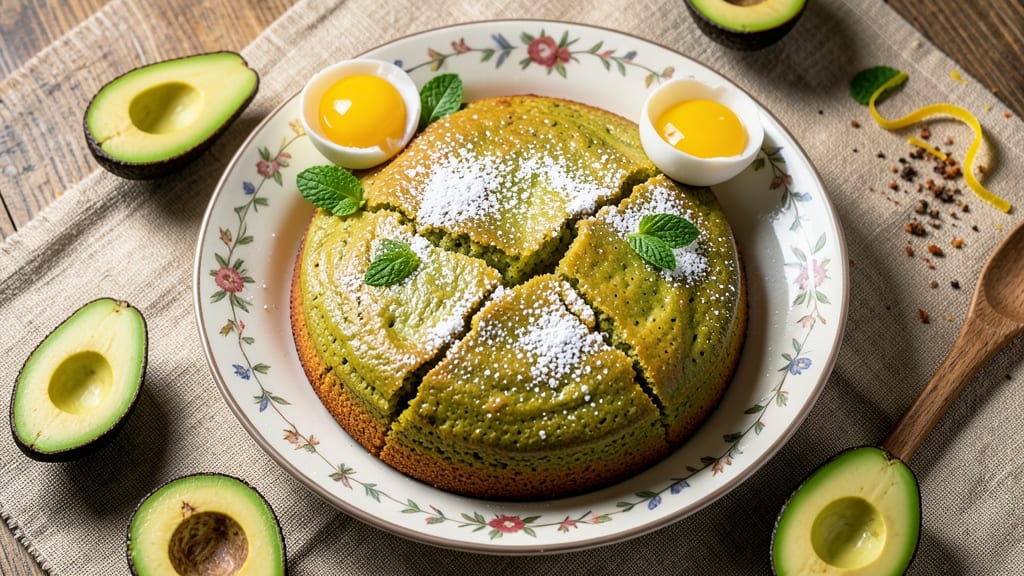
This avocado egg cake recipe delivers a surprisingly creamy, fluffy texture that hides its healthy base perfectly. The secret lies in blending ripe avocado with eggs and a touch of sweetener, creating a moist crumb without needing butter or oil.
I developed this recipe after struggling to find a dessert that balanced richness with natural ingredients—this one does both beautifully.
The magic happens when you whip the eggs until light and airy before folding in the avocado mixture. This technique ensures fluffy layers that stay tender even after baking.
The cake's subtle avocado flavor pairs wonderfully with citrus zest or a drizzle of honey, making it feel indulgent without being heavy.
What you'll end up with is a moist yet cake-like texture that holds its shape while offering that signature velvety mouthfeel. The avocado keeps it rich, while the eggs provide structure and a delicate rise. Perfect for brunch or dessert lovers looking for something lighter yet satisfying.
Serve with fresh berries or a dollop of whipped cream to enhance the natural sweetness. The recipe scales easily for gatherings, and leftovers keep well for 2-3 days. Here's how to make it—no special equipment required.
Ingredients for avocado egg cake
Eight simple ingredients create a moist, creamy cake with no butter needed.
| Ingredient | Amount | Notes |
|---|---|---|
| Ripe Avocados 🥑 | 2 whole | Pitted, flesh scooped |
| Large Eggs 🥚 | 6 whole | Room temperature preferred |
| Granulated Sugar 🍚 | ¾ cup | Or maple syrup for vegan option |
| All-Purpose Flour 🌾 | 1 ½ cups | Sifted for even texture |
| Baking Powder 🧂 | 1 ½ tsp | Diamond Crystal preferred |
| Salt 🧂 | ½ tsp | Fine sea salt preferred |
| Vanilla Extract 🌸 | 1 tsp | Pure vanilla extract |
| Lemon Zest 🍋 | 1 tbsp | Fresh lemon preferred |
| Plain Greek Yogurt 🥛 | ½ cup | Full-fat for creaminess |
| Unsalted Butter 🧈 | ½ cup | Melted, room temperature |
| Almond Milk 🥛 | ¼ cup | Unsweetened preferred |
The avocados are the star—pick ripe but firm ones from the produce section. Whole Foods or Trader Joe's usually have the best selection. The eggs should be large and fresh; room temperature whips up better. For the flour, King Arthur brand is my go-to—it bakes evenly. The Greek yogurt adds moisture without making the cake dense, and full-fat is worth it here for that rich texture. If you can't find almond milk, any neutral-tasting plant milk works.
No vanilla extract? Vanilla bean paste works just as well, or even a splash of vanilla syrup. Running short on almond milk? Oat milk or coconut milk both work, though coconut adds a slight flavor. The lemon zest can be substituted with lime zest for a different twist. For a sweeter cake, add an extra tablespoon of sugar. The baking powder is crucial—don't skip it or the cake won't rise properly. If you're baking at high altitude, consider adding an extra 1/4 teaspoon.
Store the cake in an airtight container in the fridge for up to 5 days. It actually tastes better the next day as the flavors meld. For longer storage, wrap tightly in plastic and freeze for up to 3 months. To reheat, warm at 350°F for 5-10 minutes. The cake keeps well at room temperature for 2 days if you prefer it slightly softer. Portion into individual servings before freezing for easy grab-and-go slices.
Why You'll Love This Recipe
- No Mash Required: I swear by this trick—just scoop the avocado flesh straight into the bowl. No peeling, no pitting, no mess. The eggs and sugar blend right in while the baking powder does all the lifting.
- Rich Without Guilt: That creamy avocado base makes it taste like a decadent dessert, but the flour and sugar keep it light. Honestly, it’s the kind of treat I’d eat for breakfast without hesitation—no weird aftertaste, just pure, smooth satisfaction.
- Breakfast or Dessert: Serve it warm with a drizzle of honey for a brunch star or chill it overnight for a no-bake dessert. My kids ask for it after school snacks, and my partner sneaks slices when he thinks I’m not looking.
- Pantry Staple Magic: You’re using things you already have—flour, sugar, eggs—plus one avocado. No specialty ingredients, no last-minute grocery runs. And if it sits overnight? Even better—it gets more tender, like a cake that improves with time.
Step-by-step instructions for avocado egg cake
This method delivers a perfectly moist, fluffy cake with a hidden avocado secret that keeps it rich and tender.
Prepare the Avocado Base
In a large mixing bowl, scoop the flesh from the 2 whole ripe avocados using a spoon, removing any pits or seeds. Mash the avocado flesh until completely smooth—no lumps should remain. This creates the creamy foundation that replaces traditional oil or butter while keeping the cake incredibly moist.
Add the 0.5 cup unsalted butter to the mashed avocado and mix until fully combined. The butter should blend seamlessly, creating a velvety base. This step is crucial because the avocado's natural fats prevent the cake from becoming dry, even though we're not using heavy cream or extra oil.
Whisk in Wet Ingredients
To the avocado-butter mixture, add the 6 whole large eggs one at a time, whisking vigorously after each addition. This gradual incorporation prevents the eggs from curdling and ensures a light, airy texture. The mixture should become noticeably lighter in color and thicker in consistency as you incorporate each egg.
Next, whisk in the 0.75 cup granulated sugar, 0.5 cup plain Greek yogurt, and 0.25 cup almond milk until fully combined. The sugar should dissolve completely, and the yogurt should be evenly distributed throughout the mixture. This step creates the perfect balance of sweetness and moisture that will carry through the entire baking process.
Add Dry Ingredients and Fold Gently
In a separate bowl, sift together the 1.5 cups all-purpose flour, 1.5 teaspoons baking powder, and 0.5 teaspoon salt. This sifting step is essential for removing lumps and ensuring an even distribution of leavening agents throughout the batter. Add the 1 teaspoon vanilla extract and 1 tablespoon lemon zest to the dry ingredients and mix gently.
Gradually fold the dry ingredients into the wet mixture using a spatula, being careful not to overmix. The batter should be thick but pourable, with just a few streaks of flour remaining. Overmixing develops gluten, which can make the cake dense rather than light and fluffy. The lemon zest adds a bright, citrusy note that complements the richness of the avocado.
Bake to Golden Perfection
Preheat your oven to 350°F and grease an 8-inch round cake pan or line it with parchment paper. Pour the batter into the prepared pan and smooth the top with a spatula. Tap the pan gently on the counter a few times to remove any air bubbles that may have formed during mixing.
Bake for 35-40 minutes, or until a toothpick inserted into the center of the cake comes out clean. The cake should be golden brown on top and spring back slightly when pressed gently in the center. The avocado base ensures the cake stays moist even as it bakes, preventing the common problem of dryness in egg-heavy cakes.
Cool and Serve
Allow the cake to cool in the pan for 10 minutes before transferring it to a wire rack to cool completely. This gradual cooling process helps the cake set properly and prevents it from becoming gummy. The cake should be firm to the touch but still tender, with a fine, even crumb that reflects the fluffy texture promised by the recipe.
Slice the cake into 8 equal servings and enjoy it fresh. The hidden avocado adds a subtle creaminess that pairs beautifully with the light, airy texture. This cake is perfect for breakfast, brunch, or even as a light dessert option—its versatility makes it a standout recipe for any occasion.
Pro Tips For Making Avocado Egg Cake
- MASH AVOCADOS FIRST: Scoop the flesh directly into your mixing bowl instead of mashing it on a plate first—this saves cleanup and keeps the avocado from oxidizing faster. I learned this the hard way after scrubbing a plate with dried avocado gunk for the third time.
- USE ROOM-TEMP EGG WHITES: Cold egg whites whip up stiff and uneven, so pull them from the fridge 10 minutes before mixing. This isn’t just about fluffiness—room-temp whites fold into the batter more smoothly, which means a lighter cake texture. (Yes, even if you’re impatient like me.)
- DON’T OVERMIX THE BATTER: Stop folding in the flour as soon as it’s just combined—overmixing develops gluten and turns your cake dense. Think "damp crumbs," not smooth batter. I used to beat this like I was making pancakes, and the result was a brick.
- LINE THE PAN WITH PARCHMENT: Grease the pan and line it with parchment—avocado egg cakes stick like glue otherwise, and they’re fragile when unmolded. Cut the parchment to fit snugly, but don’t press it into the corners. (Your future self will thank you when it slides out intact.)
Troubleshooting great avocado egg cake
Cake Too Dense
If your cake turns out dense instead of fluffy, you likely overmixed the batter or used underripe avocados. Avocados should be ripe but firm—if they're too soft, they'll release excess liquid. Also, whisk the eggs separately until they triple in volume before folding them in to create air pockets.
I've found that using a hand mixer on medium speed for 30 seconds between each egg addition makes a noticeable difference. 🥑
Dry or Crumbly Texture
Dryness usually means the cake baked too long or the oven was too hot. The avocado's natural oils keep this cake moist, but if it still dries out, try adding 1 extra tablespoon of almond milk to the batter.
For future bakes, use an oven thermometer to confirm your oven's accuracy—many run hotter than the set temperature. If storing leftovers, wrap tightly in plastic and refrigerate to preserve moisture for up to 5 days.
Batter Separates
If your batter separates during mixing, it's likely from adding the eggs too quickly. Whisk each egg individually into the avocado mixture and let it fully incorporate before adding the next. Also, ensure your eggs are room temperature—cold eggs can cause curdling.
If separation happens, gently fold in 1 tablespoon of Greek yogurt to help bind the mixture back together. Stir just until combined to avoid overmixing.
Cake Doesn't Rise
A flat cake usually means expired baking powder or insufficient leavening. Double-check that your baking powder is fresh (test it by mixing with water—it should bubble vigorously). Also, ensure your oven is fully preheated and the pan is placed on the middle rack for even heat distribution.
If you're at high altitude, add an extra ¼ teaspoon of baking powder to compensate for lower air pressure. 🌡️
Avocado Flavor Too Strong
The avocado taste should be subtle, but if it's overpowering, you may have used too much. Stick to 2 ripe avocados and balance the flavor with the lemon zest and vanilla extract.
For a sweeter, more neutral profile, add an extra 2 tablespoons of sugar or swap half the avocado with unsweetened applesauce. The Greek yogurt also helps mellow the avocado's earthiness—don't skip it!
Cake Sticks to Pan
Greasing the pan isn't enough—line it with parchment paper for foolproof release. If the cake still sticks, your butter might not have been fully melted or the pan wasn't hot enough. Next time, preheat the pan in the oven for 5 minutes before adding the batter.
For extra insurance, brush the pan with melted butter and dust with flour after greasing. This trick works every time for me! 🧈
Nutrition facts
Frequently asked questions
Can I make this cake without avocado?
The avocado is key for that signature creamy texture, but you can substitute it with 1 cup unsweetened applesauce or ½ cup mashed banana for moisture. The cake will be slightly less rich, but still tender. For a neutral flavor, use ½ cup neutral oil like avocado or vegetable oil instead. The eggs and yogurt will still provide structure and creaminess.
How do I know when my avocados are ripe enough?
Look for avocados that yield slightly to gentle pressure but aren't mushy. They should have a dark purple or black skin (not green). When you cut one open, the flesh should be deep green with no brown spots. For this recipe, ripe but firm avocados work best—they mash smoothly without releasing excess liquid.
Can I make this cake gluten-free?
Yes! Replace the all-purpose flour with a 1:1 gluten-free baking flour blend (like Bob's Red Mill) and add ½ teaspoon xanthan gum to improve texture. You may need to add 1 extra tablespoon of almond milk since gluten-free flours absorb differently. The cake will still be moist, though it might have a slightly denser crumb.
What's the best way to store leftovers?
Store in an airtight container in the fridge for up to 5 days—it actually tastes better after resting! For longer storage, wrap individual slices in plastic and freeze for up to 3 months. To serve, let slices thaw at room temperature for 30 minutes or warm briefly at 350°F for 5 minutes to restore moisture.
Why does my cake sink in the middle?
This usually happens if the oven wasn't hot enough or the cake baked too long. The avocado's natural oils can sometimes cause uneven rising. Next time, check for a clean toothpick at 35 minutes (not 40). Also, ensure your baking powder is fresh—it loses potency over time. For extra insurance, place the pan on the middle rack where heat circulates evenly.