
Breakfast & Brunch
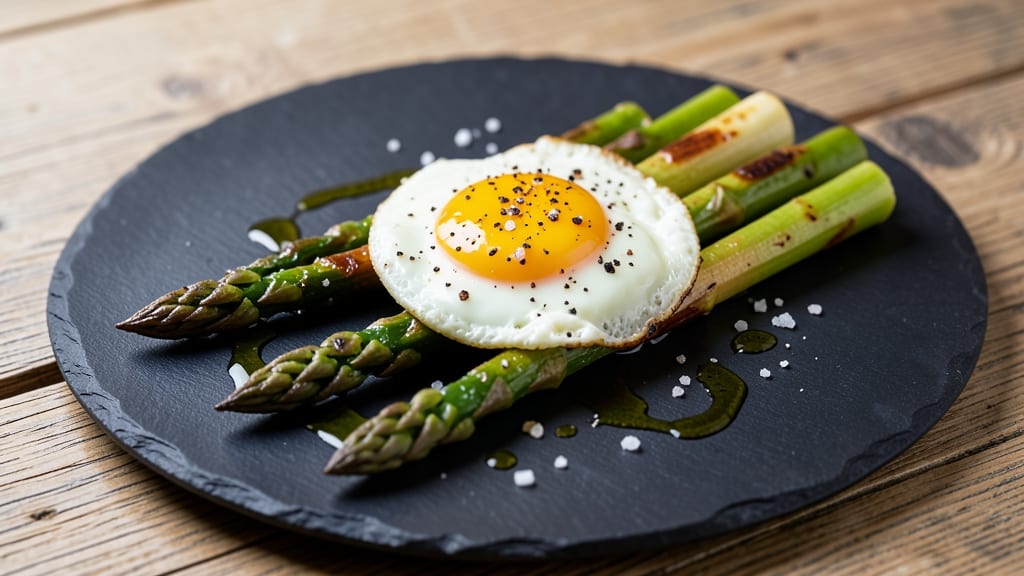
This asparagus and fried egg recipe transforms simple ingredients into a restaurant-worthy breakfast that's ready in just 15 minutes. The secret lies in roasting asparagus until tender-crisp while keeping eggs perfectly runny—no overcooked yolks here.
I developed this technique after years of trial and error, and it never fails to impress even skeptical brunch guests.
What makes this dish special is the balance of textures: crispy asparagus spears with charred edges meet velvety egg yolks that pool like liquid gold.
We start by roasting the asparagus at high heat to develop natural sweetness, then finish with a quick sear in the same pan for maximum flavor. The eggs get fried in the same pan, coating them in asparagus-infused butter that adds depth to every bite.
By the time you plate this dish, you'll have vibrant green asparagus with tender stems and crisp tips, topped with perfectly fried eggs featuring runny yolks that cut through the asparagus's earthy flavor.
The combination is so satisfying it feels like a complete meal—no need for toast or sides unless you want them. This is breakfast at its finest: elegant, balanced, and impossibly delicious.
The beauty of this recipe is its versatility. Serve it as a standalone brunch dish or pair with crusty bread for dipping in the runny yolks. For extra flair, sprinkle with flaky salt, cracked pepper, or fresh herbs. Let's get cooking—your taste buds will thank you.
Ingredients for asparagus and fried egg
Simple ingredients that pack restaurant-level flavor—crispy asparagus and runny yolks in 15 minutes.
| Ingredient | Amount | Notes |
|---|---|---|
| Asparagus 🌱 | 1 lb | Fresh, trimmed ends |
| Large Eggs 🥚 | 4 whole | Room temperature preferred |
| Unsalted Butter 🧈 | 4 tbsp | High-quality, cold for roasting |
| Flaky Sea Salt 🧂 | ½ tsp | For finishing |
| Freshly Ground Black Pepper 🌶️ | ¼ tsp | Cracked over eggs |
| Extra-Virgin Olive Oil 🫒 | 1 tbsp | For crisping asparagus |
| Fresh Lemon Juice 🍋 | 1 tbsp | Brightens flavors |
| Garlic Cloves 🧄 | 2 cloves | Minced, optional |
| Crusty Bread 🍞 | 4 slices | For serving (optional) |
| Fresh Chives 🌿 | 2 tbsp | Chopped, garnish |
The asparagus is the star, so grab the thickest spears you can find—they stay crispier longer. Trader Joe's or Whole Foods usually have the best selection, but any grocery store asparagus works if it's bright green and firm. Trim the woody ends by bending them—they'll snap naturally at the perfect spot. For extra flavor, I always add a pinch of salt and a drizzle of olive oil before roasting. The butter? European-style like Plugrá melts beautifully without burning.
No fresh chives? Dill or parsley work in a pinch, though chives have that perfect mild onion flavor. Short on butter? Olive oil or avocado oil gives similar crispiness, but butter's richness is worth it here. The eggs are non-negotiable—fresh eggs from the grocery store are fine, but if you can get them from a farm, even better. Room temperature eggs fry more evenly. For the garlic, I usually skip it if I'm in a rush, but those 2 minced cloves add a subtle depth that makes this dish feel extra special.
Asparagus keeps best in the fridge wrapped in a damp towel for 3-4 days. The eggs? Use within 2 weeks for best results. I always make extra butter—store it in a small jar in the fridge for up to 2 weeks. The dish reheats beautifully if you have leftovers, though the eggs are best fresh. For a quick cleanup, I toss used pans in the dishwasher immediately—the asparagus bits stick like glue if you wait!
Why You'll Love This Recipe
- Five-Ingredient Magic: I swear by this—just asparagus, eggs, butter, salt, and pepper. That’s it. No fancy prep, no hidden pantry items. The butter pools around the asparagus like liquid gold, and the eggs? Perfect every time.
- Crispy-Creamy Obsession: The secret’s in the runny yolk meeting the charred asparagus tips—salty, buttery, and just tender. Honestly, I’ve tried fancier combos, but this? It’s the kind of dish that makes you pause mid-bite and think, “Why didn’t I do this sooner?”
- Breakfast or Dinner: Make it for brunch with toast, or serve it over rice for a quick weeknight dinner. My college-age kid grabs it for late-night snacks, and my partner requests it after long shifts. It’s that good—and that adaptable.
- Zero-Waste Leftovers: Roast a big batch of asparagus on Sunday, then pair with fried eggs all week. The asparagus holds up surprisingly well, and the eggs? Fresh is best, but even day-old ones taste like a treat. Budget-friendly and effortless.
Step-by-step instructions for crispy asparagus and perfect fried eggs
Here's how to balance crispy asparagus with silky egg yolks—every bite delivers that magic contrast.
🔥 Step 1: Roast the Asparagus to Crispy Perfection
Preheat your oven to 425°F and line a baking sheet with parchment paper. Trim the tough ends from the 1 lb asparagus and lay the spears in a single layer on the prepared sheet. Drizzle evenly with 1 tablespoon extra-virgin olive oil and toss gently to coat.
Spread the asparagus out so they don't overlap—this ensures even crisping. Roast for 12-15 minutes until the edges are deep golden brown and the tips are slightly charred. You'll know it's perfect when you can hear them crackling in the pan. Remove from the oven and immediately sprinkle with ½ teaspoon flaky sea salt while still hot.
🍳 Step 2: Fry the Eggs to Runny Yolk Heaven
While the asparagus roasts, let the 4 whole large eggs come to room temperature if they're cold from the fridge. Heat 2 tablespoons unsalted butter in a nonstick skillet over medium-low heat until the butter melts and small bubbles form around the edges—this creates the perfect fat blanket for gentle cooking.
Crack each egg into a small bowl first (this prevents shell fragments in your eggs), then carefully slide them into the skillet. Cook for 3-4 minutes until the whites are set but the yolks remain completely liquid. The edges should be golden but the center still runny when you gently shake the pan. Remove eggs and set aside on a warm plate.
👨🍳 Step 3: Finish with Garlic and Lemon Brightness
Return the skillet to medium heat and melt the remaining 2 tablespoons unsalted butter. Add the 2 minced garlic cloves and cook for just 30 seconds until fragrant—don't let them brown or they'll turn bitter. Immediately pour in 1 tablespoon fresh lemon juice and stir to combine.
This quick finish infuses the butter with bright, zesty flavor that cuts through the richness of the eggs. If you're using the 4 slices crusty bread, lightly toast them in a separate pan until golden and crisp.
🥘 Step 4: Assemble and Garnish for Maximum Impact
Divide the crispy asparagus among plates, arranging 3-4 spears per serving. Place one fried egg on top of each portion, letting that golden yolk peek out temptingly. Spoon the garlic-lemon butter over everything, allowing it to drizzle down the sides.
Finish with ½ teaspoon freshly ground black pepper and ½ tablespoon chopped fresh chives per serving. The contrast of crispy asparagus, creamy eggs, and bright lemon butter makes every bite unforgettable. Serve immediately while everything is at its peak temperature and texture.
Pro Tips For Making Asparagus And Fried Egg
- Trim Asparagus Wrong Side: Snap off the tough ends by bending the stalks—don’t cut them. The break will be clean, and you’ll save time. I used to slice them, and half the asparagus would go to waste.
- Use Room-Temp Eggs: Cold eggs from the fridge won’t cook evenly, and the yolk can turn rubbery. Crack them into a bowl and let them sit for 10 minutes before frying—it makes all the difference in that perfect runny center.
- Salt the Butter First: Melt the butter in your pan, then sprinkle in a pinch of flaky sea salt before adding the asparagus. It dissolves better, and the salt infuses the butter instead of clumping on top when you add it later.
- Cook Eggs Low and Slow: Crank the heat high to get the butter sizzling, then immediately reduce to medium-low for the egg. Rushing it leads to overcooked edges and a sad, watery yolk. Patience here guarantees that rich, custardy finish.
Essential equipment for this dish
Must-Have Pan Essentials
For crispy asparagus and perfect fried eggs, your 10-inch cast iron skillet is non-negotiable. I swear by a Lodge cast iron—it retains heat beautifully and develops a natural nonstick surface over time.
If you don’t own one, a high-quality stainless steel skillet like All-Clad works too, but you’ll need to use a little more butter to prevent sticking. 🔥
For the roasting step, a half-sheet baking tray (about 13x18 inches) with parchment paper is ideal. I prefer Starfrit parchment paper because it’s sturdy and doesn’t tear when transferring hot asparagus. Avoid glass or ceramic baking sheets—they don’t distribute heat as evenly, leading to uneven crispiness.
Heat Control Tools
A kitchen thermometer is a game-changer for nailing the perfect egg yolk. I use a Thermoworks ThermoPop—it’s affordable and accurate. The ideal pan temperature for frying eggs is 275-300°F. If your stovetop lacks precise control, a butter temperature thermometer helps you monitor the fat without guessing.
For the oven, a digital thermometer like the Oven Thermometer by Taylor Precision Products ensures your 425°F setting is accurate. Ovens often run hot or cold, and this small investment prevents undercooked or burnt asparagus. Pro tip: Place it near the roasting rack where your tray will sit.
Egg Handling Gear
To avoid shell fragments in your eggs, invest in a small ceramic or glass egg separator (like the OXO Good Grips) or even a fine-mesh strainer. I also keep a small bowl dedicated to cracking eggs—it catches any stray shells before they hit the pan.
For plating, a slotted spoon helps transfer asparagus without breaking the eggs.
If you’re serving this dish to guests, a small serving spoon (about 1 tablespoon) makes it easy to drizzle the garlic-lemon butter evenly over each plate.
A microplane is handy for zesting lemon if you want to add extra brightness—just a ½ teaspoon of zest per serving elevates the dish.
Optional Upgrades
For a next-level finish, a garlic press makes mincing 2 cloves effortless. I also love using flaky Maldon salt for garnishing—its large crystals add texture and visual appeal.
If you’re a frequent cook, a butter warmer keeps your butter at the perfect melting temperature for frying, but a simple small saucepan works in a pinch.
For storage, a small glass jar with a tight-sealing lid keeps extra butter fresh in the fridge for up to 2 weeks. I also recommend a set of silicone spatulas—they’re heat-resistant and gentle on nonstick surfaces. Avoid metal utensils when cooking eggs to prevent scratching your pan.
Nutrition facts
Frequently asked questions
Can I use frozen asparagus instead of fresh?
Fresh asparagus gives the best texture and flavor, but frozen works in a pinch! Thaw overnight in the fridge first, then pat completely dry before roasting. Frozen asparagus tends to be more watery, so you may need to roast it 2-3 minutes longer at 425°F to achieve crispy edges. For extra flavor, toss with 1 tablespoon olive oil and a pinch of salt before roasting.
How do I keep the egg yolks perfectly runny?
The secret is low and slow heat and room-temperature eggs. Use medium-low heat and cook for exactly 3-4 minutes—the whites should be set but the yolks still jiggly. A kitchen thermometer helps: aim for 275-300°F in the pan. Crack eggs into a bowl first to avoid shell fragments, and use high-quality butter that melts smoothly.
Can I make this dish ahead of time?
Roast the asparagus up to 1 day ahead and store at room temperature in an airtight container. Reheat briefly in the oven at 350°F for 5 minutes to restore crispiness. Fry the eggs fresh—overcooked yolks are a no-go! For a make-ahead hack, prepare the garlic-lemon butter ahead and store it in the fridge, then warm gently before serving.
What if my asparagus turns out mushy?
Mushy asparagus usually means it was overcooked or crowded on the pan. Next time, spread spears in a single layer and roast at 425°F for exactly 12-15 minutes. For extra crispiness, finish under the broiler for 1-2 minutes at the end. Always trim the ends properly—leave ½ inch of the tough base to prevent overcooking the tender tips.
Are there vegetarian alternatives to butter?
For the roasting step, use olive oil or avocado oil—they work perfectly. For frying eggs, try vegetable shortening or coconut oil (use sparingly). Vegan butter like Miyoko's also works well for the garlic-lemon finish. Just note that plant-based fats may have slightly different textures, so adjust cooking times as needed.