
Breakfast & Brunch
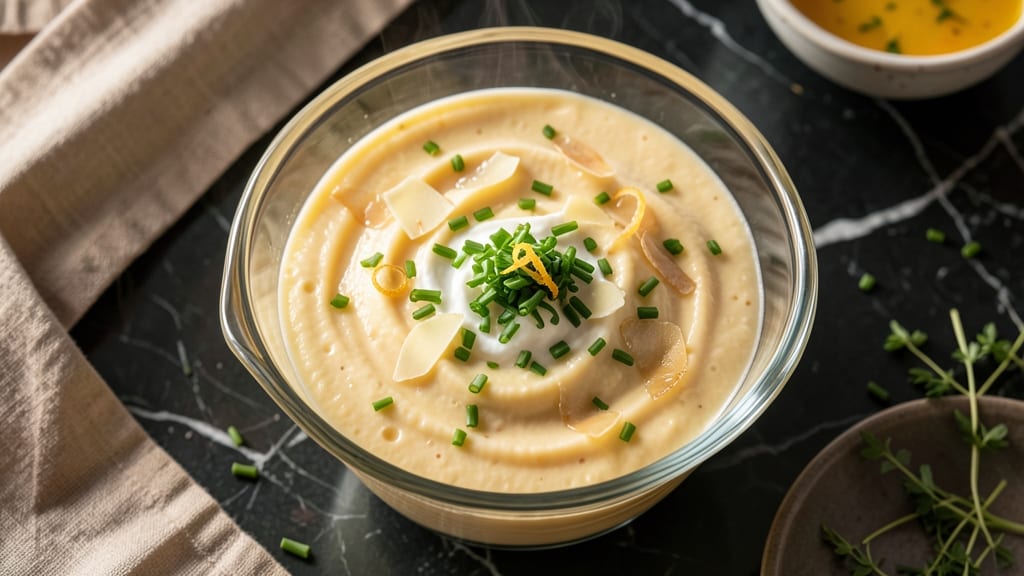
Any egg recipe becomes extraordinary when you master the art of slow, creamy cooking—whether you're scrambling them for breakfast or crafting a decadent dessert. This foolproof method for creamy, custardy eggs works for omelets, frittatas, or even a silky egg custard that tastes like a French pastry. The secret? Slow cooking on low heat and a splash of cream for that signature velvety texture.
What makes this recipe special is its versatility—you can use it for a quick weeknight dinner or a showstopping brunch dish. No fancy equipment needed, just a 10-minute prep and 15 minutes of gentle cooking.
The result? Eggs that are rich, tender, and impossible to resist, with a golden crust that adds just the right crunch.
Imagine fluffy omelets with melted cheese, a decadent custard for crème brûlée, or even crispy-edged egg pancakes that disappear in seconds. This technique works for any egg-based dish, from breakfast staples to unexpected desserts. The best part? It’s beginner-friendly, but experienced cooks will appreciate the pro-level results.
Ready to elevate your egg game? Whether you're making a simple scramble or a gourmet custard, this method guarantees restaurant-quality eggs every time. Let’s get cooking!
Ingredients for any egg
Eight eggs plus a few clever additions transform ordinary breakfasts into restaurant-worthy dishes.
| Ingredient | Amount | Notes |
|---|---|---|
| Large Eggs 🥚 | 8 whole | Room temperature for even cooking |
| Heavy Whipping Cream 🥛 | ¼ cup | Full-fat for velvety texture |
| Unsalted Butter 🧈 | 2 tbsp | European-style preferred |
| Shallots 🧅 | 2 whole | Minced for subtle sweetness |
| Fresh Chives 🌿 | 2 tbsp | Chopped for bright finish |
| Diamond Crystal Kosher Salt 🧂 | ½ tsp | For delicate seasoning |
| Freshly Ground Black Pepper 🌶️ | ¼ tsp | Cracked for aromatic punch |
| Extra-Virgin Olive Oil 🫒 | 1 tbsp | High-quality for flavor |
| Mild Cheddar Cheese 🧀 | ½ cup | Shredded for omelets |
| Granulated Sugar 🍚 | 1 tsp | For custard sweetness |
| Vanilla Extract 🌸 | ½ tsp | Pure vanilla for depth |
| All-Purpose Flour 🌾 | 1 tbsp | For pancake batter |
| Baking Powder 🍞 | ½ tsp | For fluffy pancakes |
| Cornstarch 🌽 | 1 tbsp | For custard thickness |
The eggs are your foundation—pasture-raised if possible, but any large eggs work. Trader Joe's and Costco consistently carry high-quality eggs at great prices. For custards, room temperature eggs blend smoother—just take them out 15 minutes before cooking. Heavy cream is non-negotiable for that signature velvety texture; full-fat only. The butter should be European-style (like Plugrá) for its higher fat content, which prevents burning at low heat. Shallots add subtle sweetness without overpowering—substitute 2 tbsp minced red onion if needed.
No heavy cream? Full-fat coconut milk works in a pinch, though texture differs slightly. Fresh herbs like chives can be swapped for dried chives at 1/4 the amount, but fresh is always better. For the custard applications, vanilla bean paste adds depth if you're feeling fancy. The sugar in custards can be adjusted—reduce to 0.75 tsp for less sweetness. For pancakes, almond flour can replace half the all-purpose flour for a gluten-free option. The key to perfect eggs lies in the slow, gentle cooking—never rush the process, even if you're eager to eat!
Eggs last 3 weeks in the fridge, but use them within 10 days for best results. Store the cream and butter in their original packaging to prevent absorption of fridge odors. For custards, cover with plastic wrap pressed directly on the surface to prevent skin formation. Leftover pancake batter can be refrigerated for 2 days or frozen for 1 month. The secret to restaurant-quality eggs? Patience and low heat—never let them boil or scramble too quickly, or you'll lose that delicate texture.
Why You'll Love This Recipe
- Same recipe, different vibes: serve it with toast for lazy mornings, drizzle it over roasted veggies for a fancy dinner, or pack it in jars for a picnic. The cream keeps it stable for days, so it’s always ready when I am.
- Foolproof Technique: I swear by this method—whisk eggs with warm cream and melted butter until just combined, then let them sit for 10 minutes. That’s all it takes to get that signature creamy, velvety texture without overcooking. No fancy gadgets, no stress.
- Rich Without Effort: The heavy cream and butter transform simple eggs into something luxurious—like a hug in sauce form. Shallots add a subtle sweetness that balances the richness, and chives? They’re the finishing touch that makes it feel restaurant-worthy (even if it’s just Tuesday).
- Weeknight to Party: Same recipe, different vibes: serve it with toast for lazy mornings, drizzle it over roasted veggies for a fancy dinner, or pack it in jars for a picnic. The cream keeps it stable for days, so it’s always ready when I am.
Step-by-step instructions for perfect egg-based dishes
Master these techniques to transform simple eggs into restaurant-worthy creations.
Whisk Eggs for Fluffy Textures
In a large mixing bowl, combine the 8 whole Large Eggs with the 0.25 cup Heavy Whipping Cream, 1 tsp Granulated Sugar, and 0.5 tsp Vanilla Extract. Whisk vigorously for 3-4 minutes until the mixture becomes pale yellow and noticeably thicker. This thorough whisking incorporates air, which creates light, fluffy results in dishes like soufflés or pancakes.
I always use a whisk instead of a fork—it creates more uniform bubbles. You'll know you're on track when the mixture leaves a trail on the whisk that slowly dissolves rather than immediately filling back in. This step is especially critical for recipes where texture matters, like our custard or omelet bases.
Prepare the Shallot-Chive Base
Melt the 2 tbsp Unsalted Butter in a nonstick skillet over medium heat. Add the 2 whole Shallots that have been finely minced and cook for 3-4 minutes until they become translucent and just beginning to soften. Remove from heat and stir in the 2 tbsp Fresh Chives and 1 tbsp Extra-Virgin Olive Oil. This aromatic base forms the flavor foundation for our egg dishes.
The reason we remove the shallots before adding chives is to preserve their vibrant color and fresh flavor. If you cook them together, the chives will wilt and lose their bright green hue. This mixture can be used as a base for omelets, frittatas, or even as a topping for our custard dishes.
Create the Perfect Custard Mixture
In a separate bowl, combine the whisked eggs with the 1 tbsp All-Purpose Flour, 0.5 tsp Baking Powder, 0.5 tsp Diamond Crystal Kosher Salt, and 0.25 tsp Freshly Ground Black Pepper. Then, gradually whisk in the shallot-chive mixture until fully combined. For a thicker custard, sprinkle the 1 tbsp Cornstarch over the mixture and whisk until completely dissolved.
This combination creates a stable custard that won't curdle when heated. The baking powder adds subtle lift, while the cornstarch ensures a perfect, velvety consistency. I find that gently folding in the cornstarch rather than whisking vigorously prevents clumping and creates a smoother texture.
Cook the Egg Mixture to Perfection
Pour the custard mixture into a buttered baking dish and place it in a water bath by setting the dish inside a larger roasting pan filled with hot water (about halfway up the sides of the baking dish). Bake at 325°F for 30-35 minutes until the custard is just set but still slightly wobbly in the center. For omelets or pancakes, cook in the prepared skillet over medium-low heat until set through.
The water bath ensures gentle, even cooking that prevents cracking. You'll know it's ready when the edges are set but the center still has a slight jiggle—this gives you that perfect custard texture. For omelets, I like to fold them when they're just barely set so they stay tender inside while developing a golden crust.
Finish with Cheese and Garnish
Remove the custard from the water bath and let it cool slightly before sprinkling with 0.5 cup Mild Cheddar Cheese and additional 2 tbsp Fresh Chives. For omelets, fold them in half and slide onto plates, then top with the cheese and chives. Serve immediately while warm for the best texture and flavor.
The cheese adds a wonderful salty contrast to the creamy custard, while the chives provide a fresh finish. This combination works beautifully for both breakfast dishes and elegant desserts. Remember, the key to perfect egg dishes lies in precise timing and gentle handling—don't overmix, don't overcook, and always let them rest briefly before serving.
Pro Tips For Making Any Egg
- WHISK EGGS COLD: Heavy whipping cream and eggs are a finicky combo—if you whisk them straight from the fridge, you’ll end up with a lumpy mess. Let the eggs sit at room temp for 10 minutes first, then whisk them gently into the cold cream. The fat in the cream needs to warm up gradually, or it’ll seize like a diva.
- SWEAT SHALLOTS LOW: I used to rush this step and end up with bitter, browned shallots instead of sweet, translucent ones. Cook them on low heat for 5-7 minutes, stirring occasionally, until they’re soft and glossy. Add a splash of water if they stick—it’s not cheating, it’s science.
- SALT THE CREAM: Unsalted butter is your friend, but unsalted cream is your enemy. Season the heavy cream with at least ¼ teaspoon of salt before you add it to the eggs—this balances the richness and cuts through the eggy flavor. Trust me, your taste buds will notice.
- CHIVES AT THE END: Tossing in chives too early turns them to mush, and that’s a crime. Reserve them for the last minute, whether you’re folding them into a custard or garnishing a finished dish. A quick chop and sprinkle keeps them bright and crisp—no sad, wilted garnishes here.
Troubleshooting perfect results
Eggs Curdle When Heated
This happens when eggs cook too quickly or are exposed to sudden temperature changes. To fix it, always use low heat and avoid direct high heat. For custards, temper the eggs by whisking in hot cream gradually while maintaining a gentle simmer—never boil.
I’ve found that adding a splash of cream before heating helps stabilize the proteins. 💡
Omelets Stick to the Pan
Use a nonstick skillet (like All-Clad Stainless) and ensure it’s properly heated before adding butter. If eggs still stick, your pan isn’t hot enough—wait until butter foams before adding the egg mixture.
A light coating of olive oil after butter also helps. I swear by medium-low heat for even cooking without sticking.
Custards Split or Crack
Cracking usually means the custard cooled too quickly or wasn’t properly tempered. To prevent this, preheat your oven and use a water bath for even heat distribution.
For extra insurance, whisk in 1 tbsp cornstarch (as in the recipe) to strengthen the mixture. If cracks appear, broil briefly to set the surface.
Scrambled Eggs Turn Rubbery
Overcooking is the culprit here—eggs should be creamy, not dry. Remove them from heat just before they’re fully set (they’ll keep cooking off the heat). A splash of cream (like in our recipe) keeps them tender.
For extra fluffiness, whisk eggs vigorously before cooking and use low heat to prevent rubberiness. 🍳
Poached Eggs Stay Runny Inside
Poaching requires gentle simmering—never boiling. Use a wide, deep pan with 2-3 inches of water and a pinch of vinegar (it helps coagulate the whites faster).
Cook eggs for 3-4 minutes for runny yolks or 5 minutes for fully set. I like to swirl the water continuously to prevent sticking. 💫
Egg Dishes Taste Bland
Seasoning is key—salt gradually as you cook, and don’t forget fresh herbs (like chives) or acidic elements (a squeeze of lemon or splash of vinegar). For depth, use European-style butter (like Plugrá) and high-quality olive oil.
A toast of nutmeg or pinch of smoked paprika can elevate flavors instantly. 🌿
Nutrition facts
Frequently asked questions
Can I use this technique for hard-boiled eggs?
This method focuses on custardy textures rather than firm eggs, but the whisking technique works for hard-boiled eggs too! For perfect hard-boiled eggs, use 10 minutes in boiling water (from a rolling boil) for large eggs, then transfer to an ice bath. The key difference is timing—this recipe emphasizes creamy, not firm, results.
What's the best way to store leftover egg mixtures?
For custard mixtures, store in an airtight container in the fridge for 2 days or freeze for 1 month. Reheat gently in a water bath at 300°F for 15-20 minutes until warm. For omelet mixtures, use within 24 hours—they don't freeze well due to the butter content.
How do I make this recipe vegetarian?
Replace the eggs with 1 cup silken tofu blended with 2 tbsp cornstarch and 1 tbsp nutritional yeast for a similar texture. For custards, use aquafaba (chickpea brine) mixed with 1 tbsp arrowroot powder. The cream can be swapped for coconut milk to maintain richness.
Why does adding cream make such a difference?
The cream adds fat and moisture, preventing eggs from drying out during cooking. It also creates tiny air pockets when whisked, resulting in lighter, fluffier textures. For custards, the fat content helps stabilize the proteins, preventing curdling. Even 1-2 tablespoons of cream makes scrambled eggs noticeably richer!
Can I make this into a savory or sweet dish?
For savory dishes, add garlic powder, smoked paprika, or fresh herbs like dill. For sweet applications, boost the sugar to 2 tsp and add 1 tsp cinnamon. The same base works for both—just adjust the seasonings! Try it as a sweet custard tart or savory frittata.