
Breakfast & Brunch
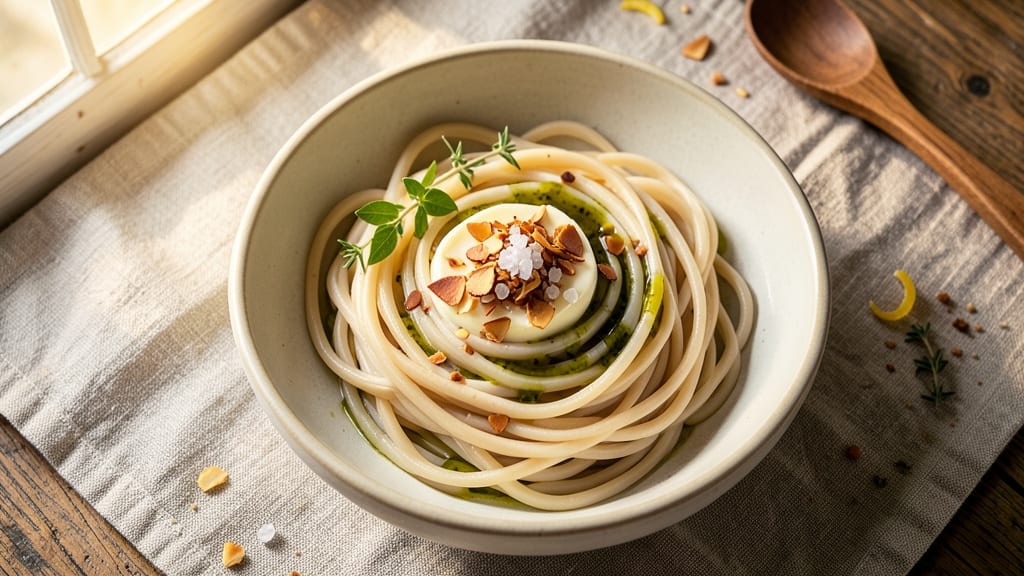
This almond flour egg noodles recipe transforms simple ingredients into silky, gluten-free strands that rival traditional pasta—proof that dietary restrictions don’t mean sacrificing texture or flavor. The secret lies in the perfect ratio of almond flour to eggs, creating noodles that hold their shape while absorbing sauces beautifully.
What makes these stand out is their rich, nutty depth and tender bite, achieved without a single grain of gluten.
Making these noodles from scratch is simpler than you’d expect, requiring just five key ingredients and 15 minutes of active prep time. The dough comes together in minutes, rests briefly for elasticity, and rolls out effortlessly—no fancy equipment needed.
Whether you’re gluten-sensitive or simply craving a lighter pasta, these noodles deliver restaurant-quality satisfaction with none of the heaviness.
Pair them with your favorite sauce—garlic butter, marinara, or even a creamy pesto—and watch them transform into a hearty breakfast or satisfying dinner. The almond flour adds a subtle nutty warmth that complements both rich and light flavors, while the egg base ensures they stay silky and cohesive when cooked.
This recipe proves gluten-free doesn’t mean giving up indulgence.
Best of all, the noodles keep well for 3 days in the fridge or can be frozen for up to a month, making them a versatile staple for quick meals. Ready to elevate your pasta game? Let’s get started with this foolproof method.
Ingredients for almond flour egg noodles
Five simple ingredients create restaurant-quality gluten-free noodles with nutty richness and silky texture.
| Ingredient | Amount | Notes |
|---|---|---|
| Almond Flour 🌰 | 2 cups | Finely ground, blanched preferred |
| Large Eggs 🥚 | 4 whole | Room temperature for even mixing |
| Extra-Virgin Olive Oil 🫒 | 2 tbsp | Light, fruity variety preferred |
| Diamond Crystal Kosher Salt 🧂 | ½ tsp | Fine grain for even distribution |
| Water 💧 | 2 tbsp | Room temperature for smooth dough |
| Unsalted Butter 🧈 | 2 tbsp | Cold, cubed for easier mixing |
| Fresh Lemon Juice 🍋 | 1 tsp | Brightens flavor and tenderizes |
Almond flour is the foundation—Bob's Red Mill or Anthony's Goods brands deliver the finest grind for optimal texture. Look for blanched almond flour, which has a milder taste and better binding properties. Freshly ground flour works best, but pre-ground almond flour from reputable brands will suffice. The eggs must be large for proper structure, and room temperature ensures even incorporation. If you're concerned about salmonella, pasteurized eggs work perfectly. For the olive oil, California-based brands like Corto offer excellent fruity profiles that complement the almond flavor without overpowering it.
No almond flour? Hazelnut flour works at a 1:1 ratio, though the flavor will shift slightly toward nutty sweetness. Substituting other nut flours like cashew or walnut requires adjusting the water content—start with 1 tbsp less per cup of flour. Egg allergies? Flax eggs (3 tbsp ground flaxseed + 9 tbsp water per egg) maintain binding, though texture will be slightly denser. The butter can be omitted entirely for a lighter version, but it adds incredible richness. If you prefer dairy-free, vegan butter or coconut oil work well, though texture may vary slightly. Lemon juice can be swapped for apple cider vinegar at half the amount for a tangy alternative.
The dough keeps best in an airtight container in the fridge for up to 3 days, though it's best used within 24 hours for optimal texture. For longer storage, wrap tightly in plastic wrap and freeze for up to 1 month. Thaw in the fridge overnight before rolling. Freshly made noodles should cook in 2-3 minutes—any longer and they'll become rubbery. The almond flour absorbs moisture quickly, so avoid overcooking. Store cooked noodles in an airtight container with a splash of olive oil to prevent drying.
Why You'll Love This Recipe
- Four-Ingredient Magic: I swear, this is the kind of recipe that makes me feel like a genius—just eggs, almond flour, olive oil, and water. No measuring cups to lose, no weird ratios to stress over. Honestly, the dough comes together faster than I can boil water.
- Nutty, Rich Bite: That first taste? It’s like almond butter and fresh pasta had a baby—slightly nutty, tender, and with just enough chew to feel satisfying. The olive oil keeps it from drying out, so every bite stays luscious.
- Meal Prep MVP: I make a double batch on Sundays and freeze half. Thaw in cold water, toss with a quick sauce, and dinner’s ready. (Yes, even on a Tuesday night when you’re exhausted.)
- Budget-Friendly Luxury: Almond flour’s pricier than all-purpose, but a little goes a long way here. Plus, these noodles feel fancy enough for guests but cost less than takeout. Between us, my wallet and taste buds both win.
Step-by-step instructions for almond flour egg noodles
This method delivers tender, silky noodles with a perfect al dente bite—no gluten, no compromise.
Mix Dry Ingredients for Even Texture
In a large mixing bowl, combine the 2 cups almond flour with the 0.5 tsp Diamond Crystal kosher salt. Sift the mixture through a fine-mesh sieve directly into the bowl to eliminate any lumps and aerate the flour. This step ensures your noodles will have a smooth, uniform texture rather than dense pockets.
Use a whisk to gently fold the flour and salt together, breaking up any remaining clumps. The goal is to create a fine, powdery base that will blend seamlessly with the wet ingredients. Set this mixture aside while you prepare the remaining components—keeping everything at room temperature is key for a silky final product.
Combine Wet Ingredients for Perfect Dough
In a separate bowl, whisk together the 4 whole large eggs with the 2 tbsp extra-virgin olive oil and 1 tsp fresh lemon juice until fully combined and slightly frothy. The lemon juice brightens the flavor while tenderizing the almond flour, creating a more pliable dough. Add the 2 tbsp water and mix again until smooth.
Incorporate the 2 tbsp cold, cubed unsalted butter into the wet mixture, stirring until just melted and evenly distributed. The cold butter cubes create pockets of richness that will keep the noodles tender during cooking. If the mixture feels too thick, add an additional 1 tsp water—just enough to make it workable but not soupy.
Form the Dough and Rest for Elasticity
Gradually pour the wet ingredients into the dry mixture while stirring with a spatula. Mix until a shaggy dough forms, then press it together with your hands. If the dough feels too dry, add 1 tsp water at a time until it comes together smoothly. Wrap the dough tightly in plastic wrap and refrigerate for at least 30 minutes—this resting period allows the gluten-free flour to hydrate fully and prevents cracking during rolling.
After resting, the dough should be pliable but still hold its shape when pressed. If it feels too sticky, chill for an additional 10 minutes. This step is critical for achieving noodles that hold together during cooking without falling apart.
Roll and Cut for Uniform Noodles
Preheat your oven to 350°F and line a baking sheet with parchment paper. On a lightly floured surface, roll the chilled dough into a ⅛-inch thick sheet using a pasta roller or rolling pin. If the dough sticks, dust the surface with a tiny bit of almond flour—just enough to help, not enough to absorb moisture.
Use a sharp knife or pasta cutter to slice the sheet into ¼-inch wide strips. Immediately transfer the noodles to the prepared baking sheet, spacing them ½ inch apart to prevent sticking. Bake for 8-10 minutes until the edges are just beginning to turn golden—this step ensures the noodles firm up slightly for better texture when cooked.
Cook to Perfect Al Dente
Bring a large pot of salted water to a rolling boil. Add the baked noodles and cook for 2-3 minutes, stirring gently to prevent sticking. The noodles should float to the surface when ready—this indicates they’ve absorbed enough water to soften without becoming mushy. Drain immediately and toss with a pat of butter or a drizzle of olive oil to prevent sticking.
Serve the noodles immediately with your favorite sauce or a simple lemon butter finish. The high heat of the boiling water transforms the baked noodles into tender, silky strands with a delicate bite. For best results, cook them fresh—these noodles don’t reheat well due to their delicate texture.
Pro Tips For Making Almond Flour Egg Noodles
- STIR THE FLOUR FIRST: Mix almond flour and salt in a bowl before adding eggs—this keeps the salt evenly distributed and prevents clumpy dough. I learned this the hard way when my first batch had salt pockets that made the noodles taste uneven.
- USE ROOM-TEMP EGG: Cold eggs from the fridge won’t blend smoothly and can make the dough rubbery. Let them sit out for 10 minutes first—your noodles will be lighter and easier to roll.
- DON’T OVERWORK THE DOUGH: Once you add water, mix just until combined—overmixing makes the dough tough. Think "just enough to hold," not "perfectly smooth."
- REST THE DOUGH 15 MINUTES: Skip this, and your noodles will tear when cutting. Cover the dough and let it relax—it’s the difference between fragile strands and sturdy noodles that hold up to sauce.
Make-ahead tips for almond flour egg noodles
Dough Prep Ahead
Make the dough up to 24 hours in advance for maximum flavor development. After mixing, wrap tightly in plastic wrap and refrigerate. The resting time allows the almond flour to fully hydrate, creating a more pliable dough that rolls out beautifully.
I find the dough actually improves overnight—it becomes easier to handle and less crumbly. 💫
Baked Noodles Storage
After baking the noodles (Step 4), store them in an airtight container with parchment paper between layers to prevent sticking. They'll keep in the fridge for 3 days—just bake again at 350°F for 5-7 minutes before cooking to refresh their texture.
For longer storage, freeze the baked noodles on a tray first, then transfer to a ziplock bag for up to 1 month.
Freezer-Friendly Prep
Save time by pre-rolling and cutting the dough before baking. Wrap the rolled sheets tightly in plastic wrap, then place between parchment-lined baking sheets. Freeze for 1 hour until solid, then transfer to a ziplock bag.
When ready to cook, bake straight from frozen at 375°F for 12-15 minutes before boiling. This shortcut cuts 20 minutes off your morning routine! ⏰
Sauce Prep Tips
Prepare your sauce the night before to streamline assembly. A simple garlic butter sauce (melt 2 tbsp butter with 1 minced garlic clove and 1 tbsp lemon juice) keeps well in the fridge.
For extra convenience, make a double batch and freeze half in ice cube trays—just thaw and reheat when needed. The almond noodles pair perfectly with creamy or light sauces that won't weigh them down.
Reheating Tricks
These noodles don't reheat like traditional pasta, but with the right method, you can salvage leftovers. Toss cooked noodles with 1 tsp olive oil and reheat in a skillet over medium heat for 1-2 minutes, stirring constantly.
Add 1 tbsp water if they seem dry. For microwave reheating, cover with a damp paper towel and heat in 20-second bursts—this prevents rubberiness. Serve immediately for best texture. 🔥
Batch Cooking Strategy
Double the recipe and freeze half the dough for future meals. Divide the mixed dough into two portions, wrap each tightly, and freeze one. When ready to use, thaw in the fridge overnight.
This strategy ensures you always have fresh-tasting noodles ready—perfect for busy weeknights. I keep a stash in my freezer for spontaneous pasta nights without extra prep work. 💡
Nutrition facts
Frequently asked questions
Why do I need to rest the almond flour dough?
Resting the dough for 30 minutes allows the almond flour to fully hydrate and develop elasticity, preventing cracks when rolling. This step mimics gluten's natural binding properties, ensuring your noodles hold together beautifully during cooking. Skipping it often results in crumbly or uneven texture.
Can I make these noodles without a pasta roller?
Roll the dough between two sheets of parchment paper using a rolling pin until it reaches ⅛-inch thickness. For extra precision, use a wine bottle or even a wooden spoon to press down firmly. The key is even thickness—this ensures consistent cooking time and texture.
What's the best way to store cooked almond flour noodles?
Store them in an airtight container with a thin layer of olive oil to prevent drying. They'll keep in the fridge for 3 days—just reheat in a skillet with a splash of water for 1-2 minutes over medium heat. For longer storage, freeze baked (not cooked) noodles for up to 1 month.
Why are my noodles turning out crumbly?
Crumbly noodles usually mean the dough was too dry or didn't rest long enough. Add 1 tsp water at a time if needed, and always chill the dough for 30 minutes before rolling. Also ensure your almond flour is finely ground—coarse flour can create a gritty texture. The butter should be cold when mixing too.
What's the ideal sauce pairing for these noodles?
Light, flavorful sauces work best to complement the nutty almond flavor. Try garlic butter sauce (melted butter + minced garlic + lemon juice), creamy pesto, or a bright tomato sauce. Avoid heavy cream-based sauces—they can make the noodles soggy. The delicate texture absorbs flavors beautifully!