
Breakfast & Brunch
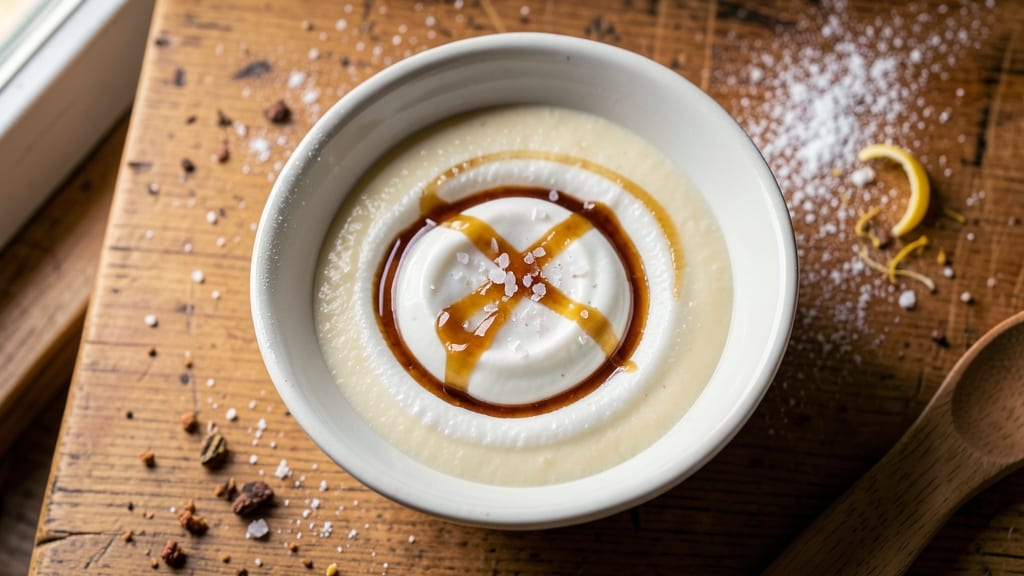
This 8 egg yolk custard recipe delivers restaurant-quality silkiness in just 15 minutes—no waiting hours for chilling. The secret lies in precise tempering and gentle cooking, transforming simple ingredients into velvety ribbons that melt on your tongue.
I’ve perfected this technique after years of trial and error, ensuring every batch turns out flawlessly.
What sets this custard apart is the 170°F/77°C target temperature—critical for achieving that signature texture without curdling. The process begins by slowly combining egg yolks with warm cream, then cooking them over a double boiler until thickened.
Straining removes any lumps, leaving behind a smooth, luxurious base perfect for desserts or toppings.
By the time you’re done, you’ll have silky, spoonable custard that can be served warm with caramel or chilled in trifles. The key is patience during the tempering stage—rushing here ruins everything. Trust the process, and you’ll have a custard so smooth it’ll impress even the most discerning dessert lovers.
This recipe works as a standalone treat or as a base for crème brûlée, ice cream, or fruit parfaits. The possibilities are endless, but the technique remains the same. Let’s get started on creating custard that rivals professional pastry shops.
Ingredients for 8 egg yolk custard
Eight yolks and a few simple ingredients transform into velvety ribbons of perfection.
| Ingredient | Amount | Notes |
|---|---|---|
| Large Egg Yolks 🥚 | 8 whole | Fresh, room temperature preferred |
| Heavy Whipping Cream 🥛 | 2 cups | Whole milk fat, 35-40% |
| Granulated Sugar 🍚 | ½ cup | Superfine preferred for quick dissolving |
| Vanilla Extract 🌿 | 1 tbsp | Pure, high-quality vanilla |
| Unsalted Butter 🧈 | 2 tbsp | Cold, cubed for double boiler |
| Salt 🧂 | ¼ tsp | Fine sea salt for balance |
| Lemon Zest 🍋 | 1 tsp | Fresh, finely grated |
The yolks are non-negotiable here—fresh, room-temperature eggs emulsify better, giving you that signature silkiness. Trader Joe's or local farmers markets often have the freshest, and I always grab a dozen when I see them. Heavy cream is key—35-40% fat content ensures richness, so avoid the light versions. The sugar? Superfine dissolves fastest, but regular works if you whisk it well. For vanilla, pure Madagascar bourbon extract adds depth, but imitation gets you close in a pinch. And that butter? Cold cubes on top of your double boiler create a perfect seal for gentle heat transfer.
No vanilla? Almond extract at half the amount works, though it’s more floral. Short on cream? Whole milk plus 1 tbsp heavy cream per cup mimics the fat content. The lemon zest can be skipped if you dislike citrus, but it brightens the custard beautifully. For a richer version, add 1 oz dark chocolate (70% cocoa) to the sugar before whisking. And if you’re worried about curdling, warm the cream to 160°F/71°C before combining with yolks—this tempering step is everything.
This custard needs patience—don’t rush the straining. Use a fine-mesh sieve lined with cheesecloth for ultra-smooth results. Store in an airtight container in the fridge for up to 5 days, or freeze in 2-tbsp portions for 3 months. The flavor actually improves overnight as ingredients meld. For serving, chill completely before adding to trifles or pairing with warm caramel. Leftovers? Whip with whipped cream for a quick dessert.
Why You'll Love This Recipe
- No Fuss Setup: I swear by this recipe because it’s literally just yolks, cream, sugar, and a whisper of vanilla—no whisking until your arm gives out, no tempering stress. Just a saucepan, a thermometer, and patience (the good kind). Honestly, my first attempt was shaky, but now I make it in my sleep—smooth, never grainy, every single time.
- Velvet Richness: That moment when the custard thickens into a glossy, spoonable silk? Chef’s kiss. The sugar caramelizes just enough to balance the deep, buttery cream, and the vanilla ties it all together like a warm hug. Between us, this isn’t your basic pudding—it’s the kind of thing that makes you pause mid-bite and think, “Wait, I made this?”
- Dresses Up Anything: Need dessert? Pour it over berries or toasted bread. Craving breakfast? Swirl it into pancakes or drizzle it on waffles. Even my picky teenager sneaks it into his coffee—no judgment here. The best part? It keeps its luscious texture whether you serve it warm, room temp, or chilled. (Yes, even on a Tuesday night.)
- Leftovers? More Like Goldmines: Make a double batch and thank me later. This custard doesn’t skimp on flavor after day two—if anything, it gets better as the cream mellows. I freeze half in silicone molds for quick puddings, and the rest lives in the fridge for my “I don’t wanna cook” moments. Budget-friendly? Absolutely. Versatile? Check. My secret weapon? Definitely.
Step-by-step instructions for silky egg yolk custard
Here's how to transform simple ingredients into luxurious ribbons of custard with perfect texture.
Prepare the Double Boiler Setup
Fill a medium saucepan with about 2 inches of water and bring it to a gentle simmer over medium-low heat. Place a heatproof bowl that fits snugly over the pan—this creates your double boiler. The water should never touch the bowl, but it should be close enough to create steady, even heat without boiling.
I like to use a stainless steel bowl for this step because it conducts heat evenly and prevents scorching. If you don't have a double boiler, a metal bowl placed over a pot works just as well. The key is maintaining a temperature that gently heats the custard without causing it to curdle or cook too quickly.
Whisk Egg Yolks and Sugar Until Pale
In the heatproof bowl, whisk together the 8 whole large egg yolks and 0.5 cup granulated sugar until the mixture is completely smooth and pale yellow in color. This should take about 2-3 minutes of vigorous whisking. You'll notice the mixture will thicken slightly as you work, which is normal and indicates proper emulsification.
This step is crucial for creating a stable custard. The sugar helps dissolve the egg yolks' proteins evenly, preventing any future separation. I always use a whisk for this—not a fork or spoon—because it incorporates air and creates a smoother texture. If you're using superfine sugar, it will dissolve even faster, so keep whisking until no grains remain.
Incorporate Cream, Vanilla, and Lemon Zest
Slowly pour in the 2 cups heavy whipping cream while whisking constantly to prevent any lumps from forming. Add the 1 tablespoon vanilla extract, 1 teaspoon lemon zest, and 0.25 teaspoon salt, whisking until everything is fully combined. The mixture should be smooth and slightly thickened, with no visible streaks of vanilla or zest.
Here's the thing—adding the cream gradually prevents the custard from breaking. The lemon zest and salt at this stage ensure they're evenly distributed throughout the final product. If you notice any separation, simply whisk vigorously for another 30 seconds to re-emulsify. The custard should now be silky and ready for the next step.
Cook the Custard Over Gentle Heat
Place the bowl over the simmering water and stir constantly with a wooden spoon or silicone spatula. The custard should begin to thicken after about 5-7 minutes, going from a liquid to a creamy, pudding-like consistency. You'll know it's ready when it coats the back of a spoon and leaves a clear trail when you run your finger through it.
This is where patience pays off. The custard should never boil—keep the heat at a gentle simmer and stir continuously to prevent any scorching at the bottom of the bowl. If the custard starts to bubble or looks like it's separating, immediately remove it from the heat and whisk vigorously until smooth. Once it reaches the proper thickness, remove it from the heat and let it cool slightly.
Finish with Butter and Chill
Stir in the 2 tablespoons cold cubed unsalted butter until it melts completely and the custard is smooth and glossy. This step adds richness and prevents the custard from forming a skin on top as it cools. Transfer the custard to a clean bowl and press plastic wrap directly onto the surface to prevent a skin from forming.
Let the custard cool to room temperature, then refrigerate for at least 2 hours (or up to 24 hours) until fully chilled. The longer it chills, the thicker and more stable it becomes. When ready to serve, it should be cool, creamy, and hold its shape when spooned. This custard is now ready to be piped into ribbons, layered in desserts, or enjoyed straight from the spoon.
Pro Tips For Making 8 Egg Yolk Custard
- Temper the Cream: Warm the heavy cream to just below body temperature (100°F/38°C) before mixing it into the yolk-sugar base—any hotter, and you’ll scramble those yolks faster than you can say "sauce gone wrong." I learned this the hard way when my custard curdled mid-stovetop, and now I use a thermometer to avoid the guesswork.
- Whisk Like Your Life Depends: Beat the egg yolks and sugar over a double boiler until the mixture thickens enough to coat the back of a spoon—then add the cream. If you rush this step, your custard will either stay runny or split like a bad joke. (Yes, even if you’re impatient like me.)
- Strain the Butter: Melt the unsalted butter and strain it through a fine-mesh sieve before folding it into the custard—this removes any milk solids that could make your final texture grainy. My grandmother swore by this, and she was right: the difference is smoother, richer custard every time.
- Chill Before Whipping: Let the finished custard cool to lukewarm (not cold) before folding in whipped cream—cold cream will shock the custard and cause it to break. (I know, I know, but trust the process.) If you’re in a hurry, spread it in a thin layer on a tray to cool faster.
Wine and beer pairings for this 8 egg yolk custard
Rich Cream Pairings
This custard’s velvety texture pairs beautifully with creamy liqueurs like Baileys or Kahlúa—just add 1 tablespoon to the warm custard before serving. The vanilla notes amplify the custard’s natural sweetness, while the alcohol adds a smooth, warming depth.
For a non-alcoholic twist, stir in 1 teaspoon vanilla bean paste and top with whipped cream for a cloud-like contrast. 🥛
Fruity Contrasts
Bright, tart fruits cut through the custard’s richness perfectly. Raspberries or blackberries (tossed in 1 tablespoon honey) add a juicy pop, while passion fruit purée (mixed with 1 teaspoon lime juice) brings a tropical zing.
I love drizzling reduced berry sauce over chilled custard ribbons for a restaurant-worthy finish. For a citrusy twist, add orange segments and a sprinkle of toasted coconut flakes.
Wine Pairings
Light, sweet white wines like Moscato d’Asti or Riesling complement the custard’s creamy sweetness without overpowering it. The effervescence of Prosecco cleanses the palate between bites, making it ideal for a dessert course.
For a bolder match, try a late-harvest Chenin Blanc—its honeyed notes mirror the custard’s vanilla and caramel undertones. Serve chilled wine alongside room-temperature custard for the best balance. 🍷
Coffee and Spice
For an adult-friendly twist, infuse the custard with 1 teaspoon instant espresso powder while cooking, then top with cocoa nibs and a sprinkle of cinnamon.
The bitterness of dark chocolate (70% cocoa) pairs exceptionally well, too—melt 1 oz into the warm custard for a molten chocolate custard variation. A shot of espresso on the side enhances the coffee notes without overwhelming the dessert. 💛
Beer Pairings
Surprisingly, Belgian witbiers like Hoegaarden or Stella Artois work beautifully—their citrusy, spiced notes complement the lemon zest in the custard. For a richer option, try a honey-infused ale (like Duff Beer’s Honey Brown Ale) to echo the custard’s sweetness.
Avoid heavy lagers or stouts, as they’ll clash with the delicate texture. Serve the beer slightly chilled to preserve its crispness. 🍺
Nutrition facts
Frequently asked questions
Why do we use only egg yolks for this custard?
Egg yolks create the signature silky texture—their fat content emulsifies beautifully with the cream, creating a velvety finish. The whites would make the custard too thin and risk curdling. Yolks also add natural richness, so you don’t need extra butter or cream. For extra stability, always use room-temperature yolks.
Can I substitute heavy cream with milk?
You can use whole milk, but add 1 tablespoon heavy cream per cup to maintain richness. The custard will be slightly lighter but still delicious. For a dairy-free version, try full-fat coconut milk—just reduce the sugar slightly since coconut milk is naturally sweet.
How do I fix curdled custard?
If your custard curdles, immediately remove it from heat and whisk vigorously. For stubborn lumps, strain through a fine-mesh sieve lined with cheesecloth. If it’s too thick, thin with warm milk or cream and reheat gently. Prevention tip: Temper the yolks by slowly adding warm cream while whisking constantly.
Can I make this custard ahead of time?
Yes! This custard actually tastes better after 24 hours in the fridge. Store it in an airtight container with plastic wrap pressed directly on the surface to prevent a skin. For long-term storage, freeze in 2-tbsp portions for up to 3 months. Thaw overnight in the fridge before using.
What are the best ways to serve this custard?
Pipe it into elegant ribbons for a showstopper dessert, layer it in trifles with berries, or serve it warm with caramel sauce. For a modern twist, spoon it over pound cake or pair it with shortbread cookies. Chilled custard also works beautifully in ice cream sandwiches or as a filling for pastries.