
Desserts
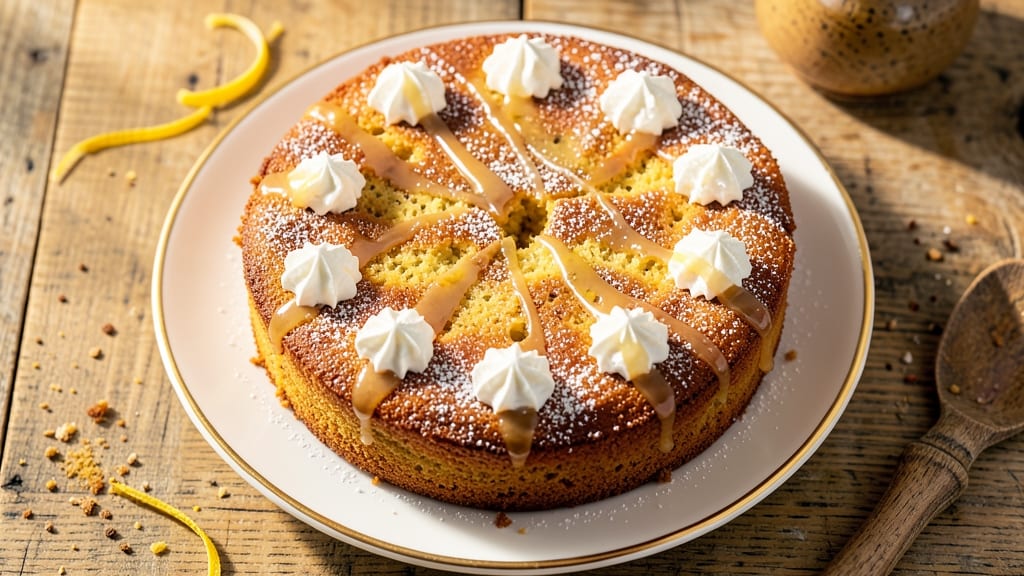
This 12-egg-yolk pound cake delivers the ultra-moist, tender crumb and rich buttery flavor that makes traditional pound cakes legendary. The secret lies in those golden yolks—each one contributes to that signature velvety texture while preventing dryness, a common issue in classic recipes.
I’ve perfected this version to stay perfectly moist for days, with a delicate vanilla aroma that fills your kitchen the moment it comes out of the oven.
The recipe builds on classic pound cake fundamentals—high-fat content from butter and a precise balance of flour and sugar—but the 12 egg yolks are the game-changer. They create a fine, even crumb while adding richness without overpowering the cake’s natural sweetness.
Unlike lighter cakes, this one holds its shape beautifully while maintaining that melt-in-your-mouth tenderness. The result? A cake that’s as impressive sliced for dessert as it is whole for a centerpiece.
What sets this apart is the foolproof technique for achieving a crack-free top and even rise. The yolks are tempered before mixing, and the batter is folded just enough to maintain air pockets without overworking the structure.
This ensures a cake that’s light enough to slice neatly but sturdy enough to hold glaze or frosting like a pro. Whether you serve it plain with fresh berries or topped with a simple vanilla glaze, every bite delivers that classic pound cake experience—just richer and more decadent.
Perfect for special occasions or when you want to impress without fuss, this recipe scales beautifully for gatherings or keeps well for leftovers. The key is patience—letting the cake cool gradually before slicing preserves that perfect texture.
Ready to bake a cake that’s as reliable as it is delicious? Here’s how to make it.
Ingredients for 12 egg yolk pound cake
Twelve golden yolks, rich butter, and vanilla's delicate whisper—this is your ultra-moist pound cake dream team.
| Ingredient | Amount | Notes |
|---|---|---|
| Large Egg Yolks 🥚 | 12 whole | Room temperature, tempered before mixing |
| Unsalted Butter 🧈 | 1 ½ cups | Cold, cubed, high-fat for richness |
| Granulated Sugar 🍚 | 2 ½ cups | Superfine preferred for smooth texture |
| All-Purpose Flour 🌾 | 3 cups | Sifted, no substitutions |
| Pure Vanilla Extract 🌸 | 2 tbsp | Bourbon or Madagascar preferred |
| Baking Powder 🧂 | 1 ½ tsp | Aluminum-free for best rise |
| Salt 🧂 | ½ tsp | Fine sea salt preferred |
| Whole Milk 🥛 | ½ cup | Room temperature for smooth batter |
| Large Egg Whites 🥚 | 4 whole | Room temperature, beaten to stiff peaks |
| Vanilla Bean Seeds 🌸 | 1 whole | Scraped from 1 vanilla bean |
| Almond Extract 🌿 | ½ tsp | Optional, for subtle depth |
The yolks are non-negotiable here. Pasture-raised eggs from Trader Joe's or local farms give the best flavor, but any large eggs work if they're fresh. Separate whites carefully—no trace of yolk in the whites or your cake won't rise. The butter? Plugrá or Land O'Lakes are my go-tos, but any unsalted sticks will do. For the sugar, Domino Superfine dissolves beautifully, but regular granulated works if you pulse it in a food processor. The vanilla extract? Bourbon or Madagascar adds complexity, but imitation will get you by in a pinch. Sift that flour—twice if you're feeling fancy—it makes all the difference in that silky crumb.
No vanilla bean? Double the extract and add a pinch of cinnamon for depth. Out of baking powder? Whisk 1.5 tsp cream of tartar + 1.5 tsp cornstarch as a substitute. The egg whites can be tricky—if they're humid, add a pinch of cream of tartar to stabilize them. For a nutty twist, swap 0.5 cup flour for almond flour. The milk can be any kind, but whole gives the best moisture. And if you're feeling ambitious, infuse the milk with vanilla bean while warming it—game changer for flavor. The almond extract is optional but worth it if you love that subtle marzipan note.
This cake keeps beautifully—5 days at room temp wrapped in foil, or 1 week in the fridge. For longer storage, slice and freeze portions for up to 3 months. The key to serving is patience: let it cool completely before slicing, or those layers will fall apart. I always make a double batch—one for immediate serving, one to slice and freeze for lazy weeknights. The vanilla aroma intensifies as it sits, so if you can wait, the flavor only gets better. And trust me, the leftovers? Even more delicious the next day.
Why You'll Love This Recipe
- No Mixer Needed: I swear by this—just cream butter and sugar by hand until light and fluffy. The yolks blend in like butter (literally), and the vanilla ties everything together with zero fuss. My arms might ache, but the result? Worth every stroke.
- Rich Without Overpowering: That 12-yolk secret? Deep, buttery flavor without tasting like a dessert. The sugar caramelizes just enough to give it a subtle depth, and the flour keeps it tender—not dense or cakey. Honestly, it’s the kind of cake that makes you pause mid-slice to admire how good it is.
- Leftovers That Last: This cake doesn’t dry out in three days. I’ve wrapped slices in parchment and stashed them for a week—still moist, still perfect for breakfast or a snack. Between us, I’ve even reheated a cold slice in the toaster and pretended it was intentional. (It wasn’t.)
- Budget-Friendly Luxury: Butter and eggs are the stars here, but they stretch further than you’d think. A single batch feeds six with seconds, and the flour/sugar ratio means no wasted ingredients. My go-to for when I want to feel fancy without breaking the bank—especially when I’m craving something special but don’t want to bake a whole sheet cake.
Step-by-step instructions for ultra-moist vanilla pound cake
Here's how to achieve that legendary golden yolk surprise with a tender crumb every time.
Temper the Egg Yolks for Maximum Moisture
Place the 12 whole large egg yolks in a heatproof bowl set over a pot of barely simmering water. Whisk gently as they warm to 100°F—they should feel warm but not hot to the touch. This tempering process prevents scrambling when you add the cold butter later. Remove from heat and let cool slightly to room temperature before proceeding.
I like to divide the yolks into two batches for easier mixing. This step is crucial for that ultra-moist texture—untempered yolks can cook unevenly and create a dense cake. The yolks should be just warm enough to blend smoothly with the butter without curdling.
Cream Butter and Sugar to Light and Fluffy
In a stand mixer fitted with the paddle attachment, beat the 1.5 cups unsalted butter and 2.5 cups granulated sugar on medium speed for 5-7 minutes. You're looking for a pale, fluffy mixture that nearly doubles in volume and leaves clean streaks on the bowl. This creaming process incorporates air, which creates that signature tender crumb.
Here's the thing—don't rush this step. The butter should be completely smooth with no graininess. If your mixer struggles, switch to a hand mixer and work in batches. The sugar should dissolve completely, leaving no gritty texture in the final cake.
Add Vanilla and Dry Ingredients Alternately
Add the 2 tablespoons pure vanilla extract, scraped vanilla bean seeds, and 0.5 teaspoon almond extract to the butter-sugar mixture. Mix on low speed until combined. With the mixer running on low, add 1 cup of the all-purpose flour in three additions, alternating with 1/3 cup of the whole milk each time. This prevents gluten development and creates an even texture.
After the first addition of flour and milk, scrape down the sides of the bowl to ensure everything is evenly incorporated. Repeat this process until all the flour and milk are used. The batter should be thick but pourable. If it looks too stiff, add the remaining 1/3 cup milk to reach the perfect consistency.
Fold in Egg Whites for Structure and Height
In a separate bowl, beat the 4 whole large egg whites to stiff peaks using a stand mixer. This means the peaks should hold their shape when the beaters are lifted. Gently fold one-third of the egg whites into the yolk mixture to lighten it, then fold in the remaining egg whites in two additions, being careful not to deflate them.
This is where the magic happens—the egg whites provide structure while maintaining that ultra-moist texture. Fold just until combined, using a spatula to cut through the center and lift from the bottom. Overmixing now will create a tough cake, so be gentle. The batter should be smooth with no visible streaks of egg white.
Bake to Golden Perfection with Yolk Surprise
Pour the batter into two 9-inch round cake pans lined with parchment paper and lightly greased. Divide the batter evenly between the pans. Bake in a preheated 325°F oven for 50-60 minutes, or until a toothpick inserted in the center comes out clean. The cakes should spring back gently when pressed in the center.
For that golden yolk surprise, I like to bake them just until the tops are set but still slightly underdone in the center. The residual heat will finish cooking the yolks while keeping them rich and custardy. Let the cakes cool in the pans for 10 minutes, then transfer to a wire rack to cool completely before serving.
Pro Tips For Making 12 Egg Yolk Pound Cake
- Whisk yolks until pale: Stop when the mixture looks like wet paint—not when your arm gives out. I used to over-whisk and end up with a cake that was dense and rubbery. Twelve yolks need serious work, but 3-5 minutes max on medium-high speed is enough to emulsify properly without overworking.
- Cream butter and sugar slow: Use a stand mixer, not your wrist. Butter and sugar need to turn from grainy to ribbon-like, not just fluffy. I learned this the hard way—rushing it leaves air bubbles that collapse during baking, giving you a flat, sad cake. Take your time; the butter should be just warm to the touch, not melted.
- Sift flour twice: Yes, even if it looks fine. The first sift removes lumps, but the second ensures no hidden grit ruins your texture. I was skeptical until I tried it—I now keep a fine-mesh sieve in my mixer’s bowl for this exact reason. No excuses.
- Bake at 325°F, not higher: This isn’t a race. A pound cake with 12 yolks needs steady, even heat to rise properly. I’ve seen people crank it to 350°F and end up with a cake that browns too fast on the outside while staying dense inside. Use an oven thermometer—your appliance might lie.
Flavor customization for these flavors
Citrus Zest Twist
Brighten the classic vanilla profile by adding 1 teaspoon lemon or orange zest to the butter-sugar mixture. The citrus cuts through the richness while adding a refreshing note that pairs beautifully with the egg yolks.
I like to use organic Meyer lemon zest for its natural sweetness, but regular lemon zest works too. Add it along with the vanilla extract—just be sure to remove any bitter white pith.
This variation is perfect for spring or summer gatherings when you want a lighter but still decadent cake. 🌸
Spiced Chai Infusion
For a cozy fall or winter variation, infuse the milk with 1 cinnamon stick, 2 whole cloves, and ¼ teaspoon cardamom while warming it. Let it steep for 10 minutes before straining and using in the recipe.
The warm spices complement the vanilla and egg yolks beautifully, creating a cake with subtle depth. You can also add ½ teaspoon ground ginger to the dry ingredients for extra warmth. This version tastes like a hug in cake form.
Chocolate-Dipped Layers
For a showstopper dessert, divide the batter between two pans and bake as directed. Once cooled, slice each cake horizontally into ½-inch thick layers. Spread ½ cup melted dark chocolate (I use 70% Valrhona) between the layers, then dust with powdered sugar before serving.
The chocolate adds a luxurious contrast to the vanilla cake while keeping the yolk-rich texture intact. This is ideal for special occasions when you want to impress without extra effort.
Almond-Filled Surprise
Create a marzipan-like center by folding ½ cup finely ground almonds into the batter after adding the egg whites. For extra decadence, mix ¼ cup almond paste with 1 tablespoon apricot jam and spread it between two layers of cake.
The nutty flavor pairs perfectly with the vanilla and egg yolks, creating a sophisticated yet approachable dessert. This variation works beautifully with a simple powdered sugar glaze or fresh berries on top.
Boozy Vanilla Bean
Elevate the flavor with 2 tablespoons bourbon or rum added to the vanilla extract. The alcohol enhances the vanilla's aroma while adding a subtle warmth that complements the egg yolks. For an extra indulgent touch, infuse the butter with 1 teaspoon vanilla bean seeds while creaming it with the sugar.
This version is perfect for holiday desserts or when you want to add a touch of sophistication to your pound cake. 🍷
Caramel Swirl Surprise
Prepare a simple caramel sauce by melting ½ cup brown sugar with 2 tablespoons butter and 2 tablespoons heavy cream in a saucepan. Once cooled, swirl it into the batter before baking. The caramel pockets create pockets of gooey sweetness throughout the cake, balancing the richness of the egg yolks.
This variation is a crowd-pleaser and works especially well with a salted caramel drizzle on top for added drama.
Nutrition facts
Frequently asked questions
Why does this recipe use 12 egg yolks instead of whole eggs?
The yolks create that signature ultra-moist, velvety texture while adding rich flavor without making the cake dense. Using just yolks lets you control the moisture level precisely—too many whole eggs can make pound cake dry. The recipe balances this with egg whites for structure, creating the perfect tender crumb.
Can I make this cake in a single 9x13-inch pan instead of two rounds?
Yes, but reduce the baking time to 45-50 minutes at 325°F. The cake will be slightly thicker, so check for doneness with a toothpick. For even baking, tent loosely with foil after 30 minutes to prevent over-browning. The texture will be the same, just in a different shape!
How do I prevent cracks on top of the cake?
Cracks happen when the cake bakes too fast. For perfect results:
- Preheat oven thoroughly,
- Bake at 325°F (not higher),
- Place pans on the middle rack, and
- Avoid opening the oven door. If cracks appear, they're purely cosmetic—the cake will still be delicious!
Can I substitute butter with oil for a lighter version?
Not recommended—this cake relies on butter's fat content for that classic rich flavor and moisture. If you must, use 1 cup melted coconut oil (cooled slightly) but expect a denser texture. The yolk richness will still shine, but the traditional pound cake experience changes. Stick with butter for best results!
How should I store leftovers to keep them moist?
Wrap tightly in plastic wrap or aluminum foil and store at room temperature for 3-4 days. For longer storage, slice and freeze portions for up to 3 months. The key is to keep air out—moisture evaporates quickly when exposed. Reheat slices in a 300°F oven for 5 minutes before serving.