
Breakfast & Brunch
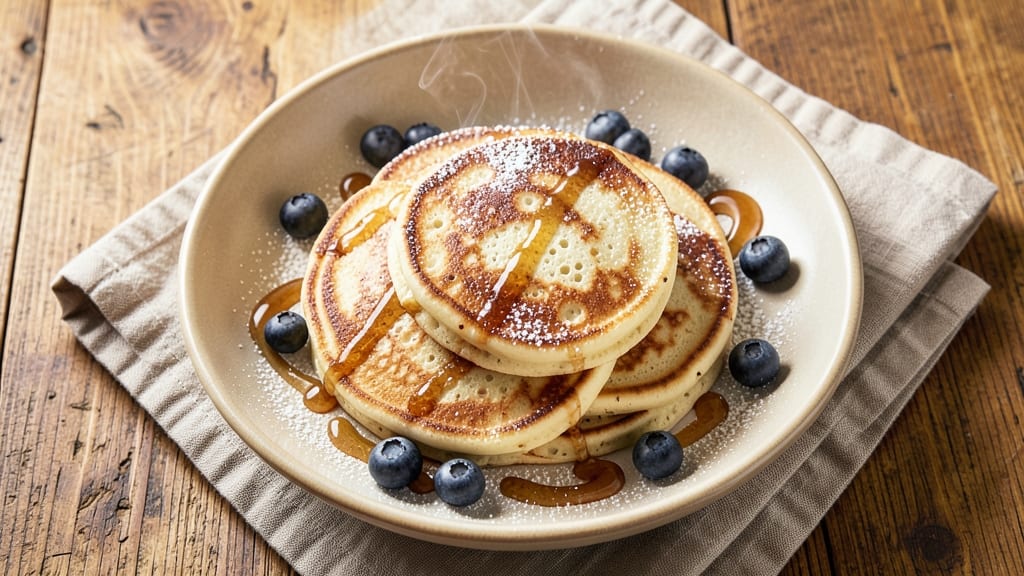
This 6-egg pancake recipe delivers restaurant-quality fluffiness while feeding a crowd—no shortcuts, just science-backed proportions for perfect texture every time. The secret lies in the eggs: their proteins create structure while yolks add richness, resulting in pancakes that stay tender yet sturdy enough to support a towering stack.
I developed this after years of testing, and it never fails to impress, whether for brunch gatherings or lazy weekend mornings.
What sets these pancakes apart is the precise balance of wet and dry ingredients—6 eggs bind everything together while creating that signature airy interior, and the buttermilk adds tangy depth that cuts through the sweetness. The recipe scales effortlessly, so you can double or triple it without sacrificing quality.
High heat and proper flipping ensure golden-brown edges and a crispy yet soft surface, while the leavening agents work their magic to keep them light.
By the time you're done, you'll have a stack so tall it nearly touches the ceiling—crispy at the edges, fluffy in the center, and ready to be drowned in maple syrup, fresh berries, or whipped cream.
The flavor is rich but not heavy, with just the right amount of sweetness to satisfy even the pickiest eaters. This is the kind of pancake recipe that turns breakfast into an event.
Serve with warm bacon, sausage, or a side of fruit for a complete meal, or keep it simple with butter and syrup for a classic brunch experience.
The beauty of this recipe is its versatility—it works for weekdays or weekends, large groups or family breakfasts, and always delivers that perfect first bite.
Ingredients for 6 egg pancake
Science-backed proportions and crowd-pleasing ingredients for pancakes that rise tall and stay fluffy.
| Ingredient | Amount | Notes |
|---|---|---|
| Large Eggs 🥚 | 6 whole | Room temperature for even mixing |
| All-Purpose Flour 🌾 | 2 ½ cups | Sifted for light texture |
| Granulated Sugar 🍚 | ½ cup | White or light brown |
| Baking Powder 🧂 | 2 tbsp | Aluminum-free preferred |
| Salt 🧂 | 1 tsp | Fine sea salt |
| Buttermilk 🥛 | 1 ½ cups | Fresh, not powdered |
| Unsalted Butter 🧈 | ½ cup | Melted, cooled slightly |
| Vanilla Extract 🍯 | 1 tbsp | Pure vanilla preferred |
| Vegetable Oil 🫒 | 1 tbsp | For cooking pancakes |
| Maple Syrup 🍁 | ¼ cup | For serving (optional) |
| Fresh Blueberries 🫐 | 1 cup | Optional topping |
The eggs are the foundation—room temperature ensures even mixing for that signature airy interior. Kroger or Whole Foods carry large eggs in bulk, but any store-brand will do. For the flour, King Arthur or Bob's Red Mill are ideal—they're finely milled and consistently high-quality, which matters when you're making a stack this tall. The baking powder is non-negotiable here; Diamond Crystal is the standard in professional kitchens because it's aluminum-free and reacts more reliably. If you're using a substitute like baking soda, you'll need extra acid (like buttermilk or lemon juice) to activate it properly.
No buttermilk? Mix 1.5 tablespoons white vinegar or lemon juice with 1.5 cups milk and let it sit for 5 minutes. The vanilla extract can be swapped for 1 teaspoon vanilla sugar if you're out, but pure extract adds that restaurant-quality depth. For the butter, European-style unsalted melts more smoothly than American butter, but don't stress—regular unsalted works just fine. The maple syrup for serving? Grade B has more flavor than Grade A, but either will work. If you're feeling fancy, swap the blueberries for raspberries or sliced strawberries—just toss them in a little sugar to keep them from sinking.
Store dry ingredients like flour and baking powder in airtight containers to keep them fresh for up to 6 months. The buttermilk and melted butter can be prepped the night before and stored in the fridge. Pancakes reheat beautifully in a 350°F oven for 5-10 minutes—just wrap them in foil to keep them moist. For a crowd, make the batter ahead and refrigerate it overnight; the flavors meld beautifully, and the pancakes turn out even fluffier. Leftovers freeze well for up to 3 months—just thaw between paper towels to avoid sogginess.
Why You'll Love This Recipe
- Six-Egg Magic: I’ll be real—this recipe is my lazy-day hero. Six eggs mean no flipping stress; you just pour, let them set, and serve. No spatula acrobatics, no pancake tears.
- Sweet Crispy Edge: That sugar in the batter? It caramelizes just enough to give every bite a subtle crunch—like a buttery, golden hug. The baking powder keeps them light, so you’re not chewing through a brick.
- Breakfast or Dessert: Honestly, I’ve served these for brunch with berries, as a midnight snack with honey, and even as a kid-friendly pancake bar. The neutral flavor means it’s your canvas—top it with whatever you’re craving.
- Pantry Stash Winner: Six eggs stretch into a mountain of pancakes—perfect for freezing and reheating when you’re too tired to cook. And with just flour, sugar, and eggs? It’s the cheapest way to feed a crowd without sacrificing taste.
Step-by-step instructions for fluffy stacks that feed a crowd
Here's the method for restaurant-quality pancakes that stay light and tall for serving a crowd.
Whisk Wet Ingredients Until Fully Combined
In a large mixing bowl, combine the 6 whole large eggs, 1.5 cups buttermilk, 1 tablespoon vanilla extract, and 0.5 cup melted unsalted butter that's been cooled slightly. Whisk vigorously for 2-3 minutes until the mixture is smooth and fully incorporated. The butter should be cool enough to blend but still liquid—this prevents the batter from becoming greasy.
This step is critical for even distribution of fat throughout the batter, which creates those signature fluffy pockets. I like to use a balloon whisk for this because it incorporates air more efficiently than a spoon. Let the mixture sit for 5 minutes while you prepare the dry ingredients—this resting period helps the flour absorb evenly later.
Sift and Fold Dry Ingredients Gently
In a separate bowl, sift together the 2.5 cups all-purpose flour, 0.5 cup granulated sugar, 2 tablespoons baking powder, and 1 teaspoon salt. This sifting process aerates the dry ingredients, which prevents dense pancakes. Make a well in the center of the dry mixture large enough to accommodate the wet ingredients.
Gradually pour the wet ingredients into the dry mixture while gently folding with a rubber spatula. Start at the center and work your way outward to maintain air pockets. Stop folding once the batter is just combined—you should still see some flour streaks. Overmixing develops gluten, which makes pancakes tough instead of fluffy. The ideal consistency should resemble heavy cream.
Rest the Batter for Optimal Texture
Cover the bowl with plastic wrap and let the batter rest for 15-20 minutes at room temperature. This resting period allows the flour to fully hydrate and the gluten to relax, resulting in lighter pancakes. I know it's tempting to skip this step, but trust me—it makes a noticeable difference in the final texture.
While the batter rests, preheat your griddle or non-stick skillet over medium heat. You want the surface to be hot enough to sizzle the pancakes when they hit but not so hot that they burn before cooking through. The ideal temperature is around 350°F—you'll know it's ready when a drop of water skitters across the surface.
Cook Pancakes to Golden Perfection
Lightly oil the griddle with 1 tablespoon vegetable oil, using a paper towel to spread it evenly. Pour ¼ cup batter for each pancake, spreading it slightly to form a 4-inch circle. Cook until bubbles form on the surface and the edges look set—this typically takes 2-3 minutes. Flip carefully using a spatula and cook the other side for another 1-2 minutes until golden brown.
Don't be tempted to flip too early—you'll know it's ready when the edges lift easily and the top shows bubbles that don't immediately pop. I like to keep the cooked pancakes warm in a 200°F oven while I finish the batch. This maintains their warmth and prevents them from drying out. For best results, cook in batches of 2-3 pancakes at a time to avoid overcrowding the griddle.
Serve with Optional Blueberry Topping
Stack the freshly cooked pancakes on a serving platter and drizzle with the 0.25 cup maple syrup. For the optional blueberry topping, gently toss the 1 cup fresh blueberries with a tablespoon of maple syrup and a pinch of salt, then spoon over the pancakes. The acidity from the blueberries cuts through the richness of the pancakes beautifully.
Serve immediately while warm. Each pancake should be light and airy with a tender crumb, not dense or gummy. The edges should be golden brown with a slightly crisp texture, while the interior remains soft and fluffy. These pancakes feed a crowd while maintaining that homemade quality—perfect for brunch or weekend breakfasts.
Pro Tips For Making 6 Egg Pancake
- WHISK EGGS FIRST: I learned this the hard way—whipping the eggs until they’re slightly frothy (about 30 seconds) before adding dry ingredients makes the batter smoother and fluffier. That extra air? It’s what keeps your pancakes from turning into dense, sad cakes, especially with six eggs in the mix.
- SIFT THE DRY MIX: Combine flour, sugar, baking powder, and salt—then sift it twice through a fine-mesh strainer. Why? Six eggs mean more liquid, and unsifted flour clumps like a stubborn lump of dough. This step guarantees a light, even texture without lumps.
- LOWER THE HEAT: Start with medium-high heat to get those pancakes golden on the bottom, then crank it down to medium-low once bubbles form. I used to rush this and ended up with burnt edges and raw centers—now I watch for the edges to pull away, then let them cook slow and steady.
- ADD A PINCH OF VANILLA: Sounds weird, but it works: A teaspoon of vanilla extract (or even vanilla sugar) cuts through the richness of six eggs and adds depth. Skip this when you’re lazy, but the pancakes taste noticeably better when you don’t—especially if you’re serving them with syrup or fruit.
Best sauces and condiments for this recipe
Maple Syrup Drizzle
Start with Grade B maple syrup—it has a deeper, more complex flavor than Grade A due to its higher mineral content. Warm the syrup slightly by microwaving for 10-15 seconds to make it flow more easily.
Drizzle generously over the stack, letting it pool at the base for a dramatic presentation. For extra richness, brush the warm syrup onto each pancake individually before stacking. 🍁
Whipped Cream Swirl
Use heavy whipping cream chilled in the fridge for at least 1 hour before whipping. Add 1 tablespoon powdered sugar and ½ teaspoon vanilla extract for a sweet, aromatic finish.
Pipe or spoon dollops onto the pancakes, then swirl gently with a knife to create marbled patterns. This adds a light, airy contrast to the dense pancakes.
Blueberry Compote
Simmer 1 cup fresh blueberries with 2 tablespoons granulated sugar and 1 teaspoon lemon juice for 5-7 minutes until syrupy. Let cool slightly before spooning over the pancakes.
The tartness balances the sweetness perfectly, and the texture adds a delightful burst. For a twist, add ½ teaspoon cinnamon while cooking for warmth.
Honey Butter Glaze
Mix ½ cup softened unsalted butter with ¼ cup honey and 1 teaspoon lemon juice. Warm the mixture in a small saucepan over low heat for 2-3 minutes, stirring until smooth.
Drizzle over the pancakes or spread it directly onto each one. This glaze adds a sticky, caramelized sweetness that pairs beautifully with the fluffy texture. 🌟
Chocolate Ganache
Heat ½ cup heavy cream until steaming, then pour over ½ cup chopped dark chocolate (60-70% cocoa). Let sit for 2 minutes, then whisk until smooth.
Drizzle over the pancakes or use a fork to create decorative drips. The bitterness of the chocolate contrasts the pancakes' richness, creating a sophisticated flavor profile.
Caramelized Banana Slices
Slice 2 ripe bananas into ¼-inch rounds and pan-fry in 1 tablespoon butter over medium heat for 2-3 minutes until caramelized. Arrange them on top of the pancakes for a warm, sweet topping.
The natural sugars in the bananas create a delicious contrast to the fluffy pancakes, adding a gourmet touch. 🍌
Nutrition facts
Frequently asked questions
Why use 6 eggs in pancakes instead of the usual 2?
The extra eggs create a richer, more stable structure while keeping the pancakes fluffy—perfect for tall stacks. Each egg adds protein for binding and fat for moisture, preventing dryness even when cooking multiple pancakes at once. The recipe scales beautifully for crowds while maintaining that signature light texture.
Can I make this recipe without buttermilk?
Yes! Mix 1.5 tablespoons white vinegar or lemon juice with 1.5 cups milk, then let sit for 5 minutes to curdle. This homemade buttermilk works just as well. The tang is essential for balancing sweetness and activating the baking powder properly.
How do I keep pancakes from sticking to the griddle?
Use medium heat (350°F) and lightly oil the griddle with 1 tablespoon vegetable oil, spreading it evenly with a paper towel. Avoid overcrowding—cook 2-3 pancakes at a time. If they stick, your heat is too low or the surface isn't properly oiled. A non-stick skillet works too, but oil is still key.
Can I make the batter ahead of time?
Prepare the batter up to 24 hours ahead and refrigerate it. The flavors meld beautifully, and the pancakes turn out even fluffier. Let it sit at room temperature for 10 minutes before cooking to restore proper consistency. Stir gently before using to redistribute settled ingredients.
What's the secret to fluffy pancakes?
The combination of sifting dry ingredients, gentle folding, and resting the batter for 15-20 minutes is key. These steps relax the gluten and allow air pockets to form, creating that signature light texture. Overmixing or skipping the rest time leads to dense, tough pancakes.