
Breakfast & Brunch
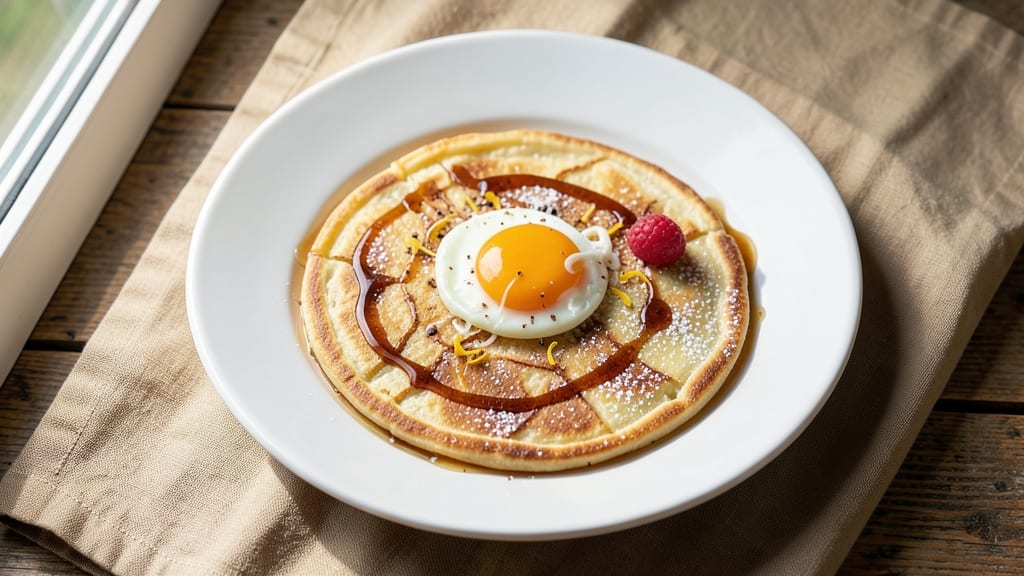
This single egg pancake recipe delivers restaurant-style fluffiness using just one egg—no waste, no fuss, and no need for a full carton. The secret lies in precise ratios and a gentle cooking technique that transforms a single egg into a stack of golden, tender pancakes in under five minutes.
I developed this after realizing how often I'd end up with leftover eggs and wanted a way to use them efficiently without sacrificing texture.
The magic happens with a simple batter that balances just enough flour, baking powder, and milk to create light, airy pancakes. Unlike traditional recipes that rely on multiple eggs for structure, this version uses the egg's natural leavening properties while adding a touch of baking powder for extra lift.
The result? Pancakes with a delicate, cloud-like interior and a crispy, golden exterior—perfect for breakfast or brunch.
What makes this recipe truly special is its versatility. It’s vegetarian, easy to customize with add-ins like chocolate chips or blueberries, and can even be adapted for gluten-free or vegan diets with simple swaps.
The batter comes together in minutes, and the pancakes cook in just a few moments per side, making it ideal for quick mornings or lazy weekends.
Once you master this technique, you’ll never need a full egg carton again. Serve with maple syrup, fresh fruit, or a dollop of whipped cream for a satisfying meal that feels indulgent without the guilt. Let’s get started—your first perfect single-egg pancake is just minutes away.
Ingredients for single egg pancake
One egg, nine ingredients—transforming leftovers into golden clouds in minutes.
| Ingredient | Amount | Notes |
|---|---|---|
| Large Eggs 🥚 | 1 whole | Room temperature preferred |
| All-Purpose Flour 🌾 | ½ cup | Sifted for light texture |
| Baking Powder 🍞 | 1 tsp | Freshly opened for lift |
| Granulated Sugar 🍬 | 1 tbsp | Or maple syrup for variation |
| Salt 🧂 | ¼ tsp | Fine sea salt preferred |
| Whole Milk 🥛 | ½ cup | Room temperature works best |
| Unsalted Butter 🧈 | 1 tbsp | Melted for cooking |
| Vanilla Extract 🌸 | ½ tsp | Pure vanilla preferred |
| Maple Syrup 🍁 | 2 tbsp | For serving (optional) |
The egg is the star here, so grab the freshest you can find—carton date matters. Whole Foods or Trader Joe's have the best quality, but any store's eggs work if they're cold. The flour should be all-purpose, not self-rising—that baking powder is doing the work. For the milk, room temperature makes mixing easier. I always keep a small carton in the fridge just for pancakes so it's ready to go. The baking powder? Check the expiration date—old powder loses its lift.
No vanilla? Almond extract at half the amount works in a pinch. Short on milk? Almond or oat milk works, but add an extra splash since plant milks are thinner. The butter can be swapped for coconut oil if you're dairy-free, but trust me on the full-fat version—it makes those pancakes crispy. For sugar, honey or agave works 1:1. The maple syrup is just for serving, but if you're feeling fancy, add a pinch of cinnamon to the batter. No baking powder? Baking soda plus lemon juice works, but timing is key—mix it right before cooking.
The batter keeps for 2 days in the fridge—just whisk before using. For longer storage, freeze in ice cube trays, then transfer to a bag. Thaw overnight in the fridge. The pancakes reheat best in a toaster or oven at 300°F for 5 minutes. I make a double batch on Sundays so I always have breakfast ready—just pop one in the toaster while you're getting dressed. Leftovers? Freeze between parchment paper for up to 3 months.
Why You'll Love This Recipe
- No-Fuss Ingredients: I swear by this recipe because it’s the kind of thing you can make with what’s already in your pantry. No weird substitutions—just flour, sugar, and an egg. That’s it. Honestly, I’ve made these when I forgot to buy milk and they still turned out fluffy.
- Golden Crisp Edge: The secret’s in the sugar and baking powder combo—it gives you that perfect crispy rim while keeping the inside tender. I’ll be real: my first batch was a little flat, but once I cracked the heat just right, it became my new favorite.
- Breakfast or Snack: These pancakes work at any time of day. Serve them warm with syrup for breakfast or pack them cold for a lunchbox treat. My kids actually beg for them in their school lunches (yes, even on a Tuesday).
- Budget Breakfast: A single egg stretches further than you’d think, and the flour and sugar are cheap staples. I make a batch on Sundays and freeze them—no waste, no extra cost. It’s my go-to when I’m trying to save money but still want something delicious.
Step-by-step instructions for single egg pancakes
Here's how to whip up fluffy, golden pancakes with just one egg—no measuring cups needed.
Whisk Wet Ingredients Until Smooth
In a medium bowl, crack the 1 whole Large Eggs and add the 0.5 cup Whole Milk, 0.5 tsp Vanilla Extract, and 1 tbsp Granulated Sugar. Whisk vigorously for 30 seconds until the mixture is completely combined and slightly frothy. Room temperature ingredients mix better, so if your milk or egg feels chilly, let them sit at room temperature for 5 minutes first.
This step is crucial—don't skip the whisking. The air you incorporate now creates those light, airy pockets that make the pancakes fluffy. If you see any streaks of egg white, keep whisking until it disappears. The mixture should look like a pale, smooth batter with no lumps.
Combine Dry Ingredients and Form Batter
In a separate bowl, sift together the 0.5 cup All-Purpose Flour and 1 tsp Baking Powder. Sprinkle in the 0.25 tsp Salt and gently mix with a fork. This keeps the baking powder from clumping and ensures even distribution for consistent rise.
Pour the dry ingredients into the wet mixture and gently fold together with a spatula, just until combined. You'll see some flour streaks remain—that's okay! Overmixing develops gluten, which makes pancakes tough. Stop folding when the batter looks thick but still slightly shaggy. The consistency should be like heavy cream.
Heat the Pan and Cook the First Pancake
Melt the 1 tbsp Unsalted Butter in a nonstick skillet over medium-low heat. You want the butter to foam and bubble gently—this is your signal the pan is ready. If the butter starts to brown too quickly, reduce the heat slightly. The first pancake is your test—get it right, and the rest will follow.
Pour about ¼ cup of batter into the pan. Immediately notice how it sizzles and bubbles—this tells you the heat is perfect. Let it cook undisturbed for 1-2 minutes until the edges look set and bubbles form on the surface. This is when you'll see those classic pancake bubbles popping at the edges.
Flip and Cook to Golden Perfection
When the top is bubbly and the edges look firm, gently flip the pancake with a spatula. Cook for another 30-60 seconds until the underside is golden brown. The pancake should feel springy when you press the center lightly—it should bounce back instead of leaving an imprint.
Transfer to a plate and keep warm in a 200°F oven while you cook the remaining pancakes. Repeat with the rest of the batter, adding a little more butter to the pan between each pancake if needed. The secret to perfect pancakes is patience—don't rush the cooking time, or they'll turn out dense instead of fluffy.
Serve Warm with Maple Syrup
Stack your freshly made pancakes and drizzle with 2 tbsp Maple Syrup while they're still warm. The syrup will soak into the pancakes slightly, making them even more tender. Serve immediately—they're best enjoyed right out of the pan when they're soft and warm.
Each pancake should have a golden-brown exterior with a light, airy interior. If they're not fluffy enough, try whisking the wet ingredients for an extra 10 seconds next time. These pancakes prove you don't need a complicated recipe to make something extraordinary—just a little technique and attention to detail.
Pro Tips For Making Single Egg Pancake
- WHISK THE EGG FIRST: Crack the egg into a separate bowl, beat it vigorously with a fork until the whites and yolks are fully blended—no streaks. I learned this the hard way: uneven mixing means uneven texture, and you’ll end up with dense lumps in your pancakes. Once smooth, pour it into the dry ingredients and stir just until combined. Overmixing develops gluten, and your pancakes will turn out tough instead of tender.
- MEASURE DRY INGREDIENTS RIGHT: Use the spoon-and-level method for flour and baking powder—don’t scoop directly from the bag. Packing flour compresses it, and you’ll end up with pancakes that spread like wildfire or turn out dense. A standard 1 cup measure should hold about 120 grams of all-purpose flour when leveled off. Baking powder is non-negotiable here: if it’s old, your pancakes will taste flat and fall apart.
- LOW AND SLOW FOR GOLDEN BROWN: Start with medium-low heat—high heat burns the outside before the inside cooks, and you’ll end up with a crispy shell hiding raw batter. Watch the first pancake closely: when bubbles form on the surface and the edges look set to lift, flip once. I used to rush it, and the pancakes would either stick like glue or cook unevenly. A cast-iron skillet stays hot longer, so adjust if yours is preheated too aggressively.
- SALT THE BATTER, NOT THE PAN: Skip the salted butter in the pan—this recipe’s salt comes from the batter itself. Sprinkle the full ¼ teaspoon (or more if you like it salty) into the dry ingredients before mixing. I was skeptical until I tried it: the flavor distributes evenly, and you won’t end up with a salty edge and bland center. If your butter’s unsalted, add an extra pinch to the batter to balance it out.
Common mistakes when making great single egg pancake
Overmixing the Batter
I’ve ruined more pancakes than I’d like to admit by overmixing the batter. Once you’ve combined the wet and dry ingredients, stop folding as soon as the flour streaks disappear—any extra stirring develops gluten, which makes pancakes tough instead of fluffy.
The batter should look thick but slightly shaggy, like heavy cream. If you’re unsure, trust your eyes: a smooth, silky batter means you’ve gone too far. 🌟
Skipping Room Temp Ingredients
Cold ingredients—especially eggs and milk—can make your pancakes dense. If your milk or egg feels chilly, let them sit at room temperature for at least 5 minutes before mixing. The batter will blend more evenly, and the pancakes will rise better.
Pro tip: I keep a small carton of milk in my fridge just for pancakes so it’s always ready.
Using the Wrong Heat Setting
Too high heat burns the outside before the inside cooks, while too low heat leaves them gummy. Aim for medium-low heat and watch the butter foam gently—this is your signal the pan is ready.
If the butter starts browning too quickly, reduce the heat immediately. The first pancake is your test, so don’t rush it. 🔥
Flipping Too Early or Too Late
Flipping too soon means uncooked batter spills out, while waiting too long results in a burnt bottom. The pancake is ready when bubbles form on the surface and the edges look set.
Gently shake the pan—if the pancake wobbles slightly, it’s time to flip. A spatula should slide underneath easily without tearing.
Ignoring the Resting Step
Keeping cooked pancakes in a 200°F oven while you finish the batch prevents them from getting soggy. Without this step, the steam from the pan can make them limp.
I also like to place a clean kitchen towel on the plate to absorb excess moisture. This keeps them warm and crispy until serving. ✨
Using Old Baking Powder
Baking powder loses its lift over time, so always check the expiration date. If it’s more than 6 months old, toss it and start fresh. For a quick test, mix 1 tsp baking powder with 2 tbsp hot water—it should foam and fizz immediately.
If it doesn’t, your pancakes won’t rise properly. 🍞
Nutrition facts
Frequently asked questions
Can I make these pancakes without baking powder?
Yes, but you'll need a substitute for the lift. Use ½ tsp baking soda plus ½ tsp lemon juice or vinegar mixed into the wet ingredients. Add the acid right before cooking—it activates immediately and creates bubbles just like baking powder. The texture will be slightly denser but still delicious!
How do I make these pancakes gluten-free?
Swap the all-purpose flour for a 1:1 gluten-free flour blend like Bob's Red Mill or King Arthur. You may need an extra ½ tsp xanthan gum to mimic gluten's structure. Also reduce the milk by 1 tbsp since gluten-free batters are thicker. Test with ¼ cup batter first to adjust consistency.
Why are my pancakes coming out dense instead of fluffy?
This usually happens from overmixing, cold ingredients, or skipping the room temperature step. Whisk wet ingredients just until smooth, then fold dry ingredients gently until just combined. Let your egg and milk sit out for 10 minutes before mixing. Also ensure your baking powder is fresh—old powder loses its rising power!
Can I make these pancakes without butter?
Use 1 tbsp neutral oil (like vegetable or avocado oil) or 1 tbsp coconut oil instead. For extra flavor, try 1 tbsp ghee or even a pat of dairy-free butter. Just make sure your pan is hot enough—oil needs slightly higher heat than butter to prevent sticking.
How many pancakes does one egg actually make?
With this recipe, one egg yields about 4-5 small pancakes (using ¼ cup batter per pancake). For larger pancakes (like diner-sized), reduce to 3 pancakes. The batter is thick, so don't pour too much at once—it spreads better when the pan is properly heated.