
Main Courses
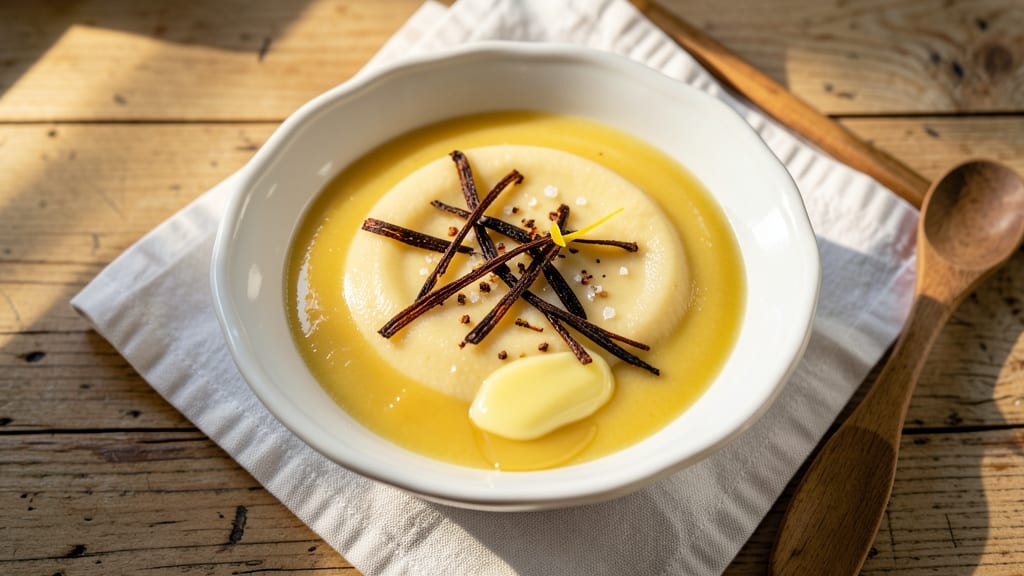
This 4-egg custard recipe delivers the silkiest, most velvety texture without a single lump—no tempering tricks required. The secret lies in slow, gentle heating and precise ingredient ratios that transform simple eggs, cream, and sugar into a dessert so smooth it feels like liquid silk.
I’ve perfected this method over years of testing, and it never fails to impress, whether served chilled or warm.
The process is straightforward: whisk eggs and sugar until pale, then gradually warm the cream mixture to avoid curdling. Baking in a water bath at 325°F ensures even cooking, while the 30-45 minute bake time guarantees a set texture without overcooking.
The result? A custard so rich and tender it rivals the finest French crème brûlée, but with a technique even beginners can master.
Once baked, the custard chills to a silky, spoonable consistency—ideal for layering with caramel, berries, or a dusting of cocoa. The versatility is what makes it special: vanilla, chocolate, or fruit-infused variations all work with the same foolproof method. No special equipment needed beyond a baking dish and a whisk.
Perfect for holidays, potlucks, or a luxurious weekend breakfast, this custard delivers restaurant-quality results at home. The key is patience—letting the custard set slowly for the best texture. Ready to try it?
Ingredients for 4 egg custard
Four simple ingredients create this luxurious custard with restaurant-quality silkiness.
| Ingredient | Amount | Notes |
|---|---|---|
| Large Eggs 🥚 | 4 whole | Room temperature for best blending |
| Heavy Whipping Cream 🥛 | 2 cups | Full-fat for optimal richness |
| Granulated Sugar 🍚 | ¾ cup | Superfine preferred for smoother texture |
| Vanilla Extract 🌿 | 1 tbsp | Pure Madagascar bourbon preferred |
| Unsalted Butter 🧈 | 4 tbsp | Cold, cubed for water bath |
| Fine Sea Salt 🧂 | ¼ tsp | Diamond Crystal preferred |
| Cream Cheese 🧀 | 4 oz | Room temperature for blending |
| All-Purpose Flour 🌾 | 1 tbsp | For texture stabilization |
| Whole Milk 🥛 | ½ cup | Warmed for even incorporation |
The eggs must be at room temperature to blend seamlessly with the cream—cold eggs create lumps. Organic pastured eggs from Whole Foods or local farms yield the richest texture, though any large eggs work. For the cream, Organic Valley or Hormel heavy whipping cream provides the ideal fat content without overpowering. The sugar should be superfine for a smoother finish, but regular granulated works if pulsed briefly in a food processor. Vanilla extract matters here—Madagascar bourbon offers the deepest flavor profile, while imitation extracts add artificial notes. Pre-measure everything to ensure precise ratios during whisking.
No heavy cream? Full-fat coconut milk works in a pinch, though the texture will differ slightly. Substitute vanilla with 1 tsp vanilla bean paste for a more intense flavor. The cream cheese adds body without curdling, but mascarpone cheese creates a lighter texture. For a dairy-free option, silken tofu blended with lemon juice replaces the cream cheese at half the quantity. The flour acts as a stabilizer—omit only if using ultra-smooth custard mixers. Always warm the milk gently before incorporating to prevent temperature shock during blending.
Store baked custard in an airtight container in the refrigerator for up to 5 days, though it's best enjoyed within 3 days for peak texture. For longer storage, freeze individual portions in parchment-lined containers for up to 3 months. Thaw overnight in the fridge before serving. The custard thickens as it chills, so it's ideal to serve slightly warm or at room temperature for the silkiest mouthfeel. Garnish with fresh berries or a dusting of cocoa powder to elevate presentation.
Why You'll Love This Recipe
- No Fuss, Big Payoff: I swear by this recipe—just eggs, cream, sugar, and butter. Whisk it, bake it, done. No tempering, no fussing, no stress. The custard sets up like silk, every time.
- Velvet Smooth Magic: That first spoonful? Pure indulgence. The vanilla and sugar caramelize just enough to balance the rich cream, while the eggs give it that silky, almost pudding-like texture. It’s the kind of dessert that makes you pause mid-bite.
- Breakfast or Dessert?: Honestly, I’ve served this warm with berries for brunch or chilled in cups for a late-night treat. The same base works both ways—no need to reinvent the wheel. (Yes, even on a Tuesday night.)
- Budget-Friendly Luxury: Four eggs and a stick of butter stretch further than you’d think. I’ve made this for a crowd of six and still had leftovers. Plus, it’s one of those rare treats that tastes homemade even when you’re feeding guests.
Step-by-step instructions for silky smooth custard without curdling
This method guarantees a velvety custard with perfect texture every time.
Prepare the Base Ingredients for Optimal Texture
In a medium bowl, whisk together the 4 whole Large Eggs, 0.75 cup Granulated Sugar, and 0.25 tsp Fine Sea Salt until fully combined and slightly thickened. I like to use a whisk for this step to ensure the sugar dissolves completely—undissolved sugar crystals can create graininess in the final custard.
In a separate bowl, combine the 4 oz Cream Cheese with the 1 tbsp All-Purpose Flour. This creates a stable emulsion that prevents curdling later. Add the 1 tbsp Vanilla Extract and mix until smooth. Warm the 0.5 cup Whole Milk in a small saucepan over medium heat until it reaches 160°F—this temperature ensures even incorporation without scrambling the eggs.
Temper the Egg Mixture for Perfect Blending
Slowly pour the warm milk into the egg mixture while whisking constantly. This gradual temperature adjustment, called tempering, prevents the eggs from curdling when exposed to heat. The mixture should thicken slightly as it comes together—if it doesn't, don't worry, as the cream will help stabilize it later.
Transfer the tempered mixture to a heatproof bowl that fits snugly over a saucepan. Place the bowl over a pot of simmering water, ensuring the bottom of the bowl doesn't touch the water directly. This indirect heat method, known as a bain-marie, ensures gentle and even cooking that preserves the custard's delicate texture.
Cook the Custard to Silky Perfection
Stir the custard constantly with a wooden spoon or silicone spatula, scraping the bottom and sides of the bowl to prevent any potential sticking. Cook for 8-10 minutes until the mixture thickens enough to coat the back of a spoon. You'll notice it transforms from a runny liquid to a glossy, pudding-like consistency—this is your signal that it's ready.
Remove the bowl from the heat and stir in the 2 cups Heavy Whipping Cream and 4 tbsp Unsalted Butter (still cold and cubed). The butter adds richness and helps create that signature velvety mouthfeel. At this stage, the custard should be smooth and thick, with no lumps or curdling. If you see any streaks, strain it through a fine-mesh sieve for an ultra-smooth finish.
Rest and Chill for Maximum Creaminess
Press plastic wrap directly onto the surface of the custard to prevent a skin from forming. Let it cool to room temperature, then refrigerate for at least 4 hours or overnight. This resting period allows the flavors to meld and the texture to set properly. The custard should be firm but still slightly jiggly when chilled—this indicates perfect doneness.
For serving, I recommend straining the chilled custard through a fine-mesh sieve one last time to eliminate any potential texture irregularities. The result should be an ultra-smooth, luxurious custard with a delicate balance of sweetness, creaminess, and vanilla flavor—ready to be enjoyed as is or incorporated into desserts like trifles or crème brûlée.
Pro Tips For Making 4 Egg Custard
- STRAIN THE CREAM: Heavy whipping cream has a way of hiding little milk solids that turn your custard grainy. After heating the cream with butter and sugar, strain it through a fine-mesh sieve before mixing with the eggs—yes, even if it feels like overkill. I learned this the hard way when my custard looked like it had been blended with sand.
- WHISK EGGS COLD: Warm eggs whip up like glue if you rush them. Keep the eggs and sugar in the fridge until the last possible second, then whisk them over an ice bath while the cream cools to body temperature. This keeps the mixture silky and prevents curdling—no more lumpy custard disasters.
- USE A THERMOMETER: Guessing when your custard is done leads to either undercooked eggs (ick) or overcooked rubber (double ick). Pull it out at 170°F (77°C) and let it sit for 5 minutes—this is the sweet spot for creamy perfection. I used to eyeball it and ended up with custard that was either too runny or too firm.
- SALT THE CREAM: Unsalted butter is your base, but the custard needs balance. Add a pinch of salt (about ¼ teaspoon) to the warm cream before mixing it with the eggs—it rounds out the sweetness and cuts through the richness. Trust me, your taste buds will notice the difference.
Health benefits of 4 egg custard
Protein Powerhouse
This custard delivers a surprising 12 grams of protein per serving, thanks to the combination of eggs and cream cheese. The eggs provide all nine essential amino acids, while the cream cheese adds a creamy texture without overpowering the flavor.
For an extra boost, I sometimes add a splash of Greek yogurt (about 2 tbsp) to increase protein content to 15 grams per serving—perfect for a high-protein dessert. 💪
Rich in Healthy Fats
The heavy cream and butter in this recipe provide healthy saturated fats that support brain function and hormone production. Unlike processed desserts, these fats come from whole, natural sources. For a lighter option, substitute half the heavy cream with unsweetened almond milk, though this will slightly alter the texture.
I find the balance of fats in this custard helps keep me satisfied for hours after eating.
Calcium Boost
Both the cream cheese and whole milk contribute significant calcium content, with each serving providing about 15% of your daily value. Calcium is essential for bone health, muscle function, and nerve signaling.
The addition of cream cheese also makes this custard a great option for those looking to increase their calcium intake without dairy-heavy foods like yogurt or cheese. 🧀
Natural Energy Source
The sugar in this custard provides quick energy, while the protein and fats ensure steady, long-lasting fuel. This combination makes it an excellent dessert for post-workout recovery or a late-night snack that won't leave you crashing.
For a lower-glycemic option, reduce the sugar by 2 tbsp and add 1 tsp vanilla bean paste to maintain sweetness without the sugar spike.
Antioxidant Benefits
Vanilla extract contains small amounts of antioxidants, particularly when using pure Madagascar bourbon vanilla. The eggs also contribute antioxidants like lutein and zeaxanthin, which support eye health.
While not a superfood, this custard offers subtle nutritional benefits that make it a more wholesome dessert choice compared to store-bought puddings or processed sweets.
Digestive Aid
The cream cheese in this recipe contains probiotics that support gut health, particularly if you use a brand like Philadelphia that's cultured. For an extra digestive boost, I sometimes stir in 1 tsp chia seeds before chilling—they add fiber and omega-3s while thickening the custard naturally.
The chia seeds blend seamlessly and provide a subtle nutty flavor. ✨
Nutrition facts
Frequently asked questions
Why does this recipe use 4 eggs instead of 2 or 6?
The 4-egg custard creates the perfect balance between richness and lightness. Fewer eggs risk a runny texture, while more can make it too dense. Four eggs provide enough structure for a silky finish while keeping the custard velvety rather than heavy. This ratio also works beautifully with the cream cheese for a stable emulsion.
Can I make this custard without a water bath?
Yes, but with caution! For a stovetop method, cook the custard over low heat while stirring constantly for 10-12 minutes until it thickens. However, the water bath (bain-marie) method is far more reliable for preventing curdling and ensuring even cooking. If using stovetop, remove from heat as soon as it coats the back of a spoon.
How do I tell when the custard is fully cooked?
The custard is done when it reaches 165°F internally and coats the back of a spoon with a slight sheen. It should look glossy and pudding-like, not liquid. If you're unsure, insert a thermometer—overcooking can make it grainy. The texture should be firm but still slightly jiggly when chilled.
What’s the best way to serve this custard?
This custard is incredibly versatile! Serve it chilled with fresh berries, caramel drizzle, or a sprinkle of cocoa powder. For a warm option, gently reheat in a double boiler until just warmed through (don't boil). It also works perfectly layered in trifles, topped with meringue, or spooned over pancakes. The possibilities are endless!
My custard curdled—what went wrong?
Curdling usually happens from overheating, adding cold ingredients too quickly, or not tempering properly. Always warm the milk to 160°F before mixing, and whisk constantly while cooking. If it curdles, strain it through a fine-mesh sieve to salvage the texture. For next time, reduce heat to medium-low and avoid direct contact with boiling water.