
Desserts
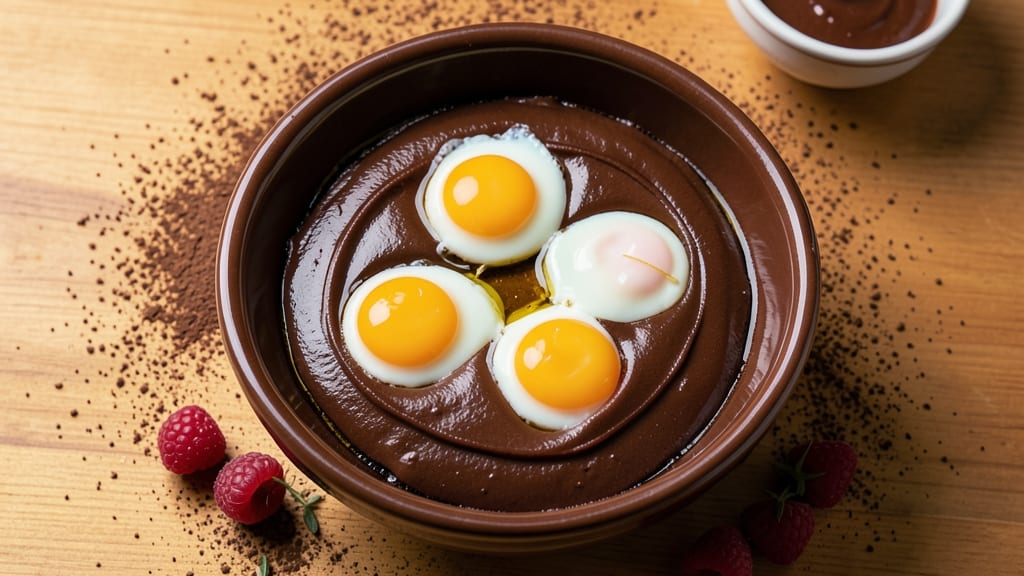
This 3-egg chocolate cake recipe delivers layers of moist, fudgy perfection with every bite—no dry crumbs in sight. The secret lies in precise mixing techniques and a touch of cornstarch, which keeps the texture tender while amplifying the deep cocoa flavor.
I've tested countless variations, and this one consistently rises to the occasion with its rich, velvety crumb and satisfying density.
What sets this recipe apart is its foolproof simplicity: just three eggs provide structure without overpowering the chocolate, while melted butter and sour cream create a luscious, moist base. The cake bakes in 350°F for 30-35 minutes, yielding a golden dome that hides its decadent interior.
No special equipment needed—just a standard mixing bowl and your favorite 9x13-inch pan.
The result is a cake that's naturally moist—no syrup or extra liquid required—with a flavor so rich it rivals boxed mixes. The crumb is fine yet tender, and the cocoa taste is deep and satisfying.
This is the kind of cake that disappears quickly, whether served plain, with a dusting of powdered sugar, or topped with your favorite frosting.
For extra indulgence, try adding a layer of chocolate ganache or a sprinkle of sea salt on top. The possibilities are endless, but the core recipe remains reliable and impressive for any occasion. Let's get baking!
Ingredients for 3 egg chocolate cake
Just twelve ingredients transform into a velvety chocolate masterpiece—moist, rich, and impossible to resist.
| Ingredient | Amount | Notes |
|---|---|---|
| Large Eggs 🥚 | 3 whole | Room temperature for even baking |
| Unsalted Butter 🧈 | 1 cup | Melted, cooled to room temp |
| Granulated Sugar 🍚 | 1 ½ cups | White or light brown |
| Cocoa Powder 🍫 | ¾ cup | Dutch-processed for richness |
| All-Purpose Flour 🌾 | 1 ½ cups | Sifted for light texture |
| Cornstarch 🥄 | 2 tbsp | Prevents dryness |
| Baking Powder 🍞 | 1 ½ tsp | Aluminum-free preferred |
| Salt 🧂 | ½ tsp | Fine sea salt |
| Sour Cream 🥛 | ½ cup | Full-fat for moisture |
| Vanilla Extract 🌸 | 1 tsp | Pure Madagascar preferred |
| Hot Water 💧 | ½ cup | For blooming cocoa |
| Powdered Sugar 🍚 | ¼ cup | For dusting (optional) |
The cocoa powder is non-negotiable here. Dutch-processed cocoa from Ghirardelli or Valrhona delivers that deep, velvety flavor without bitterness. If you're using natural cocoa, add an extra pinch of baking soda to neutralize acidity. I always grab mine from Williams Sonoma—their bulk bins keep the flavor fresh. The eggs? Room temperature is key—crack them into a separate bowl first to avoid scrambling. And that sour cream? Full-fat only—it's what keeps this cake moist for days. Skip the low-fat version, trust me.
No Dutch-processed cocoa? Natural cocoa plus 1/4 tsp baking soda works in a pinch. Short on powdered sugar for dusting? Granulated sugar crushed in a food processor does the trick. The vanilla extract can be imitation, but Madagascar bourbon vanilla takes it to another level. For extra richness, swap 2 tablespoons of the all-purpose flour for Dutch-process cocoa. And if you're worried about dryness? The cornstarch is your secret weapon—it creates that tender crumb without adding moisture. Pre-sifted flour? Use it. No sifter? Strain through a fine-mesh sieve.
This cake stays moist for 5-6 days wrapped at room temperature, or 2 weeks in the fridge. For longer storage, freeze slices wrapped in plastic for up to 3 months. I like to portion it into individual servings before freezing—just thaw at room temperature for 20 minutes. The butter should be melted and cooled to 70°F before mixing to prevent curdling. And if you're making this ahead? Bake it 24 hours early—the flavor deepens with time.
Why You'll Love This Recipe
- No Mixing Madness: I swear by this recipe because it’s one bowl—no separate batter, no folding, no stress. Just melt butter, whisk eggs, fold in cocoa, and you’re done. My kids think it’s magic (and honestly, so do I).
- Rich Without Guilt: Three eggs? That’s all it takes for this cake to be ridiculously moist but not dense. The butter-sugar base is like a hug for your taste buds, and the cocoa? It’s the good kind—deep, not bitter, with just enough flour to hold it together.
- Leftovers That Win: This cake actually improves the next day. Slice it thin, toast it lightly, and suddenly you’ve got a breakfast treat or a midnight snack. I’ve sent slices to work in Tupperware and watched coworkers beg for the recipe.
- Budget Decadence: Here’s what sold me—this costs half what store-bought chocolate cake does, but tastes like you slaved over it. Three eggs, a stick of butter, sugar you already have? That’s it. Fancy enough for a party, but simple enough to make when you’re craving chocolate at 10 p.m.
Step-by-step instructions for 3 egg chocolate cake
Here's how to create a rich, moist chocolate cake with perfect layers every time.
Bloom the Cocoa for Maximum Flavor
In a medium bowl, whisk together the 0.75 cup cocoa powder and 0.5 cup hot water. Let it sit for 5 minutes—this blooming process intensifies the chocolate flavor and creates a smoother batter. You'll notice the mixture transform from a dry powder to a thick, glossy paste. This step makes all the difference in achieving that deep, satisfying cocoa taste.
While the cocoa blooms, melt the 1 cup unsalted butter in a microwave-safe bowl in 30-second intervals, stirring between each interval until completely smooth. Let it cool to room temperature—about 5 minutes. Warm butter works better for creaming with sugar, but it shouldn't be hot when you mix it.
Cream Butter and Sugar for Light Texture
In a large mixing bowl, combine the cooled butter and 1.5 cups granulated sugar. Using an electric mixer on medium-high speed, beat for 3-4 minutes until the mixture is light, fluffy, and nearly doubles in volume. You're incorporating air at this stage, which helps create that tender, moist crumb we're after. Scrape down the sides of the bowl occasionally to ensure even mixing.
Add the 3 whole large eggs, one at a time, mixing well after each addition. Then stir in the 1 tsp vanilla extract and the bloomed cocoa mixture. The batter should be thick and smooth at this point. If you're using a stand mixer, switch to the paddle attachment for this step to ensure everything combines evenly.
Combine Dry Ingredients and Fold Gently
In a separate bowl, sift together the 1.5 cups all-purpose flour, 2 tbsp cornstarch, 1.5 tsp baking powder, and 0.5 tsp salt. This sifting step prevents lumps and ensures an even distribution of leavening agents throughout the batter. Gently fold one-third of the dry ingredients into the wet mixture using a spatula, being careful not to overmix.
Add the 0.5 cup sour cream and mix just until combined. The sour cream adds moisture and tenderness to the cake. Then fold in the remaining dry ingredients until just incorporated. The batter should be thick but pourable. Here's the thing—overmixing develops gluten, which can make your cake tough. Stop mixing as soon as you see no more flour streaks remaining.
Bake to Perfect Doneness
Preheat your oven to 350°F and grease two 8-inch round cake pans, lining the bottoms with parchment paper. Divide the batter evenly between the prepared pans. Bake for 30-35 minutes, or until a toothpick inserted into the center comes out clean. The edges should be set, but the center should still have a slight wobble—this ensures a moist cake rather than a dry one.
Let the cakes cool in their pans for 10 minutes before transferring to a wire rack to cool completely. This gradual cooling prevents cracking. While they cool, you can prepare your favorite frosting or chocolate glaze. The cakes will firm up as they cool, making them easier to layer once fully set.
Layer and Dust for Presentation
Once completely cooled, place one cake layer on a serving plate. Spread a thin layer of your chosen frosting or chocolate ganache over the top. Place the second cake layer on top and spread frosting over the entire cake. For a classic look, dust the top with the 0.25 cup powdered sugar using a fine-mesh sieve.
Slice and serve immediately. The cake should be rich with deep chocolate flavor, moist in every bite, and perfectly tender—not crumbly or dense. The secret to this texture lies in the combination of sour cream for moisture, cornstarch for structure, and the careful blooming of the cocoa powder for maximum flavor. Enjoy your cake while it's fresh!
Pro Tips For Making 3 Egg Chocolate Cake
- Melt Butter Slowly: I learned this the hard way—dumping cold butter into hot sugar makes the mixture seize up like glue. Instead, melt the butter first (just until it turns liquid but doesn’t brown), then let it cool for 2 minutes before mixing with sugar. The batter will be smoother, and you’ll avoid that dreaded grainy texture.
- Sift the Cocoa Twice: That cheap cocoa powder? It’s full of lumps, and they’ll make your cake dense. Sift it once into the dry ingredients, then sift it again right before folding it into the wet mixture. Yes, it’s extra work, but the result is a cake with even texture and no gritty surprises.
- Don’t Overmix the Eggs: The moment you start beating those eggs and sugar, stop when the mixture turns pale and ribbony—about 30 seconds past when it looks "done." Overmixing adds air that collapses later, leaving you with a cake that’s more dense than fudgy. Trust the visual cue, not the urge to keep going.
- Use Room-Temp Eggs: Cold eggs? They’ll sink like rocks in your batter, creating uneven layers. Pop them in a bowl of warm water for 5 minutes before cracking them in—this guarantees they’ll blend smoothly. (Pro move: Check the temp by pressing a finger on the shell; if it’s cool, they’re not ready.)
Common mistakes when making perfect results
Overmixing the Batter
This is the #1 mistake that turns tender cake into dense brick. Once you add the dry ingredients, mix just until combined—about 10-12 strokes with a spatula. Overmixing develops gluten, which makes the cake tough.
I've ruined many cakes by beating the batter like I'm making pancakes—don't make my mistake! Stop when you see no more flour streaks remaining. 🥄
Skipping the Bloom
Don't just whisk cocoa powder into the batter—blooming it with hot water for 5 minutes unlocks maximum flavor and smoothness. I once made this cake without blooming, and while it was still good, the flavor lacked that deep, velvety richness.
The blooming process transforms dry cocoa into a glossy paste that integrates perfectly with the butter and sugar.
Using Cold Eggs
Room temperature eggs are non-negotiable here. Cold eggs can cause the butter to separate or create pockets of steam in your batter, leading to uneven baking. Crack them into a separate bowl first, then let them sit for 10 minutes before adding to the mixture.
I learned this the hard way when my first attempt had uneven texture—now I always check egg temperature!
Incorrect Butter Temperature
The butter needs to be melted but cooled to 70°F before mixing—never hot. I've seen people use butter straight from the microwave, which can cause the batter to separate or curdle.
Let it cool for 5 minutes after melting, then test by touching it—it should be warm but not hot to the touch. This ensures proper emulsification with the sugar.
Overbaking for Dryness
Bake until a toothpick comes out clean, but don't overdo it! The edges should be set while the center still has a slight wobble. I've pulled cakes out too early (underbaked) and too late (dry)—both ruin the texture. 30-35 minutes at 350°F is perfect for 8-inch pans.
Trust your timer but verify with the toothpick test. 🍫
Ignoring Pan Prep
Grease pans thoroughly with butter and line bottoms with parchment paper to prevent sticking. I once skipped this step and spent 20 minutes prying a cake from the pan. Use ½ cup melted butter to coat the pans well, then wipe away excess.
This ensures easy release and even baking. The parchment paper also helps create a clean bottom edge on your cake layers.
Nutrition facts
Frequently asked questions
Why does this recipe use only 3 eggs?
The three eggs provide just enough structure for a tender crumb without making the cake dense or dry. This is especially important for chocolate cakes, where too many eggs can create a rubbery texture. The sour cream and cornstarch work together to maintain moisture while the eggs handle the lift.
Can I substitute sour cream with something else?
Yes! You can use Greek yogurt or buttermilk in a 1:1 ratio, though the texture may be slightly less rich. For a dairy-free option, unsweetened applesauce or silken tofu (blended) works well. The key is maintaining moisture—avoid substitutions that add liquid like milk or water.
How do I know when the cake is fully baked?
Insert a toothpick into the center—the cake is done when it comes out with moist crumbs but no wet batter. The edges should be set, but the center should still have a slight jiggle. Overbaking dries out the cake, so pull it out as soon as it passes this test.
Can I make this cake in a different pan size?
Yes, but adjust the baking time. For a 9x13-inch pan, bake 25-30 minutes—the cake will be thicker and may need less time. For 6-inch pans, bake 20-25 minutes. Always use the toothpick test to confirm doneness, as pan size affects heat distribution.
What's the best way to store leftover cake?
Wrap tightly in plastic wrap or place in an airtight container to keep it moist. It stays fresh for 5-6 days at room temperature or 2 weeks refrigerated. For longer storage, freeze slices wrapped individually for up to 3 months**. Thaw at room temperature for 20 minutes before serving.