
Main Courses
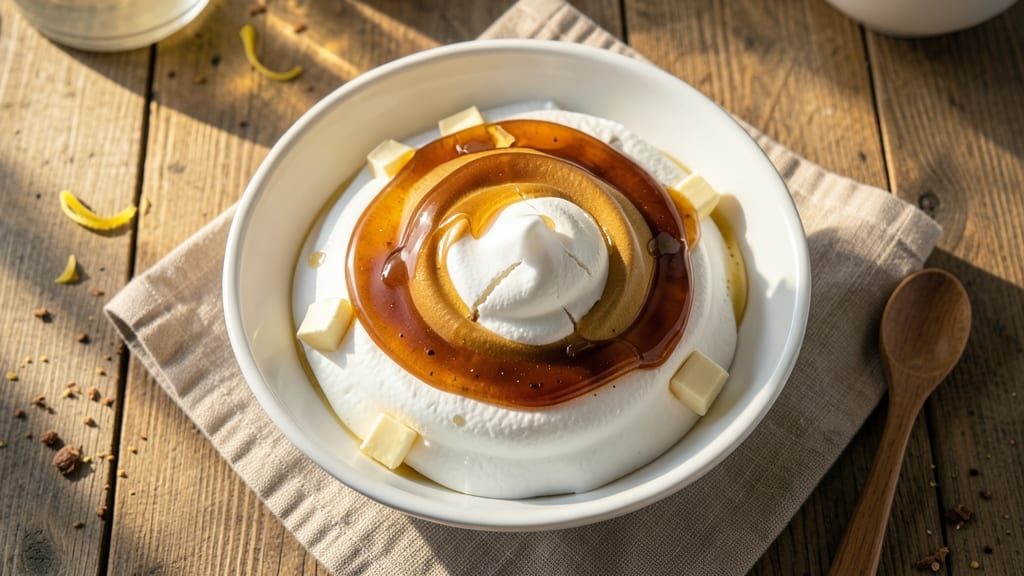
This 2 egg white meringue recipe delivers the perfect balance of crispy shells and light-as-air clouds—a technique I’ve perfected after years of baking delicate desserts. The key lies in proper stabilization and gentle folding, ensuring your meringue holds its shape while staying tender inside.
Whether you’re making pavlovas, pie toppings, or macarons, this method guarantees professional results every time.
What sets this recipe apart is its simplicity: just 2 egg whites, sugar, and a pinch of cream of tartar for stability. The process is straightforward—whipping the egg whites to stiff peaks before gradually adding sugar—but the technique makes all the difference.
I’ll walk you through the exact method to avoid common pitfalls like weeping or collapsing meringue.
Once mastered, you’ll achieve meringues with golden, crackly shells that shatter under gentle pressure, revealing fluffy interiors. The texture is addictive—crisp when fresh, but still delightfully tender after baking. These meringues pair beautifully with whipped cream, fresh berries, or even as a topping for pies and cakes.
Ready to elevate your desserts? This foolproof method works for any meringue-based recipe, and I’ll share my best tips for storage and troubleshooting along the way. Let’s get started!
Ingredients for 2 egg white meringue
Four ingredients transform into delicate clouds—crispy shells with fluffy centers.
| Ingredient | Amount | Notes |
|---|---|---|
| Large Egg Whites 🥚 | 2 whole | Room temperature for best whipping |
| Granulated Sugar 🍚 | 1 ½ cups | Superfine preferred for smooth texture |
| Cream of Tartar 🧂 | ¼ tsp | Essential for stabilization |
| Vanilla Extract 🍯 | ½ tsp | Pure extract for authentic flavor |
| Corn Syrup 🍯 | 1 tbsp | Prevents sugar crystallization |
| Unsalted Butter 🧈 | 4 oz | Softened for spreading |
| Fresh Berries 🍓 | 1 ½ cups | Raspberries or strawberries preferred |
| Whipped Cream 🥛 | 1 cup | Stabilized with powdered sugar |
| Powdered Sugar 🍚 | ¼ cup | For dusting meringues |
| Lemon Juice 🍋 | ½ tsp | Brightens berry flavors |
| Salt 🧂 | ⅛ tsp | Diamond Crystal preferred |
Egg whites make or break meringues—fresh, pasteurized ones whip best. Trader Joe's and Whole Foods sell them pre-separated, saving you the hassle of straining. Cream of tartar is non-negotiable here—it stabilizes the proteins for that perfect structure. If you can't find it, lemon juice at half the amount works in a pinch. For sugar, superfine dissolves faster, but regular granulated works if you pulse it in a food processor first. The butter should be soft but not melted—press it gently to test.
No corn syrup? Light corn syrup or honey (reduce other liquids slightly) prevents sugar from crystallizing. Vanilla extract can be swapped for vanilla bean paste if you want extra flavor depth. Fresh berries add moisture and color—raspberries or blackberries hold up best post-baking. For the whipped cream, cold heavy cream and powdered sugar are key. Chill your beaters first to get faster results. The lemon juice brightens everything—freshly squeezed makes a difference, but bottled works fine. Pro tip: sift your powdered sugar to avoid gritty meringues.
Meringues keep best in a cool, dry place for 3 days, but they're at their peak on day one. For longer storage, freeze them unfilled for up to 3 months—thaw at room temperature before adding filling. The butter layer between meringue halves melts beautifully when reheated, so reheat gently if serving cold meringues. Whipped cream should be added fresh—it sags after 2 hours. If making ahead, assemble without cream and add it right before serving. The golden shells darken as they age, but the texture stays perfect.
Why You'll Love This Recipe
- No Whisk Arm Fatigue: I swear by this two-egg-white version—no marathon whisking, no sore arms. The corn syrup keeps it silky while stabilizing those peaks, and honestly? I’ve made this while chatting on the phone. That’s how effortless it is.
- Vanilla Kiss Magic: That splash of vanilla extract? It turns this from "basic meringue" to "I’d eat this plain." The sugar and cream of tartar caramelize just enough to give it a subtle buttery note—like a hug for your taste buds.
- Piping Party Trick: Need topping for pies, toast, or even a fancy coffee drink? This small-batch meringue pipes like a dream. I keep a squeeze bottle in my fridge for last-minute dessert upgrades—no stress, just flavor.
- Budget-Friendly Luxury: Two eggs, a spoonful of sugar, and a dash of cream of tartar? That’s all it takes to feel fancy without breaking the bank. Leftovers? Toss them in the freezer for weeks—perfect for when you’re craving something sweet but don’t want to bake.
Step-by-step instructions for perfect meringue clouds
Here's how to make meringues that balance crisp shells with light, airy centers—every time.
Prepare the Meringue Base
In a spotlessly clean, grease-free mixing bowl, combine the 2 whole large egg whites, 0.25 teaspoon cream of tartar, and 0.125 teaspoon salt. Whisk gently with a hand mixer or stand mixer fitted with the whisk attachment until foamy. This step is crucial—any grease or fat will prevent proper whipping, so wash your tools thoroughly if needed.
With the mixer running on low speed, gradually add the 1.5 cups granulated sugar and 1 tablespoon corn syrup through the feed tube. Increase the speed to medium-high and whip for 5-7 minutes until the meringue forms stiff, glossy peaks that hold their shape when the whisk is lifted. The mixture should be thick enough to hold a peak when the whisk is raised, and the bowl should feel cool to the touch. This indicates proper stabilization and volume.
Fold in Flavor and Shape the Meringues
In a separate bowl, mix together the 0.5 teaspoon vanilla extract and 0.5 teaspoon lemon juice. Gently fold this mixture into the meringue using a spatula, being careful not to deflate the airy structure. The lemon juice brightens the flavor while balancing the sweetness, and the vanilla adds depth.
Transfer the meringue to a piping bag fitted with a large round tip. Pipe 2-inch circles onto a parchment-lined baking sheet, spacing them about 2 inches apart to allow for spreading. For a rustic look, you can also use a spoon to drop small mounds of meringue. The key here is consistency in size—uniform meringues cook evenly and develop that perfect crisp shell.
Bake for Crisp Shells and Light Centers
Preheat your oven to 250°F—this low temperature is essential for creating those signature crisp shells with light, airy interiors. Bake the meringues for 1 hour and 15 minutes, rotating the sheet halfway through for even cooking. The meringues should develop a deep golden brown color and feel completely dry to the touch when done. If you press gently, they should hold their shape without collapsing.
Here’s the thing—don’t open the oven door during baking. The sudden temperature change can cause the meringues to deflate. If you’re unsure they’re done, let them sit for another 10 minutes before checking. They’ll continue to crisp up as they cool.
Assemble the Meringue Dessert
While the meringues cool, prepare the filling. In a bowl, gently fold the 1.5 cups fresh berries (tossed with a sprinkle of powdered sugar if desired) into the 1 cup whipped cream. This keeps the berries suspended and adds a bright contrast to the sweet meringues. The whipped cream should be light and fluffy—if it’s too thick, add a few drops of lemon juice to brighten the flavor.
Once the meringues are completely cool, carefully place a spoonful of the berry cream filling onto each meringue. Top with a dollop of the remaining whipped cream and a dusting of 0.25 cup powdered sugar for a snowy finish. Serve immediately for the best texture, or store in an airtight container in the refrigerator for up to 2 days. The contrast of the crisp meringue shell and the light, fruity filling is what makes this dessert truly special.
Pro Tips For Making 2 Egg White Meringue
- Use Room-Temp Whites: Cold egg whites hide tiny pockets of moisture that refuse to whip properly. Let them sit in a bowl at room temperature for 10–15 minutes—yes, even if you’re eager to start. I used to rush this, and my meringues would either collapse or look like overinflated balloons. Room-temp whites fold in sugar like a dream.
- Whip in Two Stages: Dump all the sugar at once, and you’ll fight your mixer. Instead, add half the sugar first and whip to stiff peaks, then gradually fold in the rest. The corn syrup? Stir it into the sugar before adding—this keeps the texture silky instead of grainy. I learned this after making a meringue so dry it crumbled like stale crackers.
- Check for Stiff Peaks: When the meringue holds its shape but the tip just flops over, you’re golden. If it wobbles like Jell-O, keep whipping—undercooked meringues won’t hold their form. Overdo it, though, and you’ll get weepy, sad peaks. A quick test: flip the bowl upside down. If it stays put, you’re ready.
- Fold Gently, Not Vigorously: Dive the spatula in at an angle and scoop from the bottom—this cuts through the meringue without deflating it. Aggressive folding introduces air pockets that turn into weak spots. I used to muscle it, and my meringues would look lumpy. Think "delicate" here; the goal is to marry, not beat.
Regional styles of 2 egg white meringue
French Classic Technique
This method is the traditional approach, where egg whites and sugar are whipped together at room temperature. The key here is patience—whip the egg whites to stiff peaks before gradually adding sugar, about 1 tablespoon at a time, to prevent deflation.
French meringues are known for their crisp shells and soft centers, perfect for pavlovas or pie toppings. I find this technique works best with superfine sugar to avoid graininess, and always use a grease-free bowl to prevent any interference with the proteins. 🥚
Swiss Meringue Method
For a smoother, more stable meringue, try the Swiss method—whip the egg whites and sugar together over a double boiler until the mixture reaches 160°F. This gentle heating helps dissolve the sugar completely, resulting in a shinier, more stable meringue that’s ideal for macarons or meringue cookies.
The texture is slightly denser than French meringue but holds its shape beautifully. I prefer this method when making filled meringues, as it’s less prone to weeping. 🌟
Italian Meringue Style
If you love crisp, crackly meringues with a glossy finish, the Italian method is your best bet. Here, hot sugar syrup is poured into whipped egg whites, creating a thicker, more stable meringue that’s perfect for torrone or meringue kisses.
The process requires precision—heat the sugar and water to 240°F before slowly incorporating it into the egg whites. This method yields meringues with longer shelf life and a firmer texture, making them ideal for baking ahead of time. 🔥
Australian Pavlovas
In Australia, meringues are often baked at 200°F for 1 hour and 30 minutes, creating taller, more dramatic pavlovas with crisp shells and marshmallow-like centers. The secret? A low oven temperature and gentle baking to prevent cracking.
Australians also love adding passionfruit curd or feijoa as a filling, giving their desserts a unique tropical twist. I’ve found that humidity control is key—baking on a dry day helps achieve that signature crackly texture. 🌏
Japanese Meringue Cookies
Japanese meringue cookies, or meringue kiss, are baked at 250°F for 1 hour and 15 minutes, resulting in small, round meringues with a crunchy exterior and soft interior. The Japanese technique often includes gelatin or agar-agar for extra stability, making them less prone to weeping.
These meringues are often dusted with matcha powder or kinako (roasted soybean flour) for a unique flavor profile. I love using this method for festive desserts, as the meringues hold their shape beautifully. 🍵
Nutrition facts
Frequently asked questions
Can I use this 2-egg-white meringue for macarons?
This recipe is designed for classic meringue desserts like pavlovas or pie toppings—not macarons. Macarons require a much stiffer, drier meringue (often made with 3 egg whites) and a specific piping technique. For macarons, try the Swiss method with gelatin or agar-agar for extra stability. This recipe works best for light, airy meringue nests or filled desserts.
Why did my meringue turn out weepy or sticky?
Weeping usually happens when humidity interferes with the sugar crystallization. To fix this, bake at 250°F for 1 hour and 15 minutes without opening the oven door. For extra stability, add 1/4 teaspoon cornstarch to the sugar or use the Italian method (hot sugar syrup). Also, ensure your egg whites are completely free of fat—even a trace can prevent proper whipping.
How do I store leftover meringue halves?
Keep meringue halves in an airtight container at room temperature for up to 3 days, or freeze them for 3 months. Thaw frozen meringues at room temperature before filling. For best texture, add whipped cream or filling fresh—it prevents sogginess. Store filled meringues in the fridge for 2 days max, as the cream will break down over time.
Can I substitute corn syrup in this recipe?
Yes! Use 1 tablespoon honey or light corn syrup instead, but reduce other liquids slightly to maintain balance. The syrup prevents sugar crystallization, which keeps meringues smooth. If using honey, ensure it’s warm and liquid before mixing—cold honey can interfere with whipping. For a sugar-free option, try erythritol, but adjust baking time as it behaves differently.
What’s the best way to test if meringue is fully baked?
Gently press the top of a meringue—it should feel completely dry and crisp, with no give. If it springs back slightly, it needs 10-15 more minutes. The shells should also be deep golden brown, not pale. Pro tip: Bake on a dry day to avoid humidity-related issues. Overbaking can make them too hard, so err on the side of slightly underdone.