
Desserts
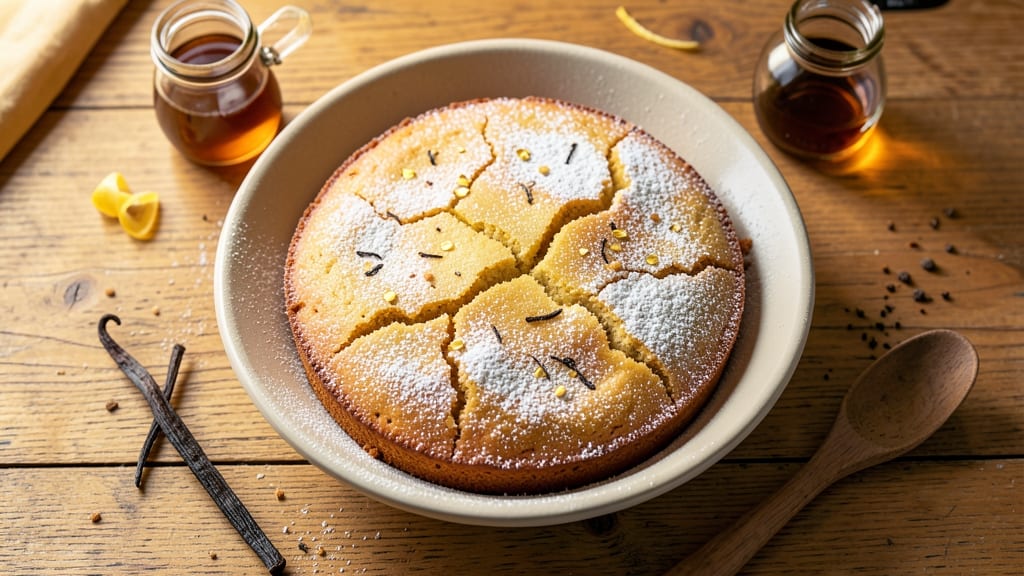
A 2-egg pound cake delivers that signature tender crumb and rich vanilla flavor without requiring a dozen eggs or excessive butter. This recipe transforms simple pantry staples into a cake that's moist for days, with a fine crumb and subtle sweetness that keeps everyone reaching for seconds.
The secret lies in precise mixing techniques and a few key ingredients that work together to create that perfect texture.
What sets this version apart is its efficiency—just two eggs create the ideal structure, while buttermilk and sour cream add moisture and depth. The cake bakes up golden and uniform, with a delicate vanilla infusion that doesn't overpower.
Unlike traditional pound cakes, this recipe simplifies without sacrificing quality, making it perfect for both beginners and experienced bakers looking for a reliable method.
By the time it emerges from the oven, you'll have a cake that's tender yet sturdy enough to slice neatly, with a subtle vanilla aroma that fills your kitchen. The crumb stays moist for days, making it ideal for gifts, celebrations, or a simple afternoon treat.
This isn't just another cake recipe—it's a foolproof method that delivers restaurant-quality results at home.
The beauty of this recipe is its versatility. Serve it plain with a dusting of powdered sugar, or layer it with fresh berries and whipped cream for a showstopping dessert.
The technique works equally well for layer cakes or single-serving portions, proving that simplicity can indeed be luxurious. Let's get baking!
Ingredients for 2 egg pound cake
Twelve simple ingredients transform into a tender, moist pound cake with just two eggs.
| Ingredient | Amount | Notes |
|---|---|---|
| All-Purpose Flour 🌾 | 3 cups | Sifted for light texture |
| Granulated Sugar 🍚 | 1 ½ cups | White or light brown |
| Unsalted Butter 🧈 | 1 cup | Cold, cubed for even mixing |
| Buttermilk 🥛 | 1 cup | Full-fat for richness |
| Large Eggs 🥚 | 2 whole | Room temperature for blending |
| Vanilla Extract 🌸 | 2 tsp | Pure, high-quality preferred |
| Sour Cream 🥛 | ½ cup | Full-fat for moisture |
| Baking Powder 🧂 | 2 tsp | Aluminum-free preferred |
| Salt 🧂 | ½ tsp | Fine sea salt preferred |
| Vegetable Oil 🫒 | ¼ cup | Light, neutral flavor |
| Powdered Sugar 🍚 | ¼ cup | For dusting finished cake |
| Fresh Vanilla Bean 🌸 | 1 whole | Optional, for enhanced flavor |
The flour is the foundation—King Arthur or Gold Medal brands yield the finest crumb. Buttermilk and sour cream are non-negotiable for that signature moisture; store-bought works, but homemade (milk + vinegar) gives better tang. Butter should be cold—Plugrá or Land O'Lakes unsalted are my go-tos, cubed and straight from the fridge. The vanilla extract matters too: McCormick or Nielsen-Massey deliver consistent quality, but a single vanilla bean (scraped seeds + pod) elevates flavor dramatically. For the oil, light vegetable or canola keeps things neutral—no coconut or nut oils here.
No buttermilk? Substitute 1 cup milk + 1 tbsp vinegar or lemon juice, let sit 5 minutes. Sour cream unavailable? Plain Greek yogurt at half the amount works in a pinch. Brown sugar craving? Swap half the granulated for light brown—Domino or C&H brands are reliable. The baking powder must be fresh: if it's over a year old, toss it. For the vanilla bean, any Madagascar or Tahitian variety works; split lengthwise, scrape seeds into the batter, then add the pod for infusion. Powdered sugar can be omitted if you prefer the cake plain.
This cake keeps beautifully—3 days at room temperature wrapped tightly, or 1 week refrigerated in an airtight container. For longer storage, slice and freeze portions between parchment, thawing at room temperature. The vanilla bean pod can be dried and reused in recipes like ice cream or custards. Leftovers? Layer with whipped cream or fresh berries for a quick dessert. Always bake in two 9-inch pans for even rise—don't overfill, or the cake will spill over.
Why You'll Love This Recipe
- No Fuss Mixing: I swear by this—just three bowls, no stand mixer required. The butter and sugar get creamed by hand (yes, it’s doable), then the eggs and buttermilk fold in like butter. Minimal effort, maximum results.
- Buttery Without Guilt: That rich, tender crumb comes from just ½ cup butter, but it’s there—every bite. The buttermilk keeps it moist without heaviness, and honestly? It’s the kind of cake that makes you forget it’s “light.”
- Leftover Goldmine: This cake holds up for days, which is huge for me. Slice it fresh, or stash it in the fridge for toast the next morning—trust me, the flavor only gets better. (Yes, even on a Tuesday night.)
- Budget Breakthrough: Two eggs, a stick of butter, and pantry staples—this is cake on a shoestring. I’ve made it for birthdays, potlucks, and just-because treats without breaking the bank. The sugar’s the only splurge, and it’s worth it.
Step-by-step instructions for 2 egg pound cake
Here's how to achieve that signature tender crumb and rich vanilla flavor every time.
Prepare the Fresh Vanilla Bean and Mix Dry Ingredients
Split the whole fresh vanilla bean lengthwise and scrape out the seeds with the tip of a knife. Set the seeds aside and discard the empty pod. In a medium bowl, whisk together the 3 cups all-purpose flour, 2 teaspoons baking powder, and ½ teaspoon salt. Sift this mixture directly into a large mixing bowl to aerate the flour and prevent dense cake.
This step ensures your cake will rise properly and develop that light, airy texture. The sifting also helps distribute the baking powder evenly throughout the batter, which is crucial for consistent leavening. Keep the dry ingredients ready for the next step—we'll combine them with the wet ingredients shortly.
Cream Butter and Sugar Until Light and Fluffy
In a stand mixer fitted with the paddle attachment, beat the 1 cup unsalted butter (cold and cubed) and 1½ cups granulated sugar on medium speed for 3-4 minutes. The mixture should become pale and nearly triple in volume. This creaming process incorporates air, which creates that signature tender crumb in pound cake.
Stop occasionally to scrape down the sides of the bowl with a rubber spatula—this ensures even mixing and prevents the butter from melting too quickly. You'll know you're on track when the butter and sugar combination looks light, fluffy, and slightly ribbony. This step is foundational for achieving that classic pound cake texture.
Add Eggs and Vanilla, Mixing Until Combined
Add the 2 whole large eggs (room temperature) one at a time, mixing on low speed after each addition until fully incorporated. Then add the 2 teaspoons vanilla extract and the scraped vanilla bean seeds. Mix on low speed for another 30 seconds until just combined. The batter should be smooth with no visible streaks of egg.
Here's the thing—room temperature eggs blend more smoothly into the butter mixture. If your eggs are cold, they'll create pockets in the batter that can lead to uneven texture. The vanilla bean seeds add depth of flavor that pure vanilla extract can't match, so don't skip this step if you have fresh vanilla available.
Alternate Adding Buttermilk and Dry Ingredients
With the mixer on low speed, add ⅓ of the dry ingredients to the butter mixture, mixing just until combined. Then add ⅓ of the 1 cup buttermilk, mixing again until just combined. Repeat this process, ending with the final ⅓ of buttermilk. Scrape down the bowl once more to ensure everything is evenly incorporated.
This alternating method creates a batter with even moisture distribution and prevents dense pockets. The buttermilk adds richness and helps create that signature moist crumb. Don't overmix at this stage—just until the ingredients are combined. Overmixing develops gluten, which can make your cake tough instead of tender.
Fold in Sour Cream and Oil for Extra Moisture
Remove the mixing bowl from the stand mixer and gently fold in the ½ cup sour cream and ¼ cup vegetable oil using a rubber spatula. The batter should be thick but pourable. Fold just until combined—you want to maintain as much air as possible in the batter for that light texture.
The sour cream adds moisture and tenderness, while the oil helps create that fine, even crumb. This is where the cake gets its signature richness without being overly dense. If you're concerned about the batter being too thick, don't worry—it will spread slightly in the oven, but not too much. The key is gentle folding to preserve that airiness we worked so hard to create earlier.
Bake Until Golden and Springy
Preheat your oven to 350°F. Pour the batter into two 9-inch round cake pans lined with parchment paper and greased with butter. Bake for 30-35 minutes, until a toothpick inserted in the center comes out clean and the top is golden brown. Rotate the pans halfway through baking for even browning.
Don't open the oven during the first 20 minutes of baking—this helps create that perfect rise. The cake is done when it springs back slightly when touched and the edges pull away from the pan. If you're unsure, the toothpick test is foolproof. Let the cakes cool in the pans for 10 minutes, then transfer to a wire rack to cool completely before frosting.
Pro Tips For Making 2 Egg Pound Cake
- Use Room-Temp Butter: Cold butter makes dense cake. Let that block of unsalted butter sit out for 30-45 minutes until it’s soft enough to press with a finger but not greasy—this ensures proper creaming without overworking the batter. (Yes, even if you’re impatient like me, this matters more than you’d think.)
- Whisk Eggs First: Crack those eggs into a separate bowl and whisk them vigorously before folding into the batter. This eliminates streaks and gives you a smoother, lighter texture—no one wants to taste raw egg in their pound cake. (I learned this the hard way after biting into a lumpy slice.)
- Don’t Overmix After Flour: Once you add the flour, mix just until combined—about 10 strokes with a spatula. Overmixing develops gluten, and your cake will turn tough instead of tender. Stop when there’s no more dry flour visible. (Your future self will thank you.)
- Check Internal Temp: The cake’s done when the center hits 205°F (96°C)—not when it springs back or looks golden. A toothpick might come out clean too soon, but this temp guarantees a fully set crumb. (I used to pull mine early, and the middle stayed gummy for hours.)
Perfect pairings for these flavors
Classic Berry Compote
Fresh berries elevate this cake beautifully. Simmer 2 cups mixed berries (strawberries, blueberries, raspberries) with 2 tbsp granulated sugar and 1 tbsp lemon juice over medium heat for 8-10 minutes until thickened.
Spoon over cake slices or use as a filling for layered cakes. I love adding 1 tsp vanilla extract at the end for extra depth. 🍓
Whipped Cream Variations
For a showstopping finish, whip 1 cup heavy cream with 2 tbsp powdered sugar until soft peaks form. Add ½ tsp vanilla extract and fold gently. For a citrus twist, infuse the cream with 1 tbsp finely grated lemon zest while whipping.
Serve alongside cake slices or pipe decorative swirls on top. A dollop makes any presentation feel special. 🥛
Citrus Glaze Options
Drizzle warm cake slices with a simple glaze made from ½ cup powdered sugar, 2 tbsp lemon or orange juice, and 1 tsp vanilla extract. Thin with 1 tsp water if needed.
For extra shine, add 1 tsp corn syrup. This glaze keeps the cake moist while adding a bright, refreshing contrast to the vanilla flavor. Perfect for summer gatherings! 🍊
Spiced Coffee Syrup
Heat ½ cup water, ½ cup granulated sugar, ¼ cup strong coffee, and ½ tsp cinnamon in a saucepan until sugar dissolves. Cool and drizzle over cake slices.
The warm spices complement the vanilla beautifully while adding a sophisticated touch. I like serving this with a dusting of powdered sugar for visual appeal. ☕
Chocolate Ganache
Melt ½ cup dark chocolate chips with ¼ cup heavy cream over low heat, stirring until smooth. Let cool slightly before drizzling over cake slices. For extra richness, add 1 tbsp sour cream to the melted chocolate.
This decadent topping pairs perfectly with the cake's vanilla notes and adds a luxurious finish. 🍫
Warm Caramel Sauce
Cook ½ cup brown sugar in a saucepan over medium heat until melted, then whisk in 2 tbsp heavy cream and 1 tbsp butter. Simmer for 2 minutes until thickened.
Drizzle warm caramel over cake slices for a sweet, buttery contrast. The warm sauce enhances the cake's vanilla flavor while adding a comforting touch. 🥄
Nutrition facts
Frequently asked questions
Why does this recipe use only 2 eggs instead of the traditional 12?
The reduced egg count creates a lighter, more delicate crumb while still providing structure. The secret lies in the buttermilk and sour cream, which add moisture and richness that eggs alone can't match. This version maintains that signature vanilla pound cake texture without being overly dense or heavy.
Can I make this cake without buttermilk?
Yes! Substitute with 1 cup milk + 1 tablespoon vinegar or lemon juice, let it sit for 5 minutes to curdle. For extra richness, use ½ cup plain Greek yogurt instead. The tanginess is key to that moist texture—don't skip it! The cake will still turn out tender, just slightly less rich.
How do I prevent my cake from cracking on top?
Cracking usually happens from uneven baking or opening the oven too soon. Preheat your oven thoroughly, avoid opening it for the first 20 minutes, and rotate the pans halfway through baking. Also, ensure your batter is at room temperature before pouring—cold batter can cause uneven rising. A light dusting of powdered sugar after cooling helps hide minor cracks.
Can I bake this in a different pan size?
For best results, use two 9-inch round pans or one 9x13-inch pan. If using a different size, reduce baking time by 5-10 minutes—smaller pans bake faster. Never overfill pans, or the cake will spill over. For a single layer, a 9-inch pan works perfectly, but check doneness at 30 minutes.
Is this cake suitable for meal prep?
Store wrapped tightly at room temperature for 3 days or refrigerate for 1 week. For longer storage, slice and freeze portions between parchment paper. Thaw at room temperature before serving. The cake actually tastes better the next day as the flavors meld together—perfect for busy schedules!