
Desserts
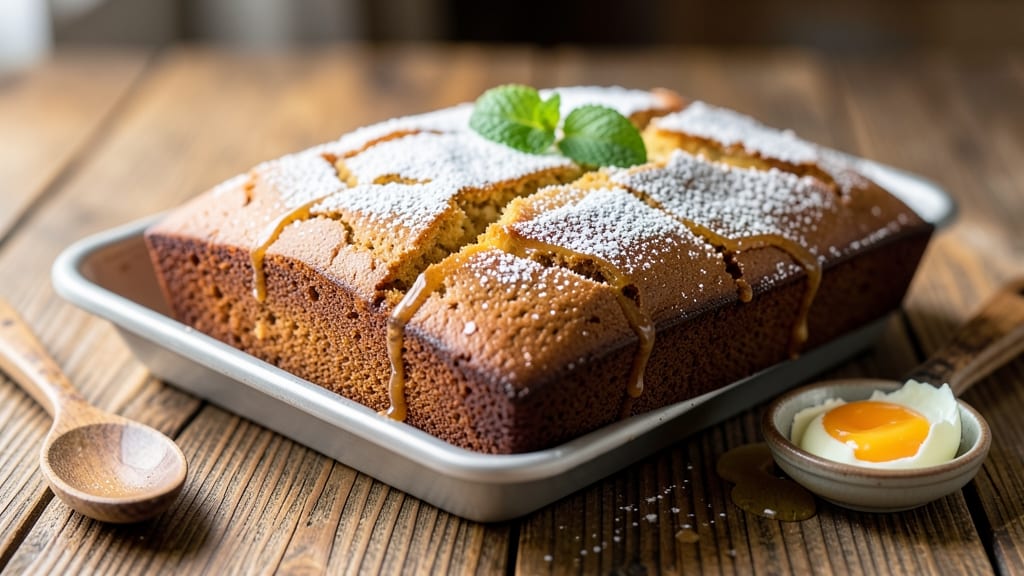
This 5-egg pound cake recipe delivers the signature moist, tender crumb that makes classic pound cakes legendary—no dry bites in sight. The secret lies in the eggs: their high fat content creates a velvety texture while the vanilla infusion elevates every slice to bakery-quality perfection.
I’ve perfected this version through years of testing, balancing traditional creaming methods with modern efficiency for foolproof results.
The cake’s magic starts with creaming butter and sugar until light and fluffy, then gradually adding eggs one at a time to maintain air pockets. Flour and baking powder are folded gently to preserve that signature moistness, while vanilla extract infuses layers of warmth.
Baking at 350°F ensures even rise and golden edges without overcooking the center.
What sets this apart is how the 5 eggs transform the texture—rich yet tender, with a fine crumb that holds up to frosting or fresh berries. The cake stays moist for days, making it ideal for celebrations or meal prep.
Whether you’re frosting with buttercream or serving plain with whipped cream, each bite delivers that signature pound cake experience.
Ready to bake? The instructions walk through every step—from mixing to cooling—for a cake that’s as impressive as it is delicious. Let’s get started!
Ingredients for 5 egg pound cake
Five eggs, one cup butter, and a whisper of vanilla—this is your ticket to bakery-style pound cake.
| Ingredient | Amount | Notes |
|---|---|---|
| Unsalted Butter 🧈 | 1 cup | Room temperature, softened |
| Granulated Sugar 🍚 | 2 cups | Superfine for smoother texture |
| Large Eggs 🥚 | 5 whole | Room temperature, separated |
| All-Purpose Flour 🌾 | 2 ½ cups | Sifted, spooned lightly |
| Baking Powder 🧂 | 1 ½ tsp | Diamond Crystal preferred |
| Pure Vanilla Extract 🍯 | 2 tsp | Bourbon-infused for depth |
| Salt 🧂 | ½ tsp | Fine sea salt preferred |
| Whole Milk 🥛 | ½ cup | Room temperature |
| Lemon Zest 🍋 | 1 tbsp | Freshly grated |
| Vegetable Oil 🫒 | ¼ cup | For greasing pan |
| Powdered Sugar 🍚 | 1 cup | For dusting (optional) |
The eggs are non-negotiable here. Room temperature is critical—cold eggs create dense layers. Whole eggs provide both structure and moisture, unlike whites-only substitutes. For the butter, European-style or cultured butter (like Plugrá or Land O'Lakes European) adds richness. The sugar? Superfine dissolves faster, but regular granulated works if pulsed in a food processor. I always double-check my vanilla extract—bottled vanilla from Trader Joe's is my go-to for consistent quality. Store all dry ingredients in airtight containers to preserve freshness.
No vanilla extract? Vanilla bean paste or even vanilla sugar works in a pinch, though the flavor will be subtler. Short on eggs? Replace with 3 whole eggs + 2 yolks for extra richness, but the texture may be slightly denser. The milk can be swapped for buttermilk or even heavy cream if you prefer. For the flour, King Arthur or Bob's Red Mill brands are ideal—they're finely milled and consistent. The baking powder must be fresh: if it's older than 6 months, test it first by mixing with water—it should bubble vigorously.
This cake keeps beautifully. Wrap tightly in plastic wrap and store at room temperature for up to 3 days—it only gets better as it sits. For longer storage, freeze slices wrapped individually for up to 3 months. The vanilla flavor intensifies over time, so don't rush to eat it all at once. I like to portion it into single servings before freezing—just thaw at room temperature for 15 minutes before serving. The powdered sugar is optional but adds a professional touch for serving.
Why You'll Love This Recipe
- No Mixer Needed: I swear by this recipe when my kitchen gadgets are on strike—just cream butter and sugar by hand, crack in those eggs one at a time, and fold in the flour. The batter’s so thick and stable, it won’t collapse on you like some recipes I’ve tried.
- Rich Without Fuss: Five eggs? That’s the secret weapon—moist, tender crumb that stays fresh for days. The butter-sugar ratio gives it that classic pound cake richness, but the baking powder keeps it light. Honestly, it’s the kind of cake that makes you question why you ever bought boxed mix.
- Weeknight Hero: Slice it warm for breakfast with butter and jam, or pack it for lunches—it’s my go-to when I need something substantial but still feels special. (Yes, even on a Tuesday night.) The neutral flavor also means it soaks up fruit compotes or coffee glaze like a dream.
- Budget Baking Wins: This recipe stretches my grocery dollars—just five eggs and a stick of butter go a long way. I’ve made this for birthdays, potlucks, and even as a side for dinner, and it never disappoints. Leftovers? They’re my secret stash for quick snacks or a last-minute dessert.
Step-by-step instructions for 5 egg pound cake
Here's how to bake a tender, vanilla-infused pound cake with layers so moist they'll disappear in your mouth.
Prepare the Cake Pan and Preheat the Oven
Begin by greasing a 9x5-inch loaf pan thoroughly with the 0.25 cup vegetable oil, then dust it evenly with 2.5 cups all-purpose flour, tapping out any excess. Line the bottom with parchment paper for easy removal. Preheat your oven to 350°F—this temperature ensures even baking without drying out the cake.
I like to use a spray bottle for the oil to get full coverage, especially in the corners where cake often sticks. The flour coating creates a nonstick barrier that guarantees clean slices. Let the pan sit while you prepare the batter—this gives the grease time to warm slightly, which helps with release later.
Cream Butter and Sugar for Maximum Fluffiness
In a large mixing bowl, beat the 1 cup unsalted butter and 2 cups granulated sugar together on medium speed until light and fluffy—about 3-4 minutes. You'll see the mixture nearly double in volume and turn pale, with ribbons forming when the beaters are lifted. This step incorporates air, which creates that signature tender crumb.
I always use room-temperature butter here; it blends more smoothly and creates a finer texture. If your butter has any cold spots, press it between parchment paper with a rolling pin to soften it evenly. Don't rush this step—proper creaming is what makes pound cake so distinctively moist.
Add Eggs and Infuse with Vanilla and Lemon
Add the 5 whole large eggs, one at a time, beating well after each addition. Mix in the 2 tsp bourbon-infused vanilla extract and 1 tbsp lemon zest, scraping down the sides of the bowl to ensure everything is incorporated. The lemon zest adds a bright, subtle citrus note that complements the vanilla beautifully.
Here's where the magic happens: the vanilla extract infuses deeply during this mixing stage, while the lemon zest dissolves into the batter for even distribution. I like to press the lemon zest through a fine-mesh strainer to remove any bitter pith. The batter should be smooth and slightly thickened by now—if it looks too thin, we'll adjust with the dry ingredients next.
Combine Dry Ingredients and Fold Gently
In a separate bowl, whisk together the 2.5 cups all-purpose flour, 1.5 tsp baking powder, and 0.5 tsp salt. Sift the flour once before measuring to aerate it—this prevents dense layers in the final cake. Gradually add the dry mixture to the wet ingredients, alternating with the 0.5 cup whole milk, beginning and ending with the flour.
Use a spatula to gently fold everything together just until combined—you should still see some flour streaks. Overmixing develops gluten, which can make the cake tough. The batter will be thick but pourable. This careful combination ensures the cake rises evenly while maintaining that signature tender crumb.
Bake Until Golden and Test for Doneness
Pour the batter into the prepared pan and smooth the top with a spatula. Bake in the preheated oven for 50-60 minutes, until the top is golden brown and a toothpick inserted in the center comes out clean. The cake should spring back slightly when pressed gently in the center.
I usually start checking at the 45-minute mark—every oven runs slightly differently. If the top browns too quickly, tent the pan with foil. Let the cake cool in the pan for 10 minutes, then transfer to a wire rack to cool completely before slicing. This resting period allows the moisture to distribute evenly, ensuring each slice is perfectly moist.
Pro Tips For Making 5 Egg Pound Cake
- Cream Butter & Sugar Slowly: Five eggs mean this batter’s denser than usual—beat the butter and sugar for a full 3-4 minutes until it’s pale and almost fluffy. I used to rush it, and the cake turned out compact instead of tender. The extra time dissolves more sugar into the butter, which makes all the difference when you’re working with that many eggs.
- Room-Temp Eggs Only: Cold eggs sink like stones in warm batter. Pull them out of the fridge 30 minutes before cracking—yes, even if you’re in a hurry. My first attempt with ice-cold eggs left me with a cake that looked like it had rocks in it. Trust me, the texture changes when they’re at room temperature.
- Don’t Overmix the Flour: Once you fold in the dry ingredients, stop after one turn of the spoon. Overmixing develops the gluten, and with five eggs in this recipe, the cake turns out tough instead of moist. Think of it like folding in powdered sugar—just enough to combine, no more.
- Bake Until Internal Temp Hits 205°F: The toothpick trick is fine, but for a pound cake this rich, wait until the center reads 205°F. I learned this after cutting into a cake that was almost done and finding a gummy middle—especially with five eggs, it needs that extra time to fully set. Don’t rush it.
Storing and reheating this dish
Room Temp Storage
This cake stays fresh for 3-4 days at room temperature when wrapped tightly in plastic wrap or stored in an airtight container. The vanilla flavor actually deepens over time, making it perfect for meal prep.
I like to slice it into single servings first—this prevents drying between cuts. Place the wrapped cake in a cool, dark spot away from direct sunlight to maintain moisture. 🌟
Fridge Preservation
For longer storage, refrigerate the cake wrapped in plastic wrap for up to 5 days. The cold slows moisture loss, but the texture becomes slightly denser. To revive it, let slices sit at room temperature for 10-15 minutes before serving.
I often refrigerate a whole cake after baking, then slice as needed for breakfast or dessert. The cold also intensifies the vanilla aroma—trust me, it smells amazing. ❄️
Freezer-Friendly Slices
Freeze individual slices wrapped in plastic wrap or parchment paper for up to 3 months. Thaw overnight in the fridge or at room temperature for 30 minutes—never microwave, as it creates a rubbery texture.
The freezer preserves the cake's moisture perfectly, making it ideal for batch baking. I label each slice with the date to track freshness. For parties, I freeze half the cake and thaw as needed. 🧊
Reheating for Maximum Moisture
If your cake feels dry after refrigeration, reheat slices in a 350°F oven for 5-7 minutes wrapped in foil. This restores moisture without overcooking. For a quick fix, place slices in a microwave-safe dish with 1-2 teaspoons of water and heat for 10-15 seconds—just enough to soften.
The microwave method works best for single servings. 🔥
Frosting and Serving Tips
If frosting, wait until the cake is completely cool—warm cake melts buttercream instantly. For a classic touch, dust with powdered sugar before serving. I also love adding a drizzle of warm honey or a sprinkle of toasted nuts for texture.
The cake's natural sweetness pairs beautifully with fresh berries or whipped cream. Serve at room temperature for the best texture and flavor experience. 🍓
Nutrition facts
Frequently asked questions
Why does this recipe use 5 eggs instead of the traditional 4?
The extra egg creates a richer, more velvety texture while maintaining moisture. The high fat content from 5 eggs makes the crumb exceptionally tender, and it helps balance the flour-to-fat ratio for that signature pound cake density. This version stays moist for days—perfect for make-ahead baking!
Can I substitute eggs with something else for a lighter cake?
For a lighter texture, replace 2 eggs with 2 egg whites whipped to stiff peaks, but the cake will be less rich. The 5 eggs are key for the classic pound cake experience—each yolk adds fat and moisture that keeps the cake tender. If you're avoiding eggs, consider using 1/4 cup aquafaba per egg (but expect a slightly denser result).
How do I know when the cake is fully baked?
Look for a golden brown top and insert a toothpick—it should come out clean with just a few moist crumbs. The cake should also spring back gently when pressed in the center. Overbaking dries it out, so start checking at 45 minutes (with a 350°F oven). If the edges brown too fast, tent with foil.
What's the best way to slice this cake for perfect layers?
Wait until the cake is completely cool, then use a serrated knife warmed in hot water. Dip the knife between slices to prevent crumbling. For even layers, mark your desired thickness with toothpicks before cutting. The knife should glide through cleanly—no forcing! Chill the cake for 10 minutes in the fridge if it's still warm.
Can I make this cake in a different pan size?
For a 9x2-inch round pan, reduce baking time by 10-15 minutes—the thinner shape cooks faster. For a 9x13-inch sheet pan, spread batter 1/2-inch thick and bake 25-30 minutes**. Adjust oven temp to 325°F for even baking. Always check doneness with a toothpick, regardless of pan size.