
Main Courses
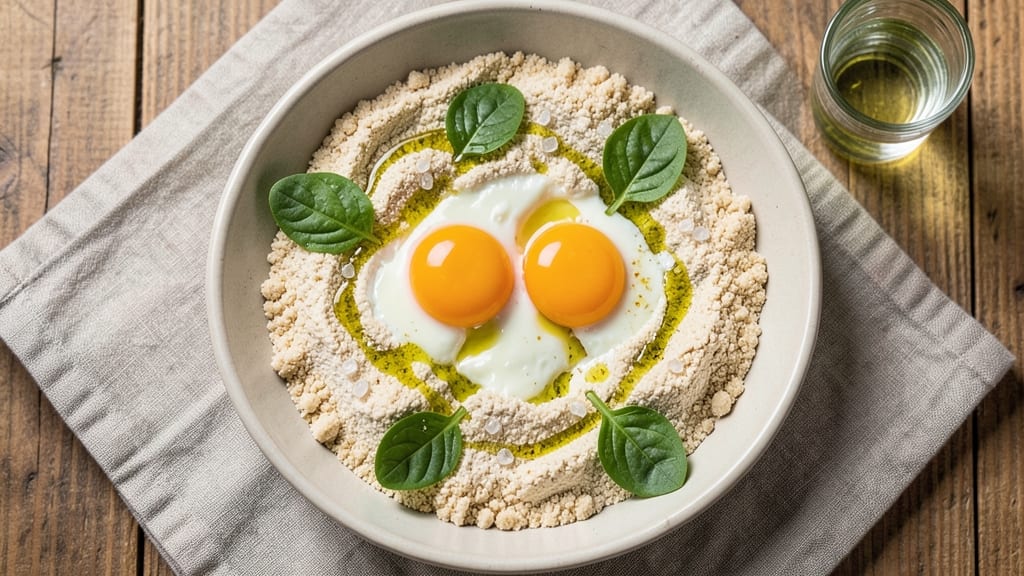
This 2 egg pasta dough recipe delivers the perfect balance of lightness and elasticity—no-knead magic that transforms simple ingredients into restaurant-quality pasta. The secret lies in the flour-to-egg ratio and proper resting time, which develops gluten naturally for tender yet sturdy dough.
I’ve perfected this method after years of testing, ensuring it works every time without overworking the dough.
The beauty of this recipe is its versatility—use it for tagliatelle, fettuccine, or even ravioli, all with a silky texture that’s hard to achieve with traditional kneading. The dough rests for just 30 minutes, giving it time to relax and develop flavor while keeping the process effortless.
For extra richness, add a pinch of salt or olive oil to the flour before mixing.
What you’ll end up with is a smooth, pliable dough that’s easy to roll and cut, whether you’re making fresh strands or delicate ravioli. The key to success? Handling the dough gently and letting it rest—no rushing allowed.
Pair it with classic tomato sauce, creamy Alfredo, or hearty meat ragù for a meal that feels like a true Italian experience.
Optional variations include whole wheat flour for a nuttier taste or spinach-infused dough for a pop of color. For best results, keep the dough covered while resting to prevent drying. Let’s get started on your homemade pasta adventure!
Ingredients for 2 egg pasta dough
Flour, eggs, and a pinch of salt—this trio creates restaurant-quality pasta without kneading.
| Ingredient | Amount | Notes |
|---|---|---|
| All-Purpose Flour 🌾 | 2 ½ cups | Sifted for light texture |
| Large Eggs 🥚 | 2 whole | Room temperature for blending |
| Fine Sea Salt 🧂 | ½ tsp | Diamond Crystal preferred |
| Extra-Virgin Olive Oil 🫒 | 1 tbsp | For enriched dough option |
| Water 💧 | ¼ cup | Only if needed for binding |
| Fresh Spinach Leaves 🍃 | ½ cup | Optional for green variation |
| Whole Wheat Flour 🌾 | ½ cup | For nutty variation |
The flour makes all the difference. King Arthur or Caputo Tipo 00 yield the silkiest dough, but all-purpose works in a pinch. Sift it first—this removes lumps and helps the eggs blend smoothly. I always buy flour in 5-pound bags from Costco or King Arthur's website for better freshness. Room-temperature eggs mix better, so take them out 15 minutes before starting. For the salt, Diamond Crystal dissolves more gently than table salt—trust me on this. If your dough feels too dry, add water 1 teaspoon at a time until it just comes together.
No eggs? Flax eggs (1 tbsp ground flaxseed + 3 tbsp water = 1 egg) work for a vegan version, though texture will differ slightly. Want extra richness? Swap the olive oil for unsalted butter (1 tbsp, melted). The spinach variation calls for finely chopped fresh spinach blended into the eggs first—no need to strain. For whole wheat, use white whole wheat flour to keep the dough lighter. If your dough cracks during rolling, let it rest 10 more minutes uncovered to relax the gluten. And if you're short on flour, semolina or cornmeal can dust the rolling surface instead.
Store unused flour in an airtight container in a cool, dark place for up to 6 months. Eggs keep best in their original carton on the fridge shelf, not the door. Once mixed, the dough stays fresh 2 days wrapped in plastic in the fridge or 3 months frozen between parchment paper. For freezing, shape into your desired pasta form first. Reheat frozen pasta in boiling water for 2-3 minutes—no thawing needed. The dough doubles as a perfect base for stuffed ravioli or lasagna noodles, so make extra if you're ambitious.
Why You'll Love This Recipe
- Four-Ingredient Magic: I swear, this dough is the closest I’ve gotten to restaurant-quality pasta without a machine. Just flour, eggs, oil, and salt—no fancy ratios to memorize, no guesswork. The eggs bind it perfectly, and the olive oil keeps it tender without overpowering.
- Rich, Simple Taste: That golden crust when you cook it? Pure satisfaction. The olive oil infuses just enough richness, while the eggs add a subtle depth—no need for butter or cream. It’s the kind of flavor that makes you reach for seconds without even trying.
- Weeknight Wonder: Between us, this is my go-to when I’m too tired to fuss. Roll it out while dinner simmers, or even make it ahead and freeze it for lazy nights. It’s the ultimate “I’ll figure it out later” dough—because you won’t even miss the planning.
- Pantry-Friendly Savings: Honestly, this recipe is my budget hack. A few eggs and flour stretch farther than store-bought, and leftovers keep for days. I’ve fed a crowd with half the cost, and the taste? Still better than anything from a box.
Step-by-step instructions for light and airy no-knead pasta
This method delivers perfect pasta every time—no kneading required.
Combine Dry Ingredients for Optimal Texture
In a large mixing bowl, sift together the 2.5 cups all-purpose flour and 0.5 cup whole wheat flour if using. This creates a light, airy base for your pasta. Make a well in the center large enough to hold the eggs. I like to use a measuring cup to create a perfect circle—this prevents flour from mixing with the eggs prematurely.
Add the 0.5 teaspoon fine sea salt to the flour mixture and whisk it in evenly. This ensures consistent seasoning throughout the dough. The salt also helps strengthen the gluten structure, which is crucial for that perfect al dente bite. If using the optional 0.5 cup fresh spinach leaves, finely chop them and add them to the flour mixture now—they'll blend seamlessly into the dough.
Incorporate Eggs and Olive Oil for Rich Flavor
Crack the 2 whole large eggs directly into the well in the flour mixture. The eggs should be at room temperature for best results—they'll blend more easily and create a smoother dough. Using a fork, gently draw the flour into the eggs, mixing just until combined. You want to avoid overworking the dough at this stage—just enough to form a shaggy mass.
Add the 1 tablespoon extra-virgin olive oil to the center of the dough. The oil enriches the pasta and gives it a silky texture. Using your hands, gently work the oil into the dough until it comes together into a soft, pliable ball. If the dough feels too dry, add 1 tablespoon of water at a time until it holds together when pressed. The dough should be smooth but slightly tacky to the touch.
Rest the Dough for Maximum Elasticity
Shape the dough into a loose ball and place it on a clean, lightly floured surface. Cover the bowl with a damp towel or plastic wrap to prevent the dough from drying out. Let the dough rest for 30 minutes at room temperature. This resting period allows the gluten to relax and redistribute, making it much easier to roll out later.
During this time, I like to set up my rolling station. Place a clean kitchen towel on your work surface and lightly dust it with flour. Have your pasta machine ready—if you're using a rolling pin instead, make sure it's clean and dry. The dough should feel softer after resting, with a slightly springy texture when pressed gently with your finger.
Roll and Cut for Perfect Pasta
After the dough has rested, divide it into 4 equal portions (about 4 ounces each) for easier handling. Keep the remaining dough covered while you work with one portion at a time. Using a pasta machine, roll the dough through the widest setting first, then fold it in half and roll it again. This creates a more uniform thickness and prevents tearing when you roll it thinner.
Gradually roll the dough through progressively thinner settings on your pasta machine, dusting lightly with flour between each pass to prevent sticking. For classic spaghetti, aim for the third-thinnest setting. If you're making tagliatelle or fettuccine, stop at the second-thinnest setting. The dough should be translucent with just a hint of white streaks—this indicates the perfect thickness for al dente pasta.
Cook Immediately for Best Results
Cut the rolled dough into your desired pasta shape using the pasta machine's cutter attachment or a sharp knife. Immediately cook the fresh pasta in a large pot of salted boiling water for 2-4 minutes, depending on thickness. Fresh pasta cooks much faster than dried—start checking for doneness 1 minute after the package instructions for dried pasta of similar shape.
To test for doneness, taste a piece of pasta. It should be tender but still have a slight bite—this is the al dente texture we're aiming for. Reserve 1 cup of pasta water before draining, as it contains starch that helps create a silky sauce. Serve your fresh pasta immediately with your favorite sauce, tossing it with a splash of reserved pasta water to create the perfect cling.
Pro Tips For Making 2 Egg Pasta Dough
- Weigh Your Flour: I learned this the hard way—scooping flour from the bag packs it too loosely, and your dough ends up dry and crumbly. Use a kitchen scale for 250 grams (about 2 cups) of all-purpose flour; it’s the only way to guarantee consistent texture every time.
- Cold Eggs First: No, you don’t need to chill the eggs in ice water—just pop them straight from the fridge into the bowl. Cold eggs mix more smoothly with the flour, preventing gluten from overworking and keeping your pasta tender. (Yes, even if you’re impatient like me.)
- Knead Just Enough: This isn’t the prettiest method, but it’s the tastiest: knead by hand for about 8–10 minutes until the dough is smooth but still slightly tacky. Overworking it makes pasta tough—stop when it springs back when poked, not when it’s silky smooth.
- Add Olive Oil Last: Skip the urge to mix in the olive oil at the start—it coats the flour and weakens gluten formation. Instead, fold in 1–2 tablespoons of extra-virgin olive oil after the dough comes together. It’ll make your pasta silky without sacrificing structure. (Your future self will notice the difference.)
Health benefits of this dish
Protein Powerhouse
This dough delivers a solid 12-14 grams of protein per serving (about 2 ounces of cooked pasta) thanks to the eggs and high-quality flour. Eggs provide all nine essential amino acids, while the flour contributes plant-based protein.
For a boost, add 1 tablespoon nutritional yeast to the dough for an extra 3 grams of protein per serving and a cheesy flavor. 💪
Low-Carb Flexibility
While traditional pasta is carb-heavy, this dough can be adapted for lower-carb diets. Swap 1 cup all-purpose flour for ½ cup almond flour to reduce net carbs by about 20% per serving.
The texture will be slightly denser but still delicious with creamy sauces. For gluten-free options, use a 1:1 gluten-free flour blend like Bob's Red Mill, though results vary.
Gluten Development Benefits
The 30-minute rest time allows gluten to properly develop, creating a lighter texture that digests more easily than overworked dough. This gentle gluten formation makes the pasta easier on sensitive stomachs while maintaining that perfect al dente bite. The resting period also helps prevent bloating for many people. ✨
Rich in B Vitamins
Eggs in this dough provide B vitamins like B12 and riboflavin, which support energy metabolism and nervous system health. The flour contributes folate and thiamine. For an extra boost, add 1 tablespoon ground flaxseed to the dough for omega-3s and additional B vitamins.
These nutrients help convert food into energy more efficiently.
Fiber Boost Options
Incorporating whole wheat flour or spinach adds fiber and nutrients.
The whole wheat version provides about 2 grams of fiber per serving, while spinach adds iron and vitamin K. For maximum fiber, blend ½ cup cooked lentils into the dough before mixing—this creates a heartier texture with 4 grams of fiber per serving.
Heart-Healthy Fats
The olive oil in this dough provides monounsaturated fats that support heart health. These fats help reduce LDL cholesterol when used to replace saturated fats. For an extra heart-healthy boost, substitute the olive oil with avocado oil, which has a higher smoke point and similar benefits.
Just 1 tablespoon provides about 14 grams of healthy fats per batch.
Nutrition facts
Frequently asked questions
Why does this 2-egg dough recipe work better than traditional kneaded dough?
The 30-minute rest time allows gluten to develop naturally without overworking, creating a lighter, more tender texture. The egg-to-flour ratio (2 eggs to 2.5 cups flour) provides just enough moisture for elasticity without making the dough sticky. This method also prevents tough gluten strands that often come from excessive kneading.
Can I substitute eggs in this recipe for a vegan version?
Yes, use 2 flax eggs (2 tbsp ground flaxseed + 6 tbsp water) or aquafaba (3 tbsp chickpea brine). The texture will be slightly denser but still workable. For best results, add 1 extra tablespoon of water if the dough feels too dry. The flavor won't be identical, but it's a great plant-based alternative.
What's the secret to preventing the dough from sticking while rolling?
Lightly dust your rolling surface with semolina or cornmeal instead of flour—they prevent sticking better than all-purpose flour. Also, keep the dough covered with a damp towel while working, and roll it through the pasta machine one setting at a time without folding until the final pass.
How do I know when the dough is rested enough?
The dough is ready when it feels soft and springy—press gently with your finger. If it springs back slowly, it needs 5-10 more minutes. Over-rested dough won't hurt, but under-rested dough is harder to roll. The 30-minute mark is ideal for most kitchens at room temperature.
Can I make this dough ahead of time and freeze it?
Shape the dough into your desired pasta form, then freeze on a floured tray before transferring to a bag. Thaw in the fridge overnight or cook from frozen (add 1 extra minute to cooking time). For best texture, freeze only after rolling—never freeze unworked dough.