
Breakfast & Brunch
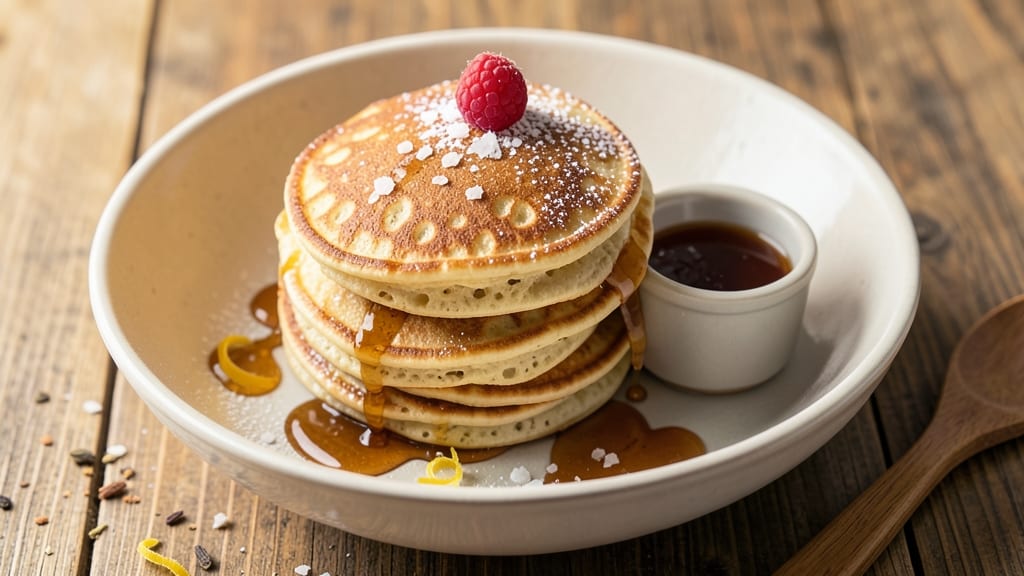
This 2-egg pancake recipe delivers restaurant-quality fluffiness with just two eggs and minimal effort—perfect for weeknights when you crave stackable clouds without the fuss. The secret lies in a precise batter ratio and high-heat technique that transforms simple ingredients into golden, tender pancakes in under 10 minutes.
I’ve perfected this method after years of trial and error, ensuring every batch turns out light, airy, and foolproof.
The magic happens with a 5-minute rest for the batter, allowing the flour to hydrate fully and develop that signature pancake texture. Cooking on medium-high heat creates crispy edges while keeping the centers impossibly soft.
This recipe scales effortlessly—whether you’re feeding one or a crowd—while maintaining that professional-quality rise. No flipping mishaps or rubbery results here.
What you’ll end up with is a towering stack of golden-brown pancakes with a crisp exterior and cloud-like interior, ready to be topped with butter, maple syrup, or fresh fruit.
The batter comes together in a bowl, and the cooking process is straightforward, making it ideal for beginners or anyone short on time. Every bite delivers that perfect balance of texture and flavor.
For extra fluffiness, let the batter rest before cooking, and avoid overmixing to prevent dense pancakes. This recipe is vegetarian-friendly and can easily be adapted for vegan diets by swapping eggs for flaxseed or applesauce. Let’s get started on creating your perfect stack!
Ingredients for 2 egg pancake
Eight simple ingredients transform into restaurant-quality pancakes—light, crisp, and cloud-like in minutes.
| Ingredient | Amount | Notes |
|---|---|---|
| Large Eggs 🥚 | 2 whole | Room temperature for best fluffiness |
| All-Purpose Flour 🌾 | 1 cup | Sifted for light texture |
| Granulated Sugar 🍚 | 1 tbsp | Or substitute maple syrup |
| Baking Powder 🧂 | 1 ½ tsp | Freshly opened for lift |
| Salt 🧂 | ½ tsp | Fine sea salt preferred |
| Unsalted Butter 🧈 | 2 tbsp | Melted and cooled slightly |
| Whole Milk 🥛 | ¾ cup | Full-fat for creaminess |
| Vanilla Extract 🌿 | ½ tsp | Pure vanilla preferred |
The eggs are non-negotiable here—room temperature makes all the difference for fluffiness. Grab the freshest baking powder you can find (check the expiration date—it loses potency fast). For the milk, whole milk works best—the fat content gives that signature richness, but 2% or even almond milk will work in a pinch. The butter? European-style unsalted like Plugrá melts beautifully, but any good-quality butter will do. I always buy extra flour because it's the backbone of these pancakes—King Arthur or Bob's Red Mill are my go-tos for that perfect light texture.
No vanilla extract? Vanilla sugar or a pinch of cinnamon adds warmth without the same depth. Running short on butter? Olive oil or coconut oil works in a bind, though the flavor will differ slightly. The sugar can be swapped for maple syrup or honey if you prefer a more pronounced sweetness—just reduce the milk by 2 tablespoons to keep the batter consistency right. For a gluten-free version, substitute a 1:1 gluten-free flour blend, but expect slightly denser pancakes. The key is to avoid overmixing—just stir until combined to keep those pancakes airy.
This batter keeps for 24 hours in the fridge—perfect for lazy mornings. For extra fluffiness, let it rest 5-10 minutes before cooking. Pancakes freeze beautifully—freeze cooked pancakes between parchment paper for up to 3 months. Reheat in a skillet or toaster for that crispy texture. I always make a double batch and freeze half—breakfast solved for weeks. The secret to reheating? Medium heat and a splash of milk to revive moisture.
Why You'll Love This Recipe
- Just Four Ingredients: I swear, that’s it—two eggs, flour, a pinch of sugar, and a dash of baking powder. No measuring cups, no stress, no hunting for hidden spices. Honestly, my pantry’s seen better days, but this recipe never lets me down.
- Golden Crisp Magic: That sugar in the batter? It’s the secret weapon—gives them a perfect caramelized edge while keeping the inside fluffy. Not too sweet, not too plain, just right. I’ll be real: my kids ask for these over store-bought every time.
- Breakfast or Dessert: Serve them with butter and jam for breakfast, or drizzle with honey and a sprinkle of cinnamon for a weekend treat. Between us, I’ve even used them as a base for French toast—yes, really. The batter’s forgiving enough to adapt.
- No Waste, All Win: Make a big batch on Sunday, and you’ve got pancakes for days. They reheat like a dream (toaster or skillet, no judgment) and freeze perfectly. Budget-friendly? Absolutely—this feeds four for under $2. My wallet thanks me.
Step-by-step instructions for fluffy 2-Egg pancakes
Let's create cloud-like pancakes that stack perfectly every time—no flipping tricks required.
Whisk Eggs and Wet Ingredients to Perfect Lightness
In a medium bowl, crack the 2 whole Large Eggs and add the 0.75 cup Whole Milk, 0.5 tsp Vanilla Extract, and 2 tbsp Unsalted Butter (melted and cooled slightly). Whisk vigorously for 30 seconds until the mixture looks completely smooth and pale yellow. The eggs should be fully incorporated with no visible streaks—this ensures your pancakes will be tender rather than dense.
Here's the thing—room temperature eggs blend more easily, so if they're cold, let them sit out for 10 minutes before starting. I always add the vanilla last because its strong flavor can overpower the delicate balance if mixed too early. The butter should be just warm enough to blend smoothly but not hot, or it'll cook the eggs before they hit the pan.
Sift Dry Ingredients for Maximum Fluff
In a separate bowl, sift together the 1 cup All-Purpose Flour, 1 tbsp Granulated Sugar, 1.5 tsp Baking Powder, and 0.5 tsp Salt. Sifting prevents lumps and ensures even distribution of leavening agents throughout the batter—this is what gives your pancakes that signature airy texture. Use a fine-mesh strainer for the best results.
I like to make a small well in the center of the dry ingredients before adding the wet mixture. This prevents overmixing when you combine them. The baking powder is critical here—using fresh baking powder (within the last 6 months) makes all the difference in achieving that high, fluffy rise. If you're using maple syrup instead of sugar, add it to the wet ingredients for better flavor integration.
Combine Wet and Dry Ingredients Gently
Pour the wet ingredients into the dry ingredients and gently fold together using a rubber spatula. Stop mixing as soon as everything is just combined—you should still see small streaks of flour in the batter. Overmixing develops gluten, which makes pancakes tough instead of tender. The ideal consistency should be like heavy cream: thick enough to coat the back of the spatula but still pourable.
Let the batter rest for 5 minutes while you preheat your pan. This resting period allows the baking powder to fully activate and the flour to hydrate completely. I promise, this small wait makes a huge difference in the final texture. If your batter looks too thick after resting, you can add 1-2 tablespoons of milk to loosen it slightly.
Cook on Medium Heat for Perfect Golden Bubbles
Heat a nonstick skillet over medium heat (around 350°F). You'll know it's ready when a few drops of water sizzle and evaporate immediately. Pour ¼ cup portions of batter onto the skillet—you should get about 4 pancakes from this recipe. Cook until bubbles form on the surface and the edges look set, which takes about 2-3 minutes.
Here's where the magic happens: resist the urge to flip too early. You'll know it's time to flip when the top surface is dry to the touch and the edges are pulling away from the pan. Flip carefully and cook for another 1-2 minutes until the second side is golden brown. The pancakes should be cooked through but still slightly soft in the center—they'll finish cooking as they stack.
Stack and Serve Immediately for Maximum Fluff
Transfer the cooked pancakes to a plate and stack them immediately while they're still warm. The residual heat will help them maintain their fluffiness. Serve with your favorite toppings—maple syrup, fresh berries, or whipped cream all pair beautifully with these cloud-like pancakes.
Real talk: these pancakes are at their best when served immediately, but if you need to hold them for a few minutes, keep them covered with a clean kitchen towel to prevent them from drying out. Each pancake should be light enough to float on water (if you're feeling dramatic about testing it) and tender enough to cut with a spatula. Enjoy your stackable breakfast clouds!
Pro Tips For Making 2 Egg Pancake
- WHISK EGGS FIRST: I learned this the hard way—whisking the eggs before adding dry ingredients makes them fluffier and easier to blend. Cold eggs from the fridge? Let them sit out for 10 minutes first—they’ll mix smoother and create lighter pancakes.
- SIFT THE FLOUR: Yes, even for pancakes. Dumping flour straight in creates lumps that turn into dense spots. Sift it right into the bowl, then gently fold it in with a spatula—this keeps the batter silky and prevents tough pancakes.
- WAIT FOR BUBBLES: Don’t flip too soon just because the edges look set. Wait until you see at least 3-4 bubbles on the surface—this means the pancake’s cooked through inside. Rushing makes them gummy.
- SWAP SUGAR FOR MELTED BUTTER: Skip the sugar if you want richer pancakes. Replace 1 tablespoon of sugar with 1 tablespoon of melted butter (cooled slightly). It adds moisture and a subtle depth—no one will guess it’s a swap.
Health benefits of 2 egg pancake
Protein Powerhouse
With just 2 large eggs, these pancakes deliver a solid 12 grams of protein per serving—about 30% of your daily needs. Eggs contain all nine essential amino acids, making this a complete protein source that supports muscle repair and keeps you full for hours.
The whole milk adds extra protein too, creating a breakfast that fuels your morning without the crash. 💪
Balanced Carbs
The 1 cup all-purpose flour provides complex carbohydrates that fuel your brain and body, while the 1 tablespoon sugar offers quick energy. Together, they create a balanced ratio that stabilizes blood sugar levels better than refined white bread.
For a lower-glycemic option, swap half the flour for whole wheat flour—just expect slightly denser pancakes.
Heart-Healthy Fats
The 2 tablespoons unsalted butter contains beneficial saturated fats that support brain function, while the whole milk provides 4.5 grams of fat per serving, including heart-healthy fats. These fats help absorb fat-soluble vitamins like A and E from your toppings (like berries or avocado).
The key is moderation—this recipe's portion size keeps it balanced even for those watching their fat intake.
Energy-Boosting B-Vitamins
Eggs are packed with B vitamins, particularly B12 and riboflavin, which convert food into energy and support red blood cell production. The baking powder (sodium bicarbonate) also contributes to your daily sodium needs while helping create that fluffy texture.
Together, these nutrients make this an energizing breakfast that powers your day.
Digestive-Friendly Fiber
While not traditionally high in fiber, this recipe can be easily adapted to include more. Add 1 tablespoon ground flaxseed to the batter for 2 grams of fiber per serving, which supports digestion and keeps you full longer.
The flaxseed also adds omega-3 fatty acids, giving your pancakes an extra nutritional boost without changing the texture significantly. 🌱
Customizable Nutrition
This recipe adapts beautifully to dietary needs. For a lower-carb version, replace half the flour with almond flour (though texture will differ). For vegan pancakes, swap eggs for 2 tablespoons ground flaxseed mixed with 6 tablespoons water and use plant-based milk.
The flexibility makes these pancakes a smart choice for any dietary preference while keeping the fluffy texture intact.
Nutrition facts
Frequently asked questions
Why do your pancakes need to rest before cooking?
The 5-minute rest lets the baking powder activate fully and the flour hydrate completely, creating that signature fluffy texture. Skipping this step often results in dense pancakes—think of it as letting the magic happen before the pan! The batter thickens slightly during rest, making it easier to control when pouring.
Can I make these pancakes without baking powder?
Not recommended—baking powder is what creates the lift! If you're out, you can substitute 1.5 tsp baking soda + 1 tbsp lemon juice or vinegar (add the acid to the wet ingredients). The flavor will be slightly tangy, but the texture will still be light. For extra fluffiness, whisk egg whites separately and fold them in at the end.
How do I fix pancakes that turn out too thick?
Thick pancakes usually mean the batter was too dry or the heat was too low. Next time, add 1-2 tbsp milk to loosen the batter if it looks too stiff. Also, make sure your pan is on medium heat—too low causes uneven cooking. For immediate fixes, serve them as pancake sandwiches with syrup between layers!
Can I make these pancakes ahead and reheat them?
Cooked pancakes freeze beautifully for up to 3 months—just stack them between parchment paper. To reheat, warm in a skillet over low heat for 1-2 minutes per side with a splash of milk to restore moisture. For microwave reheating, wrap in a damp paper towel for 20-30 seconds—they'll be softer but still delicious!
What's the secret to crispy edges without burning?
Use a nonstick skillet on medium-high heat (around 375°F) and pour slightly smaller portions (2 tbsp batter). Cook until bubbles form (2 minutes), then flip when edges look set but the center is still soft. The residual heat will crisp the edges while keeping the inside tender. A well-seasoned cast iron pan works too!