
Desserts
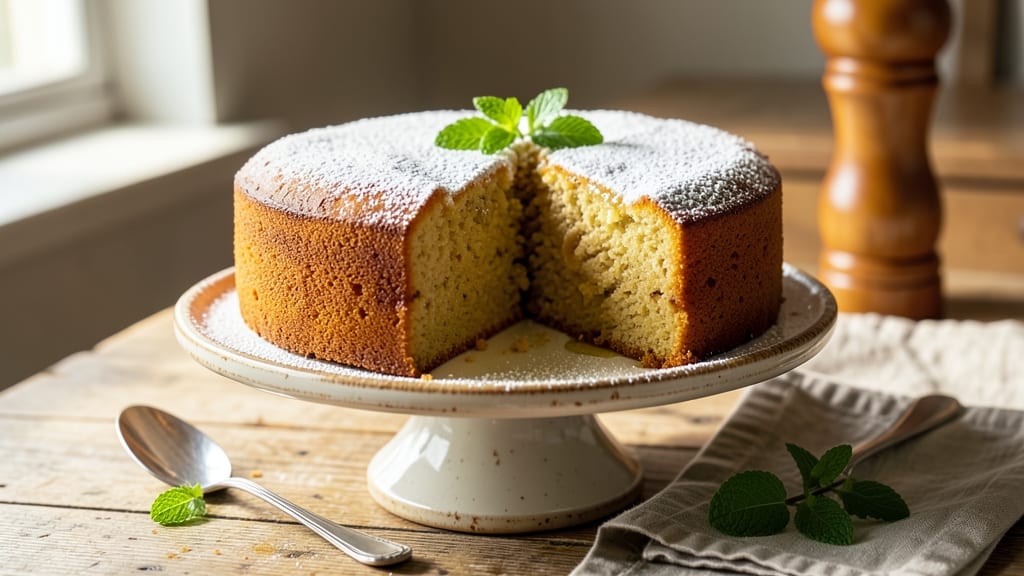
This 2-egg oil cake delivers the perfect balance—golden crisp crust and a moist vanilla heart that stays tender for days. ✨ The secret lies in the oil, which creates that signature richness without making the cake dense.
I developed this recipe after years of testing, ensuring every bite has that ideal texture and flavor. What makes this cake special is its simplicity—just 5 ingredients and 30 minutes of prep, yet it feels like a bakery masterpiece.
The oil replaces butter, making it easier to handle and yielding a cake that's both light and rich. Perfect for beginners or anyone who wants a foolproof dessert. The result is a cake with a crisp exterior and a soft, velvety interior, infused with vanilla.
It’s ideal for birthdays, brunch, or whenever you crave something sweet but not overly heavy. The oil keeps it moist without needing extra frosting, though a light glaze adds an extra touch. This recipe adapts easily—swap vanilla for almond extract, or add citrus zest for a bright twist.
Let’s bake something special!
Ingredients for 2 egg cake recipe with oil
Five simple ingredients transform into a bakery-worthy cake with crisp crust and velvety vanilla heart.
| Ingredient | Amount | Notes |
|---|---|---|
| Large Eggs 🥚 | 2 whole | Room temperature for even mixing |
| All-Purpose Flour 🌾 | 1 ½ cups | Sifted for light texture |
| Granulated Sugar 🍚 | 1 cup | White or light brown preferred |
| Extra-Virgin Olive Oil 🫒 | ¾ cup | High-quality, fruity variety |
| Pure Vanilla Extract 🌿 | 1 ½ tbsp | Bottled or seedless preferred |
| Baking Powder 🧂 | 1 ½ tsp | Diamond Crystal brand recommended |
| Salt 🧂 | ½ tsp | Fine sea salt preferred |
| Unsalted Butter 🧈 | 2 tbsp | For greasing pan only |
The extra-virgin olive oil is non-negotiable here—it delivers that signature richness while keeping the cake tender. Kirkland Signature or California Olive Ranch are excellent choices for consistent quality. Room-temperature eggs blend more smoothly, so take them out 30 minutes before baking. The flour should be sifted to avoid dense pockets, though I often skip this step for simplicity. For the vanilla, bottled extract (like Nielsen-Massey) is more flavorful than imitation, but pure vanilla beans steeped in vodka work too if you're feeling fancy.
No olive oil? Avocado oil or melted coconut oil are solid substitutes, though the flavor profile shifts slightly. Short on vanilla? Almond extract at half the amount adds depth, or a pinch of vanilla bean paste. The baking powder must be fresh—if it's over a year old, test it first (mix with water and see if it bubbles). For a citrus twist, add 1 tbsp lemon or orange zest to the batter. The butter for greasing can be swapped for oil, but butter gives that classic golden crust.
Store the cake in an airtight container at room temperature for up to 5 days, though it's best enjoyed within 2 days. For longer storage, slice and freeze portions for up to 3 months. The oil-based batter makes this cake surprisingly forgiving—it reheats beautifully in the oven at 300°F for 10 minutes to restore moisture. Wrap tightly in plastic wrap if freezing to prevent drying.
Why You'll Love This Recipe
- No-Mess Mixing: I swear by this recipe because you don’t even need a stand mixer—just a bowl and a whisk. The olive oil keeps everything silky smooth without lumps, and two eggs mean no overmixing headaches. Honestly, the batter comes together faster than I can put on a podcast.
- Vanilla-Oil Magic: That splash of vanilla extract and olive oil? It’s the secret weapon. The oil adds richness without heaviness, while the vanilla cuts through the sweetness like a whisper. My husband licks the spoon mid-stirring—no joke.
- Bakes Like a Dream: You can pull this out of the oven at 3:30 PM and have cake by 3:45. It’s dense enough to slice neatly for sandwiches but light enough to eat plain. (Yes, even on a Tuesday night when you’re craving something sweet but don’t want to wait.)
- Budget-Friendly Indulgence: Two eggs stretch further than you’d think, and olive oil is cheaper than butter for this. I make a full batch, slice it into squares, and keep them in the fridge—perfect for breakfast toast or a quick dessert when company drops by. No waste, all win.
Step-by-step instructions for golden crisp oil cake
Here's the precise method for a cake with a crackly golden crust and perfectly moist interior.
👨🍳 Step 1: Prepare the Pan and Mix Wet Ingredients
Preheat your oven to 350°F and generously grease an 8-inch round cake pan with the 2 tablespoons unsalted butter, using a paper towel to wipe away any excess. I like to rub the butter on the sides and bottom, then dust with a light coating of flour, tapping out the excess—this prevents sticking without making the cake dry.
In a large mixing bowl, combine the 2 whole large eggs and 1 cup granulated sugar. Using a hand mixer or stand mixer fitted with the whisk attachment, beat on medium-high speed for 3-4 minutes until the mixture is pale, thick, and nearly tripled in volume. You'll see ribbons form when you lift the whisk—this indicates proper aeration for that signature light texture.
👨🍳 Step 2: Incorporate Oil and Vanilla
With the mixer running on low speed, gradually add the 0.75 cup extra-virgin olive oil in a slow, steady stream. The oil should blend smoothly into the egg mixture without breaking the air bubbles you've created. After it's fully incorporated, add the 1.5 tablespoons pure vanilla extract and mix for another 30 seconds to fully combine.
Here's the thing—olive oil is denser than butter, so we're relying on proper mixing to create that tender crumb. If you see the mixture separating, simply mix on low speed for another 10 seconds to re-emulsify. The goal is a smooth, homogeneous batter that's thick but still pourable.
👨🍳 Step 3: Gently Fold in Dry Ingredients
In a separate bowl, whisk together the 1.5 cups all-purpose flour, 1.5 teaspoons baking powder, and 0.5 teaspoon salt. Sift the mixture directly into the wet ingredients, then using a spatula, gently fold just until combined. I like to use the "J" technique—cut through the center, fold over, and repeat—this prevents overmixing which develops gluten and makes the cake tough.
Fold only until you see no more flour streaks remaining—typically 10-12 strokes. The batter should be thick but still able to hold its shape when you lift the spatula. If it looks too stiff, you've overmixed; if it's too loose, gently fold in another 1-2 tablespoons of flour until it reaches the proper consistency.
🔥 Step 4: Bake to Golden Perfection
Pour the batter into the prepared pan and smooth the top with a spatula. Bake in the preheated oven for 30-35 minutes, or until a toothpick inserted in the center comes out clean with just a few moist crumbs clinging to it. The edges should be deep golden brown while the center remains slightly springy to the touch.
I know it's tempting to open the oven early, but resist! The cake needs that full baking time to develop its crisp crust. If the top browns too quickly, tent the pan with aluminum foil after 20 minutes to prevent over-browning while allowing the center to finish baking.
⏰ Step 5: Cool and Serve Properly
Remove the cake from the oven and let it cool in the pan for 10 minutes before transferring to a wire rack to cool completely. This gradual cooling prevents cracking. The cake will sink slightly as it cools—that's normal and actually enhances the moist texture.
For the best texture, serve the cake at room temperature. The contrast between the crisp golden crust and the tender vanilla-infused interior is what makes this recipe special. Slice with a sharp serrated knife for clean cuts, and enjoy within 2-3 days for optimal freshness.
Pro Tips For Making 2 Egg Cake Recipe With Oil
- Whisk Eggs Until Ribbon Stage: I learned this the hard way—under-whisked eggs mean a dense, gummy cake. Beat the eggs and sugar until the mixture falls in a slow ribbon when the whisk is lifted (about 3-5 minutes). That’s the difference between a light, airy crumb and something that feels like a hockey puck.
- Use Room-Temp Olive Oil: Cold olive oil won’t emulsify properly, leading to a greasy mess. Let that bottle sit out for 20-30 minutes before measuring—just enough to warm it to touch, not hot. Your cake’s texture will thank you, especially if you’re using extra-virgin (which separates easier).
- Don’t Overmix the Batter: After folding in the flour, stop as soon as it’s just combined. I used to think more mixing = better binding, but no—you’ll end up with a tough, dry cake. Two or three gentle turns with a spatula is all you need. The batter should look like thick pancake batter, not a gluey paste.
- Bake in Two Stages: Preheat the oven to 350°F (175°C), then bake the cake for 10 minutes. Drop the temp to 325°F (165°C) for the remaining 20-25 minutes. The high start sets the edges, while the lower temp ensures the center cooks through without burning. Yes, it’s an extra step—but your cake won’t crack or dry out.
Flavor customization for this dish
Citrus Zing Twist
Brighten the vanilla with 1 tbsp lemon or orange zest added to the wet ingredients. The citrus oils infuse beautifully with the olive oil, creating a refreshing contrast to the rich cake.
For extra punch, add 1 tbsp fresh lemon juice after mixing—it balances the sweetness while keeping the texture moist. 🍊
Spiced Chai Version
Swap the vanilla for 1 tsp chai spice blend (equal parts cinnamon, cardamom, ginger, and cloves) mixed with the dry ingredients. The warm spices complement the oil's richness perfectly.
For depth, add ½ tsp ground nutmeg to the batter—it enhances the cake's complexity without overpowering. Store-bought chai spice works, but homemade blends taste even better.
Chocolate-Dipped Luxury
After baking, let the cake cool completely, then dip the bottom half in melted dark chocolate (at least 60% cocoa). Spread a thin layer of chocolate on parchment paper, place the cake base-side down, and press gently.
Lift and let set for 10 minutes before serving. The chocolate adds a decadent contrast to the vanilla oil cake. Use Ghirardelli 72% Dark for a perfect balance of richness and bitterness.
Coconut Oil Upgrade
Replace half the olive oil with melted coconut oil (about 0.375 cup) for a subtly tropical flavor. The coconut adds a delicate sweetness that pairs beautifully with vanilla. For best results, use virgin coconut oil—it has a cleaner taste than refined.
This variation works especially well with a light coconut glaze (powdered sugar + coconut milk) drizzled on top. 🥥
Almond Extract Depth
Replace the vanilla with 1 tsp almond extract (half the amount of vanilla) for a nutty, sophisticated flavor. The almond enhances the oil's richness while adding a sophisticated depth. For extra texture, fold in ¼ cup toasted sliced almonds into the batter before baking.
They add crunch and a beautiful visual contrast to the smooth cake. Toast the almonds in a dry pan over medium heat for 3-4 minutes until golden.
Espresso Boost
Add 1 tsp instant espresso powder to the dry ingredients for a subtle coffee note that cuts through the richness. The espresso enhances the vanilla flavor while adding complexity. This variation is perfect if you love mocha-flavored desserts.
For an extra boost, add ½ tsp vanilla bean paste alongside the extract—it adds both flavor and beautiful flecks of vanilla. The coffee flavor won't overpower but will create a sophisticated balance. ☕
Nutrition facts
Frequently asked questions
Can I use other oils besides olive oil in this recipe?
Yes! While extra-virgin olive oil gives the best flavor, you can substitute with avocado oil or melted coconut oil (virgin preferred). For a neutral option, use vegetable or canola oil. Just note that coconut oil adds a subtle sweetness, while neutral oils won't impart any distinct flavor. The texture remains the same as long as the oil is at room temperature when mixing.
Why does my cake sink in the middle after baking?
This happens when the cake overbakes or cools too quickly. Always check for doneness with a toothpick at 30-35 minutes—it should come out with moist crumbs, not completely clean. Let the cake cool in the pan for 10 minutes before transferring to prevent sudden temperature changes. If it sinks during cooling, that's normal and actually enhances the moist texture!
How can I make this cake gluten-free?
Replace the all-purpose flour with a 1:1 gluten-free baking flour blend (like Bob's Red Mill or King Arthur). Add ½ teaspoon xanthan gum to help bind the batter. For best results, increase the baking powder to 2 teaspoons since gluten-free flours often need extra leavening. The texture will be slightly denser but still moist.
Can I bake this cake in a different pan size?
Yes, but adjust the baking time. For a 9-inch round pan, reduce time to 25-30 minutes, while a 6-inch pan may need 35-40 minutes. The key is to bake until the edges are golden and a toothpick comes out clean. Always grease your pan well—this cake has a crisp crust that can stick if the pan isn't properly prepared.