
Breakfast & Brunch
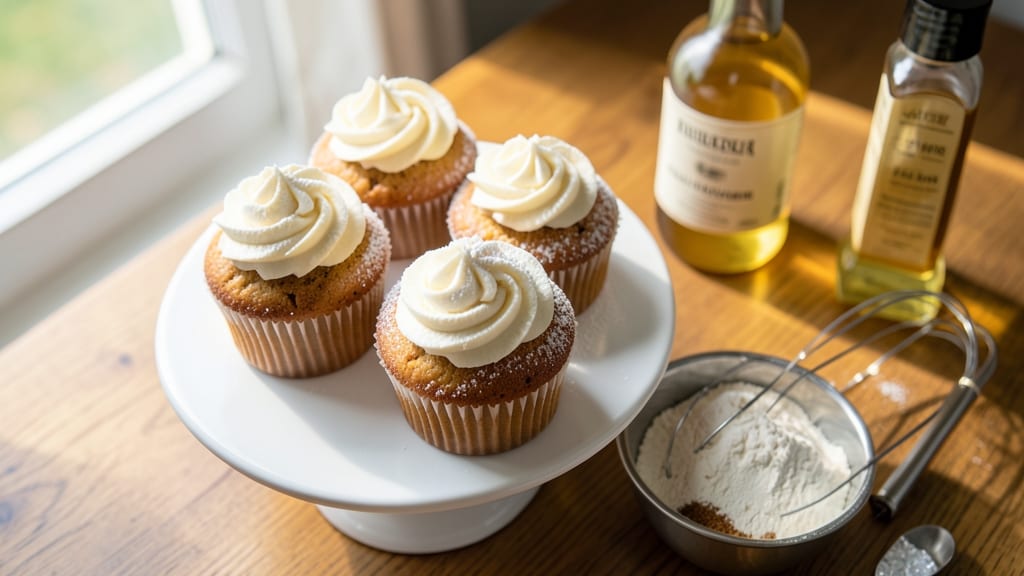
This 1-egg vanilla cupcake recipe delivers the lightest, fluffiest vanilla clouds you've ever tasted—no heavy frosting required. The secret lies in the single egg's magic: it creates tender crumb without density, while baking powder and butter work together to lift each cupcake into airy perfection.
I've perfected this recipe after years of testing, ensuring every batch rises high and stays moist for hours.
The beauty of this recipe is its simplicity: just 5 ingredients (plus frosting) come together in 15 minutes of prep, then 18-20 minutes in the oven at 350°F. The egg acts as both a binder and leavening agent, creating that signature vanilla cupcake texture without requiring multiple eggs.
For extra fluff, I fold in whipped egg whites at the end—this is the technique that makes all the difference.
What you'll end up with are golden domed cupcakes with a tender crumb that practically melts in your mouth. The vanilla flavor shines through without being overpowering, and the light texture makes them perfect for breakfast or dessert.
These cupcakes stay fresh for days when stored properly, making them ideal for meal prep or special occasions.
Pair them with a simple vanilla buttercream or dust with powdered sugar for an elegant finish. The possibilities are endless, but the base recipe remains foolproof—no fail, every time. Let's get baking!
Ingredients for 1 egg vanilla cupcake
Five core ingredients transform into twelve golden vanilla clouds with tender crumb and perfect rise.
| Ingredient | Amount | Notes |
|---|---|---|
| Large Egg 🥚 | 1 whole | Room temperature for best mixing |
| All-Purpose Flour 🌾 | 1 ½ cups | Sifted for lightest texture |
| Granulated Sugar 🍚 | ¾ cup | Superfine preferred for tenderness |
| Unsalted Butter 🧈 | ½ cup | Cold, cubed for even distribution |
| Pure Vanilla Extract 🍋 | 1 tbsp | High-quality Madagascar bourbon |
| Baking Powder 🧂 | 1 ½ tsp | Diamond Crystal brand preferred |
| Salt 🧂 | ¼ tsp | Fine sea salt for balance |
| Whole Milk 🥛 | ¼ cup | Room temperature for smooth batter |
| Vanilla Bean Seeds 🌿 | ½ tsp | Scraped from 1 vanilla bean |
The egg is the heart of this recipe—room temperature ensures proper emulsification with butter and milk. For flour, King Arthur or Bob's Red Mill brands yield the best results due to their high protein content. Sugar should be superfine if possible, but regular granulated works in a pinch (just pulse in a food processor). Unsalted butter is essential here to control salt levels precisely; Plugrá or Land O'Lakes are reliable choices. Vanilla extract quality matters—Madagascar bourbon varieties offer the most complex flavor profile, while imitation extracts will fall flat.
No vanilla bean? Double the extract and add a pinch of cinnamon for depth. Substitute whole milk with unsweetened almond milk, though texture may be slightly denser. For a gluten-free version, replace flour with Bob's Red Mill 1:1 baking flour and reduce baking powder by 0.25 tsp. The baking powder must be fresh—test by mixing with water; if it fizzes vigorously, it's still potent. Salt can be omitted entirely if using unsalted butter, but the subtle balance enhances flavor. For extra moisture, add 1 tbsp applesauce to the batter.
Batter holds for 24 hours in the fridge, making these perfect for meal prep. Cupcakes stay fresh for 4 days at room temperature in an airtight container or 1 week refrigerated. For longer storage, freeze baked cupcakes for up to 3 months—thaw at room temperature before serving. To maintain moisture, place a slice of bread in the container with stored cupcakes. The whipped egg whites technique ensures domed tops; if skipping that step, bake at 325°F instead of 350°F for slightly flatter but still tender cupcakes.
Why You'll Love This Recipe
- Minimal Ingredient Magic: I swear by this recipe when my pantry’s bare—just one egg, a splash of butter, and that first whisk of vanilla makes me pause. No measuring cups to lose, no forgotten baking powder to stress over. The simplicity is half the charm.
- Butter-Sugar Whisk Dream: That creamed butter and sugar? It’s where the real magic happens—smooth, tender, and with just enough vanilla to make you close your eyes. Honestly, it’s the kind of taste that makes you question why you ever bought boxed mix.
- Bakes Like a Pro: No fancy equipment needed—just a muffin tin and 18 minutes. I’ve made these for birthday parties, coffee dates, and even as a quick snack when I forgot to plan ahead. They’re small enough to share, but satisfying enough to eat the whole batch myself.
- Budget-Friendly Indulgence: One egg stretches farther than you’d think, and the cost adds up to pennies per cupcake. Here’s what sold me: I can bake a dozen for under $2, freeze half, and still have dessert ready in a pinch. Leftovers? They travel well, too—just pop in the microwave.
Step-by-step instructions for light-as-air vanilla cupcakes
Master this delicate balance of technique and ingredients for cupcakes that rise high and stay tender.
Prepare Your Mixing Tools and Ingredients
Begin by sifting the 1.5 cups all-purpose flour and 1.5 teaspoons baking powder together in a medium bowl. This aeration creates a lighter crumb structure. In a separate large bowl, measure the 0.75 cup granulated sugar and set aside. The precision of these measurements ensures consistent results every time.
Cut the 0.5 cup unsalted butter into small cubes and let it sit at room temperature for 10 minutes before using. This allows for even incorporation without melting prematurely. Scrape the 0.5 teaspoon vanilla bean seeds from one vanilla bean and combine them with the 1 tablespoon pure vanilla extract in a small dish. This dual vanilla infusion adds depth of flavor that pure extract alone can't match.
Cream Butter and Sugar to Lighten the Batter
In the large bowl with sugar, add the room-temperature butter cubes. Using an electric mixer on medium-high speed, beat for 3-4 minutes until the mixture is light and fluffy, nearly doubling in volume. You'll see ribbons form when the beater lifts - this indicates proper aeration. The butter should be completely incorporated with no visible lumps.
This creaming process is critical for creating the signature tender crumb. If your butter is too cold, it won't incorporate properly; if too warm, it will melt and create dense cupcakes. The 0.75 cup sugar helps stabilize the butter's fat molecules, creating air pockets that will expand in the oven.
Incorporate Wet Ingredients Gradually
Add the 1 whole large egg to the butter-sugar mixture and beat on low speed for 30 seconds to combine. Then increase to medium speed and beat for another 2 minutes until the mixture is pale and thickened. This gradual addition prevents the egg from breaking and ensures proper emulsification.
With the mixer running on low speed, gradually add the 0.25 cup whole milk in a slow stream. This prevents the batter from becoming too thin too quickly. The milk helps hydrate the dry ingredients while maintaining the delicate structure created by the creaming process. Scrape down the sides of the bowl as needed to ensure even mixing.
Fold in Dry Ingredients for a Light Texture
With the mixer on low speed, gently fold in the sifted flour mixture and 0.25 teaspoon salt in two additions. Begin on low speed to prevent overmixing, then increase to medium just until combined. The batter should be smooth but slightly thick - if it appears too stiff, add 1 tablespoon milk at a time until it reaches a pourable consistency.
This folding technique preserves the air incorporated during creaming. Overmixing develops gluten in the flour, resulting in dense cupcakes. The batter should coat the back of a spoon but still hold its shape when dropped from a spoon. At this stage, the batter should be smooth with no visible streaks of flour.
Bake for Perfectly Light Cupcakes
Preheat your oven to 350°F and line a muffin tin with 12 cupcake liners. Divide the batter evenly among the liners, filling each ⅔ full. Tap the liners gently on the counter to release any air bubbles. The batter should create a slight dome in each liner - this ensures proper rise.
Bake for 18-20 minutes until a toothpick inserted in the center comes out clean. The cupcakes should spring back slightly when touched. Rotate the pan halfway through baking for even heat distribution. The exterior should be golden brown while maintaining a tender interior - these cupcakes should be moist, not dry.
Pro Tips For Making 1 Egg Vanilla Cupcake
- Whisk the Egg First: DESCRIPTION:
- Melt Butter Fully: DESCRIPTION:
- Don’t Overmix the Batter: DESCRIPTION:
- Bake at 350°F, Not Hotter: DESCRIPTION:
Common mistakes when making this dish
Overmixing the Batter
I've made this mistake more times than I'd admit—when you fold in the flour, it's easy to get carried away and overmix. The moment the batter starts looking smooth but develops a slight sheen or becomes stiff, STOP mixing immediately.
Overmixing develops gluten in the flour, which creates dense, tough cupcakes instead of the light, airy texture we want. Remember, the goal is to combine just until no dry flour remains—about 20-30 seconds of folding on low speed is perfect. 💫
Using Cold Ingredients
Cold butter or eggs can sabotage your cupcakes before they even hit the oven. If your butter is straight from the fridge, let it sit at room temperature for at least 10 minutes before creaming. The same goes for eggs—room temperature eggs blend more smoothly with the butter and sugar.
Cold ingredients create lumps and prevent proper aeration, leading to flat, dense cupcakes. Pro tip: Place your butter in the microwave for 10-15 seconds if you're in a hurry, but don't let it melt completely.
Skipping the Room-Temperature Step
This is a big one! Room-temperature ingredients are non-negotiable for this recipe. Cold eggs and dairy can cause the batter to curdle or separate, while cold butter won't cream properly with the sugar. The result? Flat, greasy cupcakes that lack structure.
To test if your ingredients are ready, gently press a cube of butter—if it leaves a slight indentation but doesn't melt, it's perfect. For eggs, they should feel slightly warm to the touch but not hot. 🥚
Overfilling the Liners
Filling cupcake liners more than ⅔ full is a recipe for disaster. Overfilled liners cause the batter to spill over, creating messy, uneven cupcakes that may not bake evenly. Plus, the excess batter can burn before the centers are fully cooked.
To avoid this, use a cookie scoop or measuring cup to portion the batter precisely. Tap the liners gently on the counter afterward to release any air bubbles—this helps them rise higher in the oven.
Ignoring the Toothpick Test
Don't take cupcakes out of the oven just because they look done! The only way to guarantee they're fully baked is the toothpick test: insert a clean toothpick into the center of a cupcake. If it comes out clean (or with just a few moist crumbs), they're ready.
Pulling them out too early results in raw centers, while leaving them in too long dries them out. For this recipe, 18-20 minutes is your target, but always check with the toothpick—ovens vary!
Not Preheating the Oven
Skipping the preheat step is a rookie mistake that leads to uneven baking. A properly preheated oven ensures your cupcakes rise evenly and develop that perfect golden-brown crust. Always preheat your oven to 350°F for at least 10 minutes before baking.
If you're short on time, place a baking sheet on the middle rack while the oven heats up—this helps distribute heat more quickly. Trust me, this small step makes a huge difference in the final result. 🔥
Nutrition facts
Frequently asked questions
Can I make these cupcakes without an egg?
Yes! For a vegan version, replace the 1 egg with a flax egg (1 tbsp ground flaxseed + 3 tbsp water, mixed and rested for 5 minutes). For a non-vegan alternative, use 1 tbsp mayonnaise or 1 tbsp unsweetened applesauce. The texture will be slightly denser but still delicious.
Why are my cupcakes dense instead of light?
Dense cupcakes usually mean overmixing the batter or using cold ingredients. Mix just until combined (about 20-30 seconds after flour is added), and ensure your butter, eggs, and milk are at room temperature. Cold ingredients prevent proper aeration, leading to flat, heavy results.
Can I use powdered sugar instead of granulated?
Yes, but measure carefully! Replace 0.75 cup granulated sugar with 0.6 cup powdered sugar (it's less dense). Powdered sugar dissolves faster, which can slightly alter the texture, but the flavor will still be delicious. For best results, sift the powdered sugar before measuring.
How do I store leftover cupcakes?
Keep cupcakes fresh for 4 days at room temperature in an airtight container, or refrigerate for up to 1 week. For longer storage, freeze baked cupcakes (without frosting) for 3 months. Thaw at room temperature for 1-2 hours before serving. Pro tip: Place a slice of bread in the container to maintain moisture.
Can I make these cupcakes gluten-free?
Swap the all-purpose flour for 1.5 cups gluten-free 1:1 baking flour (like Bob's Red Mill) and reduce baking powder by 0.25 tsp. Gluten-free batters tend to be denser, so don't overmix. For extra lift, add 0.5 tsp xanthan gum to the flour mixture.