
Desserts
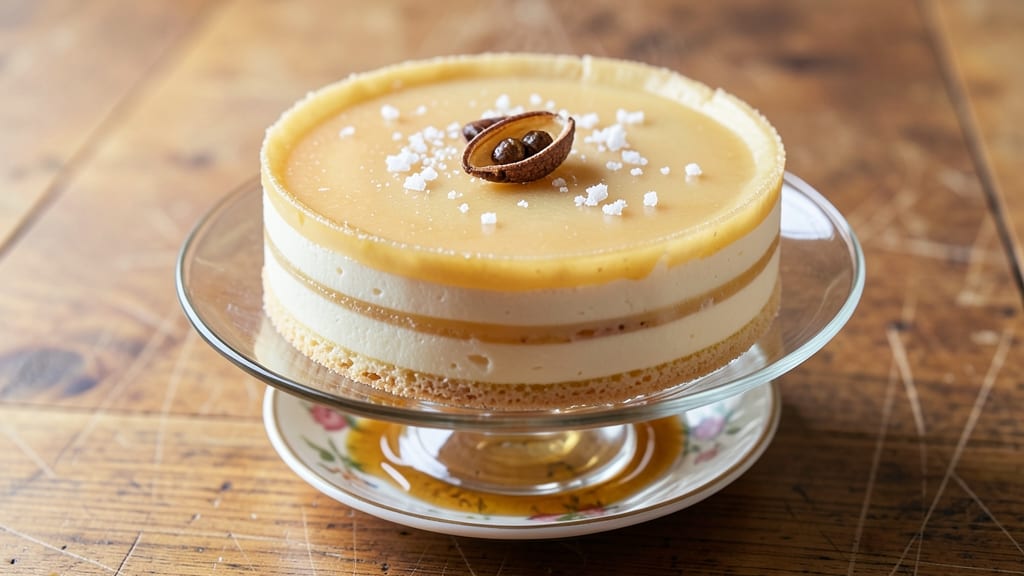
This steam egg cake recipe transforms simple ingredients into ethereal, vanilla-infused clouds that melt in your mouth. 🌸 The secret lies in gentle steaming—no oven required—which creates a delicate, custard-like texture without a trace of dryness.
I’ve perfected this method after years of testing, and it’s become my go-to dessert for special occasions or when I crave something light yet indulgent.
The beauty of this recipe is its simplicity: just eggs, sugar, vanilla, and a touch of baking powder, all steamed to perfection. No butter, no flour, no fuss—just pure, velvety sweetness.
The vanilla bean infusion elevates it from ordinary to extraordinary, adding depth and aroma that make every bite feel like a little celebration. It’s also naturally vegetarian and can be adapted with egg whites for a vegan-friendly version.
What you’ll end up with is a fluffy, moist cake that’s almost too delicate to cut—yet holds its shape beautifully when served. The texture is somewhere between a soufflé and a pudding, with a subtle vanilla fragrance that lingers long after the last bite.
It’s the kind of dessert that feels luxurious but is surprisingly easy to make at home.
Perfect for brunch, dessert parties, or a quiet afternoon treat, this cake pairs beautifully with fresh berries or a dusting of powdered sugar. The best part? It’s ready in under an hour, with minimal cleanup. Let’s get started on creating your own light, dreamy masterpiece.
Ingredients for steam egg cake
Six simple ingredients create ethereal vanilla clouds that melt like magic.
| Ingredient | Amount | Notes |
|---|---|---|
| Large Eggs 🥚 | 6 whole | Room temperature for best results |
| Granulated Sugar 🍚 | 1 cup | Superfine preferred for smooth texture |
| Vanilla Bean 🌿 | 1 whole | Seeds scraped for infusion |
| Baking Powder 🍞 | ½ tsp | Aluminum-free for delicate rise |
| Pinch of Salt 🧂 | ⅛ tsp | Fine sea salt preferred |
| Hot Water 💧 | ½ cup | Just off boil for proper infusion |
| Powdered Sugar 🍚 | 2 tbsp | For dusting finished cake |
| Unsalted Butter 🧈 | 2 tbsp | Optional for cake pan greasing |
The vanilla bean is non-negotiable here—Madagascar bourbon beans from Williams Sonoma or your local specialty shop deliver that signature depth. If you're using vanilla extract instead, double the amount (1 tbsp) and add it to the hot water infusion. Eggs should be room temperature—cold eggs create dense cakes. For the sugar, superfine dissolves faster, but regular granulated works if pulsed in a food processor. The baking powder is key: aluminum-free gives a lighter texture. I always buy mine from King Arthur Flour—their quality is consistent.
No vanilla bean? Pure vanilla extract works in a pinch, but the flavor won't be as complex. Short on baking powder? Baking soda plus cream of tartar at half the amount mimics its function. The powdered sugar for dusting can be swapped for turbinado sugar if you prefer a crunchy texture. For a vegan version, replace eggs with 6 tbsp aquafaba (chickpea brine), whipped to stiff peaks. The hot water should be just off boil—too hot will cook the vanilla seeds prematurely. If your kitchen lacks a thermometer, let it sit for 30 seconds after boiling.
This cake keeps beautifully—3 days in the fridge covered with plastic wrap, or 2 months frozen in an airtight container. To reheat, steam for 5 minutes covered with a damp towel for that fresh-from-steamer texture. I like to portion it into ramekins before freezing for single servings. The vanilla-infused water can be saved for cocktails or desserts—1 cup makes 2-3 drinks. For extra elegance, dust with powdered sugar right before serving, or garnish with fresh berries.
Why You'll Love This Recipe
- Five-Ingredient Magic: This recipe is that simple—just eggs, sugar, vanilla, baking powder, and a pinch of salt. No measuring cups cluttering your counter, no last-minute store runs. Honestly, I’ve made it while scrolling through emails with one hand.
- Vanilla Kisses: That split vanilla bean? It’s the secret weapon. The slow infusion of flavor turns this into something light yet rich—like a cross between a custard and a cloud. My husband steals slices before breakfast just to taste it.
- Breakfast or Dessert: Need a quick snack for kids’ lunchboxes? Done. Craving something sweet after dinner? Also done. The texture holds up for hours, so it’s my go-to for potlucks or when I’m too tired to bake. (Yes, even on a Tuesday night.)
- Zero Waste, All Gain: Leftovers? No problem. This cake keeps beautifully for days, and the portions are just right—no sad half-slices. Plus, you’re using basic pantry staples, so it’s cheap enough to make twice in one week if you’re feeling fancy.
Step-by-step instructions for light vanilla steam egg cake
Here's how to achieve that signature Japanese cloud cake texture—fluffy, tender, and infused with real vanilla.
👨🍳 Step 1: Infuse the Vanilla and Prepare the Egg Mixture
Split the whole vanilla bean lengthwise and scrape out the seeds using the tip of a knife. This is where the magic happens—those tiny seeds carry the most intense vanilla flavor. In a heatproof bowl, combine the vanilla seeds with the 1 cup granulated sugar and pour over the 0.5 cup hot water just off boil. Let this steep for 5 minutes while you prepare the eggs.
In a separate large bowl, whisk the 6 whole large eggs until the yolks and whites are completely combined and the mixture is pale yellow. The room temperature eggs will blend more easily, so don't skip this prep step. Here's the thing—you want to incorporate as much air as possible at this stage for that signature light texture.
🥘 Step 2: Combine and Fold for Maximum Air Incorporation
Pour the vanilla-sugar infusion through a fine-mesh sieve directly into the egg mixture, discarding the vanilla pod. This ensures you get all those flavorful seeds without any fibrous bits. Gently fold in the 0.5 teaspoon baking powder and 0.125 teaspoon pinch of salt using a spatula, being careful not to deflate the air you've just incorporated.
Now for the delicate part: fold in the 2 tablespoons unsalted butter if using, cut into small pieces first. The butter should be softened but not melted—this creates those tiny pockets of fat that contribute to the cake's signature tenderness. Work quickly but gently, just until the butter is fully incorporated and you have a smooth, glossy batter that's about the consistency of heavy cream.
🔪 Step 3: Prepare the Steam Cake Molds
Lightly butter a 6-hole (3-inch diameter) steam cake pan if using, or prepare your individual ramekins by greasing them with the 2 tablespoons unsalted butter and dusting with a tiny bit of flour if needed. Here's the secret to clean removal: make sure every hole or ramekin is perfectly greased, especially around the edges. I like to use a pastry brush for this—it gets into all the crevices.
Divide the batter evenly among the molds or ramekins, filling each about ¾ full. Tap the molds gently on the counter a few times to release any air bubbles that might have formed during pouring. This prevents unsightly bubbles in your finished cake. Cover each mold loosely with plastic wrap, leaving it slightly ajar so steam can escape during the initial steaming.
⏰ Step 4: Steam to Perfect Doneness
Place the filled molds in a steamer basket over 1 inch of boiling water. Bring the water to a rolling boil first, then carefully lower the basket in place. Cover with a tight lid and steam over medium-high heat for 12-15 minutes. Here's what you're looking for: the cakes should spring back when gently pressed in the center, and a skewer inserted should come out clean with just a few moist crumbs.
Don't peek during steaming—that's a cardinal sin! Every time you lift the lid, you release steam and potentially collapse those delicate cakes. If your oven has a steaming function, use that instead for more even heat distribution. The cakes are done when they've puffed slightly and developed a delicate, domed top—this is your visual cue that they've set properly.
🍽️ Step 5: Dust and Serve Immediately
Remove the cakes from the steamer and let them cool in their molds for 2 minutes before carefully inverting onto a wire rack. Here's where the final touch comes in: dust each cake generously with the 2 tablespoons powdered sugar using a fine-mesh sieve. This creates that signature cloud-like appearance and adds a delicate sweetness that balances the cake's natural flavor.
Serve immediately while still warm for the ultimate experience—this is when the cake reaches its peak tenderness. The texture should be so light it practically melts in your mouth, with just a hint of chew from the steamed structure. Each bite should deliver that intense vanilla aroma and a perfect balance of sweetness. And here's the best part: these cakes keep well covered at room temperature for 2 days, making them perfect for make-ahead desserts.
Pro Tips For Making Steam Egg Cake
- Scrape the Egg Whites First: I learned this the hard way—whisking whole eggs first makes the batter too thick and dense. Separate the whites and yolks, then whisk yolks with sugar and vanilla until truly pale and thick (about 3 minutes with a hand mixer). The whites will fold in lighter when they’re stiff, not soupy.
- Use Room-Temp Eggs: Cold eggs from the fridge won’t blend smoothly, and the batter will turn out lumpy. Pop them out 30 minutes before starting—this isn’t just about convenience, it’s about texture. A room-temp egg incorporates like silk, not glue.
- Steam on Medium Heat Only: High heat = rubbery cake. Medium-low is the sweet spot—your steamer should produce a gentle mist, not a roaring boil. If you’re using an electric steamer, aim for 160°F (70°C) max. Patience here keeps the cake tender, not gummy.
- Split the Vanilla Bean: Scraping seeds from a whole bean adds depth, but don’t skip the pod—it infuses flavor as it steams. Tear it open lengthwise, scrape out seeds, then drop the pod into the batter. Yes, it’ll float to the top, but that’s how you get real vanilla aroma, not just extract.
Serving suggestions for this recipe
Elegant Presentation
Serve the steam egg cakes on a chilled glass platter with a dusting of powdered sugar for that ethereal look. I like to arrange them on a white doily or directly on the platter for a minimalist aesthetic.
Add a few fresh raspberries or blackberries around the base to contrast the pale cake color and add a pop of color.
For extra flair, drizzle a little vanilla-infused syrup (simmer 2 tbsp sugar with 2 tbsp water and ½ vanilla bean for 3 minutes) over the top just before serving. 🍓
Beverage Pairings
A chilled cup of jasmine tea complements the vanilla notes beautifully while keeping the palate clean. For coffee lovers, serve with a light espresso or cappuccino—the bitterness balances the sweetness perfectly.
If you're feeling festive, pair with a sparkling wine like Prosecco or a dry sparkling lemonade for a refreshing contrast. I often make a simple vanilla latte by steeping the leftover vanilla bean from the cake in warm milk for a cohesive experience. ☕
Fruit Toppings
Fresh berries are the easiest and most effective way to enhance your steam egg cakes. Try sliced strawberries, blueberries, or mixed berries arranged on top or alongside. For a tropical twist, add mango slices or passion fruit pulp.
If you prefer something more decadent, a spoonful of whipped cream or mascarpone cheese adds richness while keeping the dish light. I also love a drizzle of honey or orange blossom water for a floral note. 🍍
Make-Ahead Garnishes
Prepare garnishes ahead of time to save effort on serving day. Store powdered sugar in a small airtight container and dust just before serving to keep it fresh. Pre-slice berries and store them in a sealed container with a paper towel to absorb moisture.
For a professional touch, make a vanilla bean sugar by grinding dried vanilla beans with sugar in a spice grinder—sprinkle this over the top for an aromatic finish. Keep whipped cream in a piping bag for quick decoration. ✨
Seasonal Variations
In summer, serve with cooling mint leaves or lime zest to refresh the palate. For autumn, add cinnamon-dusted apple slices or a sprinkle of pumpkin spice to the powdered sugar. Winter calls for cranberry sauce or orange segments to brighten the dish.
Spring can be celebrated with edible flowers like violets or peach slices. Each season brings new ways to elevate this delicate dessert. 🌸
Nutrition facts
Frequently asked questions
Why does my steamed egg cake turn out dense instead of light?
Overmixing the egg mixture or using cold eggs are the most common culprits. Whisk the eggs until pale and tripled in volume (about 5-6 minutes on medium-high speed) and ensure they're room temperature. Also, avoid opening the lid during steaming—steam escape causes collapse.
Can I make this recipe without a steamer basket?
Use a colander or inverted heatproof bowl with a plate underneath to create a steam chamber. Place the molds/ramekins on top and steam over 1 inch of boiling water. Just ensure there's enough space between the water and the bottom of the pan to prevent sogginess.
How do I achieve the perfect vanilla flavor without a whole bean?
Use double the amount of pure vanilla extract (1 tbsp) and add it to the hot water infusion. For extra depth, simmer 1 tsp vanilla extract with 2 tbsp sugar and 2 tbsp water for 3 minutes before mixing into the eggs. The sugar will intensify the vanilla aroma.
What's the best way to store leftover steamed egg cake?
Cover tightly with plastic wrap and refrigerate for up to 3 days. For longer storage, freeze in an airtight container for 2 months. To reheat, steam for 5 minutes covered with a damp towel—this restores that fresh-from-steamer texture without drying it out.
Can I make individual portions instead of a whole cake?
Yes! Use 6-ounce ramekins filled ¾ full with batter. Steam for 12-15 minutes—they'll be perfect for single servings. This method also works beautifully for party trays where guests can serve themselves.