
Breakfast & Brunch
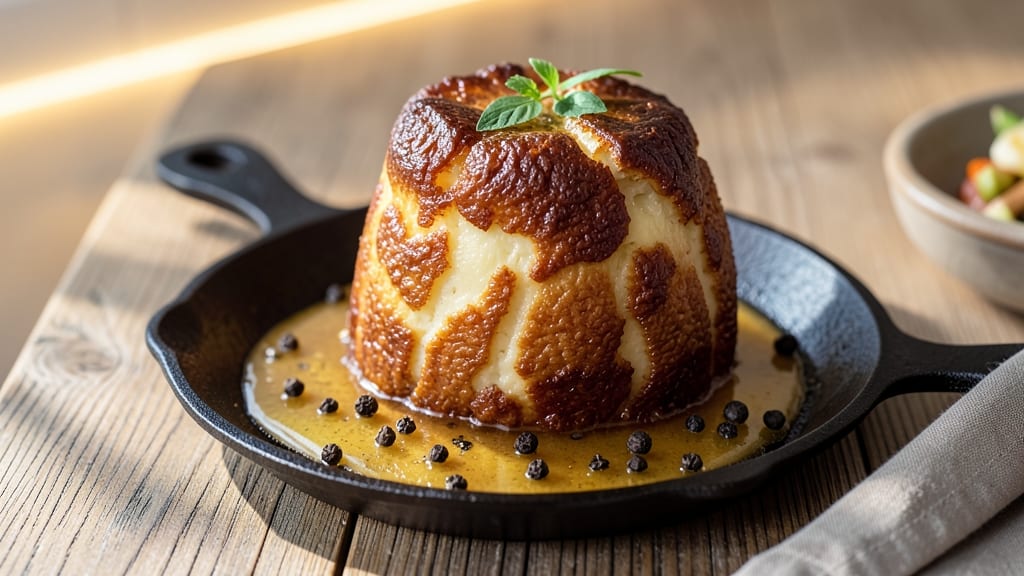
This Yorkshire pudding recipe with 1 egg delivers restaurant-quality crispy layers and a golden rise—without needing a full egg carton. 💛 The secret lies in precise batter preparation and oven technique, transforming simple ingredients into a towering, airy masterpiece that pairs perfectly with Sunday roasts or breakfast plates.
Reducing to just 1 egg changes the texture game—it creates a lighter, more delicate pudding with crispy edges that stay crisp even after baking. The key is whipping the egg vigorously to incorporate air, then letting the batter rest before pouring. This ensures maximum rise and that signature crackly exterior.
By the time you pull these from the oven, you'll have crispy, golden-brown puddings with a tender interior that's impossible to resist. The batter's airiness comes from careful whisking and hot oil in the muffin tin, creating that perfect contrast between crispy outside and soft inside.
Perfect for feeding a crowd or enjoying as a side dish, these puddings are foolproof when you follow the technique. Let's get started—your table is about to get an upgrade.
Ingredients for yorkshire pudding 1 egg
Six ingredients transform into golden, crispy Yorkshire puddings with perfect rise.
| Ingredient | Amount | Notes |
|---|---|---|
| Large Egg 🥚 | 1 whole | Room temperature for best whipping |
| All-Purpose Flour 🌾 | 1 cup | Sifted for smooth batter consistency |
| Whole Milk 🥛 | ½ cup | Room temperature preferred |
| Unsalted Butter 🧈 | ½ cup | Melted and cooled to 350°F |
| Diamond Crystal Kosher Salt 🧂 | ½ tsp | Fine grain preferred |
| Freshly Ground Black Pepper 🌶️ | ¼ tsp | Cracked peppercorns preferred |
| Vegetable Oil 🫒 | ¼ cup | High smoke point for even heating |
| Muffin Tin 🍳 | 1 whole | Non-stick preferred, 6 cups |
The egg is the star here—room temperature whips to maximum volume. Kirkland Signature or Organic Valley eggs work best for their rich yolks. Flour matters too: King Arthur or Bob's Red Mill all-purpose sifted before measuring eliminates lumps. Butter should be melted and cooled to 350°F—too hot and the batter separates. For the oil, Avocado Brand or Crill high-smoke-point oils ensure even heating without burning. Preheat your oven to 425°F with the muffin tin inside for maximum heat transfer.
No whole milk? Evaporated milk or heavy cream works in a pinch, but whole milk's fat content creates that signature crisp. Salt substitutes? Diamond Crystal kosher salt is ideal—Morton works but has larger crystals. Freshly cracked pepper adds depth without overpowering. For a dairy-free option, substitute the butter with vegan butter> and milk with unsweetened almond milk>. The muffin tin can be any size, but 6-cup tins yield perfect individual servings. Line with parchment circles if your tin lacks non-stick coating.
Batter should rest 30 minutes before pouring for optimal rise. Store leftover batter in an airtight container for 24 hours>—whisk vigorously before reheating. Puddings reheat best in a 350°F oven for 5-7 minutes> until crispy. For make-ahead convenience, bake and freeze on a wire rack. Reheat frozen puddings directly from the oven for 3-4 minutes> at 375°F>. The secret to crispy edges? Hot oil and immediate oven placement**>—never let batter sit before baking.
Why You'll Love This Recipe
- Four-Ingredient Magic: I swear, this recipe is the closest thing to a cooking hack I’ve ever used—just egg, flour, milk, and butter. No fancy ratios to stress over, no measuring cups that make you question your life choices.
- Crispy-Creamy Perfection: That golden crust with a pillowy center? It’s all thanks to the hot butter in the pan and the single egg binding everything just right. Honestly, the first time I bit into one still warm, I nearly dropped the whole tray.
- Sunday Roast Sidekick: Serve it under gravy with roast beef, or pile it high with eggs for breakfast—this pudding adapts like a champ. I’ve even used leftover pieces to top soups when I’m in a pinch. (Yes, even on a Tuesday night.)
- Pantry-Friendly Flex: You’re not scrambling for specialty ingredients here—just basics you already own. And since it’s one egg, it’s budget-friendly enough to make twice if you’re feeding a crowd or saving seconds for later. My wallet and leftovers thank me.
Step-by-step instructions for Yorkshire pudding with 1 egg
Master this classic technique for perfectly crispy, golden Yorkshire puddings every time.
👨🍳 Step 1: Whisk the Batter to Peak Lightness
In a medium mixing bowl, combine the 1 whole Large Egg (room temperature), 1 cup All-Purpose Flour (sifted), 0.5 cup Whole Milk (room temperature), 0.5 tsp Diamond Crystal Kosher Salt, and 0.25 tsp Freshly Ground Black Pepper. Whisk vigorously for 3-4 minutes until the batter becomes smooth, pale, and nearly tripled in volume.
This vigorous whisking incorporates air bubbles that create the signature crispy layers. You're aiming for a consistency similar to heavy cream—thin enough to flow but thick enough to cling. If the batter looks too thick, add 1 teaspoon more milk. For best results, let the batter rest for 15 minutes at room temperature before baking.
🔥 Step 2: Preheat and Prepare the Muffin Tin
Preheat your oven to 425°F—this high temperature is crucial for achieving that signature crispy exterior. Place the 1 whole Muffin Tin (non-stick preferred) on a baking sheet for easy transfer. Add the 0.5 cup Unsalted Butter (melted and cooled to 350°F) and the 0.25 cup Vegetable Oil to the tin, tilting to coat the bottom and sides evenly.
Here's the secret: the butter should be hot enough to sizzle when the batter hits it, but not so hot that it burns. Place the tin in the preheating oven for 10-15 minutes until the butter is smoking gently. This step creates the perfect foundation for your puddings to rise dramatically.
🍳 Step 3: Pour and Bake for Maximum Rise
Working quickly, remove the hot muffin tin from the oven and pour the rested batter evenly into each cup of the tin, filling each about ¾ full. Return the tin immediately to the oven and bake for 20-25 minutes until the puddings are deep golden brown and have risen dramatically—ideally doubling in height.
Don't peek during baking! The oven's heat creates a steam chamber that helps the puddings rise. You'll know they're done when the edges are crispy and the centers are just set. If the tops brown too quickly, tent loosely with aluminum foil after 10 minutes to prevent over-browning while allowing them to cook through.
⏰ Step 4: Rest and Serve Immediately
Remove the puddings from the oven and let them rest in the tin for 2-3 minutes before serving. This brief resting period allows the internal structure to set slightly, preventing them from collapsing when you transfer them. Serve warm, straight from the tin, with gravy or as a side to roasted meats.
For the crispiest results, serve immediately—they'll lose their crispness as they cool. If you need to reheat, place them in a 350°F oven for 3-5 minutes until warmed through. The key to success lies in the high heat and proper batter consistency—once you master these, you'll achieve restaurant-quality Yorkshire puddings every time.
Pro Tips For Making Yorkshire Pudding 1 Egg
- Preheat Pan to Smoking: Get your oven ridiculously hot—425°F (220°C) minimum, but 450°F (230°C) if you’re impatient. The butter should sizzle like a grease fire when you add it; if it’s not hissing, crank it up. Yorkshire puddings need that initial shock to rise properly, not just cook.
- Whisk Until Silky: Don’t just mix the batter—whisk the egg, milk, and flour until it’s smoother than a Sunday morning. Lumps turn to pockets of air, which means lighter, crispier puddings. I used to skip this, and my results were dense. Two minutes of elbow grease changes everything.
- Salt the Batter: Taste the batter before pouring—it should need more salt. Diamond Crystal kosher runs lighter, so use ½ teaspoon minimum (or ¾ if you’re salty like me). Skimping here means bland puddings, and no one wants that.
- Pour Quickly, Evenly: Dump the batter in one smooth motion, then swirl the pan to spread it evenly. Hesitate, and you’ll get thick lumps in some spots and paper-thin puddings in others. A quick flick of the wrist works—no need for fancy tools.
Essential equipment for yorkshire pudding 1 egg
Must-Have Muffin Tin
Your 6-cup non-stick muffin tin is the unsung hero of this recipe. I recommend Wilton's Perfect Results or Chicago Metallic Commercial tins—they handle high heat beautifully and release puddings effortlessly. If your tin lacks non-stick coating, line each cup with parchment circles cut to fit.
Never use a glass or ceramic tin—they can't withstand the 425°F temperature needed for that signature crisp. 🍳
High-Heat Oven Thermometer
A laser thermometer (like Thermoworks Thermapop) is worth its weight in gold for this recipe. Ovens run hot or cold, and Yorkshire puddings demand precise 425°F heat.
I've seen puddings fail when the oven was actually 400°F—the difference is dramatic. Calibrate your oven annually for accuracy, especially if you bake frequently.
Deep Mixing Bowl
Use a stainless steel mixing bowl (like OXO Good Grips) that's at least 8 inches deep—this gives you room to whisk vigorously without splashing. The bowl should hold all ingredients comfortably while allowing you to submerge your whisk completely.
I've tried shallow bowls and ended up with unevenly whipped batter that didn't rise properly. A balloon whisk (not wire) creates more air incorporation.
Butter Melting Tool
For perfect butter temperature, use a double boiler or microwave-safe ramekin with a candy thermometer. Melt ½ cup unsalted butter until it reaches 350°F—this is critical for that sizzle reaction when the batter hits it.
Too cool and your puddings won't rise; too hot and they'll burn. I melt butter in 10-second increments in the microwave, stirring between each, until I hit the perfect temp.
Heatproof Baking Sheet
Place your muffin tin on a heatproof baking sheet (like USA Pan Bakeware) to make transfers easier. The sheet protects your oven racks from hot tin drips and provides a stable base.
I use a half-sheet pan that fits snugly in my oven. Pro tip: Place the sheet on the middle rack where heat circulates most evenly—this ensures all puddings rise uniformly.
Timer with Alert
Set two timers: one for the 10-15 minute butter heating phase and one for the 20-25 minute baking time. I use my phone's smart timer with vibration alerts so I don't miss the critical pour-and-bake window.
The moment you remove the tin from the oven to pour batter is when the magic happens—don't be late! A backup timer (like a kitchen countdown timer) ensures you're never caught off guard. 🔥
Nutrition facts
Frequently asked questions
Why does using just 1 egg make my Yorkshire puddings less crispy?
The single egg reduces the fat and protein content that normally create structure and crispness. To compensate, whisk the batter 3-4 minutes for maximum air incorporation and ensure your butter/oil reaches 350°F for that critical sizzle reaction. The high 425°F oven temperature is even more crucial with less egg.
Can I make these ahead of time?
Fresh is best for crispness, but you can bake them 1 day ahead and reheat at 350°F for 5-7 minutes until golden. For freezing, bake completely, cool, then freeze on a wire rack. Reheat frozen puddings directly from the oven at 375°F for 3-4 minutes—they'll lose some crispness but regain warmth.
What if my batter isn't light enough after whisking?
Add 1 teaspoon more milk and whisk another 1 minute—the goal is a consistency like heavy cream. For extra lift, fold in 1 tablespoon whipped egg whites (from the yolk) after initial whisking. Never overmix or the gluten will develop, making puddings tough instead of crispy.
Can I use this recipe for savory pancakes instead?
Pour the batter into a hot, oiled skillet and cook like pancakes at medium-high heat. The single-egg version creates thinner, more delicate pancakes perfect for breakfast. For extra flavor, add 1 teaspoon garlic powder or ½ teaspoon smoked paprika to the batter.
Why did my puddings collapse after baking?
This usually happens from opening the oven too soon or not resting the batter. Let the batter rest 15 minutes before pouring, and don't peek during baking! The steam chamber needs to stay intact. If they collapse, try baking at 450°F for 15 minutes next time for faster rise.