
Breakfast & Brunch
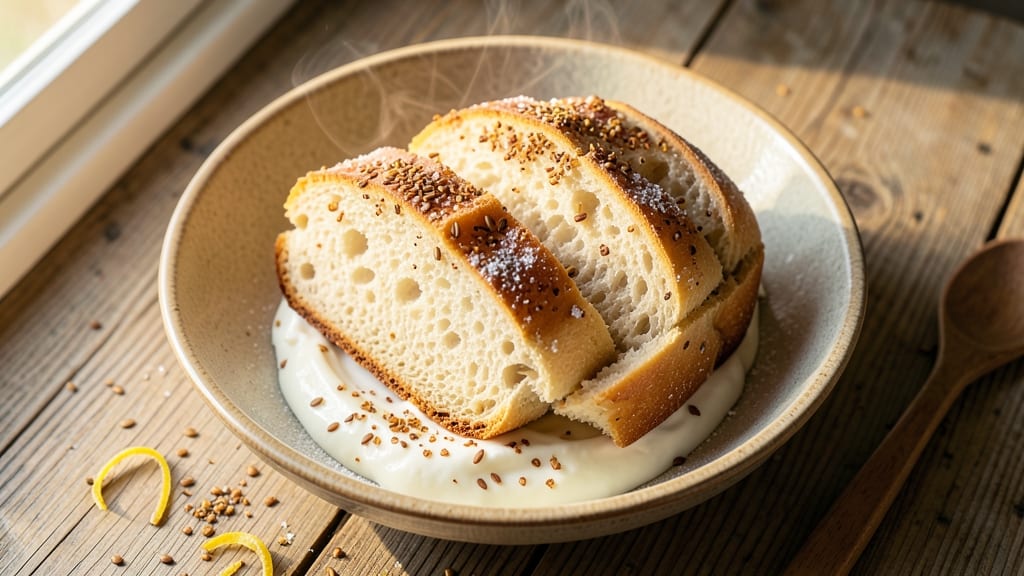
This yeast-free egg-free bread recipe delivers a surprisingly fluffy loaf without relying on traditional rising agents or eggs—just aquafaba and flaxseed for binding. After years of experimenting with vegan baking, I finally cracked the code for a bread that's light, airy, and perfect for toast or sandwiches.
The secret lies in proper mixing techniques and baking at 375°F for an even rise.
What makes this recipe work is the combination of baking powder and baking soda, which create lift similar to yeast, while aquafaba (chickpea brine) mimics egg whites for structure.
Flaxseed meal adds protein and moisture, ensuring the bread stays tender. The dough comes together in minutes, and no kneading is required—ideal for busy mornings.
By the time it emerges from the oven, you'll have a golden, crusty loaf with a soft interior that slices beautifully. The aroma alone will make your kitchen feel like a bakery. This bread freezes well for up to 3 months, making it perfect for meal prep or gifting.
Whether you're avoiding gluten, eggs, or yeast, this recipe proves you don't need traditional ingredients to bake bread that rivals the store-bought kind. Let's get started on making your first loaf!
Ingredients for yeast free egg free bread
Eight simple ingredients transform into a fluffy loaf—no yeast, no eggs, no fuss.
| Ingredient | Amount | Notes |
|---|---|---|
| All-Purpose Flour 🌾 | 3 ½ cups | Unbleached, spooned and leveled |
| Aquafaba 🥫 | ¾ cup | Fresh chickpea brine, unsweetened |
| Flaxseed Meal 🌰 | ¼ cup | Ground flaxseeds, not whole |
| Granulated Sugar 🍚 | ⅛ cup | White or organic cane sugar |
| Baking Powder 🍞 | 2 tbsp | Aluminum-free preferred |
| Baking Soda 🧂 | ½ tsp | Freshly opened |
| Salt 🧂 | 1 tsp | Fine sea salt |
| Olive Oil 🫒 | ¼ cup | Extra-virgin, cold-pressed |
| Apple Cider Vinegar 🍎 | 1 tbsp | Unfiltered preferred |
| Water 💧 | ½ cup | Room temperature |
| Sesame Seeds 🌻 | 1 tbsp | Toasted for garnish |
The flour is the foundation, so grab unbleached all-purpose—it's lighter than bread flour and gives that perfect airy texture. Bob's Red Mill or King Arthur are my go-tos for consistency. Flaxseed meal is non-negotiable here—Bob's Red Mill makes it easy to find pre-ground, but if you're grinding whole flaxseeds, do it fresh for maximum moisture retention. Aquafaba is the magic here—save the brine from canned chickpeas (or buy it online if you're in a pinch). For the vinegar, Bragg's is my favorite, but any apple cider vinegar works. The key is using fresh baking powder and soda—check the expiration dates, because old leaveners won't give you that proper rise.
No aquafaba? Silken tofu blended with water (¼ cup tofu + ¼ cup water = ½ cup substitute) works in a bind, though the texture will be slightly denser. Short on flaxseed meal? Chia seeds work at the same ratio, but soak them first. The vinegar can be swapped for lemon juice if that's what you've got. For the oil, avocado oil has a higher smoke point and works just as well. Pro tip: Measure your flour by spooning it into the cup and leveling with a knife—don't scoop directly from the bag or you'll pack it too tightly. The sesame seeds are optional but add that perfect crunchy finish—toast them in a dry pan for 2 minutes before sprinkling.
This dough keeps for 2 days in the fridge, covered tightly. For longer storage, freeze the shaped loaf (unbaked) for up to 3 months—just thaw at room temperature before baking. The baked loaf stays fresh for 3-4 days at room temperature, wrapped in a clean kitchen towel. Slice it while still warm for the best texture. Leftovers? Toast them—they're even better the second time around. And if you're prepping for a crowd, double the recipe—this dough doesn't get sticky or hard to handle, so scaling up is a breeze.
Why You'll Love This Recipe
- No-Fuss Mixing: I swear by the aquafaba trick—just whisk it like egg whites, and boom, no scrambling for substitutes. The flaxseed meal gives it that subtle nuttiness without extra steps, and honestly? The dough comes together faster than my coffee brews.
- Sweet Crust, Soft Core: That granulated sugar caramelizes just enough to give the crust a golden crunch, while the baking powder keeps it light inside. It’s got a mild sweetness that pairs perfectly with savory spreads or jam—no overpowering flavors here.
- Lunchbox Hero: Between us, this bread holds up better than store-bought in a packed lunch. Slice it the night before, and it’s still fresh by afternoon—no soggy sandwiches. My kids actually ask for it now, and that’s saying something.
- Pantry Staple Magic: You’re already using flour, sugar, and baking powder? Add aquafaba from a can of chickpeas and flaxseed meal you probably have sitting there. It’s the kind of recipe that turns “I’m out of bread” into “wait, I have everything I need.”
Step-by-step instructions for yeast-free egg-free bread
Let's create a light, airy loaf using simple pantry staples—no yeast, no eggs, just science and patience.
Whisk Aquafaba and Flaxseed Meal for the Egg Substitute
In a medium bowl, combine the 0.75 cup aquafaba and 0.25 cup flaxseed meal. Using a hand mixer or whisk, beat on medium-high speed for 3-4 minutes until the mixture becomes thick, pale, and holds soft peaks when the whisk is lifted. You're essentially making a fluffy meringue-like base that will replace eggs and yeast.
This step is crucial—if you skip it or don't beat long enough, your bread will turn out dense. You'll know it's ready when you drag your finger through the mixture and it leaves a clean trail without dripping. The flaxseed meal absorbs liquid and binds the dough, while the aquafaba adds air and structure.
Mix Wet Ingredients for Maximum Fluffiness
In a separate large bowl, whisk together the 0.5 cup water, 0.25 cup olive oil, 0.125 cup granulated sugar, 1 tbsp apple cider vinegar, and 1 tsp salt. The vinegar will react with the baking soda later, creating lift. Stir until the sugar dissolves completely and the mixture looks smooth and slightly glossy from the oil.
Here's the thing—adding the vinegar and baking soda separately is key. If you mix them too early, they'll fizz up and lose their leavening power before baking. Keep them separate until we combine everything in the next step. The olive oil keeps the bread tender, while the sugar adds subtle sweetness and helps with browning.
Combine Wet and Dry Ingredients Gently
Gradually add the 3.5 cups all-purpose flour and 2 tbsp baking powder to the wet mixture, stirring with a spatula just until combined. Don't overmix—stop when the dough comes together but still has a few flour streaks. Overmixing develops gluten and makes bread tough.
Now fold in the aquafaba-flaxseed mixture from Step 1. The dough will be sticky but manageable. If it seems too stiff, add 1 tablespoon water at a time until it reaches a soft, slightly tacky consistency. You want it to hold its shape when pressed but still be pliable. This texture ensures a tender crumb without being gummy.
Let the Dough Rest for Maximum Rise
Cover the bowl with plastic wrap and let the dough rest at room temperature for 30 minutes. This isn't a proof like yeast bread, but it allows the baking powder and baking soda to fully activate and the flour to hydrate completely. The dough won't rise dramatically, but it will become more cohesive.
During this time, preheat your oven to 375°F and line a 9x5-inch loaf pan with parchment paper, leaving an overhang on the sides for easy removal. The rest period is critical—it ensures even baking and prevents a dense texture. If you're in a hurry, you can skip the rest, but your bread won't be as light.
Bake Until Golden and Internal Temp Reaches 210°F
Transfer the dough to the prepared loaf pan and smooth the top with a wet spatula. Sprinkle the 1 tbsp sesame seeds evenly over the top for texture and flavor. Bake in the preheated oven for 45-50 minutes, until the top is golden brown and a toothpick inserted in the center comes out clean.
The bread is done when the internal temperature reaches 210°F—this ensures it's fully baked through without being dry. If the top browns too quickly, tent the pan with foil after 20 minutes to prevent over-browning. Let the bread cool in the pan for 10 minutes, then transfer to a wire rack to cool completely before slicing. This resting period prevents a gummy texture.
Pro Tips For Making Yeast Free Egg Free Bread
- Whip Aquafaba First: I learned this the hard way—skipping the step of whipping the aquafaba until stiff peaks form means your bread will be dense and flat. Use a stand mixer for 4-5 minutes until it looks like meringue, then fold it in gently. No mixer? A hand mixer works, but your arm will hate you.
- Measure Flaxseed Meal Fresh: Old flaxseed meal loses its binding power fast. If you’ve had it sitting in your pantry for months, grind fresh seeds instead—just 2 tablespoons of seeds makes 3 tablespoons of meal. The fresher it is, the better your bread’s structure holds up.
- Don’t Overmix the Batter: Once you fold in the aquafaba and wet ingredients, stop mixing after 10 strokes. Overworking it develops gluten, and without yeast or eggs, your bread turns tough. A few lumps are fine—smoothness isn’t the goal here.
- Bake at 375°F, Not Higher: I was skeptical until I tried it: 375°F (not 400°F or 425°F) gives even browning without a dry crust. The baking powder needs time to work, and higher heat can make the aquafaba-based bread collapse. Rotate the pan halfway through for consistency.
Make-ahead tips for yeast free egg free bread
Prep Ahead Dough
Mix the dough up to 2 days in advance and store it in an airtight container in the fridge. The flavors deepen overnight, and the resting time helps the baking powder fully activate.
When ready to bake, let it sit at room temperature for 30 minutes to come to a neutral temperature before baking. This is perfect for busy mornings or meal prepping for the week ahead. 📅
Freeze Unbaked Loaves
Shape the dough into a loaf (or rolls) and freeze it unbaked on a parchment-lined tray for 1 hour to firm up. Then transfer to a freezer-safe bag for up to 3 months.
When ready to bake, thaw overnight in the fridge and bake as directed—no need to thaw at room temperature. This is a game-changer for holiday baking or gifting. ❄️
Bake from Frozen
For a shortcut, bake the frozen dough directly from the freezer. Add 5-10 extra minutes to the baking time (check at 55 minutes) and cover the loaf with foil if it browns too quickly.
The internal temperature should still reach 210°F for perfect doneness. This works best for small loaves or rolls. 🔥
Reheat Slices
Toast slices in a toaster or toaster oven for 2-3 minutes until golden and crispy. For a softer texture, warm in a 350°F oven for 5-8 minutes wrapped in foil.
Microwaving works in a pinch, but it can make the bread gummy—add a splash of water to a paper towel and microwave for 10-15 seconds instead. 💡
Storage Hacks
Wrap cooled loaves tightly in plastic wrap or store in an airtight container with a slice of bread or a damp paper towel to keep them fresh. Label with the date—this bread stays fresh for 4-5 days at room temperature.
For longer storage, slice and freeze individual portions for up to 2 months. Thaw overnight before toasting. 🧺
Double the Batch
This dough scales beautifully—just double all ingredients and bake in two 9x5-inch loaf pans or a 9x13-inch baking sheet for a single large loaf. Use the same baking time but check for doneness at 40 minutes.
Perfect for feeding a crowd or prepping for lunches all week. Double batches freeze even better! 🍞
Nutrition facts
Frequently asked questions
Why does this bread need aquafaba instead of eggs?
Aquafaba (chickpea brine) mimics egg whites by adding air and structure when whipped. It creates the same light, fluffy texture without the need for animal products. The flaxseed meal replaces egg yolks by binding the ingredients and adding moisture. Together, they create a perfect vegan substitute for traditional bread recipes.
Can I use whole wheat flour instead of all-purpose?
Yes, but expect a denser texture and slightly nuttier flavor. Replace 1 cup all-purpose flour with whole wheat flour, and add 1 extra tablespoon water to compensate for the extra absorption. For best results, use a 50/50 blend of all-purpose and whole wheat flour to maintain the light crumb.
What if my dough isn't sticky enough?
If the dough feels too dry, gradually add 1 tablespoon water at a time until it reaches a soft, slightly tacky consistency. Overmixing can develop gluten, making the bread tough. The dough should hold its shape when pressed but still be pliable. This ensures a tender crumb without being gummy.
How do I know when the bread is fully baked?
The bread is done when the internal temperature reaches 210°F and a toothpick inserted in the center comes out clean. Look for a golden brown top—if it browns too quickly, tent with foil after 20 minutes. Let it cool in the pan for 10 minutes before removing to prevent collapsing.
Can I make this bread without apple cider vinegar?
Yes, substitute with 1 tablespoon lemon juice or 1 teaspoon white vinegar. The acidity is crucial for activating the baking soda and creating lift. If you omit it entirely, your bread will be flatter and denser. The flavor difference is minimal, but the texture will suffer without it.